

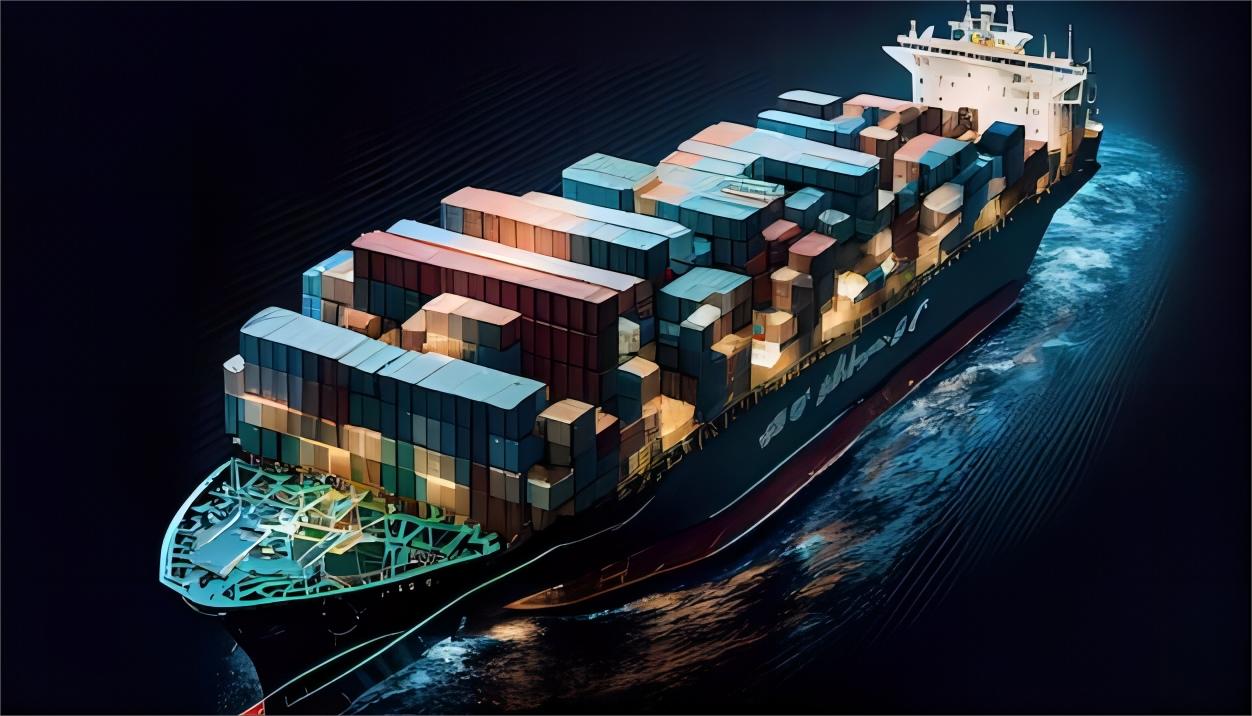
Reefer FCL space availability for medical equipment from China to Texas
Securing reliable Reefer FCL space availability for medical equipment from China to Texas is a critical challenge for modern healthcare supply chains. At Top China Freight, we understand that temperature-sensitive cargo requires precision and guaranteed equipment availability. Consequently, navigating the complexities of trans-Pacific logistics demands a partner with deep carrier relationships and technical expertise.

Understanding Reefer FCL Space Availability for Medical Equipment from China to Texas
Current market conditions suggest that Reefer FCL space availability for medical equipment from China to Texas fluctuates based on seasonal demand and carrier capacity. Specifically, medical devices and pharmaceutical components require strict temperature maintenance throughout the journey. Therefore, shippers must book at least 3 to 4 weeks in advance to ensure equipment is positioned at the loading port.

Carriers often prioritize dry cargo over refrigerated units during peak seasons due to higher maintenance requirements. However, the essential nature of medical equipment usually grants it a higher priority status within logistics networks. Shippers should monitor the delivery schedule closely to avoid bottlenecks at major transshipment hubs like Busan or Panama.
Texas serves as a massive gateway for medical distribution across the Southern United States. Indeed, the ports of Houston and Freeport are primary destinations for these specialized containers. Consequently, understanding the local infrastructure at these ports is just as important as securing the initial space in China.
How Does Reefer FCL Compare to Other Shipping Options?
When evaluating Reefer FCL space availability for medical equipment from China to Texas, it is vital to consider alternative modes. While sea freight is the most cost-effective for large volumes, it may not suit urgent medical needs. In contrast, air freight offers speed but comes with significantly higher freight rates.
Moreover, the choice between FCL and LCL refrigerated shipping depends heavily on the volume of the medical equipment. For most medical manufacturers, a full container load provides better security and less risk of temperature fluctuations. Nevertheless, some smaller lab supplies might move via refrigerated LCL if space is extremely tight.
| Shipping Method | Cost Range | Transit Time | Best For | Limitations |
|---|---|---|---|---|
| Reefer FCL | $4,500 – $7,500 | 30-40 Days | Bulk medical devices | Equipment shortages |
| Reefer LCL | $150 – $300/CBM | 35-45 Days | Small lab samples | Higher contamination risk |
| Air Freight | $8 – $15/KG | 5-8 Days | Urgent vaccines | Extremely high cost |
| Sea-Air Hybrid | $4 – $7/KG | 15-20 Days | Mid-range urgency | Complex handling |
Key Logistics Trends for North America Medical Imports
Shipping to North America has become more complex due to changing environmental regulations for reefer units. Carriers are now investing in smarter IoT-enabled containers that provide real-time tracking of temperature and humidity. Consequently, this technology improves the transparency of the supply chain for Texas-based medical distributors.
Additionally, current logistics trends indicate a shift toward more direct routes to the US Gulf Coast. By avoiding the congested West Coast ports, shippers can achieve a more predictable delivery schedule. Nevertheless, this requires careful coordination with carriers that offer direct calls to Houston or Galveston.
Industry average for this route suggests that transit times have stabilized compared to the disruptions seen in previous years. However, fuel surcharges still play a significant role in the final invoice. Shippers should always request a comprehensive breakdown of all cargo handling fees before finalizing a booking.
Transit Times and Port Options for Texas Destinations
The transit time for Reefer FCL space availability for medical equipment from China to Texas varies depending on the port of loading. For instance, shipments from Shanghai or Ningbo typically take longer than those departing from Shenzhen. Furthermore, the choice between the Panama Canal and the Suez Canal routes can impact the total duration by several days.
Houston is the most common port of discharge for medical cargo destined for the Texas Medical Center. On the other hand, some logistics providers suggest using the port of Savannah and then trucking the cargo to Dallas for faster inland distribution. Regardless of the route, maintaining the cold chain during the inland leg is paramount.
| Origin Port | Destination Port | Route Type | Est. Transit Time |
|---|---|---|---|
| Shanghai | Houston | All-Water (Panama) | 32-35 Days |
| Shenzhen | Houston | All-Water (Panama) | 28-32 Days |
| Qingdao | Houston | Transshipment | 38-42 Days |
| Ningbo | Dallas (via Rail) | Intermodal | 25-30 Days |
Navigating Customs Brokerage for Medical Shipments
Medical equipment is subject to strict FDA regulations when entering the United States. Therefore, engaging an expert in customs brokerage is non-negotiable for Texas importers. Any delay in the clearance process could jeopardize the integrity of the temperature-sensitive cargo.
Moreover, proper documentation including the Certificate of Origin and the Device Listing is required for a smooth entry. In addition, the customs broker must ensure that the Reefer unit remains plugged in at the terminal during any inspections. Consequently, choosing a broker with experience in medical logistics can prevent costly demurrage charges.
Market data suggests that nearly 15 percent of medical shipments face delays due to incomplete paperwork. Shippers must verify that all harmonized system codes are accurate to avoid fines. Indeed, proactive communication between the exporter in China and the broker in Texas is the best way to mitigate these risks.
Which Option Should You Choose for Your Medical Cargo?
If budget is your primary priority, Reefer FCL space availability for medical equipment from China to Texas via the all-water route to Houston is the best choice. This method offers the lowest cost per unit for high-volume shipments. However, you must plan for a longer lead time to accommodate the 35-day transit.
For shipments with high speed priority, air freight remains the gold standard despite the cost. This is particularly true for high-value surgical robots or sensitive diagnostic reagents. In contrast, for cargo that is moderately urgent, a sea-air hybrid solution through a hub like Dubai or Los Angeles might offer a balanced compromise.
Volume thresholds also dictate the strategy; for example, if your cargo exceeds 15 CBM, a 20-foot Reefer container is usually more economical than LCL. On the other hand, very large orders of hospital beds or PPE are best suited for 40-foot High Cube Reefer units. Always consider the total landed cost rather than just the ocean freight rate.
Case Study 1: Large Scale Medical Device Export
Route: Shanghai, China to Houston, Texas. Cargo: MRI Components, 25 CBM, 8,000 kg. Container: 40HQ Reefer. Shipping Details: Carrier: COSCO. Port of Loading: Shanghai. Port of Discharge: Houston. Route Type: Direct via Panama Canal.
Cost Breakdown: Ocean Freight: $6,200. Origin Charges: $450. Destination Charges: $800. Customs and Duties: $1,200. Total Landed Cost: $8,650. Timeline: Booking to Loading: 10 days. Sea Transit: 34 days. Customs Clearance: 3 days. Total Door-to-Door: 47 days.
Key Insight: Success was achieved by booking 5 weeks in advance during the Q4 peak season. Based on late 2024 market rates, this proactive approach secured equipment that was otherwise unavailable for spot-market shippers.

Case Study 2: Lab Equipment for Dallas Research Center
Route: Shenzhen, China to Dallas, Texas. Cargo: Centrifuges and Incubators, 12 CBM, 4,500 kg. Container: 20GP Reefer. Shipping Details: Carrier: Maersk. Port of Loading: Yantian. Port of Discharge: Houston (Inland to Dallas). Route Type: Transshipment via Busan.
Cost Breakdown: Ocean Freight: $4,800. Origin Charges: $380. Destination Charges: $950. Customs and Duties: $2,100. Total Landed Cost: $8,230. Timeline: Booking to Loading: 7 days. Sea Transit: 31 days. Customs Clearance: 2 days. Total Door-to-Door: 40 days.
Key Insight: Using a door to door service allowed the client to maintain temperature control during the final truck leg from Houston to Dallas. This integrated approach prevented any temperature excursions during the hot Texas summer.
Factors Affecting Freight Rates and Availability
Several factors influence the current freight rates for refrigerated containers. For instance, fuel costs and electricity surcharges at terminals can cause prices to fluctuate weekly. Additionally, the availability of specialized reefer technicians at the port of loading affects how quickly containers can be released for export.
Furthermore, global logistics trends such as the repositioning of empty containers impact the Texas route significantly. If there is a trade imbalance, carriers may struggle to provide enough empty reefer units in China. Therefore, shippers should maintain a flexible delivery schedule to take advantage of sudden space openings.
Note: Freight rates are subject to change based on fuel costs, carrier capacity, and seasonal demand. Contact us for a current quote tailored to your specific shipment.
Cost-Saving Strategies for Medical Shippers
To reduce expenses, consider consolidating multiple smaller orders into a single Reefer FCL shipment. This approach maximizes the use of space and spreads the fixed costs of customs and documentation. Moreover, choosing off-peak departure dates can sometimes result in lower freight rates from major carriers.
Another strategy involves optimizing the packaging to ensure better airflow within the container. Efficient airflow allows the reefer unit to work less hard, potentially reducing energy surcharges. Nevertheless, never compromise on the protective padding required for delicate medical instruments during the long sea voyage.
Lastly, establishing a long-term contract with a logistics provider can guarantee Reefer FCL space availability for medical equipment from China to Texas. Fixed-rate agreements protect your supply chain from the volatility of the spot market. Indeed, consistency is the key to managing a successful medical import business.
Conclusion
Managing Reefer FCL space availability for medical equipment from China to Texas requires a blend of early planning and expert execution. By understanding the nuances of temperature-controlled shipping and the specific requirements of the Texas market, importers can ensure their cargo arrives safely and on time.
Whether you choose sea freight for its cost-effectiveness or air freight for its speed, the priority must always be the integrity of the medical equipment. As logistics trends evolve, staying informed about carrier capacity and customs regulations will remain essential for success. Trusting a professional partner ensures that your Reefer FCL space availability for medical equipment from China to Texas is guaranteed even during peak seasons.
Ready to streamline your logistics?
Ensure your medical supply chain remains uninterrupted by securing the best Reefer FCL space availability for medical equipment from China to Texas today. Contact our expert team for a customized quote and professional logistics support. Visit our website to learn more about our specialized cold chain solutions for the healthcare industry. See: https://Top China Freight.com/contact-us/
Request Quote