

Transit Time for FCL Shipping from China to Houston: 2025 Guide
Understanding the transit time for FCL shipping from China to Houston is a critical component for businesses managing international supply chains. Navigating the complexities of ocean freight requires precise planning to ensure that goods arrive at the Port of Houston without unnecessary delays. By partnering with a reliable logistics provider like Top China Freight, importers can streamline their operations and gain better control over their delivery schedules. This guide provides a comprehensive breakdown of the factors influencing shipping durations and the most efficient routes currently available for full container loads.
What Is the Average Transit Time for FCL Shipping from China to Houston?
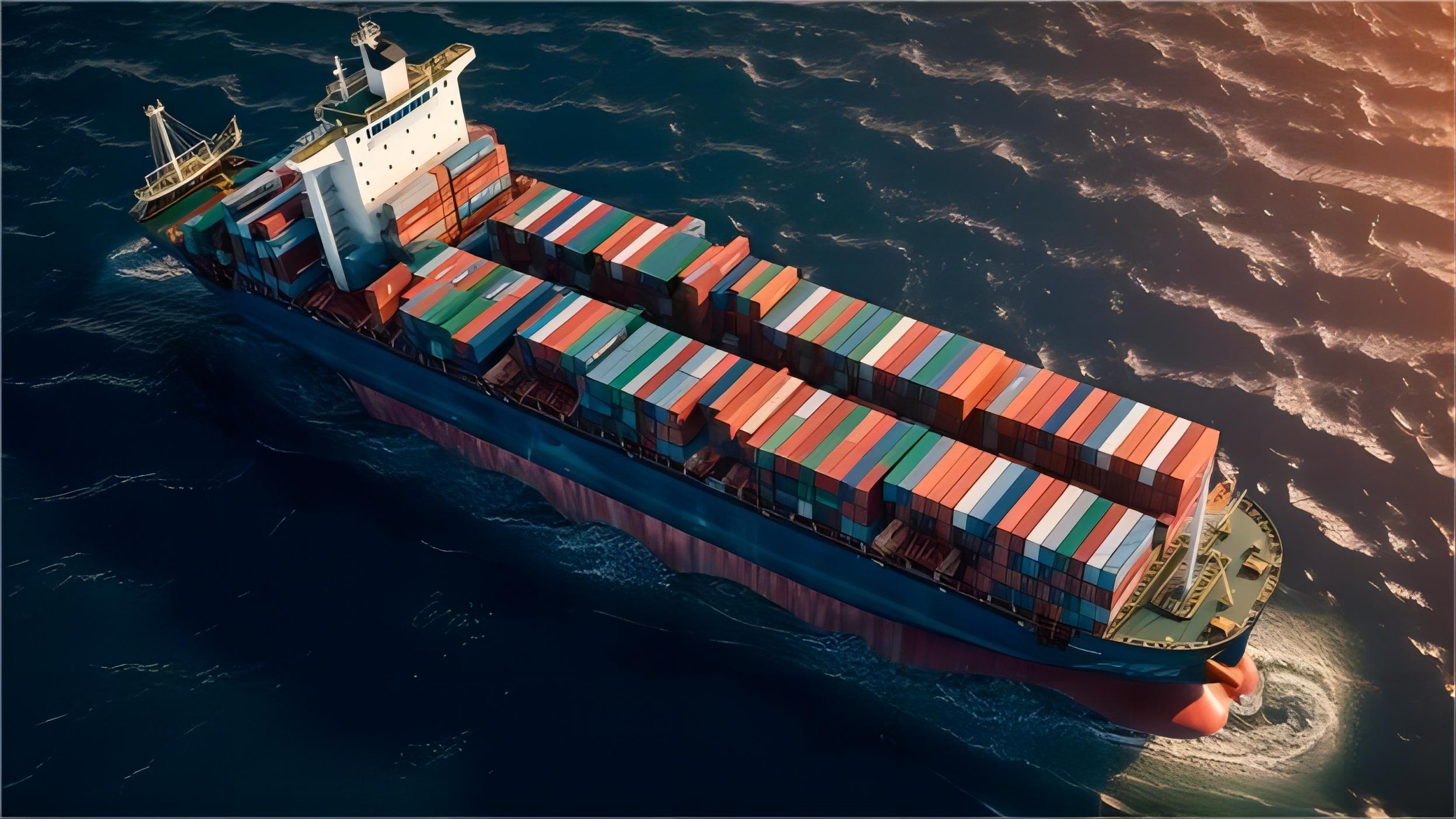
Typically, the transit time for FCL shipping from China to Houston ranges between 35 and 45 days. This duration accounts for the long journey from major Chinese ports such as Shanghai or Ningbo through the Panama Canal to the US Gulf Coast. Consequently, shippers must account for both the water transit and the time required for port operations at both ends.

Moreover, choosing sea freight for these routes is often the most cost-effective solution for large volumes. Although the time frame is longer than West Coast deliveries, it avoids the high costs of transcontinental trucking or rail from California to Texas. Therefore, many businesses prefer the direct water route to Houston despite the extended timeline.
Furthermore, seasonal fluctuations and carrier schedules can lead to variations in these estimates. During peak seasons, such as the lead-up to the Lunar New Year, transit times might increase due to higher demand and port congestion. Accordingly, planning at least two months in advance is highly recommended for all major shipments.
| Origin Port | Average Days | Route Type | Service Frequency |
|---|---|---|---|
| Shanghai | 38-42 | Panama Canal | Weekly |
| Shenzhen | 35-40 | Panama Canal | Weekly |
| Ningbo | 39-43 | Panama Canal | Bi-weekly |
| Qingdao | 42-46 | Transshipment | Weekly |
How Does FCL Shipping Compare to Other Shipping Options?
In contrast to other methods, full container load shipping offers the best balance between cost and security for bulk cargo. While air freight is significantly faster, the expense is often prohibitive for standard retail or industrial goods. Meanwhile, less than container load options might seem cheaper for small volumes but often face longer processing times due to consolidation.
Specifically, for shipments exceeding 15 cubic meters, FCL is almost always the superior choice. This is because you pay for the entire container, which reduces the risk of damage and speeds up the loading process. Nevertheless, businesses with urgent deadlines may consider hybrid solutions to bypass the Panama Canal if congestion levels rise.
Additionally, the following table illustrates how different shipping modes compare for the China to Houston route. This data helps logistics managers decide whether to prioritize speed or budget based on their specific inventory needs.
| Method | Cost Range (USD) | Transit Time | Best For |
|---|---|---|---|
| FCL Sea Freight | 3,500-5,500 | 35-45 Days | Bulk Goods |
| LCL Sea Freight | 150-300 per CBM | 45-55 Days | Small Batches |
| Air Freight | 5.50-9.00 per kg | 5-8 Days | Urgent Cargo |
| Sea-Air Hybrid | 2,500-4,000 | 18-25 Days | Mid-range Needs |
Key Factors Affecting Shipping Duration to the Port of Houston
Several variables can influence the final delivery date of your container. For instance, the current water levels in the Panama Canal play a significant role in determining how many vessels can pass through daily. As a result, drought conditions can lead to unexpected delays and surcharges for all Gulf Coast bound traffic.
Furthermore, efficient customs brokerage services are vital for preventing bottlenecks at the port of entry. Indeed, incomplete documentation is one of the most common reasons for cargo being held by US Customs and Border Protection. Consequently, working with experts ensures all paperwork is filed correctly before the vessel even arrives.
Meanwhile, port congestion in Houston can also impact the time it takes for a container to be discharged and made available for pickup. Indeed, during busy periods, vessels may wait at anchor for several days. Therefore, monitoring real-time port data is essential for accurate supply chain forecasting.
Major Shipping Routes from China to the US Gulf Coast
Most carriers servicing North America from China utilize the Panama Canal to reach Houston. This route is preferred because it allows ships to deliver goods directly to the heart of the Texas industrial corridor. Consequently, it eliminates the need for expensive intermodal transport across the Rocky Mountains.
However, some services may involve transshipment at major hubs like Busan, South Korea, or Manzanillo, Panama. While transshipment can sometimes offer lower rates, it typically adds 5 to 10 days to the total transit time. Accordingly, shippers must weigh the cost savings against the potential for delay at the transshipment port.
In addition, direct strings are available from major ports like Shanghai and Yantian. These direct services are highly sought after because they minimize handling and provide more predictable schedules. Without a doubt, choosing a direct route is the most reliable way to maintain a strict delivery timeline.
Realistic Case Studies: China to Houston Shipments
To provide a clearer picture of the current market, we have analyzed recent shipments handled for our clients. These examples reflect the actual costs and timelines experienced in the late 2024 and early 2025 market environment. Each case demonstrates how different variables impact the final landed cost and duration.
Case Study 1: Industrial Machinery from Shanghai. In this scenario, a client shipped a 40HQ container filled with specialized equipment. The route was direct via the Panama Canal, and the total transit time from port to port was 39 days. Consequently, the total door-to-door duration was 46 days after accounting for local drayage in Houston.
Case Study 2: Consumer Electronics from Shenzhen. For this shipment, the client utilized a transshipment service via Busan to save on ocean freight costs. Although the freight rate was 15 percent lower, the total transit time stretched to 52 days. Therefore, this option was only suitable because the client had high inventory levels and no immediate stock-out risk.
Route: Shanghai to Houston. Cargo: Industrial Machinery, 60 CBM. Container: 40HQ. Carrier: COSCO. Ocean Freight: 4,800 USD. Origin Charges: 350 USD. Destination Charges: 600 USD. Customs and Duties: 1,200 USD. Total Landed Cost: 6,950 USD. Timeline: 46 days door-to-door. Key Insight: Direct routing saved 7 days compared to transshipment options.
Route: Ningbo to Houston. Cargo: Home Furniture, 25 CBM. Container: 20GP. Carrier: MSC. Ocean Freight: 3,200 USD. Origin Charges: 300 USD. Destination Charges: 550 USD. Customs and Duties: 800 USD. Total Landed Cost: 4,850 USD. Timeline: 44 days door-to-door. Key Insight: Efficient customs filing allowed for same-day clearance upon port arrival.
Which Shipping Option Should You Choose?
Choosing the right shipping strategy depends entirely on your specific business priorities. If your primary concern is the lowest possible cost, then standard FCL sea freight via the Panama Canal is the clear winner. On the other hand, if speed is your main driver, you might consider shipping to the West Coast and using rail to Texas.
Moreover, the volume of your cargo dictates whether FCL or LCL is more appropriate. For shipments larger than 15 cubic meters, FCL is generally more economical and faster. Conversely, for smaller loads, LCL allows you to share space and costs, though it adds complexity to the logistics chain.
Additionally, door to door services are highly recommended for businesses that want a hands-off approach. This comprehensive service covers everything from factory pickup in China to final delivery at your Houston warehouse. Consequently, it reduces the administrative burden on your team and ensures a smoother transit process.

Tips to Reduce Your Transit Time for FCL Shipping from China to Houston
To optimize your shipping schedule, always book your space at least three weeks before the cargo is ready. This ensures you get a spot on the fastest available vessel and avoids the risk of being rolled to the next week. Furthermore, ensure that all your commercial invoices and packing lists are accurate to prevent customs delays.
In addition, consider using a freight forwarder with a strong presence in both China and Texas. Such providers have better leverage with carriers and can often secure space even during peak periods. Indeed, local expertise is invaluable when navigating the specific requirements of the Port of Houston.
Finally, always stay informed about global events that might affect the Panama Canal or US port operations. For example, labor negotiations or environmental factors can change transit times overnight. By remaining flexible and having contingency plans, you can protect your business from the worst impacts of shipping delays.
Understanding the Role of Amazon FBA in Texas Logistics
Many importers shipping to Houston are specifically targeting regional distribution centers. Utilizing Amazon FBA services simplifies the process of getting products into the hands of customers across the Southern United States. Consequently, choosing a freight forwarder who understands FBA labeling and pallet requirements is essential.
Moreover, shipping FCL directly to a Houston warehouse can save significant amounts on inland freight compared to shipping to California. Because Houston is a major logistics hub, it offers excellent connectivity to the rest of the country. Therefore, it serves as an ideal entry point for e-commerce businesses looking to scale their operations in the US market.
Final Thoughts on Shipping to Houston
To summarize, managing the transit time for FCL shipping from China to Houston requires a combination of early planning, correct documentation, and choosing the right routes. While the average journey takes about 40 days, various factors like canal congestion and port efficiency can influence the final outcome.
By understanding these variables and working with experienced partners, you can ensure your cargo arrives safely and on time. Whether you are shipping industrial machinery or consumer goods, the Port of Houston remains a vital gateway for international trade. Start optimizing your Texas-bound logistics today for better business results.
Ready to streamline your logistics?
Are you planning your next shipment from China to Texas? Our team of logistics experts is ready to help you optimize your transit time for FCL shipping from China to Houston. Contact Top China Freight today for a customized quote and professional guidance on your ocean freight needs. Visit our website to learn more about our comprehensive shipping solutions. Send Inquiry: https://Top China Freight.com/contact-us/
Request Quote