

Reefer FCL sailing schedule for machinery from China to Ireland
Navigating the complexities of international logistics requires precise timing and reliable data. If you are searching for a Reefer FCL sailing schedule for machinery from China to Ireland, you likely need a solution that protects sensitive equipment from environmental fluctuations. At Top China Freight, we specialize in managing high-value industrial cargo across global trade lanes. This guide provides comprehensive insights into transit times, port options, and cost-saving strategies for your next machinery shipment.
Understanding the Reefer FCL sailing schedule for machinery from China to Ireland
Reliability is the cornerstone of any successful import operation involving heavy equipment. Consequently, knowing the specific Reefer FCL sailing schedule for machinery from China to Ireland allows businesses to plan their production cycles with confidence. Most carriers offer weekly departures from major Chinese hubs, ensuring a steady flow of goods to Irish ports.
Precision machinery often requires the controlled environment of a refrigerated container to prevent moisture buildup and corrosion during long sea voyages. Therefore, choosing a reefer unit over a standard dry container is a strategic decision for high-precision tools. Freight forwarders coordinate with shipping lines like Maersk and COSCO to secure space on vessels that support active temperature and humidity monitoring.
Transit times typically range from 30 to 45 days depending on the specific port of loading and the chosen service level. For instance, direct services from Shanghai to Dublin are faster but may carry a premium price. Meanwhile, transshipment options via Mediterranean hubs can offer cost savings for those with more flexible timelines.
Selecting the right sea freight partner is essential for managing these specialized containers. Expert logistics providers ensure that the power supply for the reefer unit remains uninterrupted from the factory floor to the final destination in Ireland.
Why Choose Reefer Containers for Industrial Machinery?
Many importers wonder why they should use temperature-controlled units for non-perishable items. However, industrial machinery often contains sensitive electronics and polished metal surfaces that are highly susceptible to humidity. A reefer container acts as a climate-controlled vault, maintaining a stable internal atmosphere regardless of the external weather conditions.
During the voyage through different climate zones, standard containers experience ‘container sweat’ due to temperature fluctuations. This condensation can cause significant rust damage to expensive machinery parts. By utilizing a Reefer FCL sailing schedule for machinery from China to Ireland, you effectively eliminate this risk and ensure the cargo arrives in showroom condition.
Moreover, the airtight seal of a reefer container provides an extra layer of protection against salt air and maritime pollutants. This is particularly important for high-tech manufacturing equipment destined for Ireland’s growing tech and pharmaceutical sectors. Investing in the right container type reduces the likelihood of insurance claims and operational delays upon arrival.
Key Ports and Estimated Transit Times
The departure point in China significantly influences the overall duration of the journey to Ireland. For example, shipments originating from northern ports like Qingdao or Tianjin may take slightly longer than those from southern hubs like Shenzhen. Understanding these geographical nuances helps in selecting the most efficient Reefer FCL sailing schedule for machinery from China to Ireland.
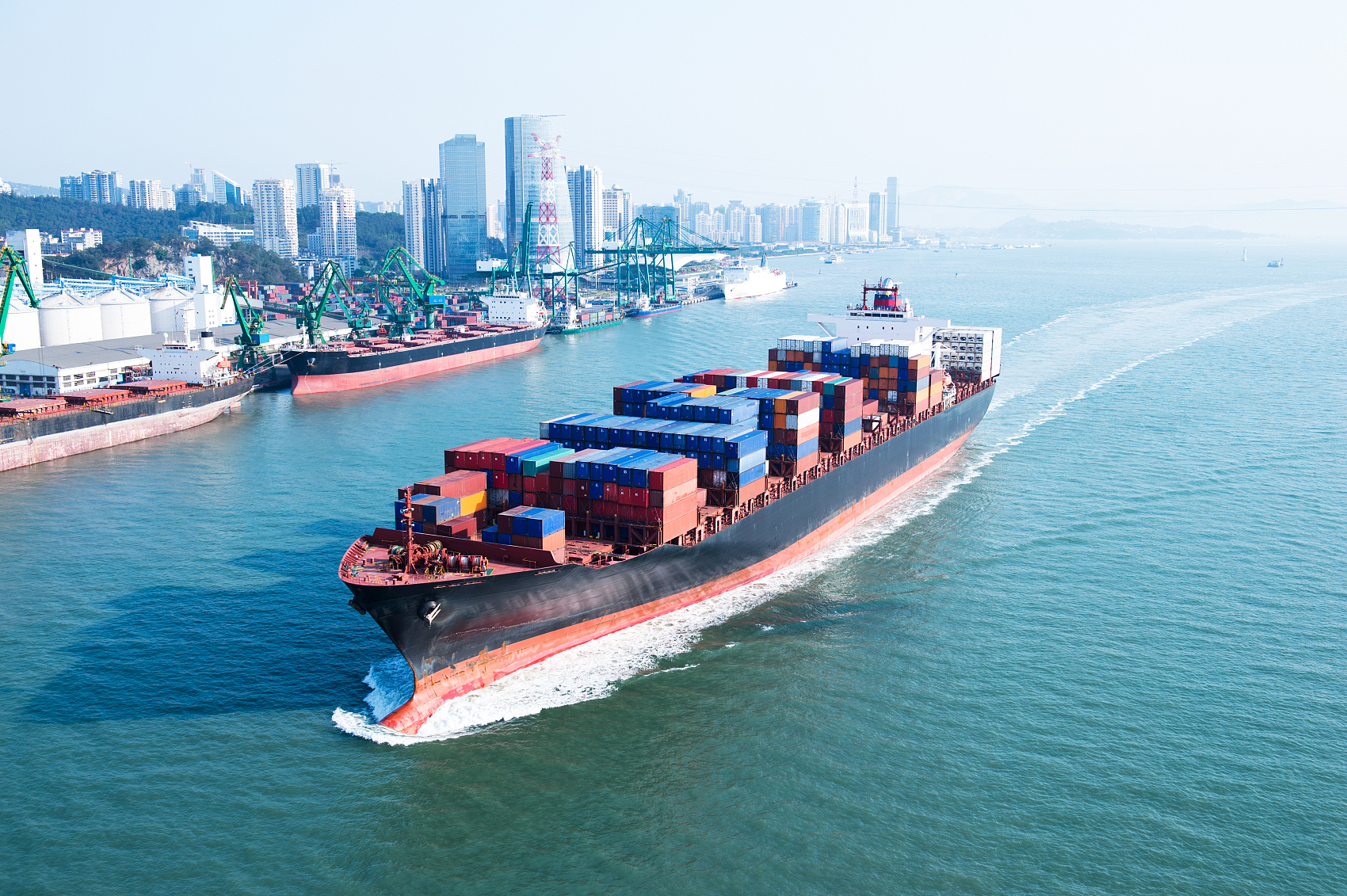
Dublin Port handles the majority of containerized traffic entering Ireland, offering robust infrastructure for reefer cargo. Additionally, the Port of Cork provides an excellent alternative for shipments destined for the southern regions of the country. Each port has specific handling procedures for refrigerated units that must be factored into your logistics planning.
Below is a detailed breakdown of typical transit times from major Chinese ports to Irish destinations.
| Port of Loading | Port of Discharge | Service Type | Transit Time (Days) |
|---|---|---|---|
| Shanghai | Dublin | Direct/Fast | 32-35 |
| Shenzhen | Dublin | Transshipment | 38-42 |
| Ningbo | Cork | Standard | 35-40 |
| Qingdao | Dublin | Standard | 40-45 |
How Does Reefer FCL Compare to Other Shipping Options?
When planning your logistics strategy, it is vital to compare all available transport modes. While sea freight is the most common choice for heavy machinery, other options might be more suitable depending on your budget and urgency. For example, air freight offers unmatched speed but comes at a significantly higher cost.
Rail freight is another alternative for shipments to Europe, though it currently faces challenges due to geopolitical factors. Sea freight remains the most cost-effective and reliable method for moving large volumes of machinery. Furthermore, the ability to use specialized reefer units is a unique advantage of ocean transport that other modes cannot easily replicate.
In contrast to LCL (Less than Container Load), FCL (Full Container Load) provides better security and faster transit times. Because your machinery occupies the entire container, there is no risk of contamination from other shippers’ cargo. This is particularly crucial when maintaining the specific environment required for sensitive industrial tools.
| Shipping Method | Cost Range | Transit Time | Best For |
|---|---|---|---|
| Reefer FCL Sea | $3,500 – $5,500 | 30-45 Days | Sensitive Machinery |
| Standard FCL Sea | $2,500 – $4,200 | 30-45 Days | Durable Equipment |
| Air Freight | $15,000 – $25,000 | 5-8 Days | Urgent Spare Parts |
| LCL Sea Freight | $150 – $300 /CBM | 40-50 Days | Small Components |
Factors Influencing Your Shipping Schedule and Costs
Several variables can impact the Reefer FCL sailing schedule for machinery from China to Ireland. For instance, seasonal demand during the Golden Week in China or the Christmas peak in Ireland can lead to port congestion and equipment shortages. Consequently, booking your shipment at least 3-4 weeks in advance is highly recommended.
Fuel surcharges and currency fluctuations also play a significant role in determining the final refrigerated container shipping rates. Additionally, the availability of reefer plugs on vessels can sometimes limit the number of units a ship can carry. Therefore, securing a spot on a vessel with a reliable power infrastructure is paramount for machinery safety.
Customs procedures in both China and Ireland must be handled with precision to avoid delays. Utilizing a professional customs brokerage service ensures that all documentation is compliant with Irish Revenue requirements. Any errors in paperwork can lead to costly storage fees at the port of discharge, which can quickly erode your profit margins.
Case Studies: Successful Machinery Shipments to Ireland
Examining real-world examples provides valuable context for your own logistics planning. These cases illustrate the typical costs and timelines associated with importing machinery from China. By learning from these scenarios, you can better anticipate potential challenges and optimize your own Reefer FCL sailing schedule for machinery from China to Ireland.
Each case study reflects market conditions from late 2024 and early 2025, providing a realistic benchmark for current operations. Note that specialized cargo handling often requires tailored solutions that go beyond standard freight services.
Case Study 1: Precision CNC Machine to Dublin
Route: Shanghai, China to Dublin, Ireland
Cargo: High-precision CNC Milling Machine, 12 CBM, 4,500 kg
Container: 40ft Reefer FCL (Set at 20 degrees Celsius)
Shipping Details:
– Carrier: COSCO Shipping
– Port of Loading: Shanghai Yangshan
– Port of Discharge: Dublin Port
– Route Type: Direct via Rotterdam
Cost Breakdown:
– Ocean Freight: $4,850
– Origin Charges: $450
– Destination Charges: $600
– Customs Duties: $1,200
– Total Landed Cost: $7,100
Timeline:
– Booking to Loading: 5 days
– Sea Transit: 34 days
– Customs Clearance: 2 days
– Total Door-to-Door: 41 days
Key Insight: The use of a reefer container prevented electronic malfunctions caused by humidity during the transit through the Suez Canal.
Case Study 2: Industrial Food Processing Line to Cork
Route: Ningbo, China to Cork, Ireland
Cargo: Stainless Steel Food Processing Equipment, 28 CBM, 8,000 kg
Container: 40ft Reefer FCL
Shipping Details:
– Carrier: Maersk Line
– Port of Loading: Ningbo-Zhoushan
– Port of Discharge: Port of Cork
– Route Type: Transshipment via Felixstowe
Cost Breakdown:
– Ocean Freight: $5,200
– Origin Charges: $500
– Destination Charges: $750
– Customs Duties: $2,100
– Total Landed Cost: $8,550
Timeline:
– Booking to Loading: 7 days
– Sea Transit: 39 days
– Customs Clearance: 3 days
– Total Door-to-Door: 49 days
Key Insight: Despite a minor delay at the transshipment port, the machinery arrived in perfect condition due to the stable internal environment of the reefer unit.
Decision Framework: Which Shipping Option Should You Choose?
Choosing the right shipping method involves balancing cost, speed, and safety. If your primary goal is to minimize expenses and your machinery is not sensitive to environmental changes, a standard dry container is the most logical choice. However, for high-value assets, the extra cost of a reefer unit is a small price to pay for peace of mind.
When speed is the top priority, you might consider a hybrid solution. For instance, shipping most components via sea freight while sending critical electronic controllers via air freight can optimize both your budget and your timeline. This approach ensures that the bulk of the shipment remains cost-effective while the most sensitive parts arrive quickly.
For those requiring a complete hands-off experience, a door to door service is the ideal solution. This service manages every step of the process, from the factory in China to the warehouse in Ireland. It eliminates the need for the importer to coordinate between multiple agents and carriers, reducing the risk of communication errors.
Essential Documentation for Importing Machinery
Accurate documentation is the foundation of a smooth import process. To comply with Irish and EU regulations, you must provide a commercial invoice, a detailed packing list, and a Bill of Lading. Furthermore, machinery often requires a CE Certificate to prove it meets European safety and environmental standards.
Specific to reefer cargo, you should also maintain a temperature log and a pre-trip inspection (PTI) report. These documents verify that the container was functioning correctly before and during the voyage. In the event of an insurance claim, these records are vital for proving that the carrier maintained the agreed-upon conditions.
Note: Freight rates are subject to change based on fuel costs, carrier capacity, and seasonal demand. Contact us for a current quote tailored to your specific shipment.
Final Thoughts on Shipping Machinery to Ireland
Successfully navigating the Reefer FCL sailing schedule for machinery from China to Ireland is essential for maintaining a competitive edge in today’s global market. By understanding the transit times, port options, and the unique benefits of refrigerated containers, you can protect your valuable assets from environmental damage. Whether you are importing precision tools or heavy industrial lines, the right logistics strategy makes all the difference.
Remember to plan ahead, choose the right partners, and maintain meticulous documentation. With the support of experienced freight professionals, your journey from the manufacturing hubs of China to the ports of Ireland will be efficient and secure. Stay informed about market trends and maintain flexibility in your supply chain to overcome any unforeseen challenges.

Ready to streamline your logistics?
Managing a Reefer FCL sailing schedule for machinery from China to Ireland requires expertise and attention to detail. Our team at Top China Freight is ready to provide you with a customized logistics plan that ensures your equipment arrives safely and on time. Visit our website to request a personalized quote or to learn more about our specialized shipping services. Send Inquiry Visit https://Top China Freight.com/
Request Quote