40HQ FCL Detention Prevention for Lighting from China to Chicago
Managing international logistics requires a precise understanding of potential hidden costs that can erode your profit margins. For many importers, 40HQ FCL detention prevention for lighting from China to Chicago is the most critical factor in maintaining a healthy supply chain. By partnering with Top China Freight, businesses can effectively navigate the complexities of transpacific shipping while ensuring their cargo moves smoothly through the Chicago rail ramps. This guide provides actionable insights into minimizing container fees and optimizing your delivery schedule.

What is 40HQ FCL Detention for Lighting Shipments?
Detention refers to the charges assessed by shipping lines when an importer keeps a container beyond the agreed-upon free time outside the port. Specifically, for lighting products, these fees often accumulate when trucks are delayed during the final delivery leg in Chicago. Consequently, understanding the difference between demurrage and detention is vital for every importer.
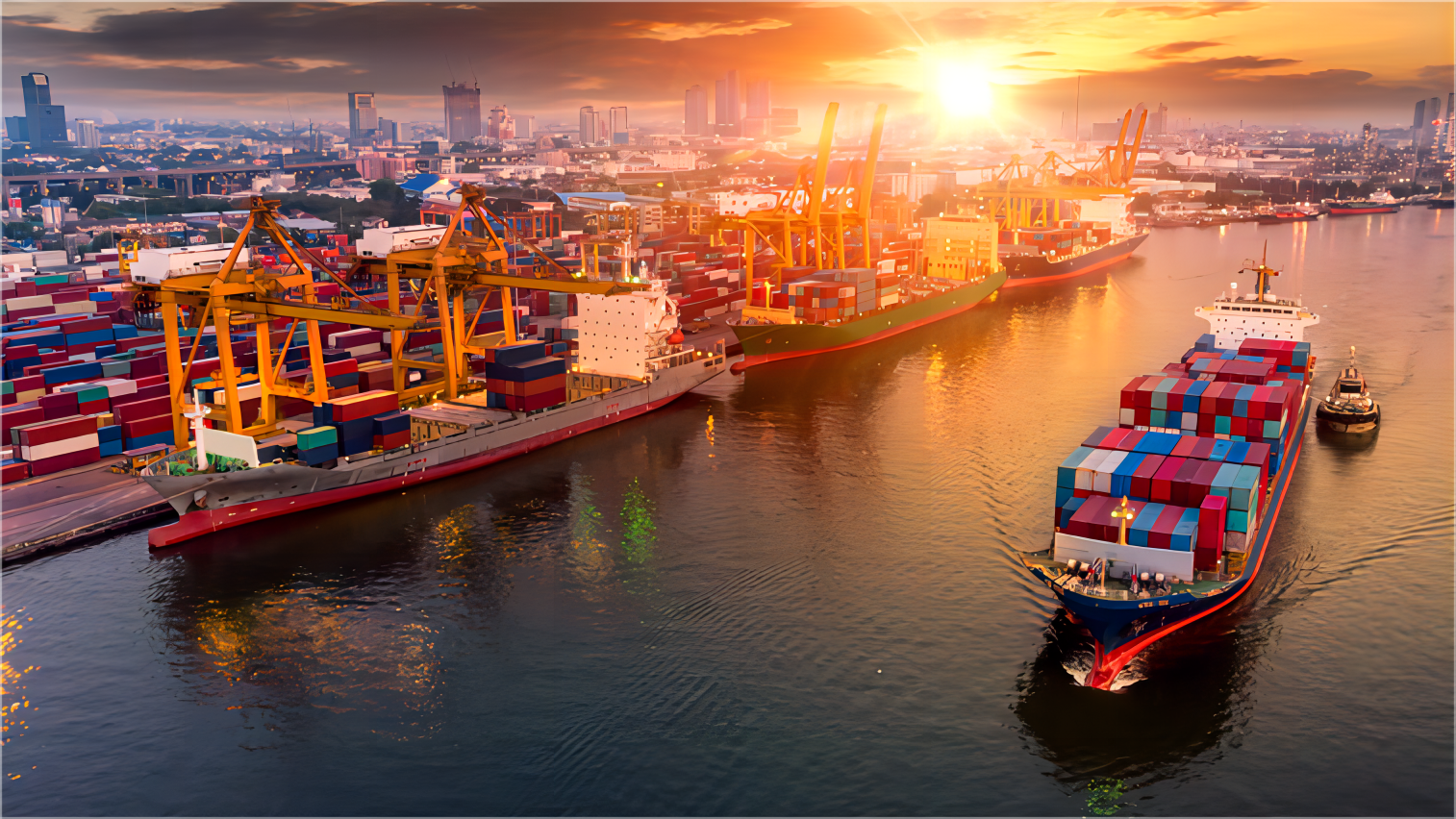
Moreover, lighting cargo is often high-volume but relatively lightweight, making the 40HQ container the preferred choice for maximum efficiency. However, because these shipments are often destined for regional distribution centers, the risk of holding the container too long increases significantly. Therefore, proactive planning is the only way to ensure 40HQ FCL detention prevention for lighting from China to Chicago.
Additionally, the Chicago market relies heavily on rail transport from West Coast ports like Los Angeles or Prince Rupert. This intermodal journey adds another layer of complexity to your logistics trends and delivery schedule. Indeed, a delay at a rail ramp can trigger detention fees just as easily as a delay at a maritime terminal.
How Does Sea Freight Compare to Other Shipping Options?
When choosing a shipping method, importers must balance transit time against overall shipping costs. While sea freight is the most economical choice for 40HQ containers, it requires the most careful management to avoid penalties. On the other hand, air freight offers speed but at a significantly higher price point.
Furthermore, businesses must consider the volume of their lighting products when deciding between FCL and LCL options. For large-scale commercial lighting projects, a full container is almost always the better financial decision. Nevertheless, the following table illustrates how different methods compare for the China to Chicago route.
| Shipping Method | Cost Range (USD) | Transit Time | Best For |
|---|---|---|---|
| Sea Freight (40HQ) | $4,500 – $6,500 | 30-40 Days | Bulk Lighting Orders |
| Air Freight | $15,000 – $25,000 | 5-8 Days | Urgent Samples |
| LCL Shipping | $150 – $300 per CBM | 35-45 Days | Small Retail Batches |
| Sea-Air Hybrid | $8,000 – $12,000 | 18-22 Days | Mid-Season Restocks |
Strategies for 40HQ FCL Detention Prevention for Lighting from China to Chicago
The first step in prevention is negotiating extended free time with your carrier before the shipment leaves China. Typically, carriers offer 5 to 7 days of free time, but experienced forwarders can often extend this to 10 or 14 days. Consequently, this extra cushion allows for potential delays in the Chicago trucking network.
Secondly, utilizing a professional customs brokerage service ensures that all paperwork is filed well in advance. Because lighting products often require specific certifications like UL or ETL, any documentation error can lead to a customs hold. As a result, the container sits idle, and detention charges begin to mount rapidly.
Thirdly, implement a pre-pull strategy where the container is moved from the rail ramp to a secure yard near the final destination. This tactic effectively stops the clock on rail storage fees and provides more flexibility for the final delivery. Without a doubt, coordinating with a local Chicago drayage provider is essential for this process.
Chicago Specific Logistics Challenges and Solutions
Chicago is one of the busiest inland ports in the world, serving as a hub for multiple Class I railroads. However, this high volume often leads to congestion at major ramps like the Elwood or Joliet terminals. Therefore, importers must monitor freight rates and terminal availability daily to avoid bottlenecks.
Moreover, the ‘last mile’ delivery for lighting fixtures often involves residential areas or construction sites with limited access. In such cases, using a door to door service can simplify the process by handling the specialized equipment needed for offloading. Indeed, many detention fees are caused by the simple lack of a loading dock at the destination.
Additionally, seasonal weather patterns in the Midwest can impact transit times during the winter months. Snowstorms frequently delay truck movements, making it even more important to have a buffer in your delivery schedule. Consequently, planning for a 10 percent longer transit time during Q4 and Q1 is a wise strategic move.
Real Case Studies in Chicago Lighting Logistics
Examining real-world scenarios helps illustrate the importance of 40HQ FCL detention prevention for lighting from China to Chicago. These examples highlight how different strategies can lead to vastly different financial outcomes.
Case Study 1: LED Commercial Fixtures. Route: Shenzhen to Chicago. Cargo: 40HQ LED Panels. Shipping Method: Sea Freight via Prince Rupert. Total Cost: $5,800. Transit Time: 33 Days. Key Insight: By securing 14 days of free time, the importer avoided $1,200 in detention fees when the Chicago warehouse was over capacity.
Case Study 2: Residential Chandeliers. Route: Ningbo to Chicago. Cargo: 40HQ Decorative Lamps. Shipping Method: Sea Freight via Long Beach. Total Cost: $6,200. Transit Time: 38 Days. Key Insight: Pre-clearing customs 5 days before arrival at the rail ramp allowed for immediate drayage, saving the client from weekend storage penalties.
Note: Freight rates are subject to change based on fuel costs, carrier capacity, and seasonal demand. Contact us for a current quote tailored to your specific shipment.
Which Shipping Option Should You Choose?
Choosing the right method depends on your specific budget and timeline requirements. If cost reduction is your primary goal, then 40HQ FCL via sea freight is the standard choice. However, if you are fulfilling an Amazon FBA order with a strict deadline, you might consider faster alternatives.
For shipments where the value of the lighting exceeds the cost of shipping by a large margin, speed becomes more important than container fees. In contrast, for high-volume, low-margin products, every dollar saved on detention is vital. Use the following criteria to guide your decision-making process.
Budget Priority
If your main concern is the bottom line, stick with FCL shipping and focus on 40HQ FCL detention prevention for lighting from China to Chicago. Ensure you have a reliable trucking partner in Chicago who can return empty containers to the depot immediately after unloading.
Speed Priority
When time is of the essence, express service or air freight is the recommended path. While the cost is higher, you eliminate the risk of detention and rail congestion entirely. This is ideal for product launches or urgent project replacements.
Mastering Your Lighting Supply Chain
Successfully importing lighting from China to Chicago requires more than just booking a container. It demands a comprehensive approach to 40HQ FCL detention prevention for lighting from China to Chicago to protect your margins. By understanding the nuances of the Chicago rail system and negotiating better terms with carriers, you can significantly reduce your landed costs.
Furthermore, partnering with a knowledgeable freight forwarder provides the market intelligence needed to navigate supply chain disruptions. Whether you are shipping LED panels or luxury chandeliers, proactive management is the key to logistics success. Start optimizing your cargo handling today to ensure a smoother, more profitable import experience.
Ready to streamline your logistics?
Stop wasting money on unnecessary container fees. Contact Top China Freight today for a customized strategy on 40HQ FCL detention prevention for lighting from China to Chicago and secure the best market rates for your next shipment. Visit our website to request a quote. Send Inquiry: info@Top China Freight.com
Request Quote