

Open Top FCL Transit Time for Machinery from China to New York
Navigating the complexities of international logistics requires a clear understanding of timelines and container types. When you are shipping heavy equipment, knowing the Open Top FCL transit time for machinery from China to New York is essential for maintaining your project schedule. At Top China Freight, we provide the expertise needed to manage these specialized shipments efficiently and safely across the ocean.
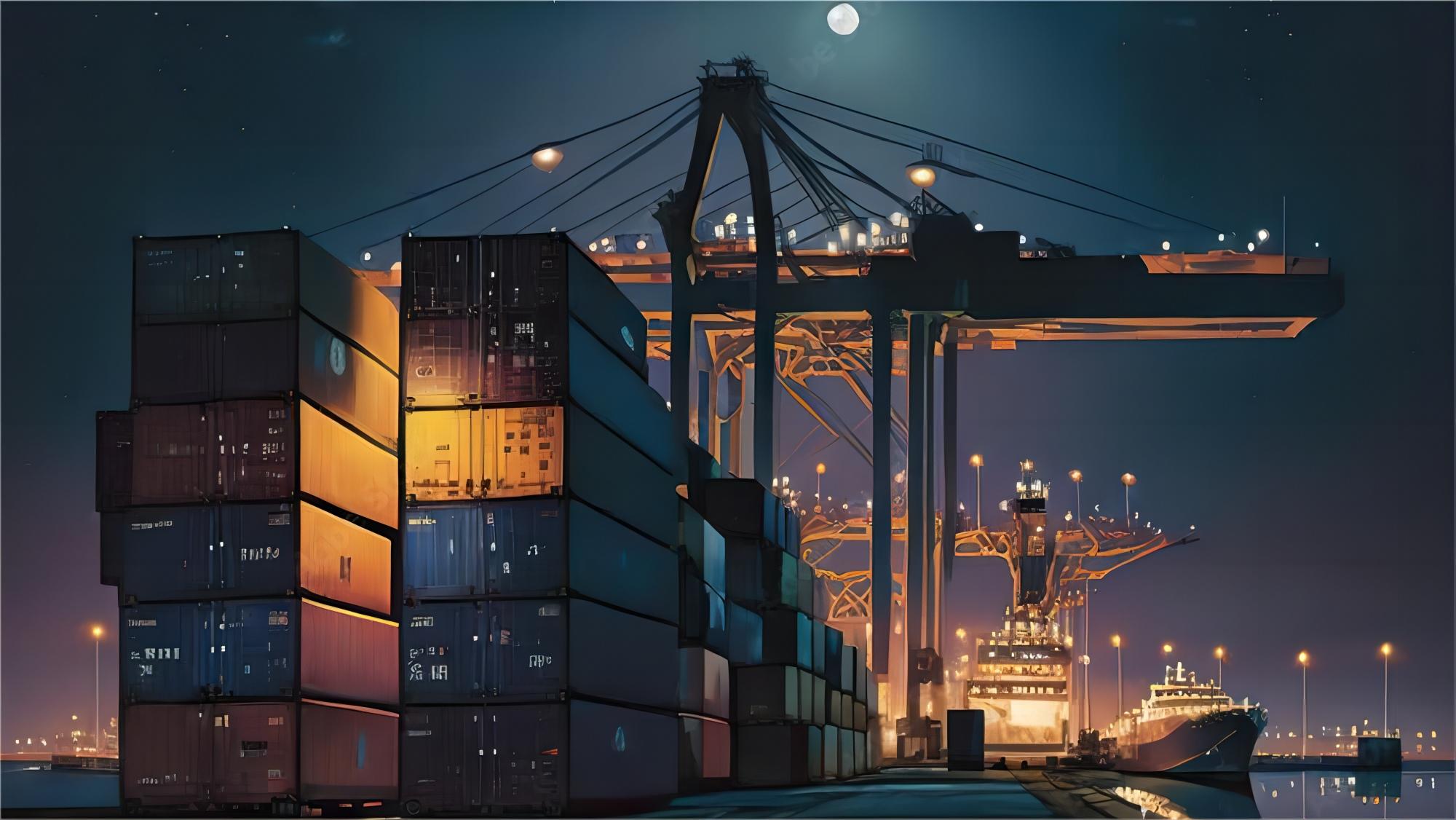
What is the Open Top FCL Transit Time for Machinery from China to New York?
Open top containers are indispensable for cargo that cannot be loaded through standard container doors due to height or handling constraints. Specifically, heavy machinery often requires overhead loading via crane, making the Open Top FCL transit time for machinery from China to New York a critical metric for importers. Using sea freight is the standard approach for these oversized loads, offering a balance between cost and capacity.
Typically, the transit time for this route ranges from 30 to 40 days depending on the specific port of origin and the chosen carrier. Furthermore, shipments originating from southern ports like Shenzhen may arrive slightly faster than those from northern ports like Qingdao. Consequently, businesses must account for these variations when planning their supply chain delivery schedules.
Key Factors Influencing Your Shipping Schedule
Several variables can significantly impact the duration of your shipment from China to the United States East Coast. For instance, the choice of shipping route, whether via the Panama Canal or the Suez Canal, plays a major role in determining the final arrival date. Additionally, port congestion at either the loading or discharge end can introduce unexpected delays of several days.
Weather conditions during the trans-Pacific crossing also represent a variable that carriers must manage carefully. Moreover, the specialized nature of out-of-gauge cargo means that handling at the terminal may take longer than standard containers. Therefore, it is advisable to build a buffer of at least five to seven days into your logistics planning to account for these potential disruptions.
How Does Open Top FCL Compare to Other Shipping Options?
Choosing the right shipping method depends on your budget, the dimensions of your machinery, and how quickly you need the equipment on-site. While open top containers provide protection for tall items, other methods like Flat Rack or RORO might be more suitable for wider or self-propelled machinery. Indeed, shipping from China to North America involves evaluating these trade-offs carefully.
While sea freight is the primary choice for heavy machinery, air freight is an alternative for urgent components or smaller equipment. However, the cost of air transport for large machinery is often prohibitive, frequently exceeding the value of the cargo itself. In contrast, sea freight remains the most economical solution for bulkier industrial assets.
| Shipping Method | Cost Range | Transit Time | Best For |
|---|---|---|---|
| Open Top FCL | $4,500 – $6,500 | 30-38 Days | Tall/Heavy Machinery |
| Flat Rack | $5,500 – $8,000 | 30-38 Days | Wide/Oversized Cargo |
| RORO | $3,000 – $5,000 | 35-45 Days | Wheeled Equipment |
| Air Freight | $15,000+ | 5-10 Days | Urgent/Small Parts |
Detailed Route Analysis: Panama Canal vs. Suez Canal
Most shipments from China to New York utilize the Panama Canal route because it is generally the most direct path to the East Coast. Historically, this route takes approximately 30 to 34 days from major ports like Shanghai or Ningbo. Nevertheless, seasonal droughts in Panama can occasionally lead to draft restrictions and longer waiting times for container vessels.
Alternatively, some carriers may route vessels via the Suez Canal, especially if they are serving multiple ports in Southeast Asia or Europe first. This route typically extends the transit time to 38 or 42 days. Consequently, you should always confirm the intended route with your freight forwarder before booking to ensure it aligns with your deadlines.
| Origin Port | Destination | Transit (Days) | Primary Route |
|---|---|---|---|
| Shanghai | New York | 30-33 | Panama Canal |
| Shenzhen | New York | 28-31 | Panama Canal |
| Ningbo | New York | 32-35 | Panama Canal |
| Qingdao | New York | 35-40 | Suez Canal |

Real-World Case Studies for Machinery Logistics
Examining actual shipments provides a realistic perspective on what to expect during the transit process. These cases reflect typical scenarios encountered by importers in the current market. Without a doubt, preparation and documentation are the keys to avoiding unnecessary delays at the port.
Case Study 1: Heavy Excavator Shipping. Route: Shanghai to New York. Cargo: Industrial Excavator, 25 tons. Container: 40ft Open Top. Shipping Details: Major carrier via Panama Canal. Total Landed Cost: $6,200. Sea Transit: 32 days. Total Door-to-Door: 42 days. Key Insight: Early booking ensured equipment availability during peak season.
Case Study 2: CNC Machine Import. Route: Shenzhen to Newark. Cargo: Precision CNC Machine, 12 CBM. Container: 20ft Open Top. Shipping Details: Direct service via Panama Canal. Total Landed Cost: $5,100. Sea Transit: 29 days. Total Door-to-Door: 38 days. Key Insight: Professional crating prevented damage during the ocean crossing.
Customs Clearance and Documentation Requirements
Navigating the legal requirements is just as important as the physical transport of your machinery. You must ensure that all paperwork is accurate to facilitate a smooth customs brokerage process upon arrival in New York. Specifically, the Bill of Lading, Commercial Invoice, and Packing List must match the physical cargo exactly.
Furthermore, certain types of machinery may be subject to specific EPA or DOT regulations in the United States. Failure to comply with these standards can lead to significant fines or the seizure of your equipment. Therefore, working with an experienced logistics partner who understands these nuances is highly recommended.

Which Shipping Option Should You Choose?
If your primary concern is budget and the machinery is tall but not excessively wide, Open Top FCL is your best option. However, if the equipment is mobile and can be driven, RORO might offer a lower cost despite a slightly longer transit time. For those with extreme time sensitivity, a hybrid sea-air solution could be considered, though it is rarely used for full machines.
Volume also dictates the strategy; for instance, shipping multiple units might allow for better negotiation on freight rates. Additionally, consider door to door services to simplify the entire process from the factory in China to your facility in New York. This comprehensive approach reduces the risk of coordination errors between different service providers.
Cost Considerations for Oversized Machinery
Shipping costs for open top containers are generally higher than standard dry vans due to the specialized equipment and handling required. Moreover, if the cargo exceeds the height of the container walls, you will be charged ‘Lost Slot’ fees. These fees compensate the carrier for the space above your container that cannot be used for other cargo.
Current market rates as of early 2025 suggest that ocean freight for a 40ft open top container from China to New York ranges between $5,000 and $7,500. Note: Freight rates are subject to change based on fuel costs, carrier capacity, and seasonal demand. Contact us for a current quote tailored to your specific shipment.
Final Thoughts on Machinery Shipping
To summarize, understanding the Open Top FCL transit time for machinery from China to New York is vital for any successful import operation. By considering the various factors like route selection, port congestion, and documentation, you can effectively manage your expectations and budget. Remember that while the ocean transit typically takes 30 to 40 days, the total door-to-door time will be longer.
Indeed, choosing the right partner and container type will ensure your valuable machinery arrives safely and on time. Whether you are shipping construction equipment or industrial manufacturing tools, the right logistics strategy makes all the difference. Plan ahead, stay informed about market trends, and prioritize quality handling for your oversized cargo.
Ready to streamline your logistics?
Ready to streamline your heavy equipment logistics? Contact Top China Freight today to get an accurate quote and secure the best Open Top FCL transit time for machinery from China to New York. Our team is standing by to assist with your next major project. Visit our website to Send Inquiry and start your shipment now.
Request Quote