

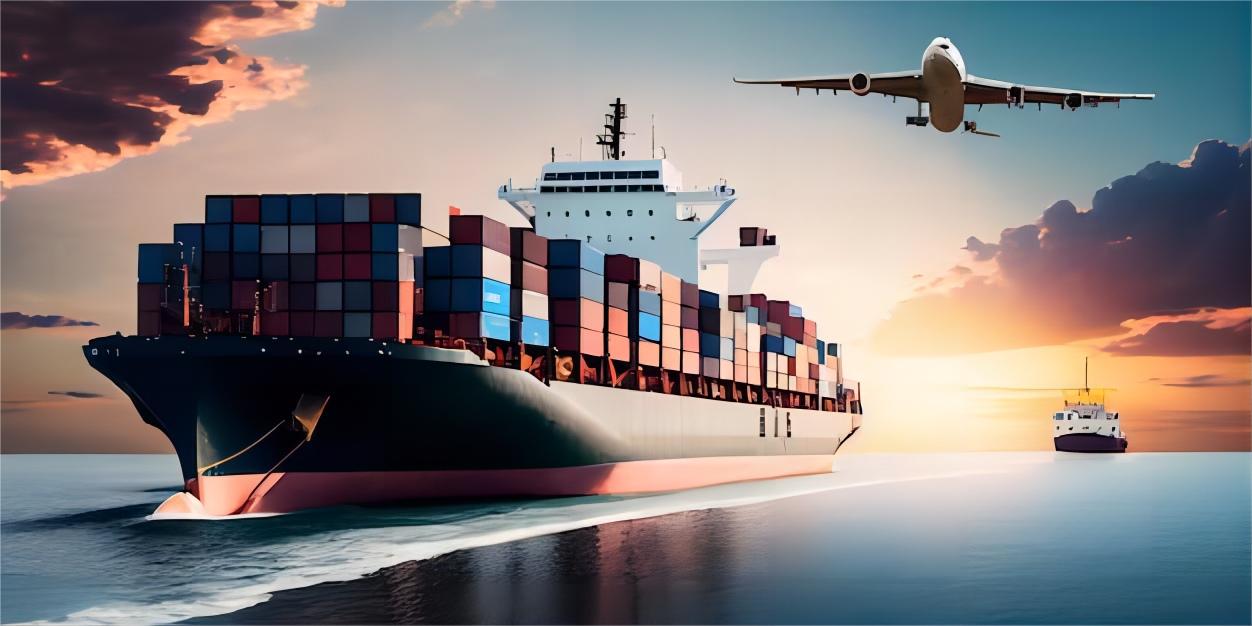
40GP FCL detention prevention for medical equipment from China to Sweden
Shipping sensitive healthcare technology requires meticulous planning to avoid expensive port penalties. Professional logistics management through Top China Freight provides the necessary oversight for complex international routes. Implementing 40GP FCL detention prevention for medical equipment from China to Sweden is the most effective way to protect your profit margins and ensure timely delivery of life-saving devices. This guide explores the strategic steps needed to navigate Swedish customs and container management efficiently.
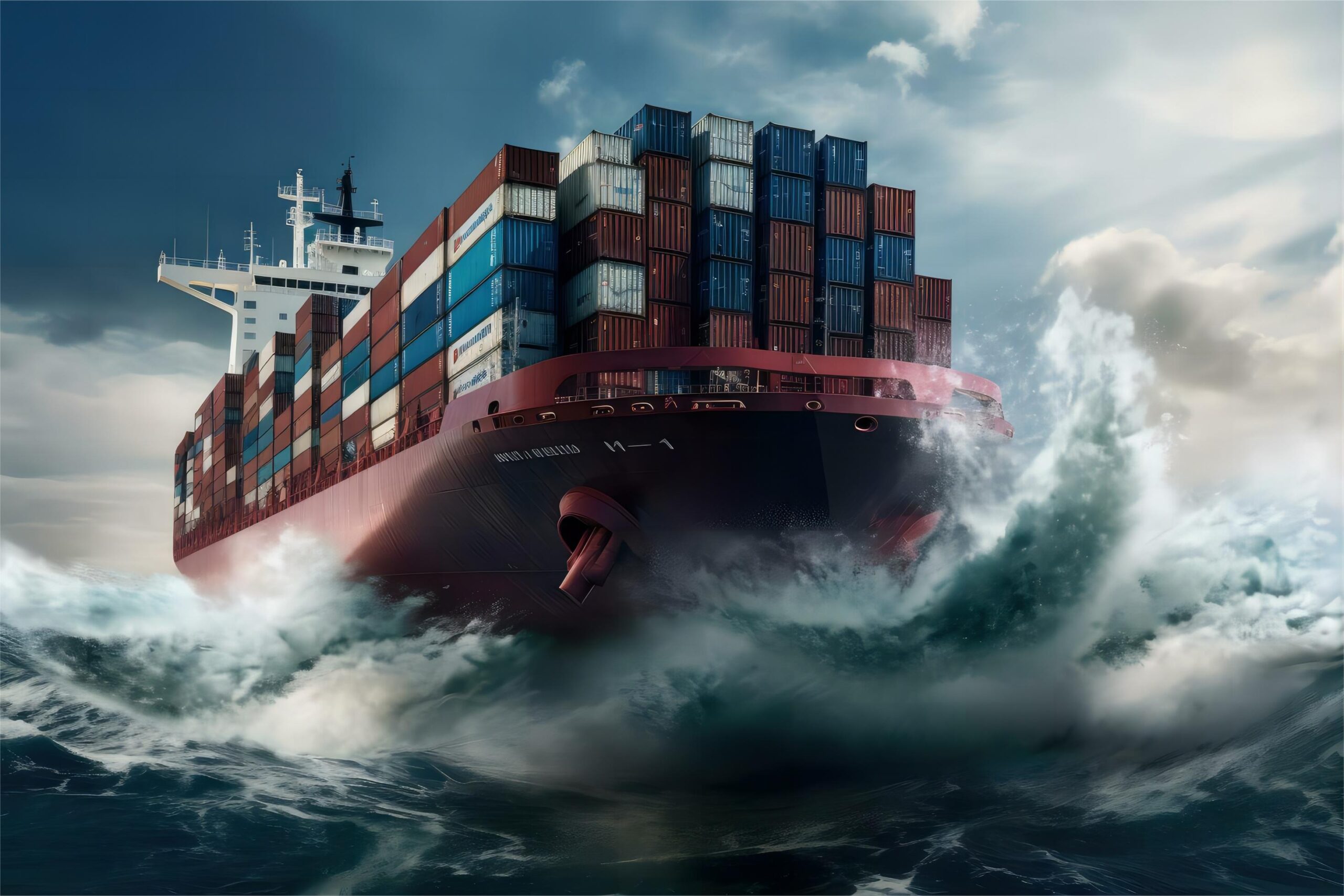
Understanding 40GP FCL Detention for Medical Equipment
Detention refers to the charges applied when a shipper keeps a container outside the port area longer than the agreed free time. Consequently, these fees can accumulate rapidly, especially when dealing with the complex documentation required for medical devices. Therefore, understanding the specific terms of your carrier contract is the first step in cost control.
Medical equipment often requires specialized handling and inspection upon arrival in Sweden. Furthermore, any delay in transporting the container back to the depot results in daily penalties. Shippers must distinguish between demurrage, which occurs inside the port, and detention, which happens once the container leaves the terminal gates.
Managing a 40GP container involves coordinating multiple parties including the ocean carrier, the drayage firm, and the final warehouse. In contrast to smaller shipments, a full container load requires significant space and planning for unloading. Accordingly, proactive communication is vital to ensure the container is returned before the free-time window expires.
Why Medical Shipments from China to Sweden Face Delays
Sweden maintains strict regulations through the Medical Products Agency to ensure all imported devices meet European Union standards. For instance, missing CE marking or incomplete technical files can lead to immediate customs holds. As a result, containers sit idle while paperwork is corrected, leading to high detention costs.
The transit time for sea freight from China to Gothenburg or Stockholm typically spans 35 to 45 days. During this long voyage, regulatory changes or administrative errors can surface. Moreover, the high value of medical cargo often triggers more frequent manual inspections by Swedish customs authorities.
Congestion at major Swedish ports can also hinder the timely return of empty equipment. Nevertheless, most detention issues stem from poor coordination at the destination. Without a clear plan for offloading and returning the 40GP unit, the importer remains vulnerable to carrier surcharges.
How Does Sea Freight Compare to Other Shipping Options?
While sea freight is the most common method for large medical shipments, it is not the only choice for the China-Sweden route. Each mode of transport offers different benefits regarding speed, cost, and risk of detention. Indeed, evaluating these alternatives is a core part of 40GP FCL detention prevention for medical equipment from China to Sweden.
Air freight provides the fastest delivery but at a significantly higher price point. On the other hand, rail freight offers a middle ground with faster transit than sea and lower costs than air. However, rail shipments also face potential delays at border crossings in Central Europe.
Choosing the right method depends on your specific budget and the urgency of the medical supplies. For high-volume, non-urgent consumables, the 40GP sea container remains the most economical choice. Conversely, for high-value diagnostic equipment, the speed of air or rail might justify the additional expense.
| Shipping Method | Cost Range (40GP) | Transit Time | Best For |
|---|---|---|---|
| Sea Freight | $2,800 – $3,800 | 35-45 Days | High volume, low urgency |
| Rail Freight | $5,500 – $7,500 | 18-22 Days | Mid-range budget and speed |
| Air Freight | $15,000+ | 5-8 Days | Urgent medical supplies |
| Sea-Air Hybrid | $8,000 – $10,000 | 20-25 Days | Balancing cost and speed |

Which Option Should You Choose?
If your primary goal is budget optimization, sea freight is the clear winner for large medical consignments. However, you must account for the potential for detention fees in your total landed cost calculation. In contrast, if you face a strict deadline for a hospital installation, air freight is the safer bet.
Volume thresholds play a critical role in this decision-making process. For shipments exceeding 15 cubic meters, a 40GP container usually offers the best value per unit. Additionally, consider the sensitivity of the equipment; high-precision tools might benefit from the smoother handling found in air transport.
We recommend a hybrid approach for diversified medical inventories. For example, ship essential parts via air and the bulk of the shipment via sea. This strategy ensures the project starts on time while keeping the majority of shipping costs low.
Essential Documentation for Swedish Customs Clearance
Preventing detention starts with perfect paperwork before the ship even leaves China. You must ensure that the Bill of Lading, Commercial Invoice, and Packing List are perfectly aligned. Furthermore, specific medical certifications like the EU Declaration of Conformity must be readily available for customs brokerage teams.
Swedish authorities require detailed descriptions of the medical goods, including their intended use and classification. Consequently, vague descriptions can lead to requests for additional information, stalling the clearance process. To avoid this, provide the HS codes and technical specifications to your agent well in advance.
Importing into Europe involves adhering to the Medical Device Regulation (MDR). This regulation is particularly strict regarding labeling and language requirements. Therefore, verify that all packaging meets Swedish standards before the container is sealed in China.
Practical Strategies to Avoid Detention Fees
One of the most effective strategies is to negotiate extended free time with the carrier at the point of booking. Instead of the standard 7 days, aim for 14 or 21 days of combined demurrage and detention. This extra buffer is crucial when dealing with the unpredictable nature of medical equipment inspections.
Another vital step is to utilize door to door services that include integrated trucking. By using a single provider for the ocean leg and the final delivery, you ensure better synchronization. Consequently, the trucker is pre-scheduled to pick up the container as soon as it is cleared.
Pre-clearance is a powerful tool for reducing time spent at the terminal. By submitting documentation to Swedish customs while the vessel is still at sea, you can often secure a release before arrival. As a result, the container can move directly from the ship to the warehouse without delay.
Real Case Study: Shanghai to Gothenburg
Case Study 1: Preventing Delays for MRI Components. In this scenario, a Swedish hospital required urgent delivery of imaging components from Shanghai. The shipment consisted of a 40GP container weighing 12,000 kg. By utilizing pre-clearance, the importer avoided a potential 5-day customs hold.
The total ocean freight cost was $3,200, with origin charges of $450. Because the documentation was prepared 10 days before arrival, the container was cleared in 24 hours. The total transit time was 38 days, and the container was returned to the depot 3 days before the free-time limit.
Key Insight: Early document verification and hiring a local Swedish agent for immediate drayage saved the client approximately $1,200 in potential detention fees. Based on late 2024 market rates, this proactive approach remains the gold standard for medical logistics.
Real Case Study: Shenzhen to Stockholm
Case Study 2: PPE Bulk Shipment Management. A distributor imported a 40GP container of surgical masks and gowns from Shenzhen to Stockholm via transshipment in Hamburg. The cargo volume was 65 CBM with a total landed cost of $5,100. Despite a 3-day delay in Hamburg, the shipment remained on track.
The carrier provided 14 days of free time as part of a negotiated volume agreement. Consequently, even when the warehouse in Stockholm faced a temporary labor shortage, the container was offloaded within the free window. Total door-to-door transit time was 44 days.
Key Insight: Negotiating extended free time during the booking phase is essential for high-volume medical consumables. Market data from early 2025 suggests that carriers are often willing to grant these extensions for consistent shipping routes.
Cost-Saving Strategies for Sweden-Bound Cargo
Consolidating multiple smaller orders into a single 40GP FCL is often more cost-effective than multiple LCL shipments. However, this requires careful coordination of the production schedules of different Chinese suppliers. Additionally, using a warehouse near the port of Gothenburg can reduce the inland haulage costs significantly.
Monitoring fuel surcharges and seasonal fluctuations is also necessary for budget management. Rates typically peak during the Q3 and Q4 months due to increased demand. Therefore, if the medical equipment is not time-sensitive, scheduling shipments during the spring can lead to 15-20% savings.
Note: Freight rates are subject to change based on fuel costs, carrier capacity, and seasonal demand. Contact us for a current quote tailored to your specific shipment.
Mastering Medical Logistics to Sweden
Successfully managing 40GP FCL detention prevention for medical equipment from China to Sweden requires a blend of proactive planning and regulatory expertise. By focusing on accurate documentation, negotiating free time, and choosing the right transport mode, importers can significantly reduce their logistics overhead.
Sweden remains a sophisticated market with high standards, but with the right freight forwarding partner, the complexities of the route become manageable. Prioritizing communication and early preparation will always be the most effective strategy for avoiding detention fees and ensuring a smooth delivery process.

Ready to streamline your logistics?
Protect your medical supply chain from unnecessary costs and delays. Our experts specialize in 40GP FCL detention prevention for medical equipment from China to Sweden. Contact Top China Freight today for a customized shipping quote and professional guidance on navigating international logistics regulations. Let us help you ensure your life-saving equipment reaches its destination on time and within budget.
Request Quote