

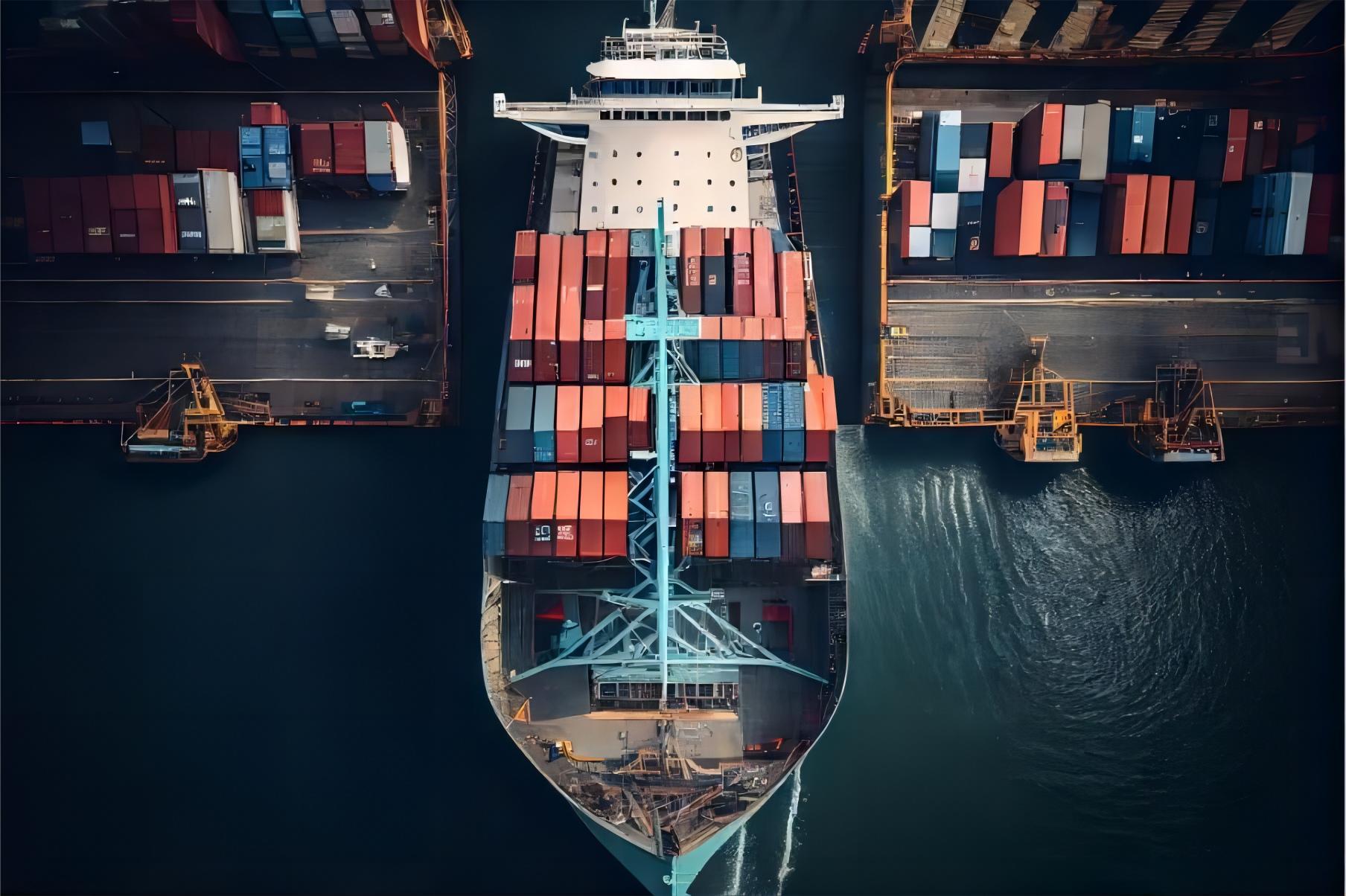
Reefer FCL demurrage prevention for auto parts from China to Florida
Shipping high-value automotive components requires extreme precision, especially when dealing with temperature-sensitive goods that demand specialized refrigeration. Managing Top China Freight logistics effectively ensures that your Reefer FCL demurrage prevention for auto parts from China to Florida strategy remains robust and cost-effective. Consequently, importers must understand the nuances of port operations and carrier policies to avoid expensive daily penalties that can quickly erode profit margins. This guide provides actionable insights into navigating the complex corridor from Chinese manufacturing hubs to the busy ports of the Sunshine State.

Why Reefer FCL Demurrage Prevention for Auto Parts from China to Florida Matters
Furthermore, the automotive industry relies on just-in-time delivery schedules to maintain production efficiency across North American assembly lines. If a refrigerated container sits at the Port of Miami for too long, the financial impact extends far beyond mere storage fees. Moreover, temperature-controlled cargo like specialized auto sensors, high-end upholstery, or precision rubber gaskets can suffer if power source transitions fail during extended port delays. Therefore, implementing proactive measures for Reefer FCL demurrage prevention for auto parts from China to Florida is a financial necessity for modern importers.
Additionally, reefer containers incur much higher daily demurrage rates compared to standard dry containers because of the additional electricity and monitoring requirements. While a standard 40HQ container might incur 150 dollars per day, a reefer unit can easily double that cost once the free time expires. Indeed, the combination of terminal space shortages and technical maintenance fees makes refrigerated storage one of the most expensive aspects of international logistics. Consequently, every day saved during the transition from vessel to warehouse contributes directly to the competitiveness of your automotive supply chain.
Notably, the Florida climate adds another layer of urgency to the process due to high humidity and ambient temperatures that stress refrigeration units. If a container is held up in customs for an intensive exam, the risk of technical failure increases the longer the unit remains in a temporary holding area. Accordingly, sophisticated shippers prioritize rapid evacuation from the terminal to an off-site cold storage facility or the final destination. This strategy not only avoids demurrage but also ensures the physical integrity of sensitive automotive electronics and components.
Understanding Demurrage versus Detention in Reefer Shipping
Specifically, many shippers confuse demurrage with detention, yet they represent distinct costs in the global logistics chain. Demurrage refers to the fee charged by the terminal operator for keeping the container on-site past the allotted free time provided by the carrier. On the other hand, detention applies when the container stays outside the port longer than the agreed return period. Using a reliable sea freight partner can help you negotiate better free-time terms upfront to mitigate these risks.
Meanwhile, carriers typically offer between two to five days of free time for refrigerated units, which is significantly less than the seven to ten days often granted to dry cargo. Because reefer equipment is expensive and in high demand, shipping lines are eager to get the containers back into circulation as quickly as possible. Therefore, any delay in the drayage process or at the receiving warehouse can trigger detention charges that accumulate simultaneously with demurrage if the equipment is not returned to the empty depot. Understanding these timelines is the first step toward effective Reefer FCL demurrage prevention for auto parts from China to Florida.
Nevertheless, some carriers allow for ‘combined free time’ which merges both demurrage and detention into a single window of time. This flexibility can be a lifesaver when dealing with congested Florida ports like Jacksonville or Port Everglades. However, such terms must be negotiated at the time of booking in China rather than after the vessel has already departed. Shippers should always request a clear breakdown of the tariff rates that will apply once the free period concludes to avoid unpleasant surprises on the final invoice.
How Does Reefer FCL Compare to Other Shipping Options?
Comparing various transport modes helps businesses determine the most cost-effective route for their specific cargo requirements and delivery schedules. While reefer containers offer superior protection for sensitive components, they come with higher operational costs and stricter handling protocols compared to standard dry vans. Nevertheless, for high-value auto parts, the risk of heat-induced degradation in a standard container during a 35-day transit often outweighs the additional freight costs.
Moreover, air freight provides a much faster alternative but at a significantly higher price point that is often prohibitive for bulk automotive orders. For instance, shipping a ton of parts via air might cost five times more than the equivalent sea freight sea-level transport. Consequently, Reefer FCL remains the gold standard for balancing volume, protection, and cost for the China to Florida trade lane. Below is a detailed comparison of the primary shipping methods available for this route.
| Shipping Method | Cost Range (USD) | Transit Time | Best For |
|---|---|---|---|
| Reefer FCL (40HQ) | 5,500 – 8,200 | 30 – 38 Days | Sensitive Auto Parts |
| Standard FCL (40GP) | 3,800 – 5,500 | 30 – 35 Days | Durable Components |
| Air Freight (1000kg) | 4,500 – 7,000 | 5 – 8 Days | Urgent Prototypes |
| LCL Shipping | 150 – 280 / CBM | 35 – 42 Days | Small Batch Orders |

Which Option Should You Choose? Decision Framework
Budget priority: If your primary goal is cost reduction and your parts are not heat-sensitive, standard FCL is the logical choice. However, for rubber seals, lubricants, or advanced sensors, the reefer option is mandatory to prevent cargo loss.
Speed priority: When production lines are at risk of shutting down, air freight is the only viable solution despite the cost. For regular replenishment, sea freight with a robust Reefer FCL demurrage prevention for auto parts from China to Florida plan is the most sustainable model.
Volume thresholds: For shipments under 15 cubic meters, consider LCL, but be aware that reefer LCL is rare and often requires specialized consolidation services that may increase transit times.
Essential Documentation for Florida Customs Clearance
Specifically, pre-clearing your cargo through a qualified customs brokerage is the most effective way to avoid port delays. Most demurrage issues occur because of missing paperwork, incorrect HTS codes, or late filings of the Importer Security Filing (ISF). Accordingly, you should submit all commercial invoices, packing lists, and certificates of origin to your broker at least a week before the vessel arrives in Florida waters.
Furthermore, the automotive sector is subject to specific EPA and DOT regulations that require additional documentation for certain components. If your shipment includes engines or emission-related parts, failing to provide the necessary compliance forms will result in a mandatory customs hold. In addition, the ‘Reefer FCL demurrage prevention for auto parts from China to Florida’ strategy must include a backup plan for intensive examinations, which are more common for refrigerated cargo due to agricultural smuggling risks.
As a result, maintaining a digital archive of all past shipments and compliance documents allows for faster responses to Customs and Border Protection (CBP) inquiries. Many modern importers use cloud-based logistics platforms to share real-time data with their freight forwarders and brokers. This transparency ensures that everyone in the supply chain is aware of the container’s status and can act immediately if a ‘hold’ is placed on the cargo.
Key Strategies for Reefer FCL Demurrage Prevention for Auto Parts from China to Florida
Primarily, choosing the right port of entry in Florida can significantly impact your ability to avoid extra fees. While the Port of Miami is a major hub, it often faces higher congestion levels than Port Everglades or the Port of Jacksonville. Therefore, analyzing current port performance data before booking your shipment can help you select a less crowded gateway for your refrigerated auto parts.
Moreover, establishing a relationship with a dedicated drayage company that specializes in reefer transport is crucial. These carriers have the necessary ‘gen-sets’ (portable generators) to keep your container powered during the trip from the port to your warehouse. Without a gen-set, you cannot pull a reefer container for long distances in the Florida heat, which can lead to delays if the drayage company has a shortage of equipment. This is a critical component of Reefer FCL demurrage prevention for auto parts from China to Florida.
Additionally, you should always negotiate for extended free time at the point of origin in China. Large volume shippers can often secure up to 14 days of combined free time, providing a significant buffer against unforeseen port congestion or warehouse labor shortages. Even if you have to pay a slightly higher ocean freight rate to get better terms, the insurance against 300-dollar-per-day demurrage fees is usually worth the investment.
Navigating the Logistics from China to North America
Shipping goods to North America involves complex maritime routes and multiple carrier handoffs. Carriers like COSCO, MSC, and Maersk offer direct services from Shanghai or Ningbo to Florida ports via the Panama Canal. Consequently, booking your space three to four weeks in advance is highly recommended to secure competitive freight rates and ensure equipment availability, especially for specialized refrigerated units.
Indeed, the transit time from China to Florida typically ranges from 30 to 40 days depending on the number of port calls along the US East Coast. During this period, tracking your shipment via GPS-enabled reefer containers provides peace of mind and allows for early intervention if temperature fluctuations occur. Furthermore, many carriers now offer ‘VIP’ discharge services that prioritize reefer containers for offloading, which is a powerful tool for Reefer FCL demurrage prevention for auto parts from China to Florida.
Note: Freight rates are subject to change based on fuel costs, carrier capacity, and seasonal demand. Contact us for a current quote tailored to your specific shipment. Market data suggests that rates for Q1 2025 have stabilized, but peak season surcharges typically begin in late summer as retailers prepare for the holiday rush.

Real-World Case Studies in Reefer Logistics
Case Study 1: Efficient Radiator Importation
+———————————————————+
| Route: Shenzhen, China to Miami, Florida
| Cargo: Aluminum Auto Radiators, 65 CBM, 12,000 kg
| Container: 40HQ Reefer
|
| Shipping Details:
| – Carrier: Major Global Carrier
| – Port of Loading: Shenzhen
| – Port of Discharge: Miami
| – Route Type: Direct via Panama Canal
|
| Cost Breakdown:
| – Ocean Freight: $6,200
| – Origin Charges: $450
| – Destination Charges: $800
| – Customs and Duties: $1,200
| – Total Landed Cost: $8,650
|
| Timeline:
| – Booking to Loading: 5 days
| – Sea Transit: 34 days
| – Customs Clearance: 1 day
| – Total Door-to-Door: 42 days
|
| Key Insight: Pre-clearing customs 3 days before arrival
| prevented $900 in potential demurrage charges.
+———————————————————+
Case Study 2: Precision Bearing Cold Chain
+———————————————————+
| Route: Ningbo, China to Port Everglades, Florida
| Cargo: Precision Bearings, 28 CBM, 8,500 kg
| Container: 20GP Reefer
|
| Shipping Details:
| – Carrier: Premium Tech Carrier
| – Port of Loading: Ningbo
| – Port of Discharge: Port Everglades
| – Route Type: Transshipment via Savannah
|
| Cost Breakdown:
| – Ocean Freight: $4,800
| – Origin Charges: $380
| – Destination Charges: $720
| – Customs and Duties: $950
| – Total Landed Cost: $6,850
|
| Timeline:
| – Booking to Loading: 7 days
| – Sea Transit: 38 days
| – Customs Clearance: 2 days
| – Total Door-to-Door: 49 days
|
| Key Insight: Utilizing a door to door service ensured
| that a gen-set was ready immediately upon discharge.
+———————————————————+
Alternative Strategies for Cost-Saving and Efficiency
Instead of relying solely on direct reefer shipping, some importers utilize a hybrid sea-air approach for high-priority auto parts. This involves shipping goods via sea to a West Coast hub like Los Angeles and then flying them to Florida. While more complex, this can save 10 to 15 days of transit time when the Panama Canal faces drought-related transit restrictions. Consequently, it serves as an effective fallback for Reefer FCL demurrage prevention for auto parts from China to Florida during peak disruption periods.
Similarly, for smaller volumes, using a door to door service can often be more economical because the provider consolidates the drayage and customs fees. This reduces the number of individual parties involved, minimizing the communication gaps that lead to containers sitting idle at the port. For instance, a single point of contact can coordinate the pick-up in Ningbo and the final delivery in Orlando, ensuring the container never exceeds its free-time limit.
Finally, consider the use of ‘Free Trade Zones’ (FTZ) in Florida if your parts are intended for re-export or long-term storage. Moving a reefer container into an FTZ allows you to defer duties and potentially avoid standard port demurrage if the FTZ facility is located outside the main terminal area. This advanced strategy requires a specialized customs brokerage partner but offers significant cash flow benefits for large-scale automotive distributors.
Mastering Florida Logistics for Automotive Success
Ultimately, achieving consistent Reefer FCL demurrage prevention for auto parts from China to Florida requires a combination of early planning, accurate documentation, and expert partnerships. By focusing on the nuances of refrigerated cargo handling and choosing the right entry points, you can protect your bottom line from predatory port fees. Transitioning to a proactive logistics model ensures that your temperature-sensitive components arrive in perfect condition and on schedule.
Regardless of market fluctuations, the core principles of efficient shipping remain the same: prepare early, communicate clearly, and monitor everything. As the automotive industry continues to evolve, staying ahead of logistics trends will be the key differentiator for successful importers in the Sunshine State. Trusting your cargo to experienced professionals allows you to focus on your core business while we handle the complexities of the global cold chain.
Ready to streamline your logistics?
Are you ready to optimize your automotive supply chain and eliminate unnecessary port fees? Our team at Top China Freight specializes in Reefer FCL demurrage prevention for auto parts from China to Florida to keep your business moving efficiently. Contact us today for a customized quote and expert logistics consultation. Send Inquiry to start your journey toward hassle-free shipping.
Request Quote