


Finding Reefer FCL Space Availability for Furniture from China to Belgium
Finding reliable Reefer FCL space availability for furniture from China to Belgium has become a critical priority for importers seeking to protect high-end wood products from humidity. At Top China Freight, we understand that securing container space in a volatile market requires both foresight and deep industry connections. This guide explores how you can navigate the current logistics landscape to ensure your furniture arrives in Antwerp or Zeebrugge in pristine condition.
Why Reefer FCL Space Availability for Furniture from China to Belgium is Crucial
Shipping furniture involves more than just moving boxes from one continent to another. Specifically, temperature-controlled shipping and refrigerated container logistics play a vital role in preserving the structural integrity of luxury wood items. High humidity levels during the long sea voyage can cause warping, mold growth, or joint failure in expensive furniture sets.
Consequently, many high-end brands now prioritize Reefer FCL space availability for furniture from China to Belgium over standard dry containers. While standard containers are susceptible to internal sweating due to temperature fluctuations, reefer units maintain a stable environment. This specialized cargo handling ensures that delicate finishes and sensitive materials remain unaffected by the harsh maritime climate.
Moreover, the demand for these units often spikes during peak seasons, making early booking essential. Importers must monitor container space availability closely to avoid delays that could disrupt their supply chain. Understanding the nuances of cold chain furniture transport allows businesses to maintain a competitive edge in the Belgian market.

Current Market Trends for Shipping Furniture to Europe
As of early 2025, freight rates from China to Europe have stabilized after the significant disruptions seen in previous years. Nevertheless, seasonal patterns still dictate much of the pricing and availability we see today. For instance, rates typically increase 15-25 percent during the August-October peak season as retailers stock up for the winter holidays.
Market data suggests that while vessel capacity has increased, the specific availability of refrigerated units remains tighter than standard dry equipment. Therefore, shippers should consider the use of Non-Operating Reefers (NOR) as a strategic alternative when dry space is limited. These units offer the same protective shell at a lower cost when the cooling mechanism is not powered.
Additionally, logistics trends indicate a shift toward more sustainable shipping practices. Many carriers are introducing eco-friendly vessels on the Asia-Europe lane, which may impact delivery schedules slightly but offers better long-term reliability. Staying informed about these ocean freight trends China to Europe helps importers make better procurement decisions.
How Reefer FCL Compare to Other Shipping Options?
Choosing the right shipping method requires a careful balance between cost, speed, and cargo safety. While sea freight remains the most popular choice for furniture, other modes offer distinct advantages depending on the shipment volume. For example, smaller shipments might benefit from LCL, though this lacks the environmental control of a dedicated reefer container.
In contrast, air freight provides the fastest transit time but comes at a significantly higher price point. This method is usually reserved for high-value prototypes or urgent replacements rather than bulk furniture stock. Below is a detailed comparison of the primary shipping methods available for the China-Belgium route.
| Shipping Method | Cost Range | Transit Time | Best For | Limitations |
|---|---|---|---|---|
| Reefer FCL | $3,500 – $5,500 | 30-40 Days | High-end wood furniture | Higher cost than dry FCL |
| Standard FCL | $2,800 – $4,200 | 30-40 Days | Bulk furniture stock | No humidity control |
| Rail Freight | $4,500 – $6,500 | 18-22 Days | Medium-high value goods | Limited reefer options |
| Air Freight | $15,000+ | 5-7 Days | Urgent prototypes | Extremely expensive |
Transit Times and Route Options from China to Belgium
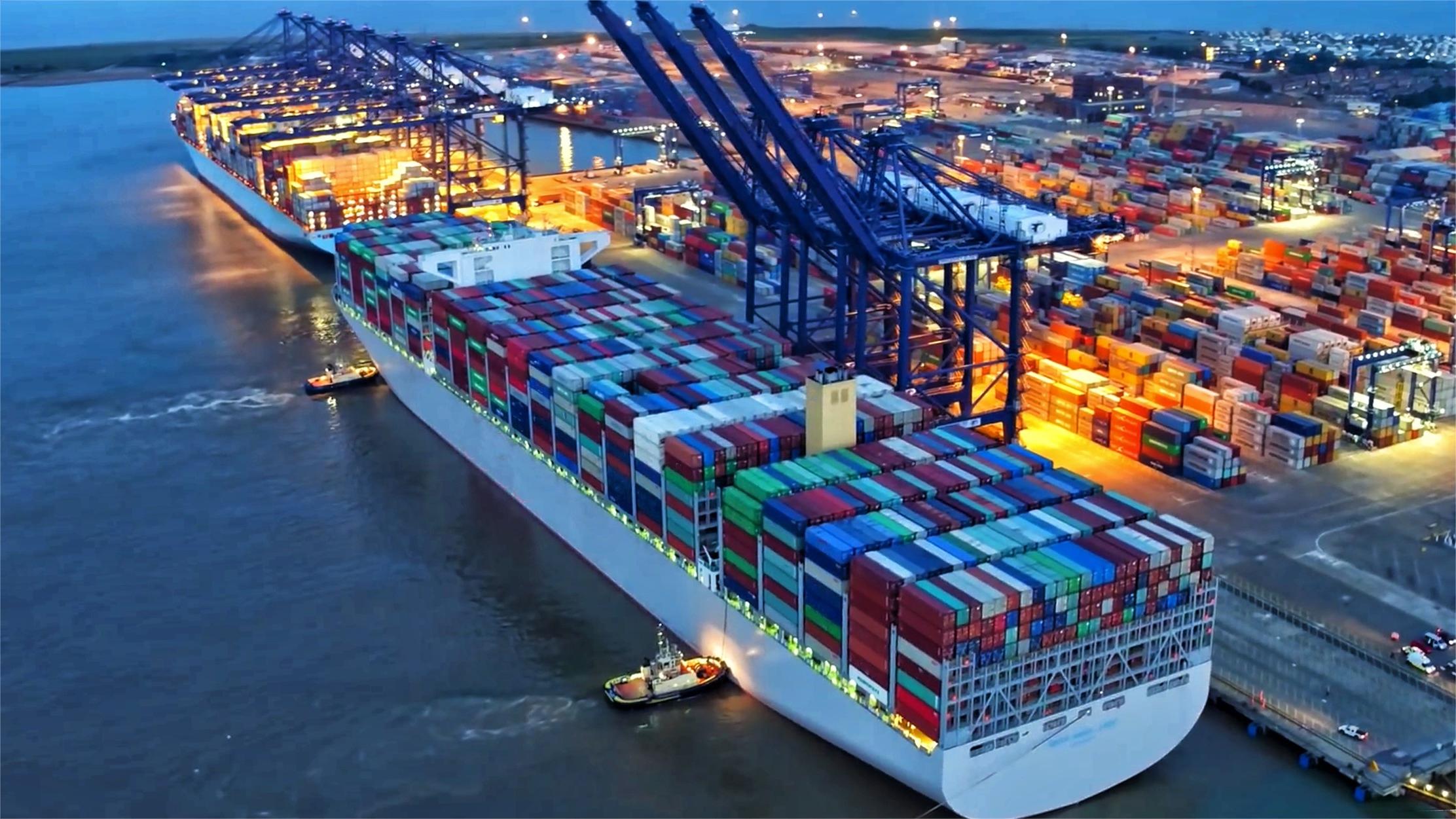
The journey from major Chinese ports like Shanghai, Ningbo, or Shenzhen to Antwerp typically takes between 30 and 45 days. Several factors influence this timeline, including port congestion, weather conditions, and the specific carrier’s route. For those needing a faster alternative, rail freight via the New Silk Road can cut the transit time nearly in half.
Direct routes are generally more expensive but save roughly 5-7 days compared to transshipment via hubs like Singapore or Port Klang. Furthermore, choosing the right port of discharge in Belgium is vital. While Antwerp is the primary hub, Zeebrugge offers excellent facilities for specialized cargo and may have better immediate space availability.
Industry average for this route suggests that booking at least 3-4 weeks in advance is necessary to secure preferred departure dates. Without a doubt, working with an experienced freight forwarder can help you navigate these scheduling complexities. They can provide real-time updates on Reefer FCL space availability for furniture from China to Belgium.
Case Studies: Successful Furniture Shipments
Case Study 1: High-End Mahogany Furniture
Route: Ningbo, China to Antwerp, Belgium. Cargo: Luxury mahogany dining sets, 65 CBM. Container: 40HQ Reefer. Shipping Details: Direct service via major carrier. Port of Loading: Ningbo. Port of Discharge: Antwerp. Ocean Freight: $4,850. Origin Charges: $450. Destination Charges: $600. Customs and Duties: $1,200. Total Landed Cost: $7,100. Timeline: 38 days door-to-door. Key Insight: The use of a reefer container prevented moisture damage during a particularly humid monsoon departure.
Case Study 2: Bulk Office Furniture Expansion
Route: Shenzhen, China to Zeebrugge, Belgium. Cargo: Ergonomic office chairs and desks, 120 CBM. Container: 2 x 40HQ Standard FCL. Shipping Details: Transshipment via Singapore. Port of Loading: Shenzhen. Port of Discharge: Zeebrugge. Ocean Freight: $7,200 (total). Origin Charges: $900. Destination Charges: $1,100. Total Landed Cost: $9,200. Timeline: 44 days. Key Insight: Choosing Zeebrugge avoided the congestion at Antwerp, saving three days in local drayage.

Which Option Should You Choose?
Determining the best logistics strategy depends heavily on your specific business needs and budget constraints. If your priority is cost-effectiveness for mass-market items, standard sea freight is the logical choice. However, if you are moving sensitive materials, the investment in Reefer FCL space availability for furniture from China to Belgium is well worth the extra expense.
For companies requiring a balance of speed and cost, door to door services often provide the most seamless experience. This approach integrates all stages of the journey into a single contract, reducing the administrative burden on your team. We recommend evaluating your volume thresholds before committing to a specific method.
Budget priority: Choose Standard FCL or LCL. Speed priority: Choose Rail or Air Freight. Cargo safety priority: Choose Reefer FCL. Note: Freight rates are subject to change based on fuel costs, carrier capacity, and seasonal demand. Contact us for a current quote tailored to your specific shipment.
Customs Clearance and Compliance in Belgium
Navigating the Belgian customs landscape requires precision and a thorough understanding of EU import regulations. Importers must ensure all documentation, including the Bill of Lading, Commercial Invoice, and Packing List, is perfectly accurate. Failure to comply with furniture import taxes Belgium regulations can lead to costly delays and storage fees at the port.
Utilizing a professional customs brokerage service is highly recommended for first-time importers. These experts manage the EORI registration process and ensure that your furniture meets all safety and environmental standards. Additionally, they can advise on potential duty drawbacks or preferential tariff treatments that may apply to your cargo.
Indeed, proper classification of goods under the Harmonized System (HS) codes is essential for calculating correct tax amounts. Because Belgian customs are known for their efficiency, having your paperwork in order often results in clearance within 24-48 hours. This quick turnaround is vital for maintaining a consistent delivery schedule for your customers.
Summary of Furniture Shipping Strategies
To summarize, successfully managing Reefer FCL space availability for furniture from China to Belgium involves understanding market cycles, choosing the right equipment, and partnering with experienced logistics providers. While the costs are higher than standard shipping, the protection offered to premium wood products is invaluable for brand reputation.
By considering alternatives like rail freight or NOR containers, importers can maintain flexibility even during peak seasons. Always prioritize thorough documentation and customs compliance to ensure a smooth transition through Belgian ports. With the right strategy, your furniture import business can thrive despite the complexities of global supply chains.
Ready to streamline your logistics?
Securing Reefer FCL space availability for furniture from China to Belgium requires expert planning and a reliable partner. Contact Top China Freight today to receive a customized quote and ensure your high-value cargo is protected throughout its journey. Visit our website to learn more about our specialized furniture logistics solutions.
Request Quote