

40HQ FCL shipping cost for machinery from China to Los Angeles: 2025 Guide
Navigating the complexities of international logistics requires a clear understanding of current market rates and procedures. Many importers struggle to find an accurate 40HQ FCL shipping cost for machinery from China to Los Angeles due to fluctuating fuel prices and port demand. At Top China Freight, we specialize in providing transparent pricing and reliable logistics solutions for heavy equipment. This guide explores the essential factors that influence your total landed cost while offering strategies to optimize your transpacific supply chain.
What Factors Determine 40HQ FCL Shipping Cost for Machinery from China to Los Angeles?
Several variables contribute to the final price you pay for ocean transport. Primarily, the base ocean freight rate fluctuates based on carrier capacity and global trade demand. Furthermore, machinery often requires specialized cargo handling due to its weight and dimensions. You must also account for origin charges in China, including trucking, terminal handling, and export documentation.
Choosing sea freight remains the most economical choice for transporting large industrial equipment. However, the specific port of loading in China significantly impacts the total cost. For instance, shipping from Shenzhen might offer different rates compared to Shanghai or Ningbo due to local port fees. Additionally, seasonal peaks like the period before Lunar New Year often lead to temporary price surges.
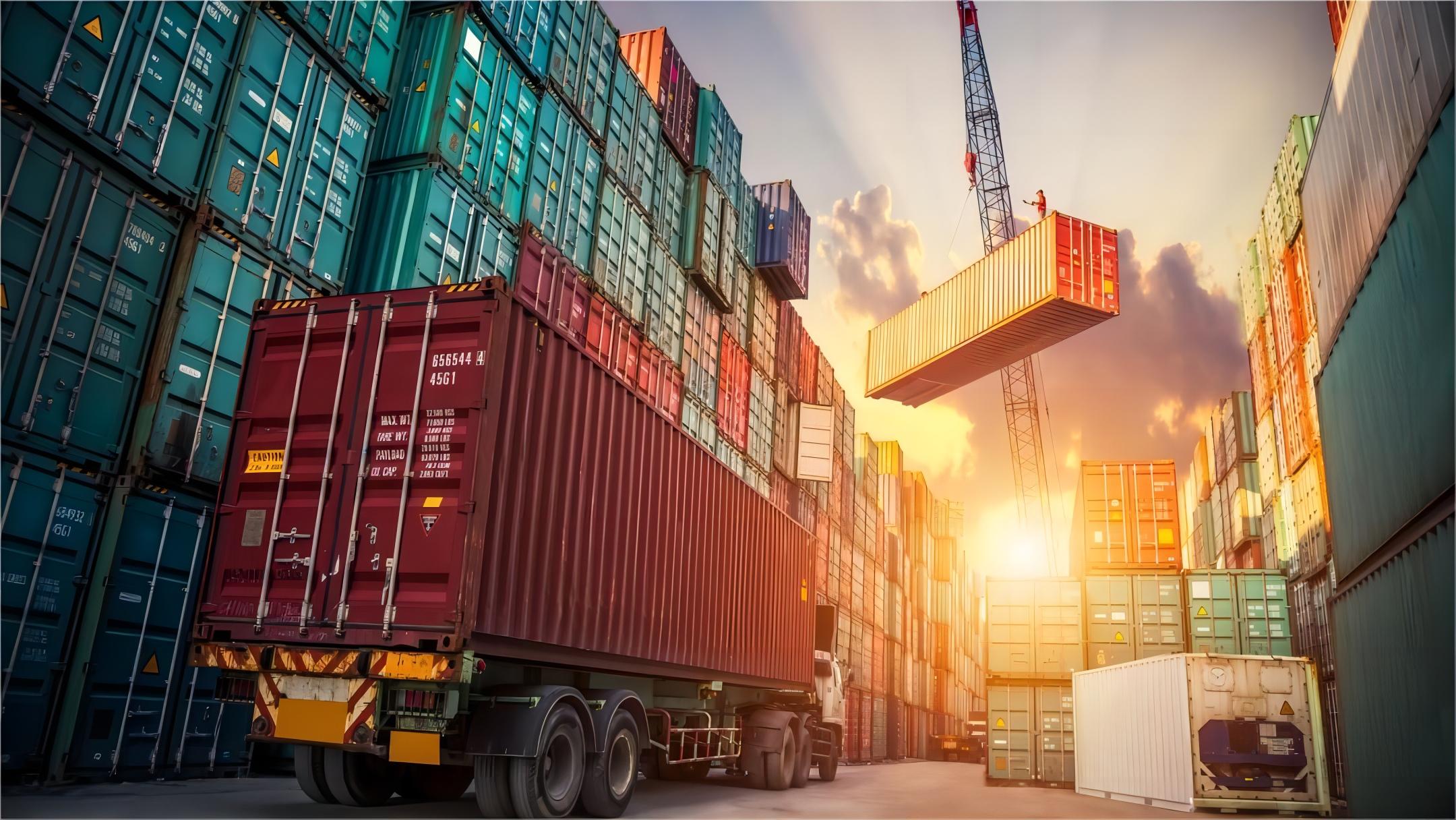
Machinery shipments frequently involve extra costs for securing and bracing the cargo inside the container. Because industrial tools are heavy, carriers may apply weight surcharges if the limit for a 40HQ container is exceeded. Consequently, you should always provide precise weight specifications to your freight forwarder to avoid unexpected penalties at the terminal.
Current Freight Rates for 40HQ FCL Machinery Shipments
Market data suggests that 40HQ FCL shipping cost for machinery from China to Los Angeles currently ranges between $2,800 and $3,800. These rates are based on Q1 2025 benchmarks for standard industrial equipment. Nevertheless, prices can vary based on the specific contract type and the volume of shipments you commit to annually.
Fuel surcharges, often referred to as BAF, represent a significant portion of the total ocean freight. These charges are adjusted monthly or quarterly depending on global oil prices. Therefore, the quote you receive today might differ slightly from the rate available next month. It is advisable to lock in rates early during periods of high market volatility.
| Origin Port | Destination Port | Cost Range (USD) | Avg. Transit Time |
|---|---|---|---|
| Shanghai | Los Angeles | $3,000 – $3,500 | 16-20 Days |
| Shenzhen | Los Angeles | $2,800 – $3,300 | 14-18 Days |
| Ningbo | Los Angeles | $3,100 – $3,600 | 17-21 Days |
| Qingdao | Los Angeles | $3,200 – $3,800 | 20-24 Days |
How Does Machinery Type Affect Your Shipping Strategy?
Not all machinery is created equal when it comes to international logistics. Delicate CNC machines require climate-controlled environments or specialized moisture protection during the long sea voyage. On the other hand, robust agricultural equipment might only need standard securing within the 40HQ container. Proper customs brokerage planning is also essential to ensure your specific machinery classification is handled correctly.
Importing machinery into the United States involves strict adherence to safety and environmental standards. For example, engines must often meet EPA requirements before they are allowed through the Port of Los Angeles. Failure to provide the correct certifications can lead to costly delays or even cargo seizure. Meanwhile, working with an experienced partner ensures that all compliance hurdles are cleared before the ship leaves China.
Transit Times and Delivery Schedules for Los Angeles Routes
Shipping to the West Coast of the United States is generally faster than shipping to the East Coast. When targeting North America, the Port of Los Angeles serves as the primary gateway for transpacific trade. Generally, a direct vessel from Shanghai to LA takes approximately 16 to 18 days once it departs the terminal.
You must also factor in the time required for pre-carriage and port processing. This includes the time it takes to pick up the empty container, load the machinery at the factory, and clear Chinese export customs. Usually, this adds another 5 to 7 days to the total timeline. Therefore, a realistic door-to-port schedule should account for roughly 25 days in total.
How Does 40HQ FCL Compare to Other Shipping Options?
While a 40HQ container is ideal for large machinery, it is not the only option available to importers. If your cargo volume is small, you might consider Less than Container Load (LCL) shipping. However, LCL often results in higher risks of damage for sensitive machinery because the cargo is handled more frequently. In contrast, FCL allows you to seal the container at the factory and keep it closed until it reaches its destination.
For urgent shipments, air freight provides a much faster alternative. Although air transport reduces transit time to just a few days, the cost is significantly higher than ocean freight. Specifically, shipping machinery by air can cost five to ten times more than using a 40HQ container. Consequently, most businesses only use air freight for critical replacement parts or small high-value equipment.
| Shipping Method | Cost Range | Transit Time | Best For |
|---|---|---|---|
| 40HQ FCL | $2,800 – $3,800 | 15-25 Days | Large machinery |
| 20GP FCL | $1,800 – $2,500 | 15-25 Days | Heavy/Small tools |
| LCL Shipping | $50 – $120/CBM | 25-35 Days | Spare parts |
| Air Freight | $5 – $12/KG | 3-7 Days | Urgent repairs |
Case Studies: Machinery Shipments to Los Angeles
Case Study 1: Industrial CNC Machines. Route: Shanghai to Los Angeles. Cargo: 2 CNC Units, 28 CBM, 12,000 kg. Container: 40HQ FCL. Shipping Details: Direct service via COSCO. Ocean Freight: $3,150. Origin Charges: $450. Destination Charges: $600. Total Landed Cost: $4,200. Timeline: 22 days door-to-port. Key Insight: Professional bracing prevented any movement during a stormy transpacific crossing.
Case Study 2: Construction Excavator Parts. Route: Ningbo to Los Angeles. Cargo: Hydraulic components, 35 CBM, 15,000 kg. Container: 40HQ FCL. Shipping Details: Transshipment via Busan. Ocean Freight: $2,950. Origin Charges: $400. Destination Charges: $550. Total Landed Cost: $3,900. Timeline: 28 days door-to-port. Key Insight: Choosing a transshipment route saved $300 but added 6 days to the schedule.
Case Study 3: Printing Press Equipment. Route: Shenzhen to Los Angeles. Cargo: Large format printer, 40 CBM, 8,000 kg. Container: 40HQ FCL. Shipping Details: Matson Express Service. Ocean Freight: $3,700. Origin Charges: $500. Destination Charges: $700. Total Landed Cost: $4,900. Timeline: 14 days door-to-port. Key Insight: Using an express carrier ensured the machine arrived in time for a major trade show.
Optimizing Your Logistics with Door to Door Services
Managing multiple vendors for trucking, shipping, and customs can be overwhelming for many businesses. Utilizing a door to door service simplifies the process by providing a single point of contact. This approach ensures that your 40HQ FCL shipping cost for machinery from China to Los Angeles includes all local delivery fees. Furthermore, it reduces the risk of communication gaps between different logistics providers.
Inland transport in the United States can be surprisingly expensive, especially for heavy machinery. When you book a comprehensive service, the freight forwarder coordinates the heavy-haul trucking from the Port of Los Angeles to your final warehouse. This coordination is vital because it avoids demurrage and detention fees that accumulate if the container sits at the port too long. Indeed, a well-managed delivery schedule is the key to maintaining a healthy supply chain.
Which Option Should You Choose for Your Machinery?
The decision between different shipping methods depends on your budget, timeline, and cargo volume. If you are shipping a full production line, the 40HQ FCL is almost always the most efficient choice. For those with a strict budget and flexible timeline, choosing a slower carrier or a transshipment route can lower the 40HQ FCL shipping cost for machinery from China to Los Angeles. Conversely, if you have a production deadline, paying a premium for an express vessel is a wise investment.
Consider the following criteria for your next shipment. Budget priority: choose standard ocean freight with a 20-25 day lead time. Speed priority: opt for express sea carriers like Matson. Volume thresholds: if your machinery occupies more than 15 CBM, FCL is generally cheaper and safer than LCL. Always request a detailed quote that breaks down all surcharges to ensure you are comparing like-for-like services.
Final Thoughts on Machinery Shipping Costs
Determining the 40HQ FCL shipping cost for machinery from China to Los Angeles involves analyzing ocean freight rates, local port fees, and compliance requirements. While market conditions fluctuate, staying informed about logistics trends allows you to make better procurement decisions. By choosing the right container type and shipping route, you can significantly reduce your overhead and improve delivery reliability.
To summarize, success in machinery importing relies on clear documentation, professional cargo handling, and proactive communication with your freight forwarder. Whether you are shipping a single unit or a complete factory setup, understanding the nuances of the transpacific route is essential. Note: Freight rates are subject to change based on fuel costs, carrier capacity, and seasonal demand. Contact us for a current quote tailored to your specific shipment.
Ready to streamline your logistics?
Ready to streamline your industrial imports? Contact us today to get a precise 40HQ FCL shipping cost for machinery from China to Los Angeles and secure your space on the next vessel. Send Inquiry
Request Quote