


40GP FCL demurrage prevention for electronics from China to USA: Expert Guide
Shipping high-value consumer technology requires a meticulous approach to logistics to ensure profitability and timely delivery. Managing your supply chain through Top China Freight allows you to implement effective 40GP FCL demurrage prevention for electronics from China to USA. Consequently, you can avoid the excessive daily charges that accumulate when containers sit idle at the port terminal. This guide provides actionable strategies to streamline your imports and protect your bottom line.

What is 40GP FCL Demurrage and Why Does It Matter?
Demurrage refers to the fees charged by shipping lines when a container remains inside the port terminal beyond the allotted free time. For electronics importers, these costs can escalate rapidly and consume the thin margins associated with consumer hardware. Understanding the distinction between demurrage and detention is the first step toward effective 40GP FCL demurrage prevention for electronics from China to USA.
Moreover, electronics are often subject to intensive customs inspections, which can prolong the time a container spends at the terminal. If you do not have a plan to move the cargo quickly, you may face hundreds of dollars in daily penalties. Therefore, proactive planning is essential for every shipment originating from major Chinese hubs like Shenzhen or Shanghai.
Additionally, the 40GP container is the standard workhorse for electronics due to its volume capacity and security features. However, its size means that any delay in drayage or local transport can lead to significant logistical bottlenecks. Shippers must prioritize speed and accuracy to maintain a fluid movement of goods from the port to the warehouse.
Key Challenges in Shipping Electronics from China to USA
Electronics often contain lithium batteries or sensitive components that require specific declarations and handling procedures. Consequently, these shipments are more likely to face scrutiny from US Customs and Border Protection. Any mismatch in documentation can lead to a hold on the container, triggering immediate demurrage risks.
Furthermore, the high value of the cargo makes it a priority for both security and insurance purposes. If the 40GP FCL demurrage prevention for electronics from China to USA strategy is not robust, the financial impact includes both the port fees and the opportunity cost of delayed inventory. Indeed, many businesses lose thousands of dollars annually simply due to poor terminal exit planning.
Meanwhile, seasonal demand fluctuations during the Q4 peak season can lead to port congestion in Los Angeles or Long Beach. During these periods, even well-documented shipments may get stuck in the terminal due to a lack of available chassis or truck drivers. Accordingly, diversifying your port options or securing extended free time is a wise move for consistent supply chain performance.
Essential Documentation for 40GP FCL Demurrage Prevention for Electronics from China to USA
Accurate paperwork is the foundation of a smooth customs clearance process and the primary tool for avoiding port delays. You should work closely with a professional customs brokerage service to ensure all filings are completed well before the vessel arrives. Specifically, the Importer Security Filing must be submitted at least 24 hours before the cargo is loaded in China.
In addition, the commercial invoice must clearly state the HTS codes for each electronic component to avoid misclassification. Errors in duty calculations can lead to lengthy audits and physical inspections of the container. To summarize, being prepared with the right documents is the most effective way to ensure your 40GP FCL demurrage prevention for electronics from China to USA remains on track.
| Document Type | Purpose | Timeline | Responsible Party |
|---|---|---|---|
| ISF (10+2) | Security screening | 24h before loading | Importer/Agent |
| Commercial Invoice | Duty valuation | Before departure | Supplier |
| Packing List | Cargo verification | Before departure | Supplier |
| Bill of Lading | Title of goods | At departure | Carrier |

How Does Sea Freight Compare to Other Shipping Options?
When planning your logistics, it is vital to compare different transport modes to determine the best fit for your budget and timeline. While sea freight is the most economical choice for large volumes of electronics, it has the longest transit time. Conversely, air freight offers rapid delivery but at a significantly higher cost per kilogram.
For smaller shipments that do not fill a 40GP container, Less than Container Load (LCL) might seem attractive, but it often involves more handling and higher risks of damage. For electronics, the security of a Full Container Load (FCL) is usually preferred. As a result, mastering 40GP FCL demurrage prevention for electronics from China to USA becomes the most important task for high-volume importers.
| Shipping Method | Cost Range | Transit Time | Best For |
|---|---|---|---|
| Sea FCL (40GP) | $2,500 – $5,500 | 18 – 35 Days | Bulk Electronics |
| Air Freight | $8,000 – $20,000 | 3 – 7 Days | Urgent Samples |
| Sea LCL | $50 – $150 / CBM | 25 – 40 Days | Small Batches |
| Express Service | $10 – $20 / kg | 2 – 5 Days | Critical Parts |
Top Strategies for Reducing Port Storage Fees
One of the most effective ways to manage 40GP FCL demurrage prevention for electronics from China to USA is to negotiate for extended free time with the carrier. Standard free time is usually 4 to 7 days, but high-volume shippers can often secure 10 to 14 days. This extra buffer is crucial if customs holds the container for a random X-ray or physical exam.
Another strategy involves the use of pre-pulling services, where a drayage provider moves the container from the terminal to an off-dock yard before the free time expires. This is particularly useful for those using Amazon FBA, where delivery appointments can sometimes be delayed. By moving the container out of the port early, you stop the demurrage clock immediately.
Furthermore, you should implement a digital tracking system to monitor the vessel’s arrival in real-time. Knowing exactly when the container is discharged allows your trucking team to schedule a pickup for the very first day of availability. Consequently, you minimize the risk of the container sitting idle during weekends or holidays when port operations might be limited.
Choosing the Right Incoterms for Electronics Shipments
The Incoterms you choose will define who is responsible for the costs and risks associated with each leg of the journey. For many electronics importers, a door to door service under DDP (Delivered Duty Paid) terms provides the most peace of mind. In this scenario, the forwarder handles everything from the factory in China to your warehouse in the USA.
However, if you prefer more control over the local drayage and customs process, shipping under FOB (Free on Board) terms might be better. This allows you to select your own US-based agents who specialize in 40GP FCL demurrage prevention for electronics from China to USA. Regardless of the term chosen, clear communication between the buyer and seller regarding document handover is mandatory.

Case Studies: Real-World Electronics Logistics Scenarios
Case Study 1: Efficient Tech Distribution. Route: Shenzhen to Los Angeles. Cargo: 40GP of high-end smartphones. Carrier: COSCO. Shipping Cost: $3,200 (Early 2025 rate). Transit Time: 16 days. Outcome: By securing 12 days of free time and using a pre-pull strategy, the importer avoided $800 in potential demurrage fees during a local trucking strike.
Case Study 2: East Coast Expansion. Route: Shanghai to Savannah. Cargo: 40GP of laptop components. Carrier: Maersk. Shipping Cost: $5,100 (Late 2024 rate). Transit Time: 34 days. Outcome: Despite a 3-day customs hold for battery certification, the use of an automated tracking system allowed for immediate pickup on day 4, resulting in zero demurrage charges.
Note: Freight rates are subject to change based on fuel costs, carrier capacity, and seasonal demand. Contact us for a current quote tailored to your specific shipment.
Which Option Should You Choose for Your Business?
If your primary goal is cost-saving and you have a steady demand, sea freight in a 40GP container is the undisputed winner. You should focus your efforts on 40GP FCL demurrage prevention for electronics from China to USA to keep these costs as low as possible. For those with high-margin products and tight deadlines, air freight may be justified despite the expense.
Volume thresholds also play a role in your decision-making process. If you are shipping more than 15 CBM of electronics, the move to FCL is almost always more economical than LCL. Moreover, FCL offers better protection against the vibration and humidity issues that can plague sensitive electronic circuits during long ocean voyages.
Market Outlook for 2025: Rates and Trends
As of Q1 2025, freight rates from China to the USA have stabilized, though they remain higher than pre-2020 levels. Industry average for the West Coast route for a 40GP container currently sits between $2,800 and $3,800. Meanwhile, East Coast routes are seeing rates between $4,500 and $6,000 due to longer transit times via the Panama Canal.
Market data suggests that port automation in the USA is slowly improving, which may help with 40GP FCL demurrage prevention for electronics from China to USA in the long run. However, labor negotiations and environmental regulations continue to introduce variables into the schedule. Therefore, maintaining a flexible logistics strategy is more important than ever for modern electronics retailers.
| Route | 40GP Rate | 40HQ Rate | Transit Days |
|---|---|---|---|
| China to USA West | $2,800 – $3,800 | $3,200 – $4,200 | 14 – 18 Days |
| China to USA East | $4,500 – $6,000 | $5,000 – $6,500 | 30 – 35 Days |
| China to USA Gulf | $4,000 – $5,500 | $4,400 – $5,900 | 28 – 32 Days |
Mastering Your Electronics Logistics Strategy
Successfully navigating the complexities of international trade requires a combination of foresight, accurate documentation, and strong partnerships. By focusing on 40GP FCL demurrage prevention for electronics from China to USA, you can significantly reduce your landed costs and ensure your products reach the market on time.
Remember that the lowest freight rate is not always the cheapest option if it comes with poor service or limited free time. Investing in quality logistics management will pay dividends in the form of a more resilient and profitable supply chain. Start optimizing your shipments today to stay ahead of the competition in the fast-paced electronics industry.
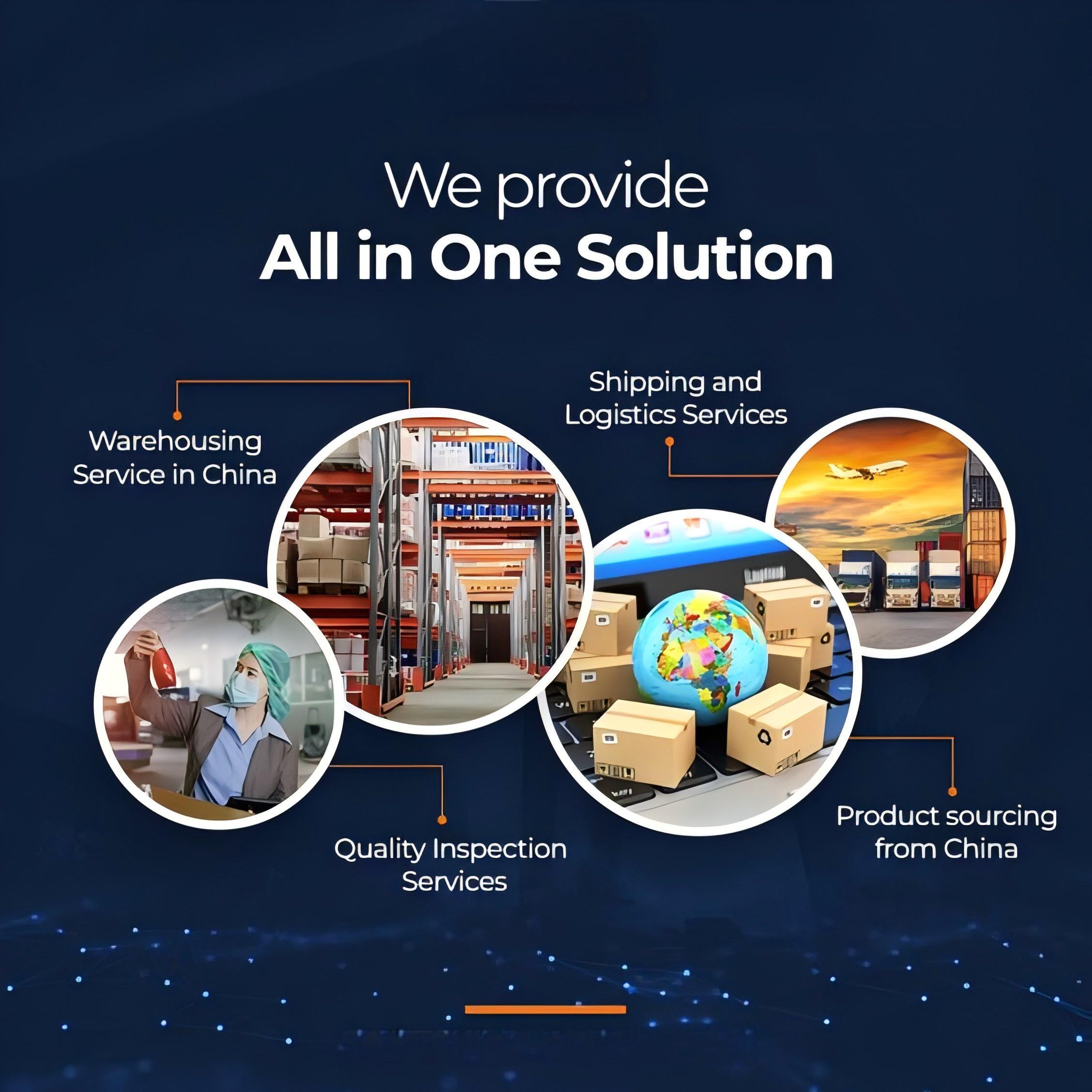
Ready to streamline your logistics?
Ready to streamline your electronics imports and eliminate unnecessary port fees? Contact Top China Freight today for a customized quote on 40GP FCL demurrage prevention for electronics from China to USA and experience hassle-free shipping.
Request Quote