

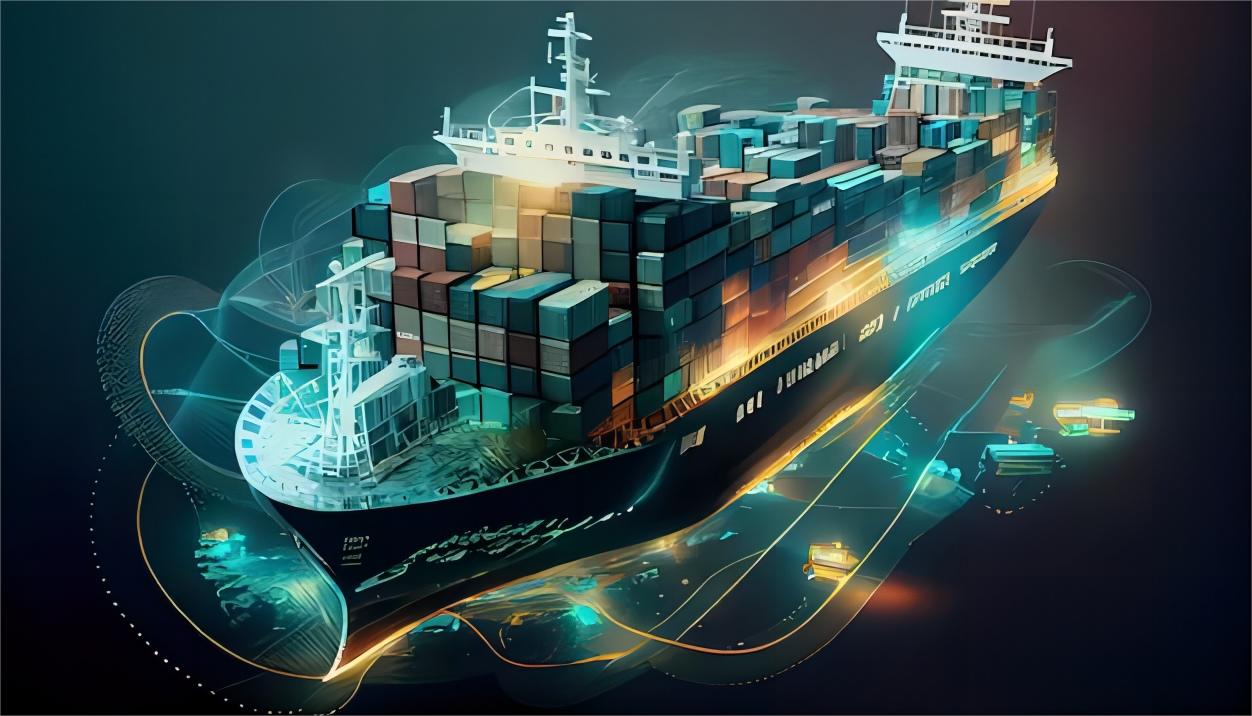
Reefer FCL freight rate for toys from China to Seattle: 2025 Guide
Finding a competitive Reefer FCL freight rate for toys from China to Seattle is a top priority for businesses dealing with temperature-sensitive or high-value playthings. Ensuring that your cargo remains in a controlled environment prevents damage from moisture and extreme heat during the long Pacific crossing. You can optimize your supply chain by partnering with a reliable logistics provider like Top China Freight to manage your international shipping needs effectively. This guide provides a comprehensive breakdown of current market rates, transit times, and strategic advice for importing toys to the United States West Coast.
What is the current Reefer FCL freight rate for toys from China to Seattle?
The current market landscape for the Reefer FCL freight rate for toys from China to Seattle fluctuates based on seasonal demand and fuel surcharges. Typically, a refrigerated container costs significantly more than a standard dry van due to the specialized equipment and power requirements. Importers should expect to pay a premium for the peace of mind that temperature control provides for sensitive plastic or electronic components.
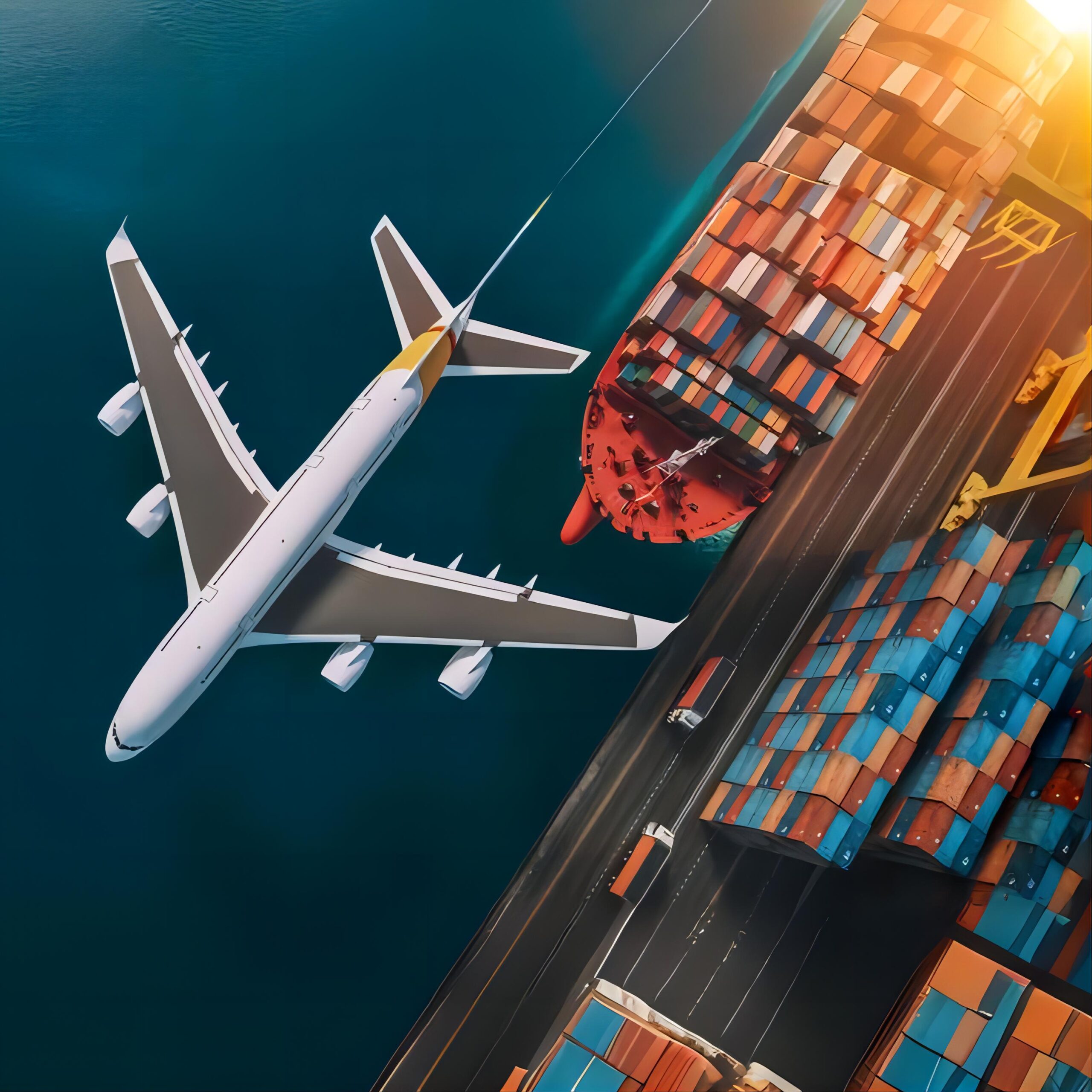
Market data suggests that rates for a 40-foot high cube reefer container currently range between 3,500 and 5,200 US dollars. These prices are heavily influenced by the port of origin, with shipments from Shenzhen often costing slightly more than those from Ningbo. Consequently, it is vital to monitor weekly rate indices to catch the most favorable windows for booking your shipments.
Choosing sea freight remains the most economical way to move large volumes of toys across the ocean. While air freight is faster, the sheer volume of toy shipments usually makes the Reefer FCL freight rate for toys from China to Seattle the most logical choice for bulk orders. This method allows for maximum capacity while maintaining strict environmental controls.
Note: Freight rates are subject to change based on fuel costs, carrier capacity, and seasonal demand. Contact us for a current quote tailored to your specific shipment.
| Container Type | Average Cost (USD) | Transit Time | Best For |
|---|---|---|---|
| 20RF (Reefer) | 2,200 – 3,400 | 14-18 Days | Small sensitive batches |
| 40RH (Reefer HQ) | 3,800 – 5,500 | 14-18 Days | High volume toy orders |
| 40GP (Standard) | 2,500 – 3,500 | 15-20 Days | Non-sensitive items |
How Does Reefer FCL Compare to Other Shipping Options?
Evaluating the Reefer FCL freight rate for toys from China to Seattle requires a comparison against standard dry containers and air cargo. While dry containers are cheaper, they do not offer protection against the extreme humidity found in tropical shipping lanes. Many high-end toys containing batteries or intricate electronics can suffer from moisture damage if not protected.
Shipping to North America involves navigating various service levels, including direct routes and transshipment options. Direct services to Seattle are faster but usually carry a higher price tag than routes that stop in Busan or Yokohama. Therefore, your choice depends on whether you prioritize speed or cost savings.
For smaller shipments, Less than Container Load (LCL) might seem attractive, but reefer LCL services are rare and often prohibitively expensive. Consequently, most toy importers prefer to consolidate their goods into a Full Container Load (FCL) to maintain a consistent temperature throughout the journey. This strategy also reduces the risk of damage during handling at consolidation warehouses.
| Shipping Method | Cost Range | Transit Time | Limitations |
|---|---|---|---|
| Reefer FCL | 3,500 – 5,500 | 14-18 Days | Higher cost than dry |
| Dry FCL | 2,500 – 3,800 | 15-20 Days | No climate control |
| Air Freight | 15,000 – 25,000 | 3-5 Days | Very high cost |
| LCL (Dry) | 80 – 150 per CBM | 20-25 Days | Risk of contamination |
Which Option Should You Choose for Your Toy Shipment?
Deciding on the right shipping method depends largely on your budget and the specific requirements of your cargo. If your priority is budget and your toys are made of simple, durable plastics, a standard dry container might suffice. However, for high-value collectibles or electronic toys, the Reefer FCL freight rate for toys from China to Seattle is a necessary investment.
Speed is another critical factor, especially when preparing for the holiday shopping season or a major product launch. If you have a tight deadline, opting for a premium direct sea service to the Port of Seattle is the best balance of speed and cost. On the other hand, if you have a flexible schedule, choosing a transshipment route can save you hundreds of dollars per container.
Consider the volume of your shipment before making a final decision on the container size. A 40RH container offers nearly double the volume of a 20RF but does not cost twice as much, making it the most cost-effective choice for large importers. Furthermore, utilizing door to door services can simplify the entire process by handling the final mile delivery in Seattle.
Factors Influencing the Reefer FCL Freight Rate for Toys from China to Seattle
Several variables impact the final Reefer FCL freight rate for toys from China to Seattle that you will see on your invoice. Fuel prices, specifically the Bunker Adjustment Factor (BAF), can cause rates to shift monthly as oil markets fluctuate. Additionally, carrier capacity and the availability of reefer plugs on vessels play a significant role in pricing.
Seasonal trends are perhaps the most predictable factor affecting costs for toy importers. Rates typically climb during the third quarter as retailers stock up for Christmas and the New Year. Consequently, booking your shipments in the early spring or late winter can result in significant savings on your overall logistics budget.
Port congestion at both the origin in China and the destination in Seattle can also lead to surcharges and increased transit times. When the Port of Seattle experiences delays, carriers may implement congestion fees to cover the cost of idling vessels. Moreover, labor negotiations and terminal efficiency can sporadically impact the flow of goods and the associated freight rates.
Real Case Studies of Toy Shipments to Seattle
Case Study 1: High-End Electronic Toys
Case Study 1: Electronic Educational Toys
Route: Shanghai, China to Seattle, USA
Cargo: Interactive learning tablets, 65 CBM, 12,000 kg
Container: 40HQ Reefer (Set at 20 degrees Celsius)
Shipping Details:
– Carrier/Service: Major trans-Pacific carrier
– Port of Loading: Shanghai
– Port of Discharge: Seattle
– Route Type: Direct
Cost Breakdown:
– Ocean Freight: 4,200 USD
– Origin Charges: 450 USD
– Destination Charges: 600 USD
– Customs and Duties: 1,800 USD
– Total Landed Cost: 7,050 USD
Timeline:
– Booking to Loading: 5 days
– Sea Transit: 15 days
– Customs Clearance: 2 days
– Total Door-to-Door: 22 days
Key Insight: Using a reefer container prevented battery swelling caused by the high humidity levels typically found during the summer shipping months.
Case Study 2: Seasonal Plastic Figures
Case Study 2: Bulk Plastic Action Figures
Route: Ningbo, China to Seattle, USA
Cargo: PVC Figures, 28 CBM, 5,000 kg
Container: 20GP Reefer
Shipping Details:
– Carrier/Service: COSCO Shipping
– Port of Loading: Ningbo
– Port of Discharge: Seattle
– Route Type: Transshipment via Busan
Cost Breakdown:
– Ocean Freight: 2,800 USD
– Origin Charges: 380 USD
– Destination Charges: 520 USD
– Customs and Duties: 950 USD
– Total Landed Cost: 4,650 USD
Timeline:
– Booking to Loading: 7 days
– Sea Transit: 19 days
– Customs Clearance: 3 days
– Total Door-to-Door: 29 days
Key Insight: While the transshipment added four days to the transit, the importer saved 600 USD compared to the direct service rate.
Navigating Customs and Compliance for Toy Imports
Importing toys into the United States requires strict adherence to safety standards and customs regulations. The Consumer Product Safety Commission (CPSC) mandates specific testing and certification for all toys intended for children. Therefore, ensuring your documentation is in order before the vessel arrives in Seattle is critical to avoiding costly delays.
Working with an experienced customs brokerage professional can streamline this complex process. They will help you classify your goods under the correct Harmonized System (HS) codes and ensure that all duties are calculated accurately. Furthermore, they can assist with the filing of the Importer Security Filing (ISF) which must be done 24 hours before the cargo is loaded in China.
Improper documentation can lead to intensive examinations by US Customs and Border Protection, which can add thousands of dollars to your total cost. Consequently, it is much more efficient to invest in professional brokerage services than to risk fines and storage fees at the port. Proper preparation ensures that your Reefer FCL freight rate for toys from China to Seattle remains within your initial budget.
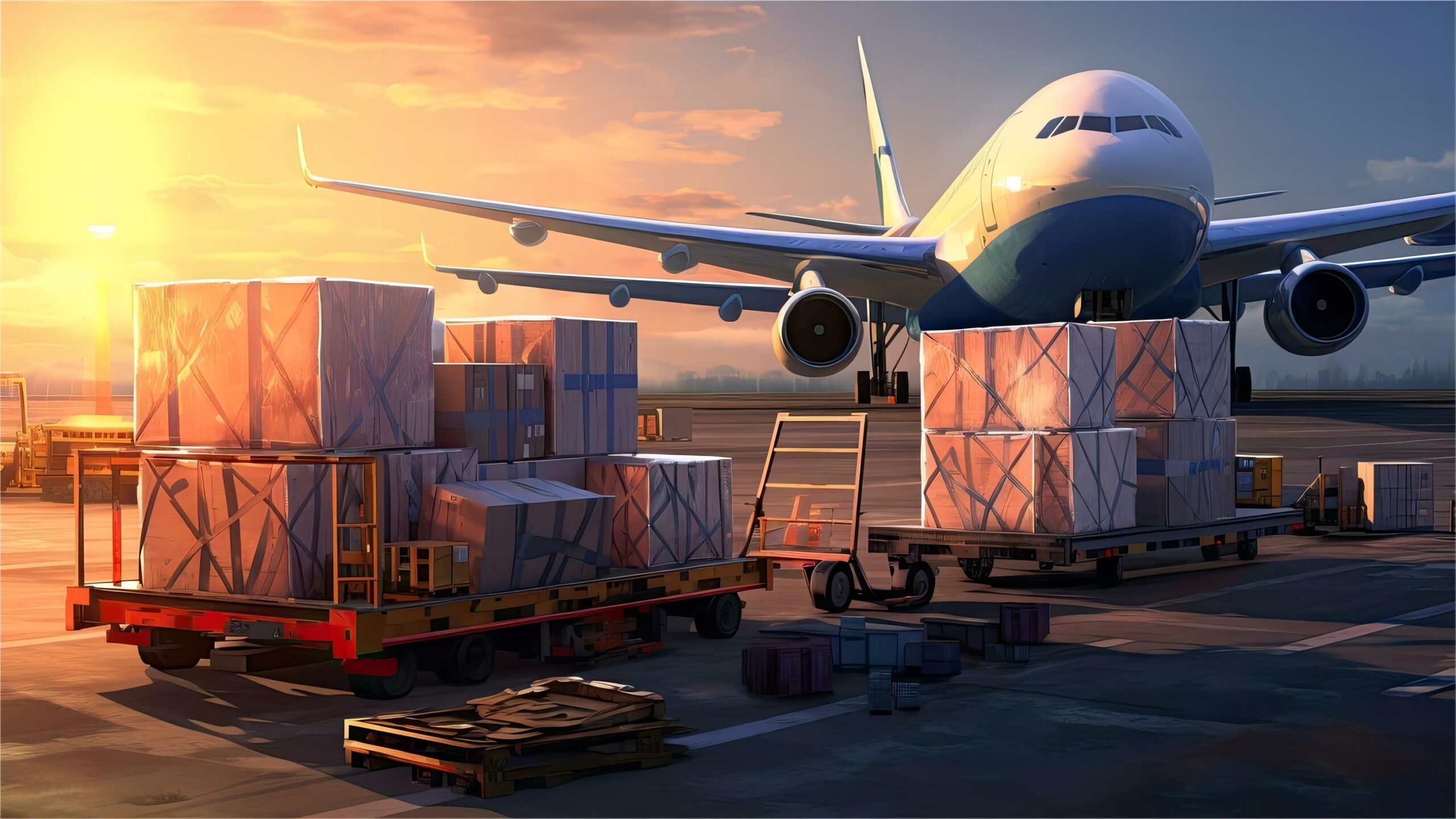
Final Thoughts on Shipping Toys from China to Seattle
Securing the best Reefer FCL freight rate for toys from China to Seattle involves a combination of early planning, choosing the right container type, and understanding market trends. While refrigerated shipping costs more than standard methods, the protection it offers for sensitive toys is often indispensable. By following the strategies outlined in this guide, you can minimize risks and maximize your profit margins.
Remember to consider all factors, including transit times, customs compliance, and the benefits of direct versus transshipment routes. Partnering with a knowledgeable freight forwarder will ensure that your cargo arrives safely and on time at the Port of Seattle. As the market continues to evolve in 2025, staying informed will be your greatest advantage in the competitive toy industry.
Whether you are shipping high-tech electronics or traditional plastic dolls, the Reefer FCL freight rate for toys from China to Seattle is a key metric for your business success. Take the time to compare quotes and choose a service that aligns with your specific delivery requirements and budget constraints.
Ready to streamline your logistics?
Are you ready to secure a competitive Reefer FCL freight rate for toys from China to Seattle? Our team of logistics experts is standing by to provide you with a customized quote and professional guidance for your next shipment. Send Inquiry: and let us help you optimize your toy supply chain today.
Request Quote