

FCL shipping for solar panels from China to Long Beach: A Complete Guide
Managing FCL shipping for solar panels from China to Long Beach requires a deep understanding of transpacific logistics and specialized cargo handling. As the demand for renewable energy grows, businesses must optimize their supply chains to ensure panels arrive safely and on time. Working with a professional like Top China Freight allows you to navigate the complexities of international trade with confidence. This guide explores everything from container selection to customs compliance for your solar projects.

Why Choose FCL shipping for solar panels from China to Long Beach?
Full Container Load (FCL) remains the gold standard for transporting fragile photovoltaic modules across the ocean. Consequently, shippers benefit from reduced handling because the container is sealed at the factory and only opened at the final destination. This isolation significantly lowers the risk of micro-cracks and physical damage during the long journey.
Moreover, FCL shipping for solar panels from China to Long Beach offers better cost efficiency for large-scale installations. When you utilize the entire space of a 40HQ container, the cost per kilowatt of solar capacity drops dramatically. Therefore, most commercial solar developers prefer this method over smaller consolidated shipments.
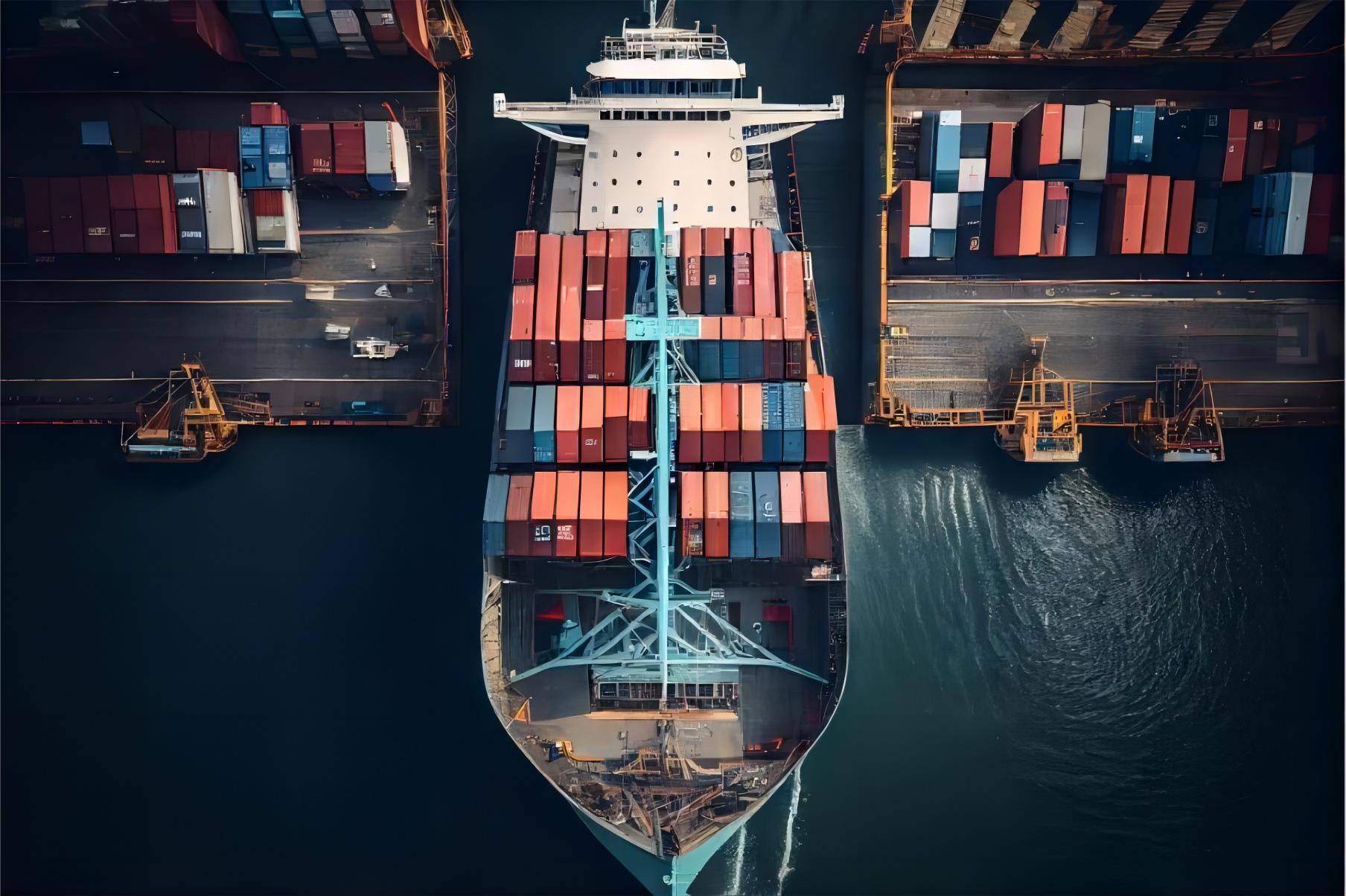
Additionally, FCL provides more control over the delivery schedule and routing. Since your cargo is not waiting for other shippers to fill the container, the transit process is much more streamlined. You can choose specific carriers that offer direct services to the US West Coast.
How Does FCL Compare to Other Shipping Options?
Understanding your options is critical for maintaining a healthy bottom line in the competitive solar market. While sea freight is the primary mode of transport, you must decide between FCL and LCL. In contrast to FCL, Less than Container Load (LCL) involves sharing space with other goods, which increases the risk of damage.
Furthermore, air freight serves as a viable alternative only for urgent spare parts or small components. For instance, if a project is stalled due to a missing inverter, the speed of air transport justifies the high cost. However, for the panels themselves, the weight and volume make air freight prohibitively expensive.
To summarize, FCL offers the best balance of safety, cost, and speed for bulk solar shipments. Below is a detailed comparison of the most common shipping methods for this specific route.
| Shipping Method | Cost Range | Transit Time | Best For |
|---|---|---|---|
| FCL (40HQ) | $2,800 – $3,800 | 14-18 Days | Bulk solar panels |
| LCL (per CBM) | $100 – $200 | 22-28 Days | Small residential sets |
| Air Freight | $5.00 – $8.00/kg | 3-5 Days | Urgent components |
| Sea-Air Hybrid | $3.50 – $5.00/kg | 10-12 Days | Mid-range urgency |
What are the Current Freight Rates for Solar Panels?
Freight rates in the North America trade lane are subject to seasonal fluctuations and market demand. As of early 2025, prices have stabilized, but shippers should still account for peak season surcharges. Typically, rates increase during the third quarter as retailers prepare for year-end demand.
Specifically, a 40HQ container is the most popular choice for solar panels due to its extra height. This allows for vertical stacking of pallets, which maximizes the number of panels per shipment. Accordingly, the landed cost per panel is minimized when the container is fully optimized.
Note: Freight rates are subject to change based on fuel costs, carrier capacity, and seasonal demand. Contact us for a current quote tailored to your specific shipment.
| Container Type | Capacity (Pallets) | Estimated Rate | Max Weight |
|---|---|---|---|
| 20GP Container | 10 Pallets | $1,500 – $2,200 | 18,000 kg |
| 40GP Container | 20-21 Pallets | $2,500 – $3,500 | 26,000 kg |
| 40HQ Container | 20-21 Pallets | $2,800 – $3,800 | 26,000 kg |
How Long Does Transit Take from China to Long Beach?
The transit time for FCL shipping for solar panels from China to Long Beach is among the fastest transpacific routes. Typically, direct sailings from major ports like Shanghai or Ningbo take between 14 and 18 days. Meanwhile, shipments from Southern China via Shenzhen may take slightly longer depending on the carrier loop.
However, you must also consider the time required for port operations and trucking. For example, Amazon FBA sellers often face additional delays if their cargo requires specialized labeling or palletization. Planning for a total door-to-door window of 25 to 30 days is a safe strategy for most projects.
In addition, port congestion can occasionally impact the delivery schedule at the Port of Long Beach. Despite these challenges, the West Coast remains the most efficient entry point for Chinese goods. Indeed, choosing the right terminal can save several days in the drayage process.
What Customs Documents are Required for Solar Imports?
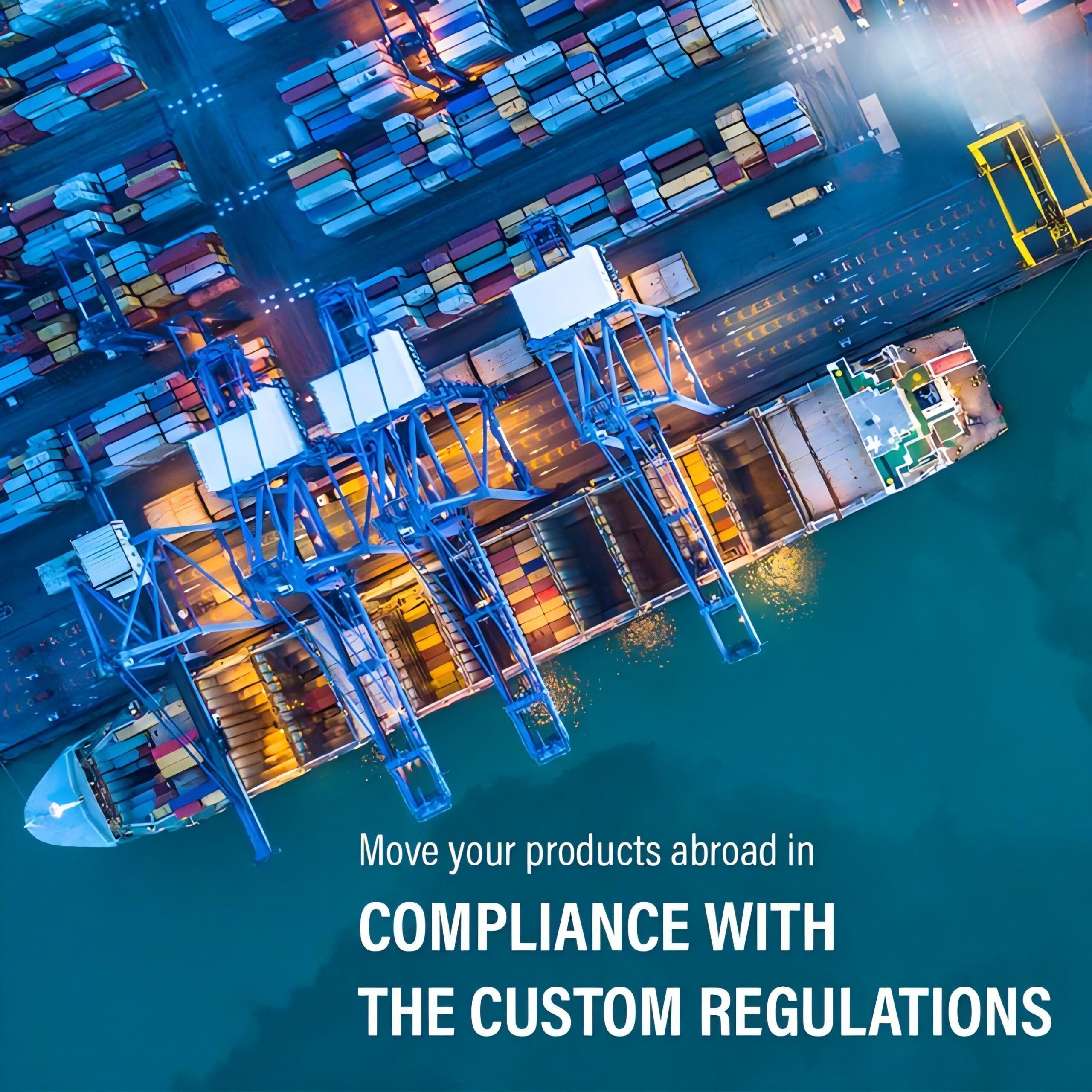
Navigating the legal requirements is essential to avoid costly delays at the border. You must ensure that all paperwork is accurate and complies with US Customs and Border Protection (CBP) regulations. Specifically, solar panels are subject to various trade enforcement actions, including Section 201 and 301 tariffs.
Moreover, hiring an expert in customs brokerage is highly recommended for first-time importers. They can help you classify your goods under the correct Harmonized Tariff Schedule (HTS) code. As a result, you can avoid penalties and ensure that your shipment moves through the port without inspection delays.
To clarify, the following table lists the essential documents you will need for a successful import process.
| Document Name | Purpose | Issuer | Required |
|---|---|---|---|
| Bill of Lading | Title of goods | Carrier | Yes |
| Commercial Invoice | Value declaration | Exporter | Yes |
| Packing List | Cargo details | Exporter | Yes |
| CBP Form 3461 | Entry/Immediate Delivery | Importer/Broker | Yes |
Case Study 1: Large Scale Utility Project
Case Study 1: High-Volume Utility Shipment. Route: Shenzhen, China to Long Beach, USA. Cargo: Monocrystalline Solar Panels, 580 CBM, 120,000 kg. Container: 15 x 40HQ. Shipping Details: Carrier: COSCO. Port of Loading: Yantian. Port of Discharge: Long Beach. Route Type: Direct. Cost Breakdown: Ocean Freight: $48,500. Origin Charges: $2,250. Destination Charges: $3,500. Customs and Duties: $125,000. Total Landed Cost: $179,250. Timeline: Booking to Loading: 5 days. Sea Transit: 16 days. Customs Clearance: 3 days. Total Door-to-Door: 24 days. Key Insight: Utilizing a direct carrier loop and pre-clearing customs allowed the project to stay on schedule despite a tight installation window.
Case Study 2: Residential Solar Distributor
Case Study 2: Regional Distributor Stock. Route: Ningbo, China to Long Beach, USA. Cargo: Residential Solar Kits, 65 CBM, 18,500 kg. Container: 1 x 40HQ. Shipping Details: Carrier: Maersk. Port of Loading: Ningbo. Port of Discharge: Long Beach. Route Type: Direct. Cost Breakdown: Ocean Freight: $3,200. Origin Charges: $450. Destination Charges: $850. Customs and Duties: $8,500. Total Landed Cost: $13,000. Timeline: Booking to Loading: 4 days. Sea Transit: 15 days. Customs Clearance: 2 days. Total Door-to-Door: 21 days. Key Insight: Consolidating multiple SKU types into a single FCL container reduced the per-unit shipping cost by 15 percent compared to LCL.
Which Option Should You Choose?
Selecting the right shipping strategy depends on your specific business priorities and cargo volume. If your primary goal is cost savings and you have more than 15 CBM of cargo, FCL is clearly the superior choice. On the other hand, if you are testing a new supplier with a small sample, LCL might be more appropriate.
Furthermore, consider the end-to-end logistics with door to door services. This comprehensive approach simplifies the process by managing everything from the factory floor to your warehouse. Consequently, you can focus on selling panels while the logistics experts handle the heavy lifting.
Indeed, for most established businesses, a long-term contract with a freight forwarder provides the best stability. This ensures you have guaranteed space during peak seasons and access to competitive contract rates. Ultimately, the safety of your solar panels should be the deciding factor in your logistics plan.
Best Practices for Packing and Safety
To prevent damage during FCL shipping for solar panels from China to Long Beach, you must insist on high-quality packaging. Solar panels should be packed on heavy-duty pallets with reinforced corners. Additionally, using plastic wrap and strapping ensures that the panels do not shift during the ocean voyage.
Furthermore, it is wise to include moisture-absorbing silica gel packs inside the container. This prevents condensation, also known as ‘container rain,’ from damaging the electrical components of the panels. To clarify, even a small amount of moisture can lead to corrosion over a 20-day transit.
Finally, always verify the loading process at the factory. Ensuring that the pallets are stacked correctly and that there is no empty space for movement is vital. If necessary, use dunnage bags or timber bracing to secure the load within the container.
Final Thoughts on Solar Logistics
In conclusion, successful FCL shipping for solar panels from China to Long Beach requires a combination of careful planning and expert execution. By choosing the right container type and understanding the nuances of the transpacific route, you can protect your investment and maintain your project timelines.
Furthermore, staying informed about current market rates and customs regulations will help you avoid unexpected costs. As the solar industry continues to evolve, having a robust logistics partner is more important than ever. Focus on quality, safety, and efficiency to ensure your clean energy goals are met without delay.
Ready to streamline your logistics?
Streamline your renewable energy supply chain today with our expert logistics solutions. Whether you are shipping a single container or managing a utility-scale project, we provide the reliability you need. Contact us now to get a competitive quote for FCL shipping for solar panels from China to Long Beach and experience seamless transpacific transport. Visit https://Top China Freight.com/ to learn more.
Request Quote