

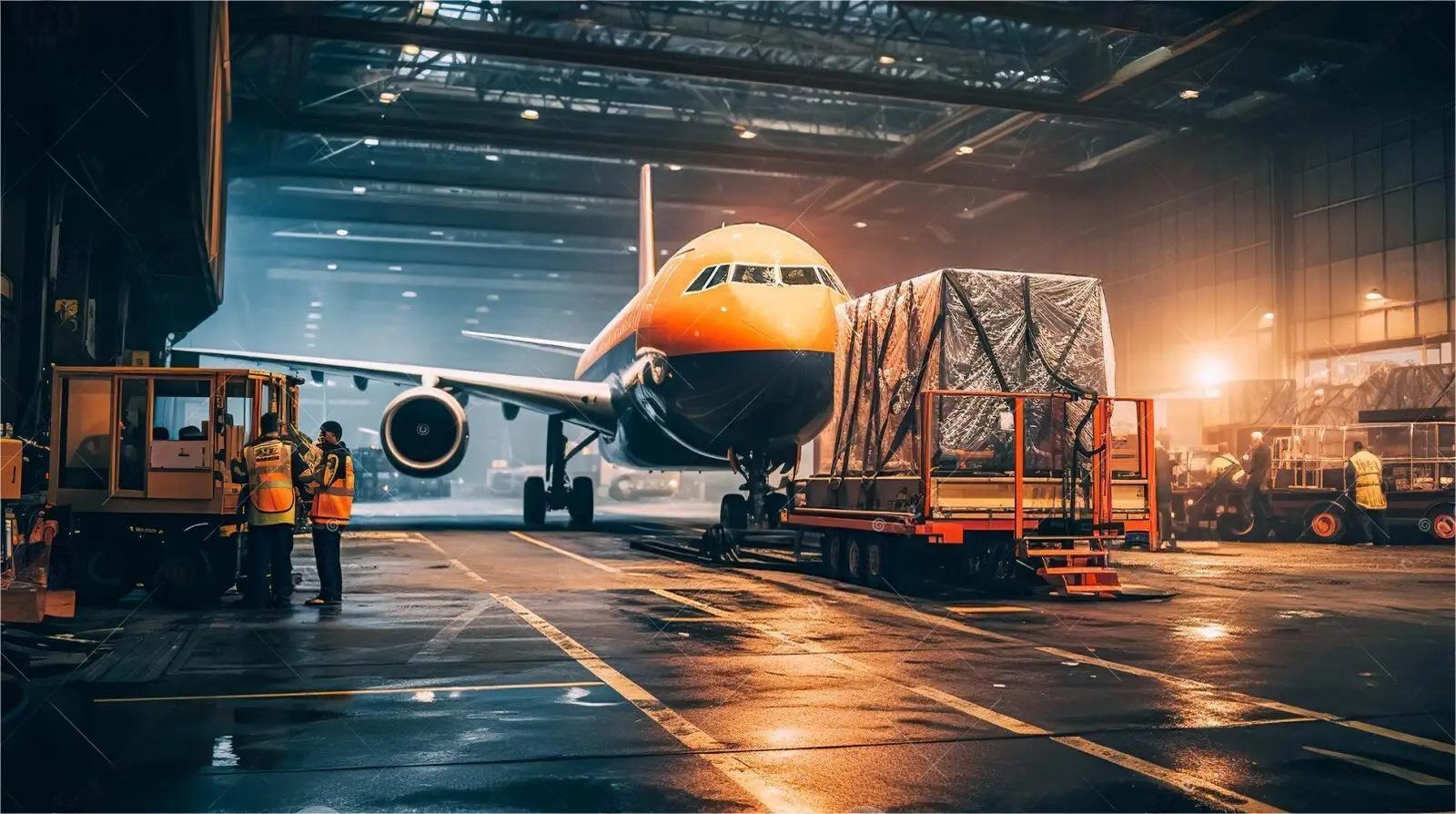
20GP FCL demurrage prevention for lighting from China to Portugal
Managing international logistics requires a keen eye for detail to avoid unexpected expenses that can erode your profit margins. Specifically, 20GP FCL demurrage prevention for lighting from China to Portugal is a critical concern for importers who deal with high-value decorative fixtures and LED components. Working with a professional partner like Top China Freight ensures that your cargo moves smoothly through the complex global supply chain without incurring unnecessary penalties. This guide provides actionable strategies to streamline your shipping process and keep your logistics costs under control.

What is Demurrage and Why Does it Affect Lighting Shipments?
Demurrage refers to the fee charged by shipping lines when a container remains inside the terminal beyond the allotted free time. For lighting products, these delays often occur because of documentation errors or slow customs inspections at the destination port. Therefore, understanding the rules of sea freight is essential for any business importing from China to Europe.
Carriers typically provide a standard free period of five to seven days at the port of discharge. If your 20GP container sits in Lisbon or Leixoes longer than this, the daily charges start to accumulate rapidly. Consequently, importers must act quickly to clear their goods and transport the container to their warehouse for unloading.
Lighting shipments are particularly sensitive because they often involve multiple components like bulbs, frames, and drivers. Each item must be correctly classified to avoid the red tape that leads to demurrage. Indeed, a single missing certificate can hold up an entire container for weeks.
How to Implement 20GP FCL Demurrage Prevention for Lighting from China to Portugal
Effective 20GP FCL demurrage prevention for lighting from China to Portugal starts with meticulous planning before the ship even leaves the Chinese port. You should negotiate extended free time with your carrier during the booking phase to provide a safety net. For example, requesting 14 days of combined free time is a common strategy for experienced importers.
Utilizing a dedicated customs brokerage service can significantly reduce the risk of delays. These experts ensure that all Portuguese import requirements are met well in advance. Moreover, they can help you navigate the specific safety standards required for electrical goods in the European Union.
Communication between your supplier in China and your logistics provider must be seamless and transparent. Always verify that the Bill of Lading, Commercial Invoice, and Packing List are consistent across all platforms. Furthermore, ensure that the original documents or telex release are sent to the arrival port immediately after the vessel departs.
Essential Documentation for Lighting Imports to Portugal
Portuguese customs authorities are strict regarding the safety and energy efficiency of imported lighting products. You must provide a valid CE Declaration of Conformity to prove the items meet EU health and safety standards. Additionally, the Low Voltage Directive (LVD) and Electromagnetic Compatibility (EMC) reports are often requested during inspections.
Missing or incorrect HS codes can lead to lengthy disputes and high storage fees at the port. Therefore, you should confirm the correct classification for your specific type of lighting fixture before shipping. In addition, having a detailed packing list that matches the physical contents precisely will prevent manual inspection delays.
Consider the following checklist to ensure your paperwork is ready for a smooth clearance process in Portugal:
| Commercial Invoice | Customs Value | Unit price, currency, Incoterms | Value mismatch |
| Packing List | Cargo Verification | Weight, dimensions, piece count | Missing box counts |
| CE Certificate | EU Compliance | Safety standards, manufacturer info | Expired validity |
| Bill of Lading | Ownership | Consignee details, port info | Typos in name |

How Does Sea Freight Compare to Other Shipping Options?
While sea freight is the most common method for lighting, it is not the only way to move goods from China to Portugal. You must weigh the benefits of cost against the necessity of speed for your specific project. For instance, urgent project deadlines might justify the higher expense of shipping from China to Europe via rail or air.
Sea freight offers the lowest cost per unit, making it ideal for large-scale commercial lighting projects. However, the transit time is significantly longer than other modes, which increases the window for potential port congestion. On the other hand, rail freight provides a middle ground with faster transit times than sea but lower costs than air.
The following table provides a comparison of the various shipping methods available for this specific route:
| Sea Freight (FCL) | $1,800 – $2,500 | 28 – 35 Days | Bulk lighting orders |
| Rail Freight | $3,500 – $5,000 | 18 – 22 Days | Urgent retail stock |
| Air Freight | $12,000 – $18,000 | 5 – 8 Days | High-value samples |
| Sea-Air Hybrid | $6,000 – $8,000 | 15 – 20 Days | Balanced cost/speed |
Case Study 1: Preventing Delays for LED Panel Shipments
A lighting distributor in Lisbon needed to import a 20GP container of LED panels from Ningbo, China. The shipment was scheduled to arrive during a busy peak season when port congestion was high. To ensure 20GP FCL demurrage prevention for lighting from China to Portugal, the importer used a door to door service.
Case Study Details:
Route: Ningbo, China to Lisbon, Portugal
Cargo: 1,200 LED Ceiling Panels, 28 CBM
Container: 20GP FCL
Shipping Details:
– Carrier: COSCO Shipping
– Port of Loading: Ningbo Port
– Port of Discharge: Port of Lisbon
– Route Type: Direct Service
Cost Breakdown:
– Ocean Freight: $2,150
– Origin Charges: $350
– Destination Charges: $420
– Customs and Duties: $1,800
– Total Landed Cost: $4,720
Timeline:
– Booking to Loading: 4 days
– Sea Transit: 31 days
– Customs Clearance: 2 days
– Total Door-to-Door: 37 days
Key Insight: By submitting the CE certificates to the customs broker five days before the ship docked, the importer avoided three days of potential demurrage fees.
Case Study 2: Managing Heavy Chandeliers from Shenzhen
An interior design firm in Porto ordered high-end decorative chandeliers that required careful handling and specific documentation. Because the cargo was fragile and heavy, they chose a direct sea route to minimize handling risks. They also negotiated a 14-day free time period at the destination port as a precaution.
Case Study Details:
Route: Shenzhen, China to Leixoes, Portugal
Cargo: Decorative Glass Chandeliers, 22 CBM
Container: 20GP FCL
Shipping Details:
– Carrier: MSC Mediterranean Shipping
– Port of Loading: Shenzhen Yantian
– Port of Discharge: Port of Leixoes
– Route Type: Transshipment via Sines
Cost Breakdown:
– Ocean Freight: $2,300
– Origin Charges: $400
– Destination Charges: $450
– Customs and Duties: $2,500
– Total Landed Cost: $5,650
Timeline:
– Booking to Loading: 5 days
– Sea Transit: 34 days
– Customs Clearance: 4 days
– Total Door-to-Door: 43 days
Key Insight: The extra free time proved essential when a minor discrepancy in the commercial invoice required a 48-hour correction period. Note: Freight rates are subject to change based on fuel costs, carrier capacity, and seasonal demand. Contact us for a current quote tailored to your specific shipment.

Which Option Should You Choose? A Decision Framework
Choosing the right shipping strategy depends on your budget, timeline, and the specific nature of your lighting products. If your primary goal is cost-saving, sea freight remains the undisputed leader for 20GP containers. However, if you are launching a new product line and need stock immediately, rail freight might be the better investment.
Budget Priority: If minimizing costs is your main concern, stick with Sea FCL. To optimize this, ensure you have a robust 20GP FCL demurrage prevention for lighting from China to Portugal strategy in place. This includes choosing a carrier with generous free time and a reliable destination agent.
Speed Priority: For urgent shipments, express service or air freight is the best choice. Although the cost is significantly higher, you can receive your goods in less than a week. This is particularly useful for replacement parts or high-value custom fixtures.
Cargo Type Considerations: Heavy or bulky lighting fixtures are best suited for FCL because they are protected within their own container. Conversely, if you are shipping small quantities of light bulbs, LCL (Less than Container Load) might be more economical, though it carries a higher risk of handling damage.
Strategies for Reducing Port Storage and Detention Fees
Port storage fees are separate from demurrage and are charged by the terminal for the use of their space. To avoid these, you must coordinate with your trucking company to pick up the container as soon as it is cleared. Meanwhile, detention fees occur when you fail to return the empty container to the carrier’s yard on time.
Implement a pre-pull strategy if your warehouse is full or not ready to receive the goods. A pre-pull involves the trucker moving the container from the port to a private yard, which stops the demurrage clock. Furthermore, always ensure your warehouse staff are prepared for a quick unloading process.
Utilizing technology can also help you track your shipment’s progress in real-time. Many modern freight forwarders offer digital platforms that send alerts when a vessel is nearing its destination. Consequently, you can finalize your inland transportation plans before the ship even arrives in Portuguese waters.
Final Thoughts on Lighting Logistics
Successfully importing lighting from China to Portugal requires more than just finding a good supplier. It demands a proactive approach to logistics management and a deep understanding of port regulations. By focusing on 20GP FCL demurrage prevention for lighting from China to Portugal, you can protect your bottom line and ensure timely delivery to your customers.
Remember that documentation accuracy and pre-planning are your best defenses against unexpected costs. Whether you choose sea, rail, or air, having a clear strategy will lead to a more efficient and profitable operation. Stay informed about market trends and maintain strong relationships with your logistics partners to navigate the complexities of international trade with confidence.

Ready to streamline your logistics?
Are you looking for a reliable partner to handle your 20GP FCL demurrage prevention for lighting from China to Portugal? Contact Top China Freight today for a customized quote and expert logistics advice. Our team is ready to help you optimize your supply chain and avoid unnecessary fees. Send Inquiry
Request Quote