

Flat Rack FCL Insurance for Auto Parts from China to Germany: A Complete Guide
Shipping oversized vehicle components requires specialized equipment and robust financial protection. Managing the complexities of Flat Rack FCL insurance for auto parts from China to Germany ensures your high-value cargo remains protected against transit risks. Many importers rely on Top China Freight to navigate these logistics challenges effectively. By understanding the nuances of marine cargo insurance, you can safeguard your supply chain and minimize potential financial losses during the long journey across the ocean.
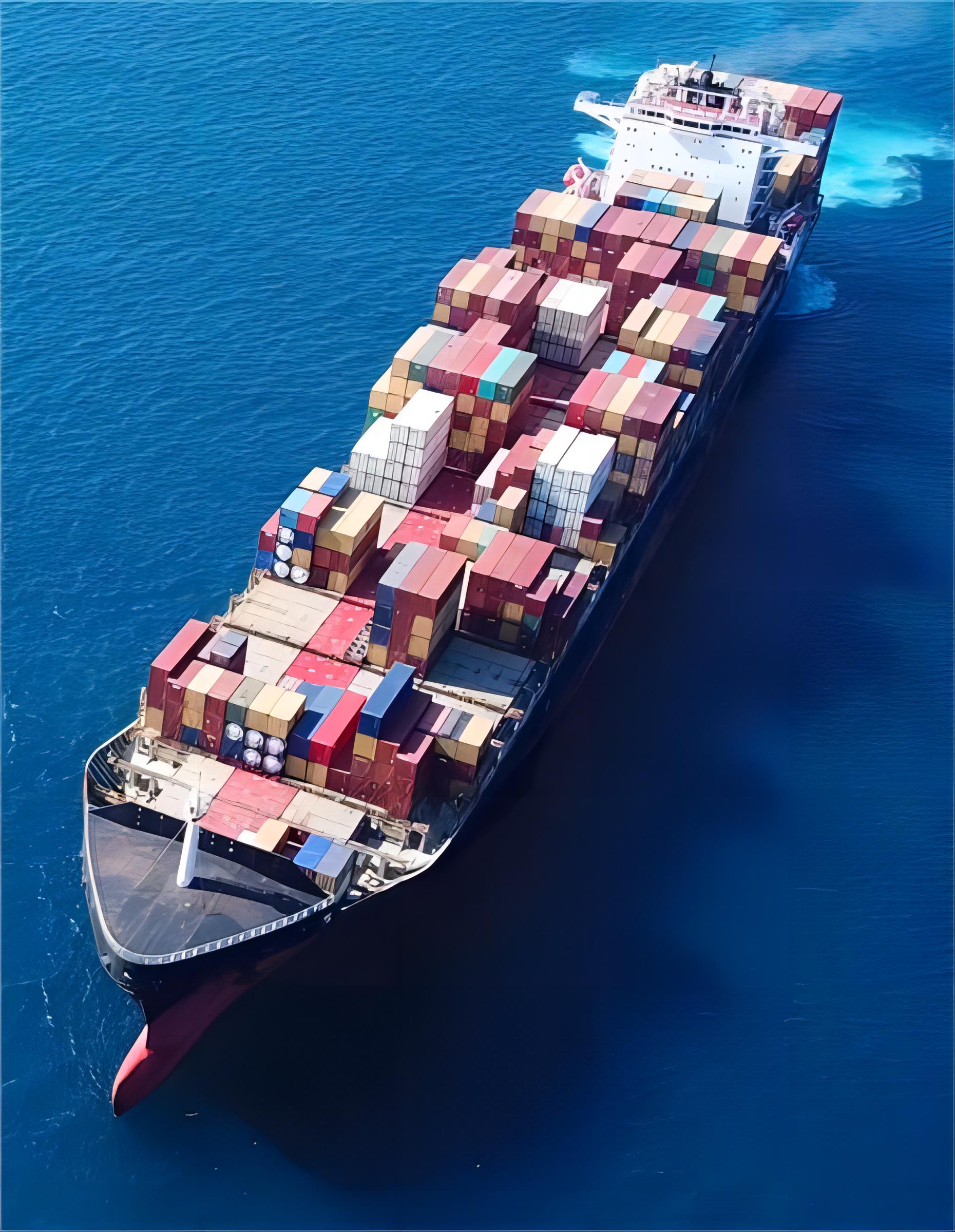
What is Flat Rack FCL Insurance for Auto Parts?
Flat rack containers are essential for transporting auto parts that do not fit into standard dry vans. These units lack side walls and a roof, which allows for top or side loading of heavy machinery and large vehicle frames. Consequently, the exposed nature of this cargo increases the necessity for comprehensive insurance coverage.
Insurance for these shipments typically covers physical loss or damage caused by external factors. For instance, heavy seas, improper lashing, or accidents during crane operations can lead to significant financial setbacks. Therefore, securing a policy specifically tailored for out-of-gauge cargo is a critical step for German importers.
Most policies for sea freight operate under Institute Cargo Clauses (A), which provide the broadest possible protection. However, you must ensure that the policy explicitly includes coverage for the unique risks associated with flat rack transport. This includes protection against rust from salt spray or damage from shifting during transit.
Why is Insurance Critical for Oversized Auto Parts?
Oversized auto parts often represent a massive capital investment for automotive manufacturers. Because these components are frequently custom-made or high-value, any damage can halt production lines in Germany. Furthermore, the cost of replacing specialized parts often exceeds the initial purchase price when factoring in expedited shipping.
Marine transit involves multiple handling points where cargo is at risk. For example, during the transition from the factory to the port of Shanghai, the cargo faces road vibration and lifting stresses. Once at the terminal, the flat rack must be carefully stowed on the vessel to prevent it from being crushed by other containers.
Without proper insurance, the carrier’s liability is strictly limited by international conventions like the Hague-Visby Rules. Typically, these limits are based on weight or package count rather than the actual value of the auto parts. Consequently, relying solely on carrier liability often leaves shippers with a significant financial gap in the event of a total loss.
How Does Flat Rack FCL Compare to Other Shipping Options?
Choosing the right method for shipping from China to Europe depends on your specific cargo dimensions and budget. While flat racks are necessary for oversized items, other options might be more cost-effective for smaller components. Indeed, a thorough comparison helps in optimizing your logistics strategy.
In addition to sea freight, rail and air options offer varying levels of speed and protection. For example, rail transport via the New Silk Road is faster than sea but may have stricter size limitations for flat rack equivalents. Meanwhile, air freight remains the fastest but most expensive choice for urgent spare parts.
Below is a detailed comparison of the primary shipping methods available for this route. Consider these factors when planning your next shipment of automotive components.
| Shipping Method | Cost Range (USD) | Transit Time | Best For | Limitations |
|---|---|---|---|---|
| Flat Rack FCL | $3,500 – $6,000 | 30-40 Days | Oversized parts | Exposed to elements |
| Standard 40HQ | $2,800 – $4,200 | 30-40 Days | Standard parts | Strict size limits |
| Rail Freight | $4,500 – $7,500 | 18-22 Days | Mid-size urgent | Limited FR availability |
| Air Freight | $15,000+ | 5-8 Days | Critical spares | Very high cost |
Market Trends and Pricing for 2025
As of early 2025, freight rates from China to Germany have stabilized following previous disruptions in the Red Sea. Nevertheless, seasonal demand during the third quarter often causes a temporary spike in pricing. Shippers should anticipate a 15-20% increase in rates between August and October.
Logistics trends suggest a growing focus on sustainable shipping and digital tracking. For instance, many carriers now offer real-time monitoring for flat rack containers to ensure lashing remains secure. Additionally, insurance premiums are increasingly influenced by the quality of the packing and crating used at the origin.
Note: Freight rates are subject to change based on fuel costs, carrier capacity, and seasonal demand. Contact us for a current quote tailored to your specific shipment.
| Route | 20GP Rate | 40HQ Rate | Flat Rack Rate |
|---|---|---|---|
| Shanghai to Hamburg | $1,900 – $2,600 | $3,200 – $4,400 | $4,000 – $5,800 |
| Shenzhen to Bremerhaven | $1,850 – $2,500 | $3,100 – $4,200 | $3,900 – $5,500 |
| Ningbo to Wilhelmshaven | $1,950 – $2,700 | $3,300 – $4,500 | $4,100 – $6,000 |

Essential Steps for Securing Cargo Insurance
Securing insurance begins with an accurate valuation of your auto parts. You must include the commercial invoice value, freight costs, and a small percentage for incidental expenses. Furthermore, providing detailed photos of the cargo after it has been lashed to the flat rack is often a requirement for high-value policies.
Engaging a professional customs brokerage service can also help ensure your documentation is in order. Accurate HS codes and descriptions prevent delays that could lead to additional storage fees or insurance complications. Moreover, clear documentation simplifies the claims process if damage is discovered upon arrival in Germany.
Always review the exclusions in your policy carefully. For example, many standard policies exclude damage caused by improper packing or inherent vice of the goods. Therefore, investing in professional crating and moisture protection is just as important as the insurance policy itself.
Real-World Case Studies for China to Germany Shipments
Reviewing actual shipping scenarios provides valuable insights into the costs and timelines involved. These examples reflect typical market conditions and operational challenges faced by importers in the automotive sector. Indeed, learning from these cases can help you avoid common pitfalls.
Each case study highlights the importance of choosing the right equipment and insurance level. Whether you are shipping heavy engine blocks or specialized chassis, the strategy remains the same: prioritize safety and comprehensive coverage.
The following cases represent successful deliveries managed under professional supervision during the late 2024 and early 2025 period.
Case Study 1: Industrial Engine Blocks
Route: Shanghai, China to Hamburg, Germany. Cargo: 4 Heavy Industrial Engines, 18 CBM, 12,000 kg. Container: 40ft Flat Rack (FCL).
Shipping Details: Carrier: COSCO. Port of Loading: Shanghai. Port of Discharge: Hamburg. Route Type: Direct.
Cost Breakdown: Ocean Freight: $4,850. Origin Charges: $450. Destination Charges: $620. Insurance Premium: $180. Total Landed Cost: $6,100.
Timeline: Booking to Loading: 5 days. Sea Transit: 34 days. Customs Clearance: 2 days. Total Door-to-Door: 41 days.
Key Insight: Professional lashing and a comprehensive insurance policy prevented loss when the vessel encountered rough weather in the Indian Ocean.
Case Study 2: Luxury Vehicle Chassis
Route: Shenzhen, China to Bremerhaven, Germany. Cargo: Specialized Aluminum Chassis, 22 CBM, 8,500 kg. Container: 20ft Flat Rack (FCL).
Shipping Details: Carrier: Maersk. Port of Loading: Shenzhen. Port of Discharge: Bremerhaven. Route Type: Transshipment via Singapore.
Cost Breakdown: Ocean Freight: $3,900. Origin Charges: $400. Destination Charges: $550. Insurance Premium: $210. Total Landed Cost: $5,060.
Timeline: Booking to Loading: 4 days. Sea Transit: 38 days. Customs Clearance: 3 days. Total Door-to-Door: 45 days.
Key Insight: Using a 20ft flat rack saved on ocean freight while the All-Risk insurance provided peace of mind for the sensitive aluminum structures.
Decision Framework: Which Option Should You Choose?
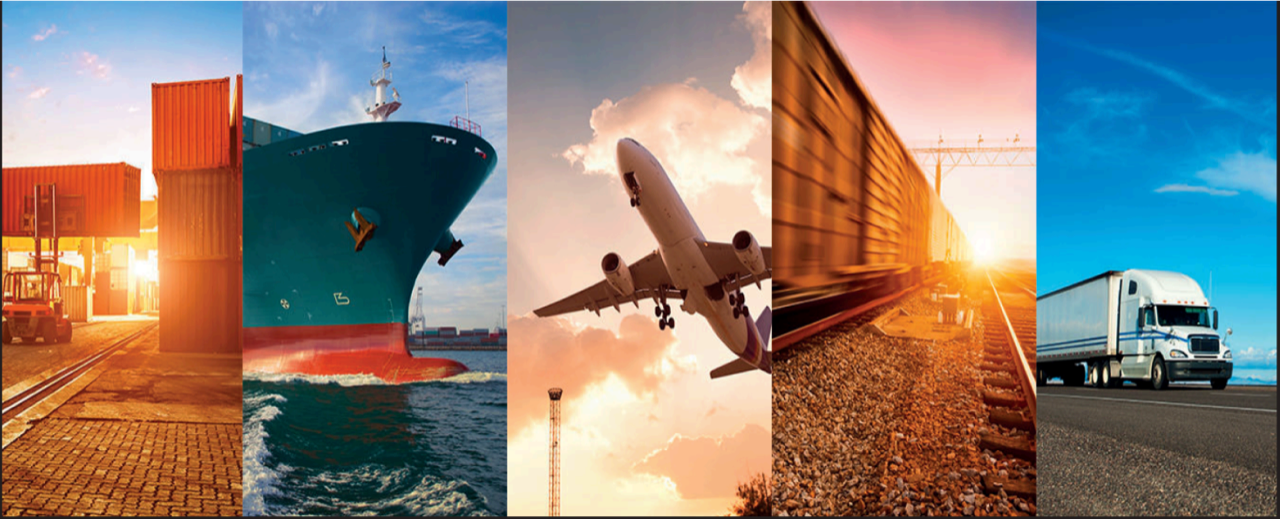
Determining the best logistics strategy requires balancing cost, speed, and risk. If your budget is the primary priority, sea freight remains the most viable option for large volumes. However, for time-sensitive projects, you might consider a door to door rail service to reduce transit time by nearly two weeks.
Cargo type also dictates the equipment needed. If the parts are sensitive to moisture and can be dismantled, a standard 40HQ container is safer than a flat rack. Conversely, for non-dismantlable oversized parts, the flat rack is the only choice, necessitating high-grade marine insurance.
Use the following criteria to guide your decision-making process for your next shipment from China to Germany.
| Priority | Recommended Method | Insurance Level | Key Consideration |
|---|---|---|---|
| Lowest Cost | Sea Freight (FCL) | Basic Cargo Clause | Longer lead times |
| Maximum Speed | Air Freight | All-Risk Coverage | High freight spend |
| Oversized Cargo | Flat Rack FCL | Specialized Marine | Rigid lashing required |
| Balance Speed/Cost | Rail Freight | Standard Transit | Check size limits |
Final Thoughts on Protecting Your Auto Part Shipments
In summary, managing Flat Rack FCL insurance for auto parts from China to Germany is a vital component of successful international trade. By understanding the risks associated with oversized cargo and selecting the right insurance policy, you can mitigate potential financial disasters. Furthermore, working with experienced freight forwarders ensures that your cargo is handled with the expertise it requires.
Choosing between sea, rail, and air depends on your specific needs, but insurance should never be an afterthought. Whether you are dealing with market fluctuations in 2025 or navigating complex customs regulations, a proactive approach to risk management will always yield better results. Ultimately, the safety of your automotive components is the foundation of your business’s reputation and profitability.

Ready to streamline your logistics?
Securing your supply chain starts with professional advice and comprehensive coverage. If you are planning to ship oversized auto parts, contact Top China Freight today for a customized quote on Flat Rack FCL insurance for auto parts from China to Germany. Visit our website to learn more about our integrated logistics solutions. Send Inquiry:
Request Quote