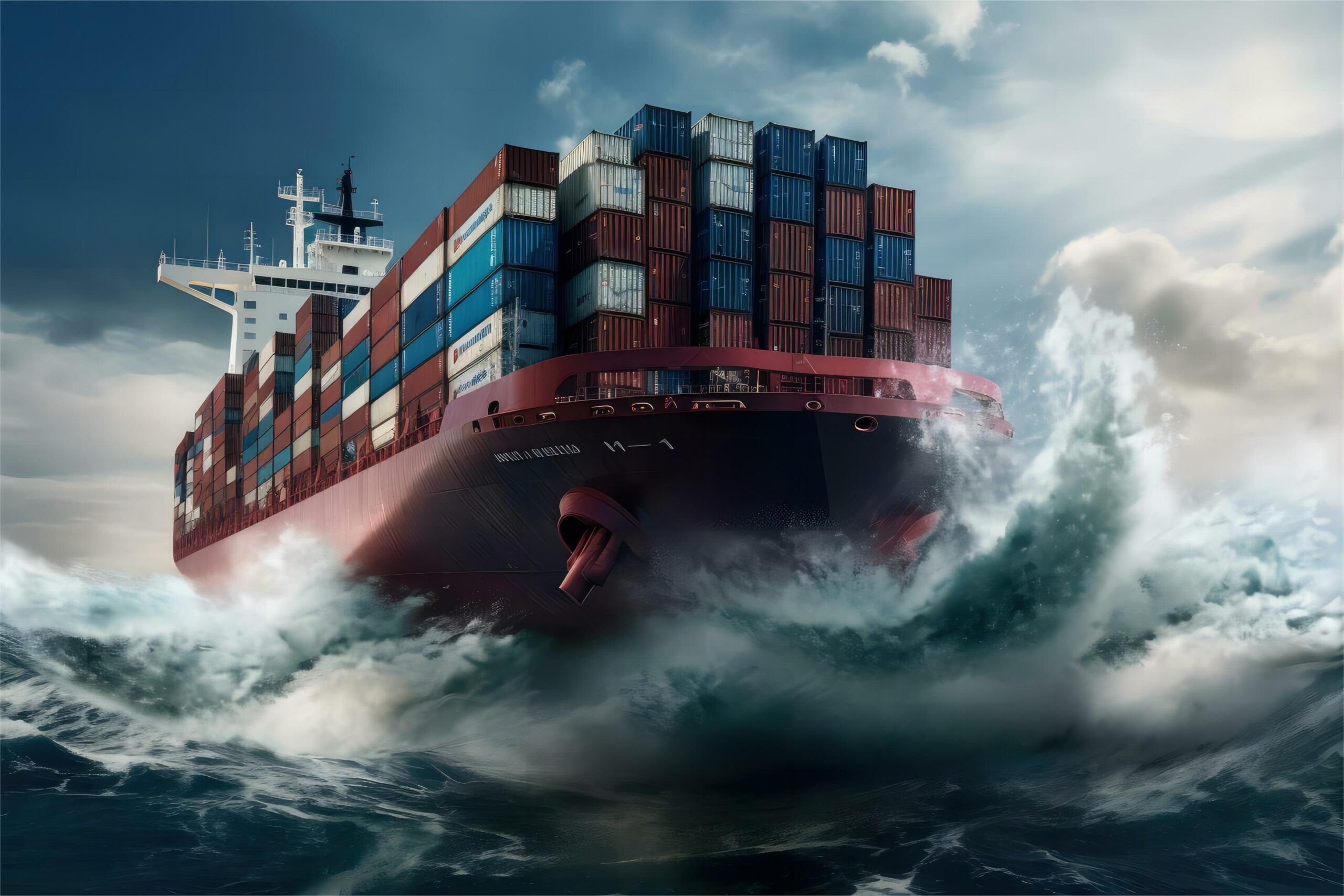
20GP FCL Demurrage Prevention for Lighting from China to Texas
Managing international logistics requires a deep understanding of potential hidden costs that can erode your profit margins. Specifically, 20GP FCL demurrage prevention for lighting from China to Texas is a critical concern for importers who deal with fragile and time-sensitive goods. By partnering with a reliable partner like Top China Freight, you can navigate the complexities of global trade with confidence. This guide provides actionable strategies to ensure your lighting fixtures arrive in the Lone Star State without incurring unnecessary storage fees at the port.

What is 20GP FCL Demurrage and Why Does it Affect Lighting Imports?
Demurrage refers to the charges assessed by shipping lines when a container remains inside the terminal beyond the allotted free time. For lighting importers, this often happens because the cargo requires specialized handling or detailed customs inspections. Consequently, failing to move the 20GP container quickly results in daily penalties that accumulate rapidly.
Lighting products are frequently classified under complex tariff codes, which can lead to longer processing times. Moreover, the fragile nature of glass components and electronic ballasts means that any delay in the supply chain increases the risk of damage during extended storage. Therefore, understanding the root causes of these delays is the first step toward effective prevention.
Texas ports, particularly Houston, have specific operational rhythms that importers must respect. Meanwhile, the high volume of goods coming from manufacturing hubs like Guzhen or Ningbo can lead to seasonal bottlenecks. Accordingly, proactive planning is the only way to safeguard your shipment from these avoidable expenses.
How to Implement 20GP FCL Demurrage Prevention for Lighting from China to Texas
Successful prevention begins long before the ship docks at a Texas port. You should prioritize securing extended free time during the initial negotiation with your carrier. Many sea freight providers offer standard free periods of 5 to 7 days, but savvy importers often request 10 to 14 days.
Digital documentation is another vital tool in your logistics arsenal. Indeed, ensuring that all commercial invoices and packing lists are uploaded to the carrier’s portal 48 hours before arrival can prevent administrative holds. Furthermore, you must verify that the Bill of Lading matches the actual cargo perfectly to avoid discrepancies.
Communication with your local drayage company in Texas is equally important. For example, scheduling a pickup appointment as soon as the vessel departs China ensures that a truck is ready the moment the container is grounded. Without a doubt, a synchronized schedule is your best defense against the ticking clock of demurrage.
The Role of Customs Brokerage in Avoiding Port Delays
Navigating the United States Customs and Border Protection requirements is a specialized task. Utilizing a professional customs brokerage service allows you to file entries early under the Remote Location Filing program. As a result, most lighting shipments can be cleared while still at sea, allowing for immediate pickup upon arrival.
Importers must also stay informed about the latest Section 301 tariffs on Chinese goods. Currently, many lighting components are subject to additional duties, which can trigger intensive audits if not declared correctly. In addition, having a valid continuous bond on file speeds up the release process significantly.
Customs brokers also assist in managing specialized certifications, such as UL or ETL listings, which may be requested during an inspection. Nevertheless, providing these documents upfront prevents the container from being moved to a Centralized Examination Station. Consequently, you save both time and the high costs associated with secondary inspections.
| Document Type | Required For | Timing | Impact on Demurrage |
|---|---|---|---|
| Commercial Invoice | Value Declaration | Pre-shipment | High – prevents entry delays |
| Packing List | Cargo Verification | Pre-shipment | Medium – avoids physical checks |
| ISF 10+2 | Security Filing | 24hrs before loading | Critical – avoids $5000 fines |
| Bill of Lading | Title Transfer | Upon departure | High – needed for release |

How Does Sea Freight Compare to Other Shipping Options?
Choosing the right mode of transport involves balancing cost, speed, and reliability. While sea freight is the standard for 20GP containers, it is not the only option for lighting products. For instance, air freight offers unmatched speed but comes at a significantly higher price point, making it suitable only for high-value or urgent samples.
Rail freight is a growing alternative for inland China routes, though it typically connects to Europe rather than the United States. On the other hand, multi-modal solutions like sea-air via Los Angeles can sometimes bypass congestion at the Panama Canal or Houston. However, the 20GP FCL route remains the most cost-effective method for bulk lighting orders.
In contrast, Less than Container Load (LCL) shipping might seem cheaper for smaller volumes but often incurs higher destination fees. Therefore, if your volume exceeds 15 cubic meters, the 20GP FCL option is generally more secure and easier to manage regarding demurrage. To summarize, each method has its own trade-offs that depend on your specific budget and timeline.
| Shipping Method | Cost Range (USD) | Transit Time | Best For |
|---|---|---|---|
| 20GP FCL (Sea) | $2,500 – $3,800 | 30-40 Days | Bulk lighting orders |
| LCL (Sea) | $150 – $250 / CBM | 35-45 Days | Small inventory restocks |
| Air Freight | $5.50 – $9.00 / kg | 5-9 Days | Urgent project deadlines |
| Express Service | $8.00 – $12.00 / kg | 3-5 Days | Prototyping and samples |
Real-World Case Studies: Lighting from China to Texas
Case Study 1: Preventing Delays in Houston. A Dallas-based wholesaler imported 20GP of LED panels from Shenzhen to Houston. By securing 14 days of free time and using pre-clearance, they avoided $1,200 in potential demurrage during a period of port congestion in Q3 2024. The total door-to-door transit time was 38 days with a landed cost of $4,100 excluding duties.
Case Study 2: Managing Documentation Errors. A boutique lighting studio in Austin faced a documentation mismatch on their 20GP shipment from Ningbo. However, because they had a professional freight forwarder, the error was corrected while the ship was in transit. Consequently, the container was picked up on day 2 of the free period, saving the client $450 in daily storage fees.
Based on early 2025 market rates, these cases highlight that preparation is more affordable than reaction. Indeed, the cost of a professional logistics partner is often lower than a single week of demurrage charges. Note: Freight rates are subject to change based on fuel costs, carrier capacity, and seasonal demand. Contact us for a current quote tailored to your specific shipment.
Navigating North American Logistics Hubs for Lighting
Shipping to North America requires an understanding of the specific infrastructure in Texas. The Port of Houston is the primary gateway, but many shipments are routed via the West Coast and then moved by rail to Dallas or San Antonio. This inland transit can sometimes complicate the demurrage clock if the ‘Last Free Day’ is not tracked correctly.
Moreover, the ‘Intermodal Equipment Provider’ or chassis availability in Texas can affect how quickly a container is moved. During peak seasons, a shortage of chassis can leave your 20GP container stranded on the dock despite having a driver ready. Therefore, working with a forwarder who has priority access to equipment is a significant advantage.
Additionally, Texas has strict weight limits for road transport that differ from other states. Consequently, if your lighting fixtures are heavy, you must ensure the 20GP is loaded to comply with local DOT regulations. Otherwise, the container might be held at a weigh station, leading to further delays and potential storage fees at the rail ramp.

Which Option Should You Choose for Your Texas Lighting Business?
If your priority is budget and you are importing more than 18 cubic meters of goods, the 20GP FCL option is the most logical choice. It provides a dedicated space for your fragile lighting, reducing the risk of damage from other shippers’ cargo. However, if you are testing a new product line, LCL might be safer to minimize initial capital outlay.
Speed-sensitive projects, such as a hotel opening in Houston, may require a hybrid approach. For example, you could ship the core fixtures via 20GP FCL and send the decorative ‘hero’ pieces via air freight to ensure they are on-site for the grand opening. In contrast, for steady inventory replenishment, a standard sea freight schedule is the most sustainable model.
Cargo type also plays a role in your decision. High-end chandeliers with delicate crystals require the stability of an FCL shipment to avoid the multiple handling points of LCL or air freight. In addition, FCL allows you to control the packing and bracing within the container, which is vital for 20GP FCL demurrage prevention for lighting from China to Texas.
Optimizing the Last Mile: Door to Door Delivery in Texas
The final leg of the journey is often where the most significant risks for demurrage and detention occur. Utilizing a door to door service ensures that the same logistics provider manages the container from the factory in China to your warehouse in Texas. This continuity eliminates the communication gaps that often lead to missed pickup windows.
Furthermore, a comprehensive service includes the return of the empty container to the port. Many importers forget that ‘detention’ charges apply if the empty 20GP is not returned within the agreed timeframe. Accordingly, your local carrier must be as efficient with the return as they were with the delivery.
Indeed, Texas geography is vast, and a delivery from Houston to El Paso can take several days. Consequently, you must factor in this transit time when calculating your container turnaround. To summarize, a holistic view of the supply chain, from the Chinese factory floor to the Texas storefront, is the only way to truly master demurrage prevention.
Mastering Your Lighting Logistics from China to Texas
In conclusion, 20GP FCL demurrage prevention for lighting from China to Texas requires a combination of early planning, accurate documentation, and strong local partnerships. By securing extended free time and utilizing pre-clearance strategies, you can significantly reduce the risk of unexpected port fees. Moreover, choosing the right shipping mode and Incoterms will provide the flexibility needed to handle market fluctuations.
As we move into 2025, the importance of a resilient supply chain cannot be overstated. Whether you are importing LED strips or luxury fixtures, the principles of efficiency and proactive communication remain the same. Trusting your cargo to experts who understand the nuances of the China-Texas route will allow you to focus on growing your business while we handle the heavy lifting.
Ready to streamline your logistics?
Professional 20GP FCL demurrage prevention for lighting from China to Texas is essential for your business success. Our team at Top China Freight specializes in navigating the complexities of the Houston and Dallas logistics markets. Contact us today to receive a customized shipping quote and ensure your lighting fixtures arrive on time and under budget. Visit our website to learn more about our comprehensive ocean freight solutions and start optimizing your supply chain now.
Request Quote