

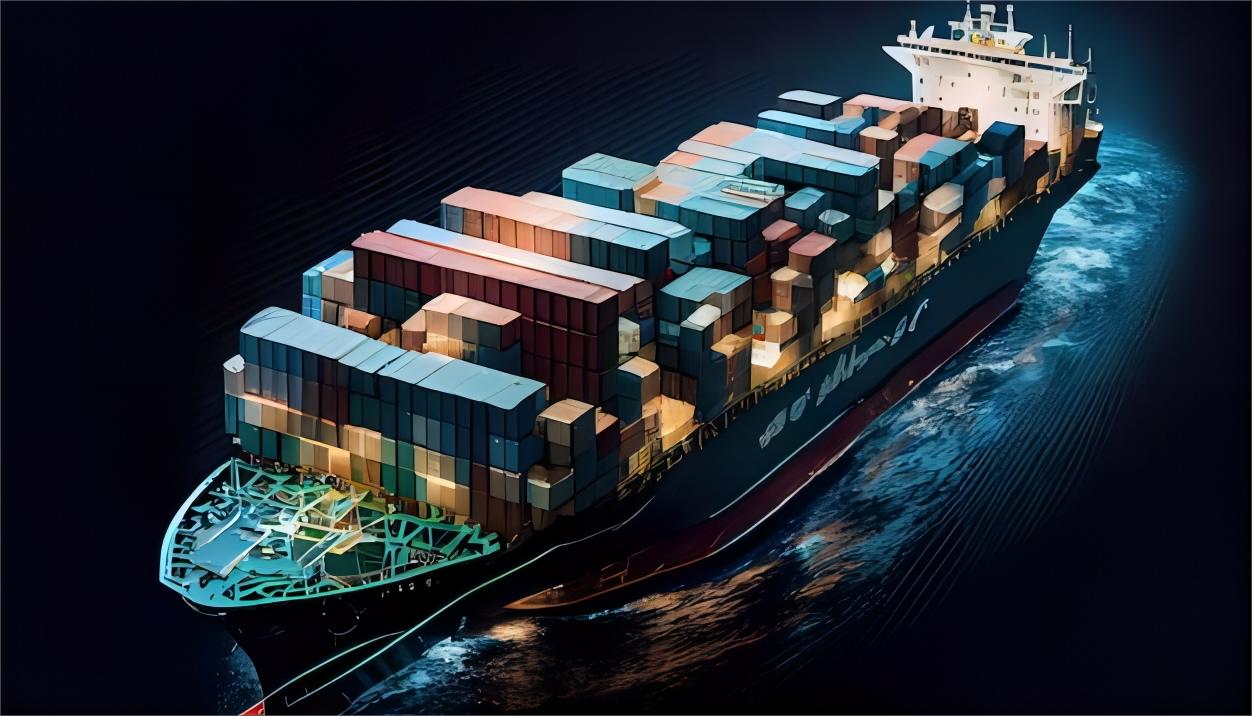
20GP FCL container shortage solution for medical equipment from China to Georgia
Securing reliable shipping space is currently a major hurdle for healthcare providers and distributors. Finding a viable 20GP FCL container shortage solution for medical equipment from China to Georgia requires a strategic approach to global logistics. Top China Freight offers specialized expertise in navigating these complex supply chain disruptions to ensure your life-saving equipment reaches its destination on time. This guide explores how to overcome equipment scarcity while maintaining the integrity of sensitive medical cargo.
What is causing the 20GP FCL container shortage for medical equipment?
Global trade imbalances have led to a significant lack of small-capacity containers at major Chinese export hubs. Consequently, shippers of medical devices often find themselves waiting weeks for a standard 20-foot unit to become available.
Increased demand for healthcare supplies worldwide has further strained the existing inventory of 20GP containers. Meanwhile, port congestion in transshipment hubs delays the return of empty units to China.
Medical equipment often requires specific handling and cleanliness standards that not every container can meet. Therefore, the pool of suitable 20GP containers is even smaller than the general market supply suggests.
Freight rates have fluctuated wildly as a result of these shortages and shifting carrier priorities. Indeed, many carriers prioritize larger 40HQ containers because they offer better profit margins per slot on the vessel.

Why is the China to Georgia route particularly challenging for medical cargo?
Georgia serves as a critical gateway for the Caucasus region, yet its direct maritime connections to China are limited. Most shipments must undergo transshipment at Mediterranean or Black Sea ports, which adds complexity to the schedule.
Transit times can be unpredictable due to regional geopolitical factors and weather conditions in the Black Sea. Furthermore, medical equipment is often high-value and fragile, requiring extra care during these transfers.
Customs regulations in Georgia for medical devices are strict and require precise documentation. Without a robust customs brokerage partner, even a small delay in equipment availability can lead to significant storage fees.
Local infrastructure at the Port of Poti or Batumi may face bottlenecks during peak seasons. Accordingly, planning for the final mile delivery to Tbilisi or other cities must be integrated into the initial shipping strategy.
Strategic 20GP FCL container shortage solution for medical equipment from China to Georgia
One effective strategy involves booking your shipment at least four to six weeks in advance. This lead time allows freight forwarders to secure equipment from inland depots before it reaches the overcrowded coastal ports.
Utilizing Shipper Owned Containers (SOC) is another powerful 20GP FCL container shortage solution for medical equipment from China to Georgia. By purchasing or leasing your own container, you bypass the carrier’s equipment scarcity entirely.
Consider sea freight options that utilize alternative ports of loading in China. While Shanghai and Ningbo are popular, smaller ports may have better equipment availability for specific routes.
Collaborating with a logistics provider that has strong carrier relationships is essential. These partners can often access ‘hidden’ inventory or priority equipment allocations that are not available to the general public.
How Does Sea Freight Compare to Other Shipping Options for Georgia?
While sea freight remains the most cost-effective method for bulk medical supplies, it is not always the most reliable during a shortage. Comparing different modes of transport helps in building a resilient supply chain.
Air freight offers unparalleled speed for urgent medical diagnostics or surgical tools. However, the costs are significantly higher than traditional ocean transport, making it suitable only for specific high-margin items.
Rail freight via the Middle Corridor has emerged as a viable middle ground for many shippers. It provides faster transit than the sea while remaining more affordable than air transport.
The following table provides an objective analysis of the primary shipping methods available for the China-Georgia route as of early 2025.
| Shipping Method | Cost Range (USD) | Transit Time | Best For |
|---|---|---|---|
| Sea Freight (20GP) | 2,200 – 3,500 | 35 – 50 Days | Bulk hospital furniture |
| Air Freight | 4.50 – 7.00/kg | 5 – 8 Days | Urgent medical devices |
| Rail Freight | 4,000 – 5,500 | 18 – 25 Days | High-value electronics |
| LCL Sea Freight | 80 – 150/CBM | 40 – 55 Days | Small lab samples |
Alternative Logistics Strategies for Medical Equipment
When 20GP containers are unavailable, shifting to LCL (Less than Container Load) can be a smart move. In this scenario, your medical equipment shares space with other cargo, which often bypasses the specific shortage of small containers.
Using air freight for the most critical components of a shipment while sending the rest by sea is a balanced approach. This hybrid strategy ensures that healthcare facilities are not left entirely without supplies.
Multi-modal solutions, such as sea-to-truck via neighboring countries, can sometimes circumvent port congestion in Georgia. For instance, shipping to a Turkish port and trucking the cargo to Tbilisi can save several days.
Note: Freight rates are subject to change based on fuel costs, carrier capacity, and seasonal demand. Contact us for a current quote tailored to your specific shipment.
Which Shipping Option Should You Choose for Your Medical Supplies?
Choosing the right method depends largely on your budget and the urgency of the medical requirement. If cost is the primary concern and the timeline is flexible, sea freight remains the standard choice.
For shipments where speed is the priority, such as during a health crisis or for time-sensitive reagents, air transport is the only logical recommendation. It minimizes the risk of damage and ensures rapid deployment.
Volume thresholds also play a role; if your cargo is under 15 CBM, LCL is usually more economical than a 20GP container. Conversely, for volumes over 20 CBM, pushing for a 40HQ might be easier than finding a 20GP.
Regardless of the method, ensuring a door to door service simplifies the process for the importer. This comprehensive service handles everything from the Chinese factory to the Georgian hospital or warehouse.
Realistic Case Studies: Navigating Container Shortages
Examining real-world examples provides clarity on how these strategies perform in practice. These cases reflect market conditions observed in late 2024 and early 2025.
Case Study 1: Overcoming Shortages with SOC Containers
Route: Shanghai, China to Poti, Georgia. Cargo: Patient monitoring systems, 18 CBM, 4,200 kg. Container: 20GP (Shipper Owned).
Shipping Details: Due to a 3-week wait for carrier equipment, the client leased an SOC. This allowed immediate loading at the factory. Total Ocean Freight: 2,850 USD. Origin Charges: 450 USD. Destination Charges: 600 USD. Total Landed Cost: 3,900 USD.
Timeline: Sea transit took 42 days via Istanbul. Customs clearance in Poti took 2 days. Total door-to-door time was 48 days. Key Insight: Using an SOC saved the client 20 days of waiting time.
Case Study 2: Urgent Medical Restock via Rail
Route: Xi’an, China to Tbilisi, Georgia. Cargo: Surgical instruments and sterile kits, 12 CBM, 2,500 kg. Container: LCL via Rail.
Shipping Details: The client could not wait for sea freight. We utilized the Middle Corridor rail service. Total Freight Cost: 4,200 USD. Customs & Duties: 1,100 USD. Total Landed Cost: 5,300 USD.
Timeline: Rail transit was 21 days. Customs clearance was completed in 24 hours in Tbilisi. Total door-to-door: 25 days. Key Insight: Rail provided a faster alternative when 20GP sea slots were overbooked.
Essential Customs Documentation for Georgia Importation
Importing medical equipment into Georgia requires a specific set of documents to avoid delays at the border. You must provide a Commercial Invoice, Packing List, and a Certificate of Origin.
Specialized medical devices may also require a Certificate of Conformity or registration with the Georgian Ministry of Health. Consequently, verifying these requirements before the cargo leaves China is vital.
The Bill of Lading must clearly state the nature of the medical goods to ensure proper handling by port authorities. Additionally, many medical items require temperature-controlled storage, which must be noted in the manifest.
Utilizing a rail freight option often involves different transit documents, such as the SMGS consignment note. Understanding these differences is key to a smooth border crossing.
Securing Your Medical Supply Chain
Navigating the current logistics landscape requires flexibility and expert guidance. By implementing a proactive 20GP FCL container shortage solution for medical equipment from China to Georgia, you can mitigate risks and control costs.
Whether you choose SOC containers, rail alternatives, or LCL shipping, the key is early planning and professional partnership. Top China Freight remains committed to providing reliable transport solutions for the medical industry during these challenging times.
To summarize, while shortages are a reality, they are not an insurmountable obstacle. With the right strategy, your medical equipment will continue to reach the patients and providers who need it most in Georgia.
Ready to streamline your logistics?
Don’t let equipment scarcity delay your vital healthcare deliveries. Contact Top China Freight today for a customized 20GP FCL container shortage solution for medical equipment from China to Georgia. Our team is ready to secure your space and streamline your logistics. Visit our website to request a quote or Send Inquiry
Request Quote