

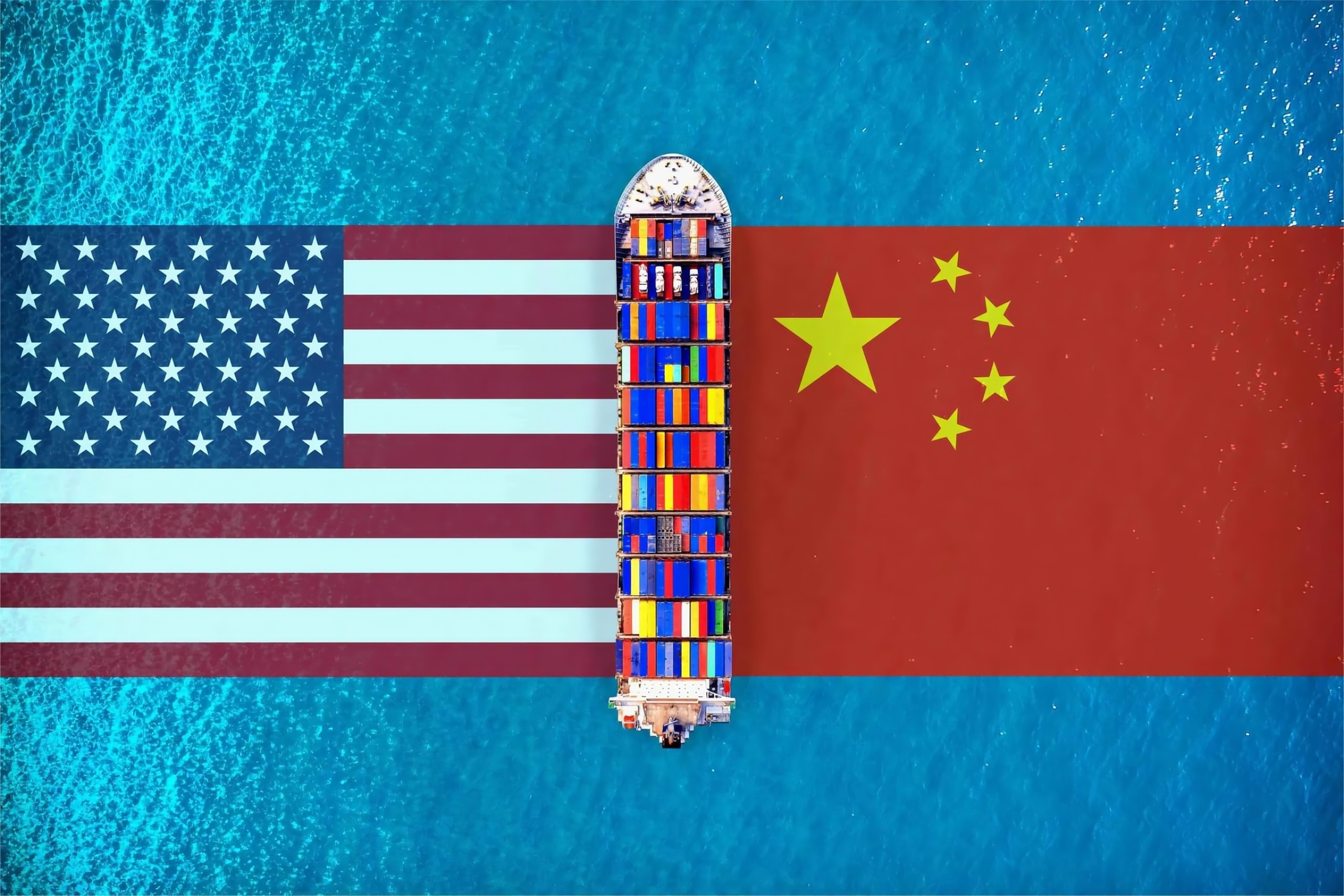
40HQ FCL Detention Prevention for Machinery from China to California
Shipping industrial equipment across the Pacific requires meticulous planning to avoid expensive port penalties. Top China Freight specializes in managing these complex logistics to ensure your cargo moves smoothly. Implementing effective 40HQ FCL detention prevention for machinery from China to California is essential for maintaining your supply chain’s profitability.
Understanding the Impact of Detention on Machinery Shipments
Managing large scale industrial imports involves navigating various fees that can quickly erode your margins. Detention refers specifically to the charges accrued when an importer holds onto a container outside of the port terminal beyond the agreed free time. For machinery shipments, these costs are often higher because specialized equipment might require more time to unload and position correctly.
Consequently, businesses must distinguish between demurrage and detention to allocate their budgets effectively. While demurrage occurs inside the port, detention starts the moment the container leaves the gate. Therefore, having a robust strategy for 40HQ FCL detention prevention for machinery from China to California is vital for any heavy equipment importer.
Moreover, the California ports of Los Angeles and Long Beach are known for their high volume and potential for congestion. Delaying the return of an empty 40HQ container by even a few days can result in thousands of dollars in penalties. Importers often find that these unexpected costs are the most significant hurdle in their transpacific logistics operations.
Additionally, the sheer size of machinery often complicates the return process. If your warehouse does not have the proper rigging equipment ready, the container sits idle while the clock ticks. Planning every step of the drayage process is the only way to ensure you stay within the carrier’s allowed free time.
Why 40HQ FCL Detention Prevention for Machinery from China to California is Critical
Shipping machinery in a 40HQ container offers significant volume advantages but also presents unique challenges. Because these containers are taller than standard units, they require specific chassis and handling equipment in California. If the correct chassis is unavailable at the terminal, your container remains stuck, and the detention countdown begins.
Furthermore, sea freight remains the most popular choice for machinery due to its cost-effectiveness. However, the reliance on ocean carriers means you are subject to their strict equipment return policies. Most carriers provide between 4 to 7 days of free time, which is remarkably short for complex industrial deliveries.
Indeed, the complexity of machinery assembly means that unloading is rarely a quick process. Unlike consumer goods that can be palletized and moved by forklift, machinery often requires cranes or specialized teams. Without 40HQ FCL detention prevention for machinery from China to California, your project costs can spiral out of control before the machine is even powered on.
How Does FCL Compare to Other Shipping Options?
Choosing the right shipping method is the first step in avoiding unnecessary fees. While FCL is standard for large machines, some smaller components might be better suited for different modes. Understanding the trade-offs between speed, cost, and risk is essential for any logistics manager.
Specifically, air freight offers the fastest transit but is prohibitively expensive for heavy machinery. Conversely, LCL shipping might seem cheaper for smaller parts but increases the risk of damage during handling. For most large industrial projects, a 40HQ FCL remains the most balanced option when managed correctly.
To help you decide, we have compiled a comparison of the most common shipping methods for the China to California route. Note that rates fluctuate based on fuel costs, carrier capacity, and seasonal demand. Contact us for a current quote tailored to your specific shipment.
| Sea Freight FCL | $2,800 – $3,800 | 14-18 Days | Large Machinery |
| Air Freight | $12,000 – $25,000 | 3-5 Days | Urgent Parts |
| LCL Shipping | $50 – $100 per CBM | 20-25 Days | Small Components |
| Express Courier | $8 – $15 per kg | 2-4 Days | Documentation |
The Role of Customs Brokerage in Preventing Delays
Efficient customs clearance is a cornerstone of 40HQ FCL detention prevention for machinery from China to California. If your paperwork is incomplete, the container will sit at the terminal or a bonded warehouse while the carrier charges you for every day of delay. Working with an experienced customs brokerage ensures that all ISF filings and HTS classifications are handled accurately.
Furthermore, machinery often falls under specific trade regulations or anti-dumping duties. Misclassifying a CNC machine or an industrial press can lead to intensive exams by US Customs and Border Protection. These exams not only cost money but also use up your precious container free time.
Consequently, we recommend submitting all documentation at least 72 hours before the vessel arrives in California. This proactive approach allows for pre-clearance, meaning the container can be picked up immediately upon discharge. By removing the customs hurdle early, you maximize the time available for transport and unloading at your facility.
Top Strategies for 40HQ FCL Detention Prevention
Implementing a multi-layered strategy is the best way to safeguard your shipment from unexpected fees. First, always negotiate for extended free time at the point of booking in China. While standard free time is limited, many carriers will grant 10 to 14 days if requested by a high-volume freight forwarder.
Secondly, coordinate closely with your drayage provider in California. Ensure they have a chassis ready and a driver scheduled for the day the container is released. Using a door to door service can simplify this coordination, as one provider manages the entire chain.
Thirdly, prepare your unloading site in advance. If the machinery requires a crane, the crane must be on-site when the truck arrives. Any delay in unloading means the driver cannot return the empty container to the port, directly leading to detention charges.
Finally, utilize technology to track your container in real-time. Knowing exactly when the container gates out allows you to start the countdown and ensure everyone in the supply chain is held accountable. This level of visibility is a hallmark of professional logistics management.
Case Studies: Successful Machinery Shipments to California
Real-world examples illustrate how proper planning prevents financial loss. In late 2024, a manufacturer in Shanghai needed to ship a 12-ton CNC machine to a facility in Ontario, California. By securing 14 days of free time during the booking phase, the importer avoided $1,200 in detention fees when their rigging crew was delayed by two days.
Another successful case involved a shipment from Shenzhen to Los Angeles. The cargo consisted of an industrial injection molder housed in a 40HQ container. By utilizing pre-clearance and a dedicated drayage partner, the container was returned to the terminal within 3 days of pickup, well within the free time window.
These scenarios demonstrate that 40HQ FCL detention prevention for machinery from China to California is not just theoretical. It is a practical set of actions that directly impacts the bottom line. Based on current market rates in early 2025, the average detention fee in Los Angeles is $150 to $300 per day, making prevention a high-return activity.
Case Study 1: CNC Machine from Shanghai
Route: Shanghai to Long Beach. Cargo: CNC Machine, 25 CBM, 12,000kg. Container: 40HQ. Carrier: Major carrier. Port of Loading: Shanghai. Port of Discharge: Long Beach. Transit: 16 days. Total Landed Cost: $4,800. Key Insight: Negotiating 14 days of free time saved the project from a $1,200 penalty.
Case Study 2: Injection Molder from Shenzhen
Route: Shenzhen to Los Angeles. Cargo: Injection Molder, 28 CBM, 15,000kg. Container: 40HQ. Carrier: Major carrier. Port of Loading: Yantian. Port of Discharge: Los Angeles. Transit: 15 days. Total Landed Cost: $5,100. Key Insight: Pre-clearing customs allowed for immediate pickup and return within 3 days.
Navigating the California Logistics Landscape
California ports are the gateway for goods entering North America, making them highly efficient but also prone to bottlenecks. Labor negotiations, chassis shortages, and rail congestion can all impact how quickly you can move your machinery. Staying informed about local port conditions is a crucial part of your prevention strategy.
Moreover, the implementation of the Clean Truck Check and other environmental regulations in California can affect drayage availability. Some older trucks are no longer allowed in the terminals, reducing the pool of available drivers. Partnering with a forwarder who has a modern fleet of drayage partners is more important than ever.
Consequently, importers should always have a ‘Plan B’ for container returns. If the primary return terminal is full, your driver needs to know where the alternative drop-off points are located. This agility is what separates successful importers from those who end up paying thousands in unnecessary fees.

Decision Framework: Which Strategy Should You Choose?
Selecting the right strategy depends on your specific priorities and cargo type. If budget is your primary concern, focusing on sea freight with negotiated free time is the most effective path. However, if speed is the priority, you might consider a premium ocean service that guarantees chassis availability and priority discharge.
Specifically, for machinery that is extremely heavy or requires specialized permits, a door-to-door solution is often the safest bet. This removes the burden of coordination from your team and places it on logistics experts. They will handle the permits, the specialized chassis, and the tight return schedule required for 40HQ FCL detention prevention for machinery from China to California.
Ultimately, the goal is to create a predictable and repeatable process. By documenting your logistics requirements and sharing them with all partners, you reduce the chance of human error. Consistency is the enemy of detention fees.
Summary of Detention Prevention Strategies
To summarize, avoiding detention fees requires a combination of early planning, expert documentation, and local coordination. By focusing on 40HQ FCL detention prevention for machinery from China to California, you can ensure that your industrial equipment arrives on site without the burden of unexpected costs. Remember that the transpacific route is dynamic, and staying ahead of market trends is the key to success.
Furthermore, leveraging the expertise of a dedicated freight forwarder can provide the peace of mind needed for complex machinery moves. Whether it is negotiating free time or ensuring pre-clearance, every step you take today saves money tomorrow. Take control of your logistics and keep your machinery projects on track and under budget.

Ready to streamline your logistics?
Protect your machinery investment by partnering with logistics experts who understand the California port system. Contact us today to secure a quote and implement a custom 40HQ FCL detention prevention for machinery from China to California strategy for your next shipment. Send inquiry:
Request Quote