

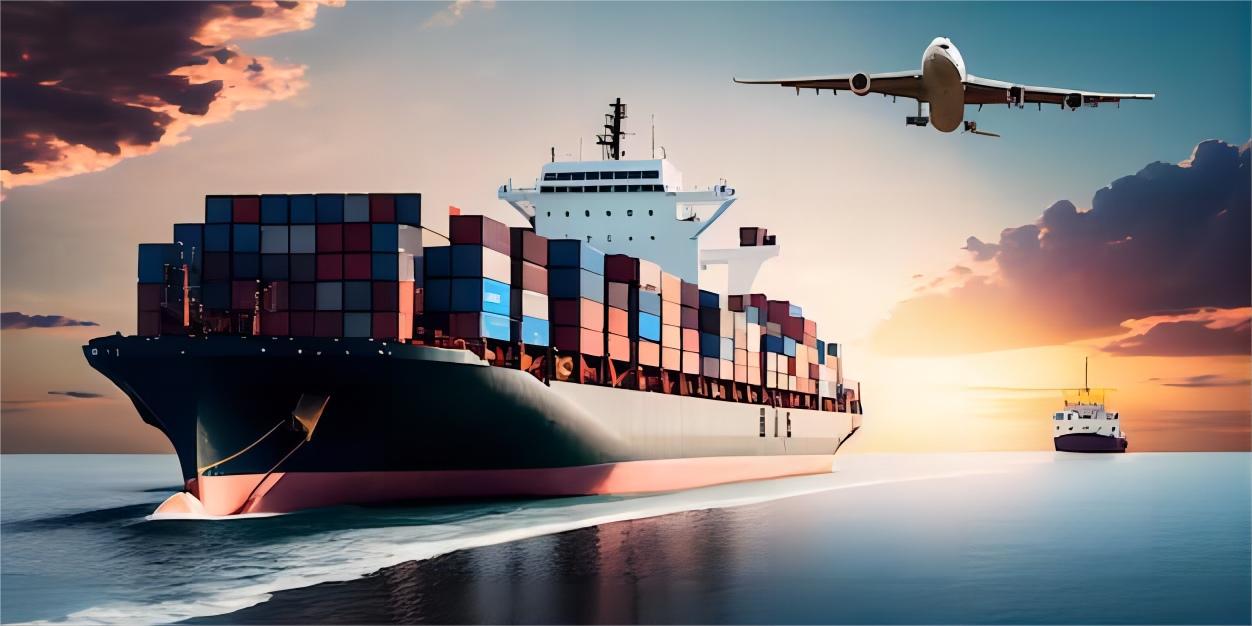
40HQ FCL best route for electronics from China to Houston: A Complete Guide
Identifying the 40HQ FCL best route for electronics from China to Houston is a critical step for businesses aiming to optimize their global supply chain. Selecting the right logistics path directly impacts your landed costs and inventory turnover in the competitive North American market. Top China Freight specializes in managing these complex international trade lanes to ensure your high-value electronics arrive safely and on schedule.

Why 40HQ FCL best route for electronics from China to Houston is Essential
Choosing a 40HQ FCL best route for electronics from China to Houston offers the maximum volume capacity for lightweight but bulky electronic goods. Consequently, this method reduces the cost per unit significantly compared to smaller container sizes or less-than-container load options.
Furthermore, using sea freight in a full container provides a dedicated space that minimizes the risk of damage during transit. Electronic components are often sensitive to handling, so a sealed 40HQ container offers the best physical protection from port to port.
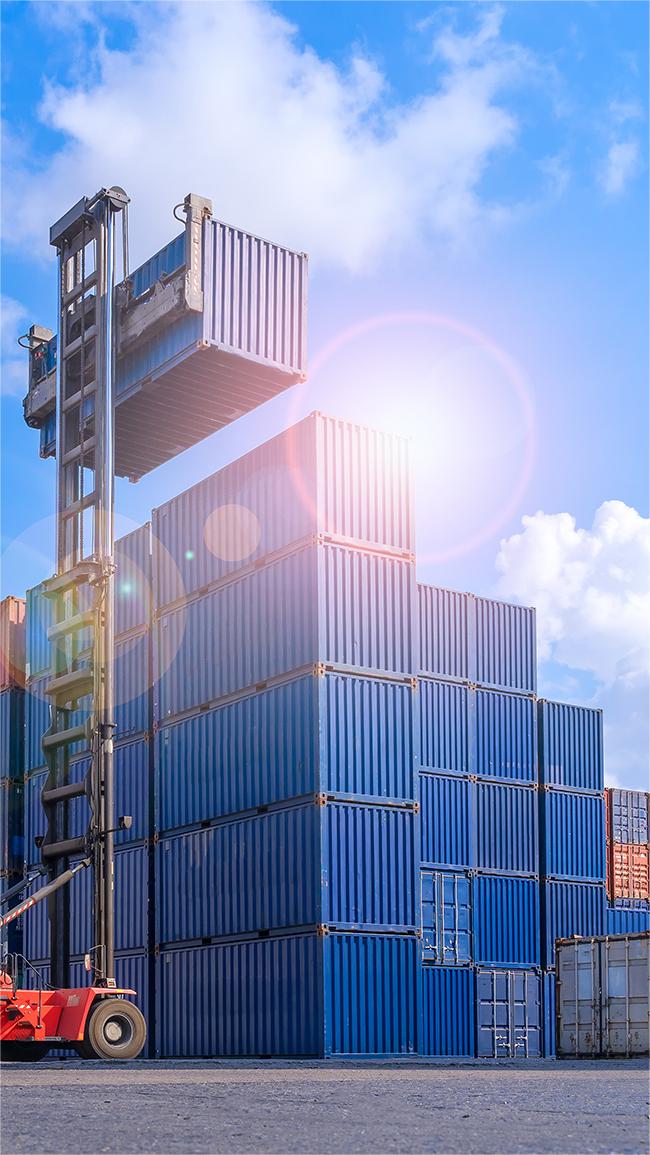
Additionally, the direct route to the Port of Houston allows businesses to bypass the heavy congestion often found at West Coast ports like Los Angeles or Long Beach. Therefore, importers can achieve a more predictable delivery schedule for their retail or manufacturing needs.
How Does 40HQ FCL Compare to Other Shipping Options?
Analyzing the 40HQ FCL best route for electronics from China to Houston requires an objective comparison against alternative transport modes. While ocean freight is the most common choice, air freight and LCL (Less than Container Load) serve specific niche requirements based on urgency and volume.
Moreover, air freight offers the fastest transit time but comes with a price tag that is often five to ten times higher than sea shipping. In contrast, LCL is suitable for small batches but increases the risk of cargo damage due to frequent handling by multiple parties.
Specifically, the table below illustrates the trade-offs between these different shipping methods for the China to Houston trade lane.
| Shipping Method | Cost Range | Transit Time | Best For |
|---|---|---|---|
| 40HQ FCL Sea | $4,500 – $6,500 | 30 – 40 Days | High volume electronics |
| LCL Sea | $80 – $150 / CBM | 35 – 45 Days | Small trial shipments |
| Air Freight | $5.50 – $9.00 / kg | 5 – 8 Days | Urgent product launches |
| Sea-Air Hybrid | $2,500 – $3,500 | 18 – 25 Days | Balanced cost and speed |
Which Option Should You Choose? A Decision Framework
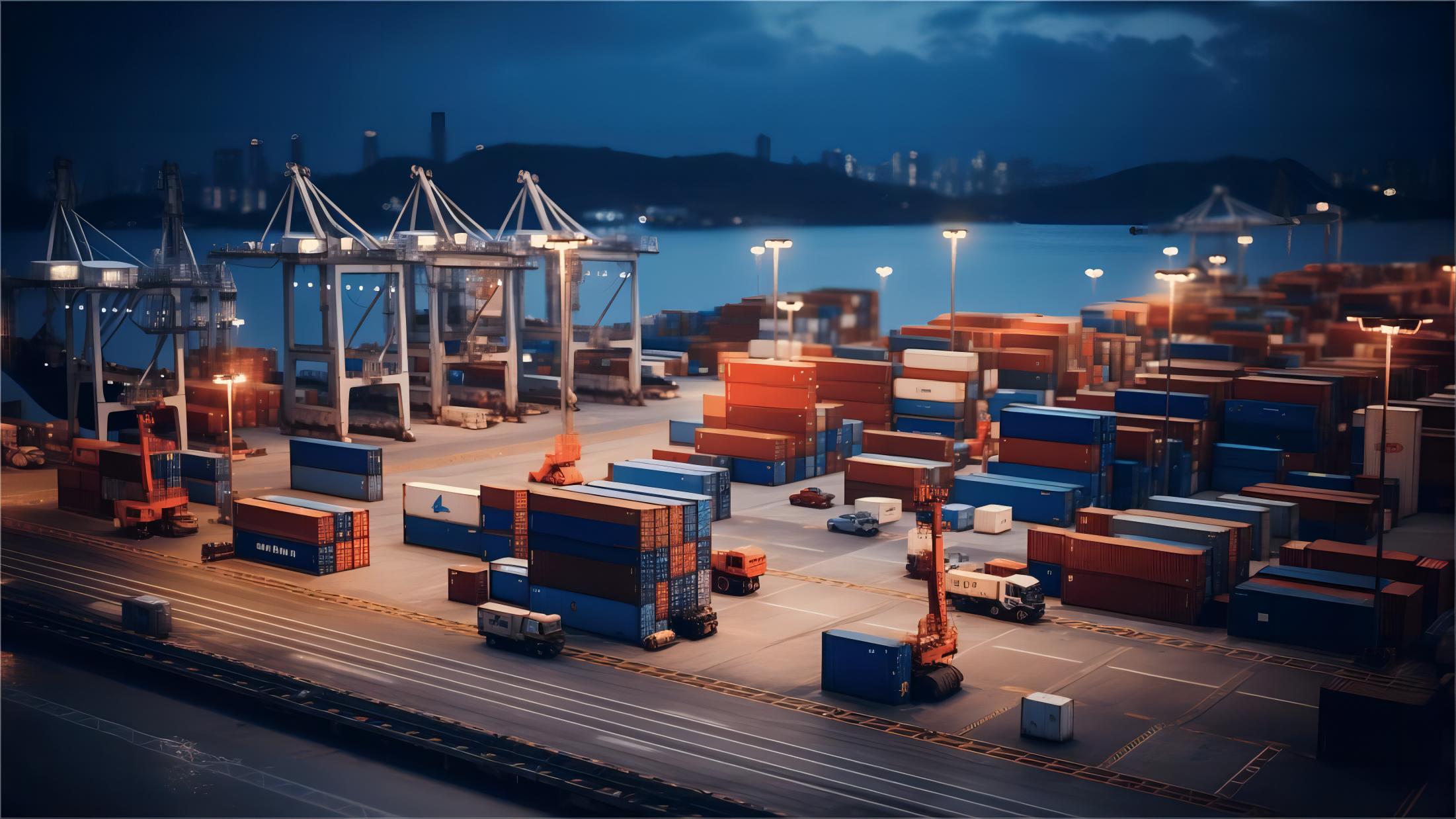
Determining your priority between budget and speed is the first step in selecting the 40HQ FCL best route for electronics from China to Houston. If your inventory levels are low and you face stockouts, the higher cost of the Mini Land Bridge (MLB) route via the West Coast may be justified.
However, if you prioritize the lowest possible freight rates, the all-water route through the Panama Canal remains the superior choice for bulk shipments. You should also consider the seasonality of electronics, as rates typically spike during the pre-holiday peak season in the third quarter.
Indeed, businesses with consistent monthly volumes should look into long-term carrier contracts to stabilize their supply chain expenses. Note: Freight rates are subject to change based on fuel costs, carrier capacity, and seasonal demand. Contact us for a current quote tailored to your specific shipment.
Understanding the Total Landed Cost to Houston
Calculating the landed cost involves more than just the ocean freight rate from the port of loading to the port of discharge. You must also account for customs brokerage fees, import duties, and local drayage costs from the Houston terminal to your warehouse.
Consequently, electronics often fall under specific tariff classifications that can significantly alter the final price of the goods. For instance, lithium batteries require special hazardous materials handling, which adds a surcharge to the standard 40HQ container rate.
Moreover, port congestion or labor negotiations at Gulf Coast ports can lead to unexpected demurrage and detention charges. Therefore, working with an experienced freight forwarder is essential to navigate these potential financial pitfalls efficiently.
Analyzing Transit Times for Electronics Shipments
Transit times for the 40HQ FCL best route for electronics from China to Houston vary depending on whether the vessel sails through the Panama Canal or the Suez Canal. Currently, most shipments from Shanghai or Shenzhen to Houston take approximately 32 to 38 days using the all-water route.
Alternatively, some carriers offer a door to door service that combines sea freight to the West Coast with rail transport to Texas. This multimodal approach can reduce the total transit time to roughly 22 to 26 days, albeit at a higher cost per container.
Notably, the table below provides an industry average for transit times from major Chinese ports to the Port of Houston as of early 2025.
| Port of Origin | Route Type | Avg. Transit | Carrier Example |
|---|---|---|---|
| Shenzhen (Yantian) | All-Water (Panama) | 34 Days | COSCO / CMA CGM |
| Shanghai | All-Water (Panama) | 36 Days | Maersk / MSC |
| Ningbo | MLB (via LA/LB) | 24 Days | ONE / HMM |
| Qingdao | All-Water (Panama) | 40 Days | Evergreen |
Navigating Customs for High-Value Electronic Cargo
Importing electronics into North America requires strict adherence to federal regulations and safety standards. Specifically, the Federal Communications Commission (FCC) requires certification for many electronic devices to ensure they do not cause harmful interference.
Additionally, you must ensure that all documentation, including the commercial invoice and packing list, accurately reflects the Harmonized System (HS) codes for each item. Failure to provide correct documentation can lead to lengthy customs holds and expensive storage fees at the Houston terminal.
Furthermore, modern logistics trends suggest that digital documentation and pre-filing through the Automated Broker Interface (ABI) can speed up the release process. Accordingly, proactive communication with your customs agent is the best way to avoid delays during the final leg of the journey.
Real Case Studies: Shipping Electronics to Houston
Examining real-world examples helps clarify the costs and timelines associated with the 40HQ FCL best route for electronics from China to Houston. Below are two scenarios based on typical market conditions in late 2024 and early 2025.
Case Study 1: Shenzhen to Houston Consumer Electronics. Route: Shenzhen Yantian to Houston Barbours Cut. Cargo: Smart home devices, 68 CBM, 14,500 kg. Container: 40HQ. Shipping Details: All-water via Panama Canal. Ocean Freight: $5,400. Origin Charges: $450. Destination Charges: $600. Customs and Duties: $4,200. Total Landed Cost: $10,650. Timeline: Booking to Loading: 5 days. Sea Transit: 33 days. Customs Clearance: 3 days. Total Door-to-Door: 41 days. Key Insight: Choosing the all-water route saved the client $1,200 compared to the rail bridge option.
Case Study 2: Shanghai to Houston Industrial Sensors. Route: Shanghai to Houston via Long Beach MLB. Cargo: Precision sensors, 62 CBM, 11,000 kg. Container: 40HQ. Shipping Details: Transshipment via rail from California. Ocean Freight: $6,700. Origin Charges: $500. Destination Charges: $850. Customs and Duties: $3,100. Total Landed Cost: $11,150. Timeline: Booking to Loading: 4 days. Sea Transit: 16 days. Rail Transit: 7 days. Customs Clearance: 2 days. Total Door-to-Door: 29 days. Key Insight: The client prioritized speed to meet a factory assembly deadline, justifying the 20 percent higher freight cost.

Summary of Electronics Logistics to Houston
Securing the 40HQ FCL best route for electronics from China to Houston involves balancing transit times, shipping costs, and customs compliance requirements. While the all-water route through the Panama Canal is often the most cost-effective, the Mini Land Bridge route offers a faster alternative for time-sensitive cargo.
Moreover, the use of a 40HQ container provides the necessary volume and protection for high-value electronic goods. By understanding the market trends of 2025 and working with professional partners, you can ensure a resilient and efficient supply chain from China to the heart of Texas.
Ready to streamline your logistics?
Optimizing your 40HQ FCL best route for electronics from China to Houston requires expert knowledge and reliable carrier relationships. Contact our logistics team today to receive a customized quote and streamline your electronics import process. Visit Top China Freight to get started with a professional consultation for your next shipment.
Request Quote