


Space Availability for FCL Shipping from China to Czech Republic: 2025 Guide
Securing consistent space availability for FCL shipping from China to Czech Republic remains a top priority for businesses looking to maintain a stable supply chain in a fluctuating market. At Top China Freight, we understand that finding reliable container space is essential for timely deliveries and cost-effective operations. This comprehensive guide explores the current market dynamics, logistics strategies, and practical tips for managing your full container load shipments efficiently while navigating the complexities of international trade.
Understanding the Current Market for Space Availability for FCL Shipping from China to Czech Republic
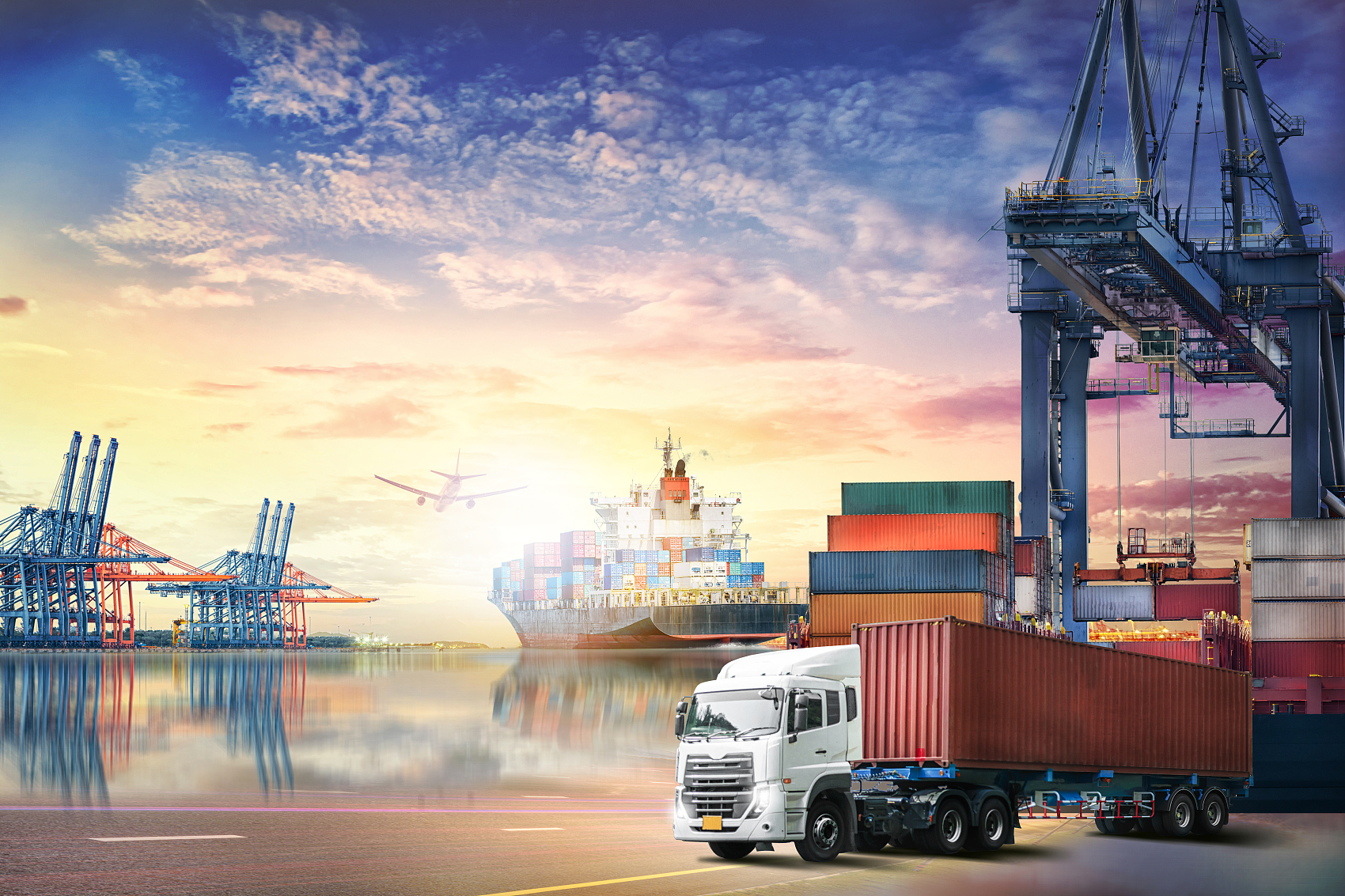
Navigating the logistics landscape in 2025 requires a deep understanding of ocean freight capacity and regional demand. Currently, space availability for FCL shipping from China to Czech Republic is influenced by global trade shifts and seasonal peaks that often lead to container shortages at major ports. Importers must stay informed about these trends to avoid significant delays in their production cycles.
Moreover, the shipping industry has seen a stabilization in freight rates after the disruptions experienced in previous years. According to industry benchmarks, while capacity has increased, the demand for reliable container shipping costs 2025 remains high among European businesses. Consequently, booking your shipments at least three to four weeks in advance is now a standard requirement for securing the best slots.
Additionally, the landlocked nature of the Czech Republic means that all FCL shipments must transit through major European gateways like Hamburg, Bremerhaven, or Koper. This multi-modal approach adds another layer to the supply chain management process. Indeed, choosing the right port of discharge is just as critical as selecting the origin port in China for maintaining a smooth flow of goods.
Key Factors Influencing FCL Shipping Rates China to Czech Republic
Specifically, several variables determine the final cost of moving a full container from Chinese manufacturing hubs to Czech destinations. Fuel surcharges, port congestion fees, and seasonal demand fluctuations play a significant role in daily pricing. Furthermore, the choice between a 20ft container and a 40ft container will impact your overall budget and space allocation.
Meanwhile, market data suggests that peak season surcharges typically begin in late summer and continue through the Golden Week holiday in October. During these periods, space availability for FCL shipping from China to Czech Republic becomes extremely tight, often leading to rolled cargo. Therefore, diversifying your port options can provide a necessary safety net for your international supply chain management.
Note: Freight rates are subject to change based on fuel costs, carrier capacity, and seasonal demand. Contact us for a current quote tailored to your specific shipment.
| Container Type | Port of Loading | Port of Discharge | Estimated Cost (USD) |
|---|---|---|---|
| 20GP | Shanghai/Ningbo | Hamburg/Prague | $1,900 – $2,600 |
| 40GP | Shenzhen/Guangzhou | Koper/Brno | $3,100 – $4,200 |
| 40HQ | Qingdao/Tianjin | Rotterdam/Prague | $3,400 – $4,600 |
How Does FCL Compare to Other Shipping Options?
Evaluating different transport modes is essential for optimizing your logistics budget and meeting delivery deadlines. While sea freight is the traditional choice for large volumes, other methods offer unique advantages depending on your cargo type. For instance, rail freight has emerged as a middle-ground solution between the speed of air and the economy of ocean travel.
On the other hand, air freight remains the fastest option for urgent shipments, though the costs are significantly higher than FCL. For smaller loads that do not fill a whole container, LCL (Less than Container Load) is available, but it often involves longer transit times due to the consolidation process. Without a doubt, FCL provides the most security and cost-efficiency for shipments exceeding 15 cubic meters.
In contrast, direct rail links from China to terminals in the Czech Republic, such as Ceska Trebova, have improved significantly. This alternative is particularly useful when ocean space is limited or when transit time needs to be reduced by 10 to 15 days. Nevertheless, sea freight remains the dominant choice for bulk commodities and heavy machinery due to its superior weight capacity.
| Shipping Method | Cost Range | Transit Time | Best For | Limitations |
|---|---|---|---|---|
| FCL Sea Freight | Low to Mid | 35-45 Days | Bulk Goods | Slowest Speed |
| Rail Freight | Medium | 18-24 Days | Electronics | Limited Capacity |
| LCL Sea Freight | Low | 40-50 Days | Small Batches | High Handling |
| Air Freight | Very High | 5-8 Days | High Value | Weight Limits |
Optimizing Transit Time to Czech Republic via Major Ports
Choosing the right gateway is a fundamental step in ensuring space availability for FCL shipping from China to Czech Republic. Most cargo enters via the Port of Hamburg or the Port of Bremerhaven in Germany before being transported by truck or rail to Prague. Alternatively, the southern route through the Port of Koper in Slovenia has become increasingly popular for shipments originating from Southern China.
As a result, transit times can vary based on the carrier’s schedule and the efficiency of the inland connection. For example, a direct vessel from Shanghai to Hamburg might take 32 days, while the subsequent rail leg to a Czech terminal adds another 3 to 5 days. Furthermore, using door to door services can simplify this process by managing all transshipment points under a single contract.
Consequently, importers should analyze the total lead time rather than just the ocean transit. Industry average for this route suggests that the total door-to-door time usually ranges from 40 to 50 days for sea freight. To summarize, planning for these durations helps in maintaining inventory levels and meeting customer expectations in the Czech market.
Alternative Strategies for Securing Container Space
When traditional ocean routes are congested, exploring rail freight can be a game-changer for your logistics strategy. This method utilizes the New Silk Road network, providing a reliable alternative when space availability for FCL shipping from China to Czech Republic is at its lowest. Many businesses now use a hybrid approach, splitting their inventory between sea and rail to balance costs and speed.
Another effective strategy involves booking with multiple carriers to mitigate the risk of rolled containers. By working with a freight forwarder that has diverse carrier relationships, you gain access to a broader pool of ocean freight capacity. Indeed, this flexibility is often the difference between a shipment arriving on time or being delayed by several weeks.
Additionally, consider the benefits of shipping during off-peak windows or utilizing secondary ports in China. While Shanghai and Ningbo are the busiest, ports like Xiamen or Qingdao might offer better space availability during peak seasons. Accordingly, adjusting your origin port can sometimes yield faster booking confirmations and more competitive rates.
Customs Clearance and Documentation in the Czech Republic
Handling the legal requirements is a critical part of the shipping process that can impact your total landed cost. Proper customs brokerage ensures that all duties and taxes are calculated correctly, preventing expensive delays at the border. In the Czech Republic, importers must provide a valid EORI number and accurate commercial invoices for every FCL shipment.
Furthermore, the shipping documentation checklist includes the Bill of Lading, Packing List, and Certificate of Origin. Inaccurate paperwork is a leading cause of customs holds, which can result in significant demurrage and detention charges at the port of discharge. Therefore, verifying all details with your supplier before the vessel departs China is a vital step in the process.
Notably, the Czech Republic follows EU customs regulations, which means goods cleared in Hamburg can often move freely to Prague under a T1 transit document. This streamlined approach reduces the administrative burden on importers. Nevertheless, staying updated on specific trade agreements and tariff changes is necessary for accurate financial planning.
Real Case Studies: FCL Shipping Success Stories
Case Study 1: Electronics Distribution to Prague. Route: Shanghai, China to Prague, Czech Republic. Cargo: Consumer electronics, 68 CBM, 18,000 kg. Container: 40HQ. Shipping Details: Carrier: COSCO; Port of Loading: Shanghai; Port of Discharge: Hamburg; Route Type: Direct to Hamburg then Rail to Prague. Cost Breakdown: Ocean Freight: $3,800; Origin Charges: $450; Destination Charges: $600; Customs and Duties: $1,200; Total Landed Cost: $6,050. Timeline: Booking to Loading: 5 days; Sea Transit: 33 days; Customs Clearance: 2 days; Total Door-to-Door: 45 days. Key Insight: Early booking during Q3 2024 secured space despite peak season demand.
Case Study 2: Furniture Import to Brno. Route: Ningbo, China to Brno, Czech Republic. Cargo: Home furniture, 28 CBM, 12,000 kg. Container: 20GP. Shipping Details: Carrier: Maersk; Port of Loading: Ningbo; Port of Discharge: Koper; Route Type: Transshipment via Singapore. Cost Breakdown: Ocean Freight: $2,100; Origin Charges: $380; Destination Charges: $550; Customs and Duties: $800; Total Landed Cost: $3,830. Timeline: Booking to Loading: 7 days; Sea Transit: 28 days; Customs Clearance: 3 days; Total Door-to-Door: 38 days. Key Insight: Using the Port of Koper saved 6 days compared to the northern route via Hamburg.
Which Option Should You Choose? Decision Framework
Determining the best shipping method depends on your specific business priorities and the nature of your cargo. If budget is your primary concern and you have flexible lead times, sea freight remains the most economical choice for FCL shipments. However, for high-value goods that require faster turnover, rail freight offers a compelling balance of speed and cost.
Specifically, consider the following criteria when making your choice. For volumes exceeding 15 CBM, always opt for FCL over LCL to minimize handling risks and reduce the cost per unit. If your cargo is time-sensitive but cannot afford air freight rates, the rail connection to the Czech Republic is the ideal alternative. In addition, always factor in the total landed cost, including inland transport from the port to your warehouse.
Ultimately, the goal is to maintain a resilient supply chain that can adapt to market changes. By understanding the space availability for FCL shipping from China to Czech Republic, you can make informed decisions that protect your bottom line. To summarize, a combination of early booking, port diversification, and professional logistics support is the most effective way to manage your international shipping needs.
Final Thoughts on FCL Shipping Logistics
Managing space availability for FCL shipping from China to Czech Republic requires a proactive approach and a deep understanding of the global logistics market. By leveraging the right ports, choosing appropriate transport modes, and staying ahead of seasonal trends, businesses can significantly improve their supply chain efficiency. Remember that consistent communication with your freight forwarder is the key to overcoming unexpected challenges and securing the best possible rates.
As we move further into 2025, the importance of flexible and informed shipping strategies cannot be overstated. Whether you are importing electronics, furniture, or industrial machinery, the principles of early planning and documentation accuracy remain the same. At <a href=”https://Top China Freight.com/shipping-from-china-to-europe/”>Europe</a> shipping specialists, we are committed to helping you navigate these complexities with ease and confidence.
Ready to streamline your logistics?
Are you ready to optimize your logistics and secure space availability for FCL shipping from China to Czech Republic? Contact our expert team today for a personalized quote and professional guidance on your next shipment. Our dedicated staff is here to ensure your cargo arrives safely and on time. Send Inquiry
Request Quote