


FCL shipping for hardware tools from China to Denmark: 2025 Guide
Businesses looking to scale their inventory often find that FCL shipping for hardware tools from China to Denmark offers the most reliable logistics solution. Navigating international waters requires a partner like Top China Freight to ensure your cargo arrives safely and on schedule. This guide explores everything from container costs to Danish customs regulations to help you optimize your supply chain.

What is FCL shipping for hardware tools from China to Denmark?
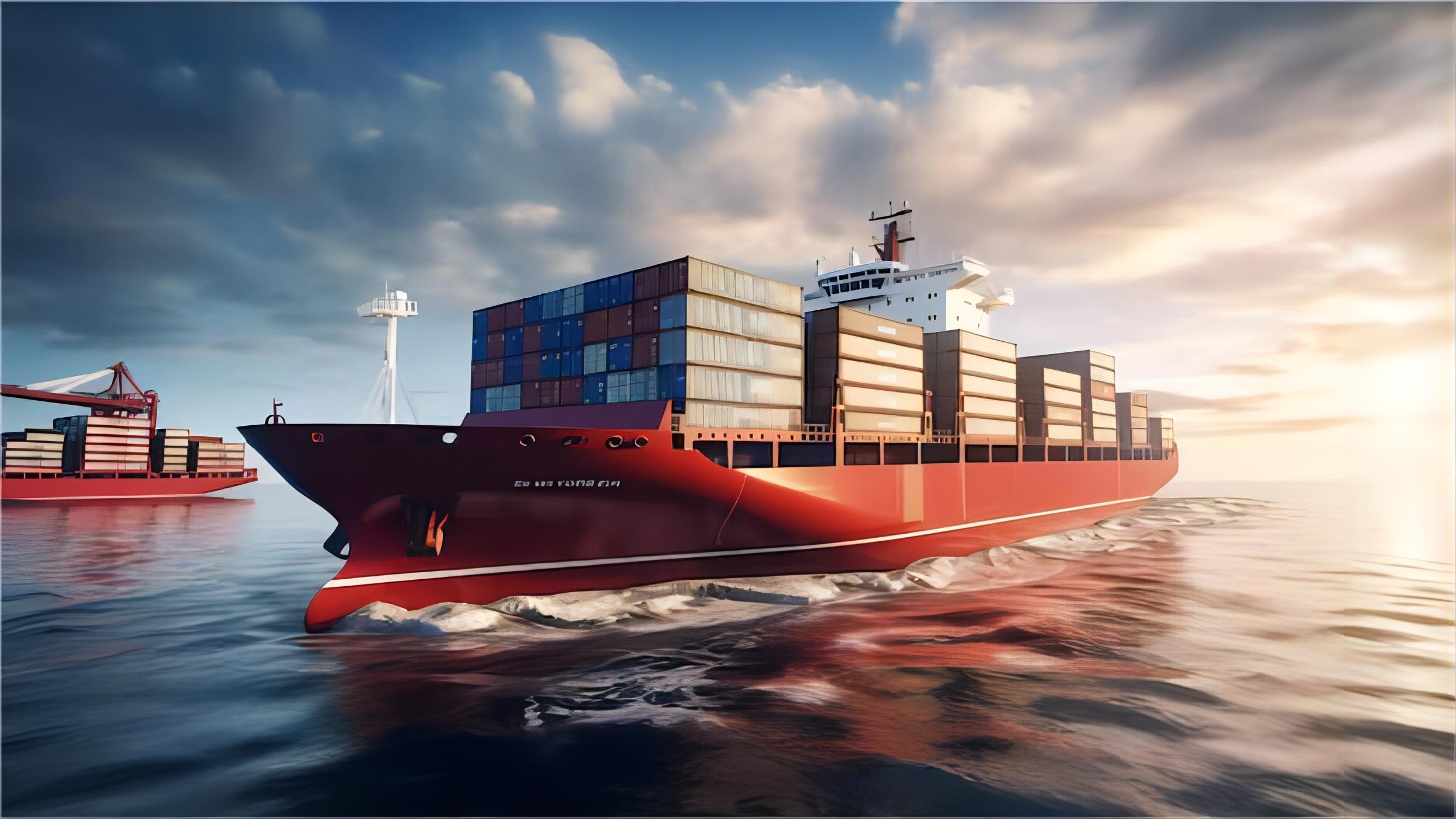
Full Container Load (FCL) refers to a shipping mode where one importer occupies an entire container for their goods. Specifically, FCL shipping for hardware tools from China to Denmark is ideal for large volumes of wrenches, drills, and hammers. Moreover, this method minimizes the risk of damage because your items are not mixed with other shippers’ cargo.
Choosing sea freight for your hardware allows you to take advantage of lower per-unit costs compared to air transport. Consequently, most wholesalers prefer 20GP or 40HQ containers for their annual inventory replenishment. Therefore, understanding the mechanics of FCL is the first step toward a successful import business.
Why choose FCL shipping for hardware tools from China to Denmark?
Security remains a top priority when transporting heavy or high-value power tools across the ocean. Because FCL containers are sealed at the factory and opened only at the destination, the chance of theft or loss decreases significantly. Additionally, FCL shipments often move faster than LCL because they bypass the time-consuming consolidation and deconsolidation processes at the port.
Cost efficiency is another major factor for businesses shipping to the Nordic region. While the upfront cost of a full container is higher, the freight rate per cubic meter is usually much lower. In addition, FCL provides better control over your delivery schedule, which is vital for maintaining a steady supply of hardware products in Danish retail stores.
How Does FCL Compare to Other Shipping Options?
Evaluating different transport modes is essential for finding the right balance between speed and budget. For instance, shipping to Europe via rail is faster than sea but more expensive. On the other hand, air freight serves urgent needs but is rarely cost-effective for heavy metal tools like anvils or large sets of wrenches.
Hybrid solutions, such as sea-air combinations, can offer a middle ground for specific logistics challenges. Nevertheless, for the majority of hardware tool imports, sea-based FCL remains the industry standard for bulk orders. Consider the following comparison to see which method fits your current business needs.
| Shipping Method | Cost Range | Transit Time | Best For |
|---|---|---|---|
| FCL Sea Freight | $2,500 – $4,200 | 30-40 Days | Bulk hardware orders |
| LCL Sea Freight | $50 – $90/CBM | 35-45 Days | Small tool batches |
| Rail Freight | $4,000 – $6,000 | 18-25 Days | Mid-size urgent stock |
| Air Freight | $5.00 – $9.00/kg | 5-8 Days | High-value prototypes |

Key ports for shipping hardware from China to Denmark
China boasts several major ports that specialize in industrial exports, including Ningbo-Zhoushan and Shanghai. Specifically, Ningbo is a primary hub for hardware tools due to its proximity to manufacturing clusters in Zhejiang province. Furthermore, choosing a direct route from these ports to Copenhagen or Aarhus can reduce transit times by several days.
Denmark’s main entry points include the Port of Copenhagen and the Port of Aarhus, which handle the bulk of containerized traffic. Meanwhile, some importers choose to discharge in Hamburg, Germany, and use trucking for the final leg to Denmark. This strategy sometimes offers more frequent sailing schedules and lower ocean freight rates depending on the carrier.
Understanding transit times and cost factors
Transit time from China to Denmark typically ranges between 30 and 45 days for sea freight. However, seasonal peaks like the Chinese New Year or the Q4 holiday season can lead to port congestion and longer wait times. Consequently, it is wise to book your container at least 3-4 weeks in advance to secure space on a vessel.
Pricing for FCL shipping for hardware tools from China to Denmark fluctuates based on fuel surcharges and carrier capacity. As of early 2025, rates have stabilized, but geopolitical factors in the Red Sea still influence route choices. Therefore, always request a current quote to account for the latest market intelligence and surcharges.
| Route Type | Avg. Transit | 20GP Rate | 40HQ Rate |
|---|---|---|---|
| Ningbo to Aarhus | 32-35 Days | $2,100 | $3,800 |
| Shanghai to Copenhagen | 34-38 Days | $2,300 | $4,000 |
| Shenzhen to Copenhagen | 30-34 Days | $2,000 | $3,600 |
Essential documentation for Danish customs brokerage
Navigating customs brokerage is a critical step in the import process to avoid costly delays at the Danish border. You must provide a Commercial Invoice, a detailed Packing List, and a Bill of Lading for every FCL shipment. Additionally, certain power tools may require CE certification to prove they meet European safety standards.
Danish customs officials are known for their efficiency but require precise documentation to calculate VAT and duties. For example, the HS code for your specific hardware tools must be accurate to ensure correct tariff application. Without a doubt, working with a professional freight forwarder simplifies this complex paperwork and ensures full compliance.
Real Case Studies: FCL Hardware Shipments
Case Study 1: Efficient Power Tool Import. Route: Ningbo, China to Copenhagen, Denmark. Cargo: Electric drills and saws, 24 CBM, 6500 kg. Container: 20GP. Shipping Details: Direct sea route via Maersk. Cost: Ocean freight $2,250, Total Landed $3,100. Timeline: 36 days door-to-door. Key Insight: Early booking during the off-peak season saved the client 15% on freight costs.
Case Study 2: Bulk Hand Tool Distribution. Route: Shanghai, China to Aarhus, Denmark. Cargo: Wrenches and screwdrivers, 62 CBM, 14000 kg. Container: 40HQ. Shipping Details: Transshipment via Singapore. Cost: Ocean freight $3,900, Total Landed $5,200. Timeline: 42 days total. Key Insight: Using a 40HQ container maximized volume efficiency, reducing the per-unit shipping cost significantly.
Managing FCL shipping for hardware tools from China to Denmark efficiently
Efficiency starts with proper container loading to prevent shifting during the long ocean voyage. Because hardware tools are often heavy, weight distribution within the container must be balanced to comply with road safety limits in Denmark. Furthermore, using high-quality pallets and shrink-wrap can protect your products from moisture and vibration.
Implementing a door to door service can further streamline your operations by handling everything from the factory gate to your warehouse. This comprehensive approach reduces the number of touchpoints and minimizes the risk of communication errors. Ultimately, a well-managed supply chain leads to better profit margins and happier customers.
Which Option Should You Choose?
Budget priority: If your primary goal is to minimize costs, FCL sea freight is the clear winner for large volumes. Speed priority: When you need stock immediately to fulfill a contract, rail freight or air freight are better alternatives despite the higher price. Cargo type: Heavy metal tools are best suited for sea containers due to weight restrictions in other transport modes.
Volume thresholds: For shipments over 15 CBM, you should almost always choose FCL over LCL to save money. In contrast, if you are testing a new product line with only 2-3 pallets, LCL might be the more sensible starting point. Always weigh these factors against your current cash flow and inventory needs.
Final thoughts on importing hardware to Denmark
Successfully managing FCL shipping for hardware tools from China to Denmark requires careful planning and a reliable logistics partner. By understanding the costs, transit times, and customs requirements, you can build a resilient supply chain that supports your business growth. Remember that while price is important, the safety and reliability of your cargo are paramount for long-term success.
Freight rates and logistics trends will continue to evolve in 2025 and beyond. Stay informed and work with professionals to ensure your hardware tools arrive in Denmark ready for the market. FCL shipping remains the most effective way to move large volumes of goods across the globe with confidence.

Ready to streamline your logistics?
Ready to streamline your FCL shipping for hardware tools from China to Denmark? Contact the experts at Top China Freight today for a customized quote and professional logistics support. Send Inquiry
Request Quote