


FCL Shipping for Electronics from China to Spain: A 2025 Logistics Guide
FCL shipping for electronics from China to Spain represents the most secure and cost-efficient method for transporting high-value technological goods across global trade lanes. Businesses often prefer this dedicated container service because it minimizes handling risks and offers superior protection for sensitive components. Top China Freight specializes in managing these complex logistics requirements to ensure your supply chain remains resilient. Consequently, understanding the nuances of full container loads is essential for any importer looking to optimize their Spanish distribution network.
Why Choose FCL Shipping for Electronics from China to Spain?
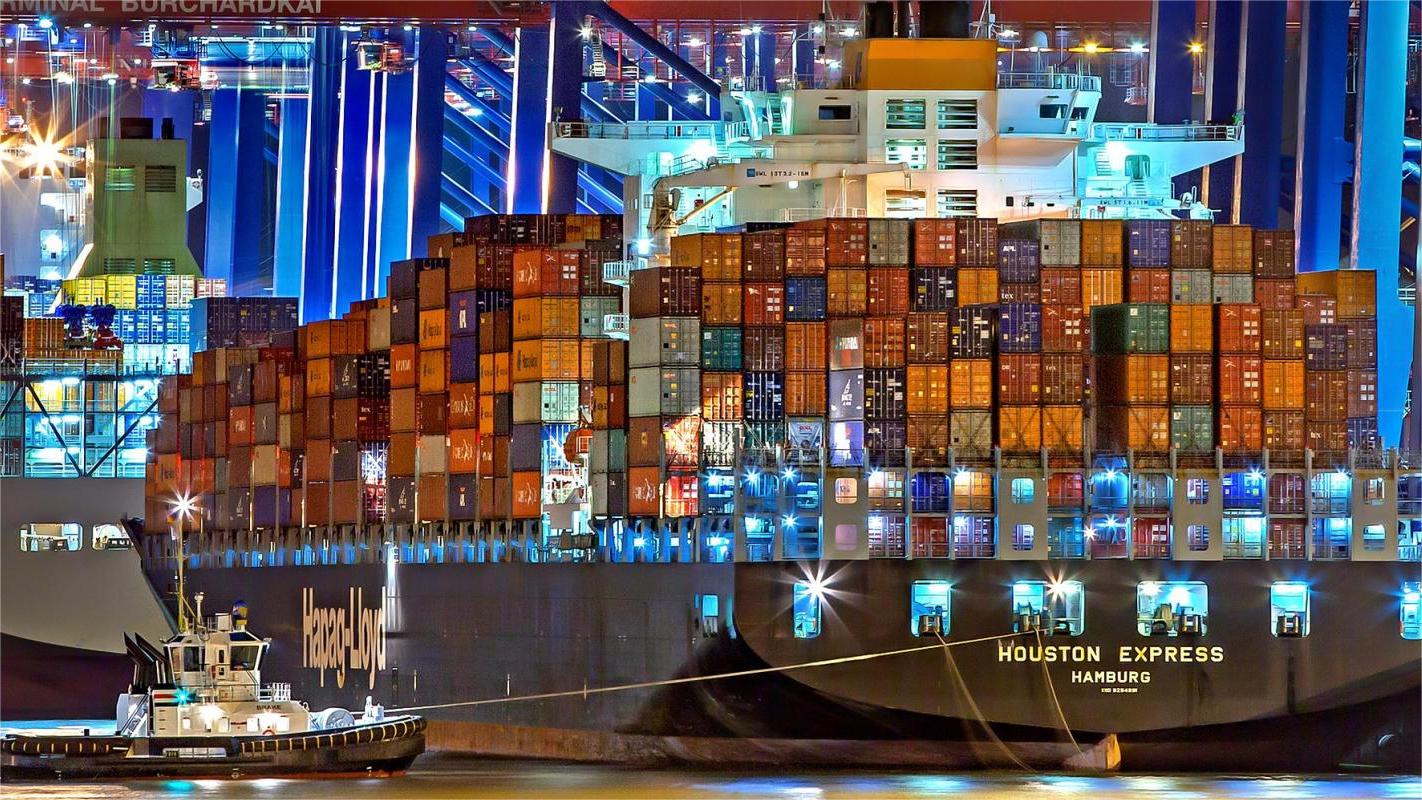
Full Container Load (FCL) services provide an exclusive environment for your cargo, which is particularly vital for delicate electronic devices. Because your goods do not share space with other shippers, the risk of contamination or physical damage from adjacent cargo is virtually eliminated.
Moreover, FCL shipments generally experience faster transit times compared to Less than Container Load (LCL) options. This speed advantage occurs because there is no need for consolidation at the origin or deconsolidation at the destination port.
Security remains a top priority for tech importers dealing with high-theft items like smartphones or laptops. Specifically, a sealed container provides a robust physical barrier that stays intact from the factory floor in Shenzhen until it reaches your warehouse in Madrid or Barcelona.
Cost-effectiveness also improves significantly when shipping large volumes of inventory. In fact, once your cargo exceeds 15 cubic meters, the price per unit in an FCL arrangement typically drops below LCL rates.
How Does FCL Compare to Other Shipping Options?
Evaluating different transport modes is necessary to balance your budget and delivery deadlines effectively. While sea freight remains the most popular choice for bulk orders, other methods offer specific advantages depending on your urgency.
Air freight provides the fastest delivery but comes with significantly higher costs that can erode profit margins on lower-end electronics. Conversely, FCL ocean shipping offers the best middle ground for consistent, high-volume inventory replenishment.
Rail freight has emerged as a viable alternative for transcontinental shipping between China and Europe. It is faster than the sea route and more affordable than air, though it may involve more vibrations that require specialized packaging for sensitive electronics.
Hybrid solutions like sea-air or rail-sea can sometimes bridge the gap during peak seasons. However, for most Spanish importers, a direct FCL ocean route to Valencia or Algeciras remains the primary strategy for stability.
| Shipping Method | Cost Range (USD) | Transit Time | Best For |
|---|---|---|---|
| FCL Sea Freight | $2,800 – $4,500 | 30-40 Days | Bulk inventory and high-value tech |
| LCL Sea Freight | $50 – $120/CBM | 35-45 Days | Small batches and samples |
| Air Freight | $4.50 – $8.50/kg | 5-8 Days | Urgent launches and repairs |
| Rail Freight | $1,800 – $3,200 | 18-24 Days | Time-sensitive inland cargo |
Understanding Container Sizes and Pricing for Tech Cargo
Selecting the right container size is the first step in optimizing your FCL shipping for electronics from China to Spain. The 20GP container is often sufficient for heavy components, while the 40HQ is the industry standard for lightweight, high-volume consumer electronics.
Freight rates fluctuate based on market demand, fuel prices, and seasonal trends. For instance, prices usually spike during the pre-Chinese New Year rush and the late summer peak season.
Additionally, you must account for local charges at both ends of the journey. These include Terminal Handling Charges (THC), documentation fees, and port security surcharges that contribute to the total landed cost.
Note: Freight rates are subject to change based on fuel costs, carrier capacity, and seasonal demand. Contact us for a current quote tailored to your specific shipment.
| Container Type | Capacity (CBM) | Payload (kg) | Common Electronics Cargo |
|---|---|---|---|
| 20ft GP | 28 – 30 | 21,000 | Batteries, heavy machinery |
| 40ft GP | 56 – 58 | 26,000 | Monitors, audio equipment |
| 40ft HQ | 68 – 70 | 26,000 | Laptops, smartphones, IoT |
Transit Times and Major Spanish Port Destinations
Shipping from major Chinese hubs like Shanghai, Ningbo, or Shenzhen to Spain typically takes between 30 and 40 days. The actual duration depends heavily on the specific port of call and whether the vessel takes a direct route or involves transshipment.
Valencia and Barcelona serve as the primary gateways for electronics entering the Spanish market. These ports offer advanced infrastructure for handling containerized goods and efficient connections to inland distribution centers.
Furthermore, Algeciras acts as a major transshipment hub near the Strait of Gibraltar. Choosing this port can sometimes reduce transit times for cargo destined for southern Spain or Portugal.
Weather conditions and port congestion can occasionally cause delays in the Mediterranean. Therefore, building a buffer of 5-7 days into your delivery schedule is a prudent management practice.
| Origin Port | Destination Port | Average Transit | Route Type |
|---|---|---|---|
| Shenzhen | Valencia | 32 Days | Direct |
| Shanghai | Barcelona | 35 Days | Direct |
| Ningbo | Algeciras | 30 Days | Direct |
| Qingdao | Bilbao | 42 Days | Transshipment |
Navigating Customs Clearance for Electronics in Spain
Customs procedures in Spain require meticulous documentation to avoid costly delays and inspections. As an importer, you must ensure that all electronic products comply with European Union safety standards, such as the CE marking.
Working with a professional customs brokerage service is highly recommended for navigating the Spanish Tax Agency (Agencia Tributaria) requirements. They can help you classify your goods correctly under the Harmonized System (HS) codes.
Import duties and Value Added Tax (VAT) are calculated based on the CIF (Cost, Insurance, and Freight) value of your shipment. Notably, Spain applies a standard VAT rate of 21% on most electronic imports.
Documentation such as the Bill of Lading, Commercial Invoice, and Packing List must be perfectly aligned. Any discrepancy in these papers can lead to the container being held at the port, incurring significant demurrage charges.
Special Considerations for Shipping Lithium Batteries
Many modern electronics contain lithium batteries, which are classified as dangerous goods under international maritime regulations. Consequently, you must adhere to strict packaging and labeling requirements to ensure safe transport.
Suppliers must provide a UN38.3 test report and a Material Safety Data Sheet (MSDS) before the carrier will accept the booking. This documentation proves that the batteries have passed rigorous safety tests.
Furthermore, specialized containers or specific stowage positions on the vessel might be required for large quantities of batteries. Failure to declare these items correctly can result in massive fines and legal liabilities.
Always verify that your freight forwarder has experience in handling hazardous materials. This expertise ensures that your FCL shipping for electronics from China to Spain remains compliant with the IMDG Code.
Case Studies: FCL Success Stories in the Spanish Market
Examining real-world scenarios helps illustrate the practical challenges and solutions involved in international logistics. Below are two cases based on early 2025 market data and actual shipping routes.
Case Study 1: High-Volume Smartphone Distribution. A Madrid-based retailer imported a 40HQ container of smartphones from Shenzhen to Barcelona. By utilizing a direct sea route, they maintained a total door-to-door timeline of 38 days. The total landed cost, including ocean freight of $3,850 and destination charges, allowed for a competitive retail margin.
Case Study 2: Industrial Sensor Components. A manufacturing firm in Bilbao required 20GP containers of sensors from Ningbo. Due to the high value and sensitivity of the components, they chose FCL over LCL to prevent handling damage. Despite a minor delay at the Suez Canal, the shipment arrived in 42 days, with customs clearance completed in just 48 hours.
These examples highlight that proactive planning and choosing the right container type are fundamental to success. Both importers benefited from fixed contract rates secured during the Q2 slack season.

Cost-Saving Strategies for Spanish Importers
Optimizing your logistics spend requires more than just searching for the lowest freight rate. For instance, consolidating orders from multiple suppliers into a single FCL container can drastically reduce your per-unit shipping costs.
Negotiating longer free-time periods at the destination port is another effective tactic. This gives you more flexibility for drayage and unloading without incurring expensive detention fees from the shipping line.
Using a door-to-door service can also simplify your billing and reduce the hidden costs associated with managing multiple vendors. This all-inclusive approach often provides better visibility and accountability throughout the transit.
Finally, consider shipping during off-peak windows when carriers are more likely to offer discounts. Monitoring market trends and maintaining a flexible inventory strategy can save thousands of dollars annually on sea freight.
Which Option Should You Choose? Decision Framework
Deciding between different logistics paths depends on your specific business priorities and the nature of your electronics cargo. If your primary goal is cost minimization for a large stock replenishment, FCL sea freight is the undisputed winner.
When speed is the absolute priority, such as during a product launch or to fulfill urgent backorders, air freight is the necessary choice. However, you must be prepared for the significant price premium associated with flight transport.
For shipments that are too large for air but too urgent for the sea, rail freight to Spain via northern European hubs offers a compelling middle ground. It provides a faster turnaround while keeping costs manageable.
Ultimately, your volume thresholds should guide your decision. If you consistently move more than 15-20 CBM per month, transitioning to a regular FCL schedule will provide the most stability for your Spanish operations.
Final Thoughts on FCL Shipping for Electronics
Mastering FCL shipping for electronics from China to Spain is a vital skill for any modern importer. By choosing full container loads, you secure your inventory, reduce per-unit costs, and gain better control over your delivery timelines. Throughout this guide, we have explored the importance of container selection, customs compliance, and cost-saving strategies.
Reliable logistics partners like Top China Freight play a crucial role in navigating the complexities of international trade. Whether you are importing smartphones to Barcelona or industrial components to Valencia, the right strategy ensures your business stays ahead of the competition. Start planning your next shipment today to take advantage of current market rates and optimized routes.
Remember that the electronics market moves fast, and your shipping strategy must keep pace. Stay informed about regulatory changes and port conditions to maintain a seamless flow of goods from China to the Spanish market.

Ready to streamline your logistics?
Streamline your supply chain today with expert FCL shipping for electronics from China to Spain. Contact Top China Freight to receive a customized quote and ensure your high-value tech cargo arrives safely and on schedule. Visit our website to start your inquiry now.
Request Quote