Open Top FCL booking process for auto parts from China to Netherlands: A 2025 Guide
The Open Top FCL booking process for auto parts from China to Netherlands is a specialized logistics operation designed for oversized components that cannot fit in standard containers. Navigating this complex supply chain requires expertise in handling out-of-gauge cargo and securing specialized equipment from major carriers. By partnering with Top China Freight, importers can streamline their operations and ensure that heavy automotive parts reach their destination safely and on schedule. This guide provides a detailed roadmap for managing these high-value shipments efficiently.
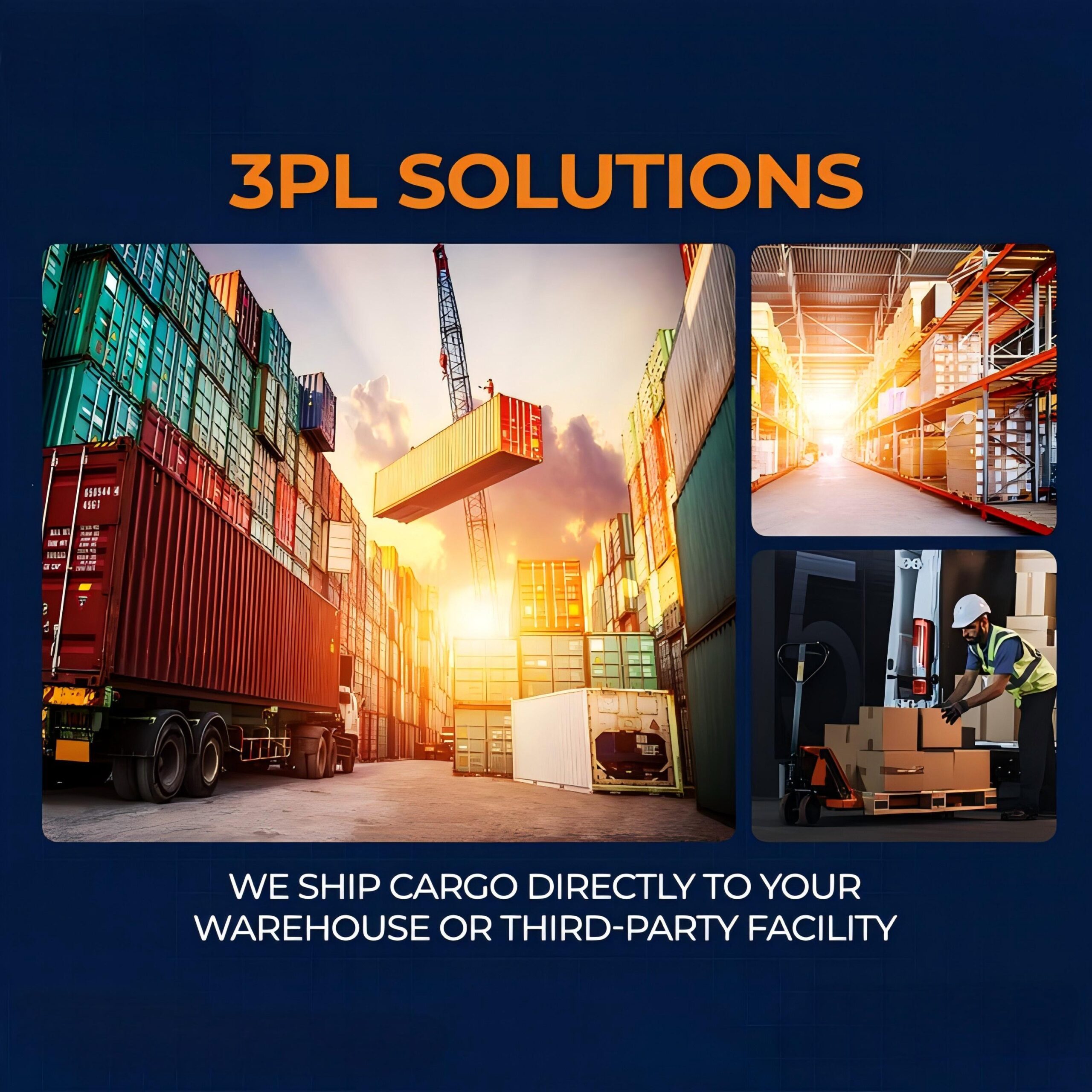
Understanding the Open Top FCL booking process for auto parts from China to Netherlands
Open top containers feature a removable tarpaulin roof instead of a solid top, which allows for the loading of bulky items via crane. This equipment is essential for shipping oversized auto parts such as large engine blocks, chassis components, and industrial manufacturing machinery. Consequently, the booking process involves verifying equipment availability, as open top units are less common than standard 20GP or 40HQ containers.
Selecting sea freight for these shipments is often the most cost-effective solution for heavy components. However, shippers must account for the additional lashing and securing requirements necessary to prevent cargo movement during transit. Furthermore, specialized cargo handling at the port of loading in China requires precise coordination between the factory and the freight forwarder.
Step-by-Step Guide to the Booking Process
The initial phase of the Open Top FCL booking process for auto parts from China to Netherlands begins with providing accurate cargo dimensions and weight. Specifically, you must specify if the cargo is in-gauge or out-of-gauge, as this significantly impacts the freight rate and slot availability on the vessel. Most shipments destined for Europe require booking at least 2 to 3 weeks in advance to secure the necessary specialized equipment.
Once the dimensions are verified, the carrier issues a booking confirmation which includes the container release order. After picking up the empty open top container, it is transported to the factory or a specialized loading warehouse for stuffing. Meanwhile, professional lashing teams secure the auto parts using steel wires and chocks to meet international maritime safety standards. Finally, the container is sealed with a heavy-duty tarpaulin before being delivered to the terminal for loading.
How Does Open Top FCL Compare to Other Shipping Options?
Choosing the right shipping method depends on your budget, cargo dimensions, and urgency. While Open Top FCL is the standard for oversized automotive components, other alternatives like Flat Rack containers or Breakbulk shipping might be necessary for extremely large items. Additionally, comparing these methods helps businesses optimize their logistics costs and transit times.
The following table provides an objective analysis of the viable alternatives for shipping auto parts from China to the Netherlands.
| Shipping Method | Cost Range | Transit Time | Best For | Limitations |
|---|---|---|---|---|
| Open Top FCL | $3,200 – $5,500 | 30-40 Days | Oversized height | Equipment scarcity |
| Flat Rack | $4,500 – $7,000 | 30-40 Days | Extra width/height | Higher cost |
| Standard FCL | $2,000 – $3,800 | 30-35 Days | Standard parts | Size restrictions |
| LCL Shipping | $80 – $150/CBM | 35-45 Days | Small components | Handling risks |
Shipping Costs and Market Trends for 2025
Freight rates for specialized equipment like open top containers are typically higher than standard dry vans due to the imbalance of equipment and the complexity of handling. As of early 2025, market data suggests that rates from China to the Netherlands have stabilized, though peak season surcharges still apply during the Q3 and Q4 periods. Moreover, fuel price fluctuations and port congestion in Rotterdam can influence the final landed cost.
Note: Freight rates are subject to change based on fuel costs, carrier capacity, and seasonal demand. Contact us for a current quote tailored to your specific shipment.
| Container Type | Origin Port | Destination Port | Estimated Rate |
|---|---|---|---|
| 20ft Open Top | Shanghai | Rotterdam | $3,200 – $4,100 |
| 40ft Open Top | Ningbo | Rotterdam | $4,800 – $6,200 |
| 40ft Open Top | Shenzhen | Amsterdam | $5,000 – $6,500 |
Transit Times and Route Planning
The sea transit time from major Chinese ports to the Netherlands generally ranges between 30 and 40 days. Direct routes from Shanghai or Ningbo to Rotterdam are the fastest, whereas transshipment via Singapore or Colombo may add 5 to 10 days to the schedule. Consequently, selecting a direct carrier is advisable for time-sensitive automotive production lines.
Industry averages for this route indicate that documentation and customs clearance usually take an additional 3 to 5 days upon arrival.
| Origin City | Carrier | Direct/Transship | Total Days | |
|---|---|---|---|---|
| Shanghai | COSCO | Direct | 32 Days | Reliable |
| Ningbo | Maersk | Direct | 34 Days | High Capacity |
| Shenzhen | MSC | Transshipment | 38 Days | Cost-effective |
Real-World Case Studies for Auto Part Shipments
Reviewing actual shipping scenarios helps importers understand the practical challenges and costs associated with the Open Top FCL booking process for auto parts from China to Netherlands. These cases reflect typical market conditions as of late 2024 and early 2025.
Case Study 1: Heavy Engine Block Export Route: Shanghai, China to Rotterdam, Netherlands Cargo: 4 Industrial Car Engines, 18 CBM, 12,000 kg Container: 20ft Open Top (In-gauge) Shipping Details: – Carrier: COSCO – Port of Loading: Shanghai – Port of Discharge: Rotterdam – Route Type: Direct Cost Breakdown: – Ocean Freight: $3,450 – Origin Charges: $450 – Destination Charges: $550 – Customs and Duties: $1,200 – Total Landed Cost: $5,650 Timeline: – Booking to Loading: 5 days – Sea Transit: 31 days – Customs Clearance: 2 days – Total Door-to-Door: 38 days Key Insight: Early booking allowed for equipment pick-up during a period of high demand.
Case Study 2: Oversized Chassis Components Route: Ningbo, China to Amsterdam, Netherlands Cargo: 2 Automotive Chassis Frames, 24 CBM, 8,500 kg Container: 40ft Open Top (Out-of-gauge height) Shipping Details: – Carrier: Maersk – Port of Loading: Ningbo – Port of Discharge: Rotterdam (Trucked to Amsterdam) – Route Type: Direct Cost Breakdown: – Ocean Freight: $5,800 – OOG Surcharge: $1,200 – Origin/Destination Charges: $1,100 – Total Landed Cost: $8,100 Timeline: – Booking to Loading: 8 days – Sea Transit: 33 days – Customs Clearance: 3 days – Total Door-to-Door: 44 days Key Insight: Professional lashing was required to secure the frames, which added 2 days to the loading process but prevented damage.
Customs Brokerage and Documentation Requirements
Navigating customs brokerage is a vital step in the import process. For auto parts, you must provide a detailed commercial invoice, a packing list, and the Bill of Lading. Furthermore, certain automotive components may require a Certificate of Origin or specific technical compliance documents to satisfy European Union safety standards.
Incorrect HS code classification can lead to significant delays and fines at the Rotterdam port. Therefore, it is essential to verify all paperwork before the vessel departs from China. In addition, ensure that the wooden packaging used for lashing is ISPM 15 certified to avoid quarantine issues upon arrival.
Which Shipping Option Should You Choose?
The decision framework for selecting a shipping method depends on three primary factors: dimensions, budget, and speed. If your cargo exceeds the height of a standard container but fits within the width, Open Top FCL is your best option. However, for shipments that are extremely urgent, you might consider door to door solutions that combine different modes of transport.
Budget Priority: Choose Open Top FCL for in-gauge cargo to avoid heavy surcharges. Speed Priority: Opt for direct sea routes from major hubs like Shanghai. Cargo Type: Always use open top for top-loading heavy machinery or engines that require crane assistance.
Final Thoughts on Specialized Auto Part Logistics
Successfully managing the Open Top FCL booking process for auto parts from China to Netherlands requires a combination of early planning, precise documentation, and expert cargo handling. By understanding the equipment requirements and market rates, businesses can significantly reduce their logistics risks and costs.
Whether you are importing large engines or complex chassis frames, choosing the right freight forwarder is the most important decision you will make. Consequently, prioritizing reliability and expertise will ensure your automotive supply chain remains resilient and efficient in the face of global logistics challenges.
Ready to streamline your logistics?
Streamline your Open Top FCL booking process for auto parts from China to Netherlands today. Contact our expert team at Top China Freight to receive a competitive quote and ensure your oversized cargo is handled with professional care. Visit our website to start your inquiry. Send Inquiry: Visit https://Top China Freight.com/
Request Quote