


20GP FCL tracking for auto parts from China to Ireland
Managing 20GP FCL tracking for auto parts from China to Ireland is a critical task for businesses maintaining a lean supply chain. Navigating the complexities of international logistics requires a reliable partner like Top China Freight to ensure your cargo arrives on schedule. This comprehensive guide explores every aspect of the shipping process, from real-time monitoring to navigating customs regulations at Irish ports.

What Is 20GP FCL Tracking for Auto Parts from China to Ireland?
Full Container Load (FCL) shipping using a 20GP container is the standard for transporting heavy automotive components. Consequently, 20GP FCL tracking for auto parts from China to Ireland allows importers to monitor the exact location of their goods throughout the maritime journey. This visibility is essential for managing inventory levels and meeting production deadlines in the Irish market.
Tracking systems utilize the unique container number assigned at the port of loading, such as Shanghai or Ningbo. Furthermore, these digital tools provide updates on vessel departure, transshipment milestones, and estimated arrival times at Dublin or Cork. Indeed, having precise data helps businesses mitigate the risks of port congestion and unforeseen delays.
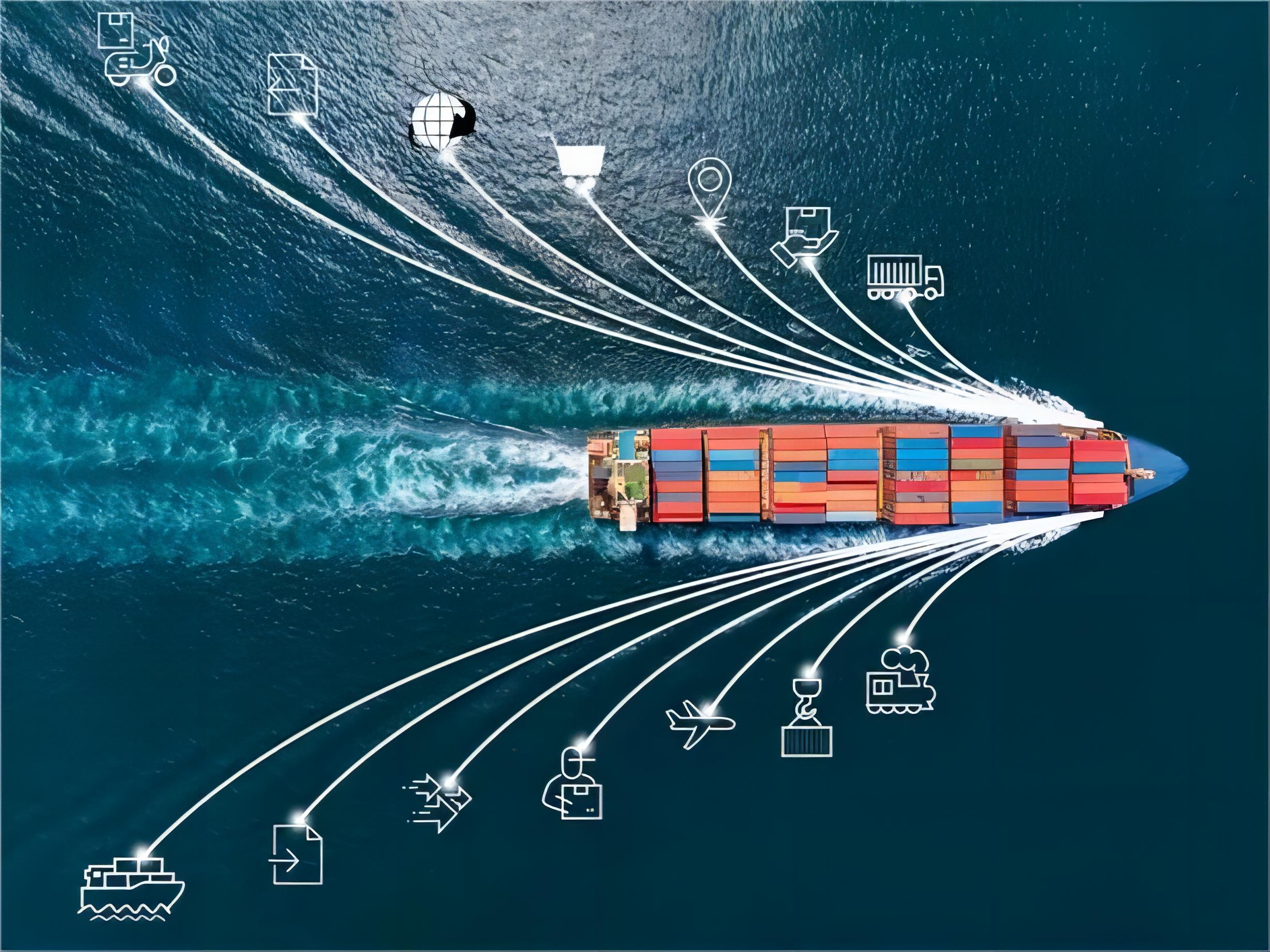
Modern logistics platforms integrate GPS and satellite data to provide high-frequency updates. Therefore, you can see if your shipment is currently crossing the Indian Ocean or entering the Mediterranean Sea. This level of transparency is no longer a luxury but a fundamental requirement for modern international trade.
How Does 20GP FCL Compare to Other Shipping Options?
Choosing the right shipping method depends on your budget, volume, and urgency. While sea freight remains the most cost-effective choice for bulk auto parts, other alternatives exist for different scenarios. For instance, smaller shipments might benefit from Less than Container Load (LCL) services.
Air freight offers the fastest transit times but comes at a significantly higher price point. On the other hand, rail freight is an emerging middle-ground option for some European destinations, though sea freight remains dominant for Ireland due to its island geography. Consequently, most automotive importers prioritize the 20GP container for its balance of security and cost.
| Shipping Method | Cost Range | Transit Time | Best For |
|---|---|---|---|
| 20GP FCL Sea | $1,800 – $2,600 | 30 – 40 Days | Bulk heavy parts |
| Air Freight | $8,000 – $12,000 | 5 – 8 Days | Urgent repairs |
| LCL Sea | $100 – $200 per CBM | 35 – 45 Days | Small inventory |
| Express | $15,000+ | 3 – 5 Days | Small samples |
Why Is Real-Time Tracking Vital for Automotive Components?
Automotive supply chains often operate on a just-in-time basis. Accordingly, any delay in receiving engine components or body panels can halt assembly lines or repair schedules. Effective 20GP FCL tracking for auto parts from China to Ireland ensures that logistics managers can adjust their operations based on real-time data.
Moreover, tracking provides a layer of security against theft and loss. Because auto parts are high-value items, knowing the container is securely on the designated vessel provides peace of mind. Without a doubt, digital tracking has revolutionized how Irish businesses manage their relationships with Chinese suppliers.

In addition to location, some advanced tracking sensors monitor temperature and humidity. This is particularly useful for sensitive electronic components used in modern electric vehicles. Consequently, the data collected during transit can be used to verify the integrity of the cargo upon arrival.
Navigating Customs with Professional Assistance
Importing goods into Ireland requires strict adherence to EU customs regulations. Therefore, utilizing a professional customs brokerage service is highly recommended to avoid costly penalties. These experts ensure that all HS codes for auto parts are correctly declared and that duties are paid promptly.
Proper documentation is the backbone of a successful import process. For example, you will need a commercial invoice, a packing list, and the Bill of Lading. Furthermore, specific certificates of origin may be required to benefit from trade agreements between China and the European Union.
Customs delays are a common bottleneck in international shipping. However, with accurate 20GP FCL tracking for auto parts from China to Ireland, your broker can prepare the necessary filings before the ship even docks. This proactive approach significantly reduces the time your container spends sitting in the port.
Typical Transit Times and Routes to Ireland
Shipping from China to Ireland usually involves a journey of approximately 30 to 45 days. Most vessels depart from major hubs like Shenzhen or Qingdao and travel through the Suez Canal. Meanwhile, the container may undergo transshipment at major European ports like Rotterdam or Antwerp before reaching Dublin.
Weather conditions and seasonal demand can influence these timelines. For instance, the peak season leading up to the holidays often sees increased congestion at transshipment hubs. Nevertheless, standard sea freight remains the most reliable way to move large volumes of automotive stock across such a vast distance.
Choosing a direct service, if available, can save several days of transit time. However, these routes are often more expensive than those involving transshipment. Consequently, importers must weigh the benefits of speed against the necessity of maintaining low shipping costs.
| Origin Port | Destination Port | Average Transit | Route Type |
|---|---|---|---|
| Shanghai | Dublin | 35 Days | Transshipment |
| Shenzhen | Cork | 32 Days | Direct/Fast |
| Ningbo | Dublin | 38 Days | Transshipment |
| Qingdao | Dublin | 42 Days | Multi-stop |
Cost Factors for 20GP FCL Shipments
Several variables influence the total cost of your shipment. Ocean freight rates fluctuate based on fuel surcharges and carrier capacity. Additionally, origin charges such as Terminal Handling Charges (THC) and documentation fees must be factored into your budget.
Landed costs also include Irish VAT and import duties, which vary depending on the specific type of auto parts. For example, engines may have different duty rates than brake pads. Therefore, it is essential to conduct a thorough cost analysis before finalizing your purchase order from China.
Note: Freight rates are subject to change based on fuel costs, carrier capacity, and seasonal demand. Contact us for a current quote tailored to your specific shipment.
Case Study: Successful 20GP FCL Delivery to Dublin
Case Study 1: Efficient Engine Component Import. Route: Shanghai, China to Dublin, Ireland. Cargo: Aluminum engine blocks, 18 CBM, 12,000 kg. Container: 20GP. Shipping Details: Carrier: COSCO, Port of Loading: Shanghai, Port of Discharge: Dublin via Rotterdam. Ocean Freight: $2,100. Origin Charges: $350. Destination Charges: $420. Total Landed Cost: $2,870. Timeline: Booking to Loading: 4 days, Sea Transit: 34 days, Customs Clearance: 2 days, Total Door-to-Door: 40 days. Key Insight: Early documentation filing prevented delays at the Rotterdam transshipment hub.
Case Study 2: Brake Assembly Logistics. Route: Ningbo, China to Cork, Ireland. Cargo: Brake discs and pads, 22 CBM, 15,500 kg. Container: 20GP. Shipping Details: Carrier: Maersk, Port of Loading: Ningbo, Port of Discharge: Cork. Ocean Freight: $2,250. Origin Charges: $300. Destination Charges: $500. Total Landed Cost: $3,050. Timeline: Booking to Loading: 5 days, Sea Transit: 31 days, Customs Clearance: 3 days, Total Door-to-Door: 39 days. Key Insight: Using a direct-feeder service from a major hub reduced transit time by 5 days compared to previous shipments.
Which Shipping Strategy Is Best for You?
If budget is your primary concern, choosing a door to door sea freight service is usually the best option. This approach simplifies the logistics chain by having one provider manage the entire journey. Furthermore, it often results in lower overall costs compared to booking each leg of the journey separately.
However, if you are dealing with a stockout situation, air freight might be necessary despite the cost. In such cases, 20GP FCL tracking for auto parts from China to Ireland is replaced by airway bill tracking. This allows for hourly updates on the cargo’s progress through international airports.
For regular shipments, many businesses utilize shipping from China to Europe hubs to distribute parts across Ireland and the UK. This regional strategy can provide greater flexibility in responding to market demand. Consequently, your choice of strategy should align with your long-term business goals.
Final Thoughts on 20GP FCL Tracking
Mastering 20GP FCL tracking for auto parts from China to Ireland is essential for any serious importer. By understanding the nuances of transit times, costs, and customs requirements, you can build a more resilient supply chain. Additionally, partnering with experienced freight forwarders provides the expertise needed to navigate the challenges of international logistics.
Indeed, the combination of real-time data and professional brokerage services ensures that your business remains competitive. As global trade continues to evolve, staying informed about the latest tracking technologies will remain a key advantage. Start optimizing your shipping process today to ensure long-term success in the Irish automotive market.
Ready to streamline your logistics?
Streamline your supply chain today with professional 20GP FCL tracking for auto parts from China to Ireland. Contact Top China Freight for a personalized quote and expert guidance on your next shipment. Visit our website to get started with a free consultation and ensure your automotive cargo arrives safely and on time.
Request Quote