China FCL DDU shipping to Belgium: Complete 2025 Logistics Guide
Shipping goods across continents requires a strategic approach to balance speed and cost effectively. For businesses importing large volumes, China FCL DDU shipping to Belgium offers a robust solution that simplifies the supply chain. By partnering with Top China Freight, you can navigate the complexities of international logistics with confidence. This guide explores everything from ocean freight rates to Belgian customs regulations to ensure your cargo arrives safely and on time.
Understanding China FCL DDU shipping to Belgium
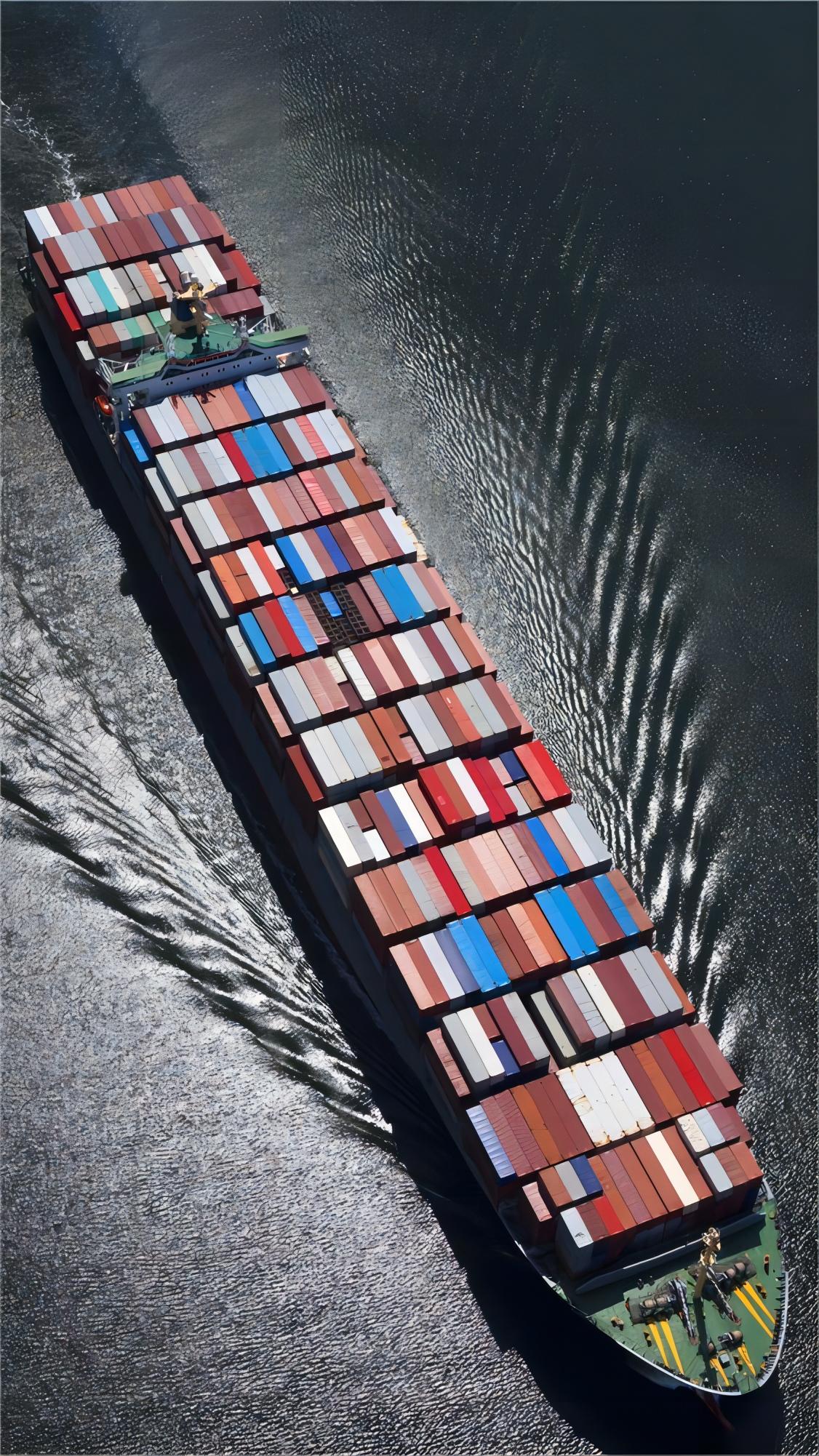
Full Container Load (FCL) shipping remains the gold standard for businesses moving significant quantities of merchandise from China to the European market. Specifically, the DDU (Delivered Duty Unpaid) incoterm means the seller handles all transportation to the destination, while the buyer manages import duties and taxes. This arrangement provides a clear division of responsibilities that many Belgian importers find advantageous for their accounting and tax planning.
Consequently, choosing this method allows you to utilize the entire space of a 20ft or 40ft container, which reduces the risk of damage compared to shared loads. Furthermore, FCL shipments generally face fewer delays at the port because they do not require the consolidation or deconsolidation steps associated with smaller shipments. This efficiency is vital for maintaining a steady flow in your logistics supply chain.
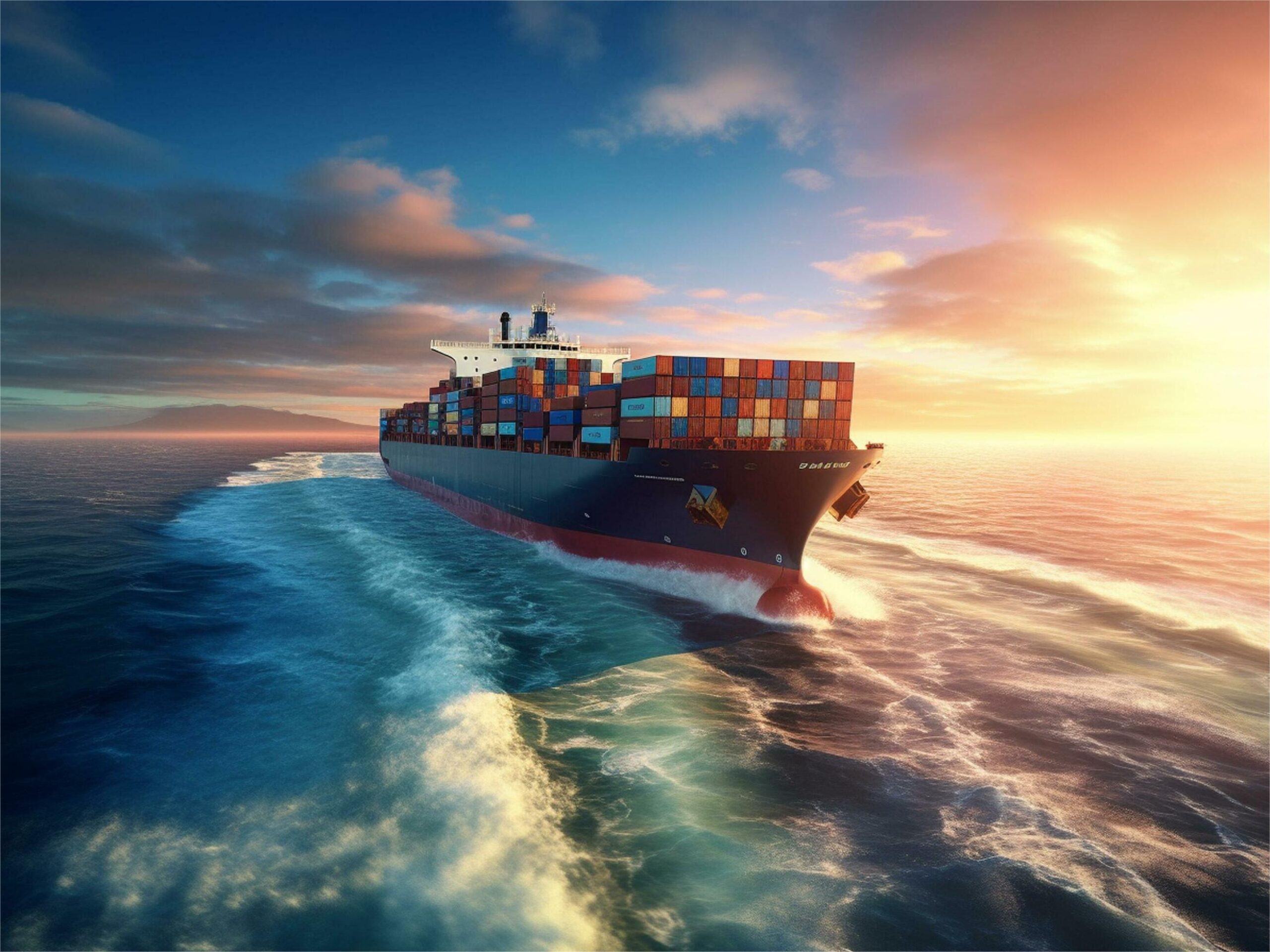
Moreover, Belgian ports like Antwerp and Zeebrugge serve as major gateways for the entire European Union, offering world-class infrastructure. Utilizing sea freight for these routes ensures that you benefit from the most economical rates available for bulk cargo. Indeed, the scale of maritime transport makes it the most sustainable and cost-effective choice for long-distance trade.
How China FCL DDU shipping to Belgium Compare to Other Shipping Options?
Evaluating different transport modes is essential for optimizing your delivery schedule and budget. While FCL is excellent for volume, some shipments might require the speed of air freight or the balance of rail options. Each method presents unique trade-offs regarding transit time and total landed cost.
In contrast, rail freight has emerged as a popular middle ground, connecting Chinese industrial hubs directly to Europe via the New Silk Road. This option is faster than sea but significantly cheaper than air, making it ideal for high-value industrial components. However, for the majority of consumer goods, the high capacity of FCL sea containers remains unbeatable.
Additionally, businesses must consider the difference between FCL and LCL (Less than Container Load). If your cargo volume is below 15 cubic meters, LCL might seem cheaper, but FCL offers better security and faster handling at the destination. Therefore, calculating your specific volume thresholds is a critical step in your decision-making process.
| Shipping Method | Cost Range | Transit Time | Best For |
|---|---|---|---|
| Sea Freight FCL | $2,500 – $4,500 | 30-40 Days | Bulk goods and high volume |
| Air Freight | $5.00 – $9.50/kg | 5-8 Days | Urgent and high-value items |
| Rail Freight | $4,000 – $6,500 | 18-25 Days | Mid-range speed and budget |
| Express Service | $8.00 – $15.00/kg | 3-5 Days | Samples and small parcels |
Which Shipping Option Should You Choose for Belgium?
Determining the right logistics strategy depends largely on your specific priorities and the nature of your products. If budget priority is your main concern, sea freight FCL is the undisputed winner for large shipments. Conversely, if speed priority is paramount for a product launch, air transport is the necessary choice despite the higher expense.
Cargo type considerations also play a significant role in this selection. For example, heavy machinery or bulky furniture is best suited for 40HQ containers due to their height and volume capacity. Meanwhile, fragile electronics might benefit from the smoother handling found in rail or air transport solutions.
Volume thresholds are the final deciding factor for most importers. As a general rule, once your shipment exceeds 15 CBM, the cost of a full 20GP container often becomes comparable to LCL rates while offering superior protection. Consequently, always request a quote for both options to see where the current market pricing sits.
Benefits of FCL DDU Shipping for Belgian Importers
Opting for China FCL DDU shipping to Belgium provides several strategic advantages for modern businesses. One major benefit is the enhanced security provided by a sealed container that only the shipper and the consignee handle. This minimizes the risk of theft or accidental damage during the various stages of cargo handling.
Furthermore, the DDU term allows Belgian companies to maintain control over their local tax obligations and VAT recovery. Since the buyer is responsible for duties, they can use their own EORI number and established relationships with local authorities. This transparency is often preferred by accounting departments for better financial oversight.
Specifically, door to door logistics under DDU terms mean the forwarder manages the complex international segments. This includes the inland haulage in China, the ocean voyage, and the final delivery to your warehouse in Brussels, Antwerp, or Liege. As a result, your team can focus on sales and marketing rather than tracking individual trucks.
Transit Time Estimates for Sea Freight to Belgium
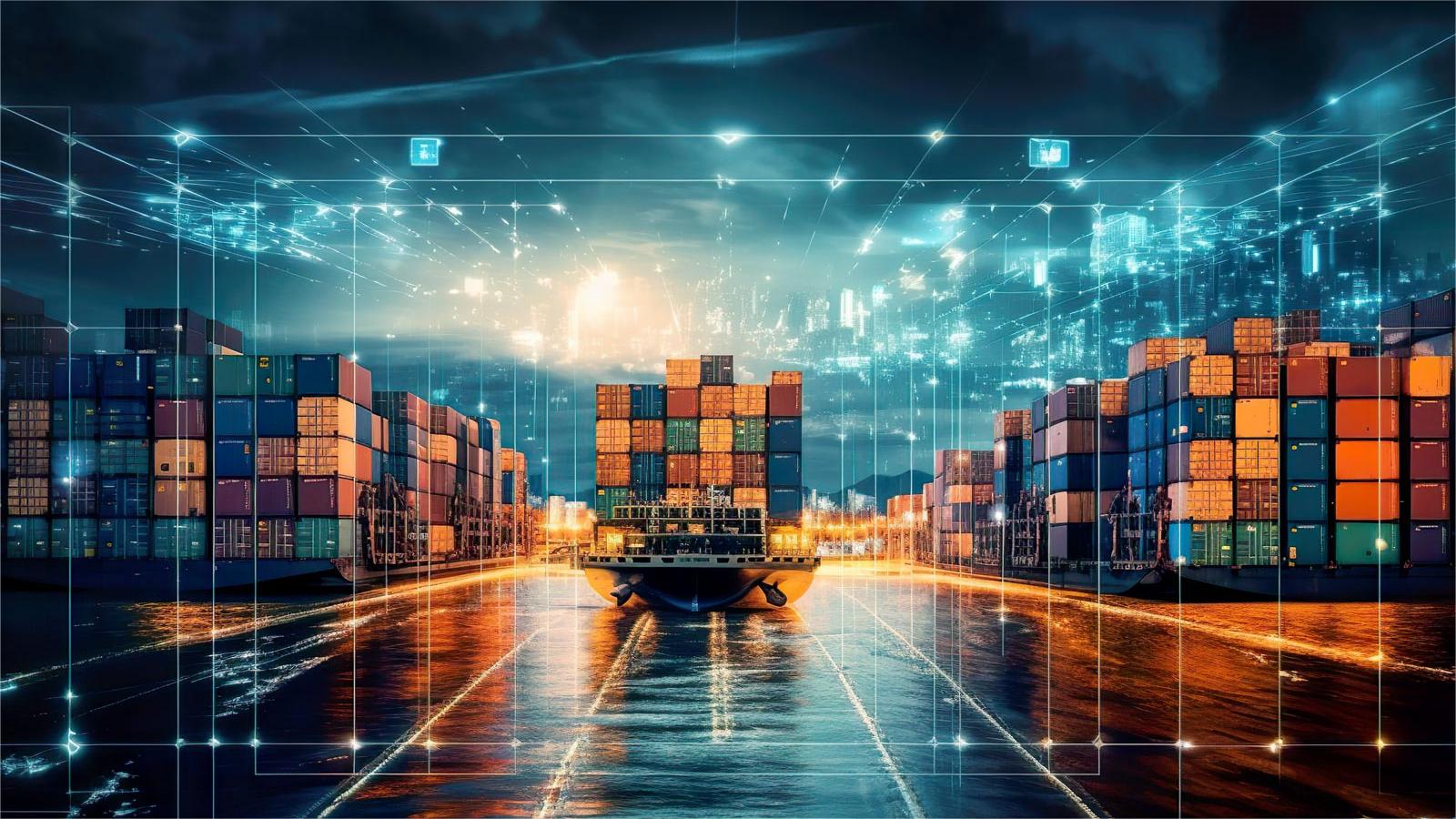
Understanding the delivery schedule is vital for inventory management and meeting customer expectations. Typically, the sea transit time from major Chinese ports to the Port of Antwerp ranges between 30 and 40 days. However, these times can fluctuate based on weather conditions, port congestion, and the specific shipping line used.
Notably, direct routes from Shanghai or Ningbo are generally faster than transshipment routes via Singapore or Port Klang. While transshipment might offer lower freight rates, it often adds 5 to 7 days to the total journey. Therefore, businesses must weigh the cost savings against the need for a faster arrival.
Additionally, you must account for the time required for booking, loading at the origin, and customs clearance at the destination. According to industry benchmarks, the total door-to-door time usually spans 45 to 55 days. Planning your orders at least two months in advance is a standard practice for successful importers.
| Origin Port (China) | Destination Port | Direct Transit | Transshipment |
|---|---|---|---|
| Shanghai | Antwerp | 32-35 Days | 38-42 Days |
| Shenzhen | Zeebrugge | 28-32 Days | 35-40 Days |
| Ningbo | Antwerp | 33-36 Days | 40-45 Days |
| Qingdao | Antwerp | 38-42 Days | 45-50 Days |
Essential Documentation and Customs Brokerage
Navigating Belgian import regulations requires meticulous attention to detail and accurate paperwork. The primary documents needed include the Bill of Lading, Commercial Invoice, and a detailed Packing List. Without these, your shipment could face significant delays and additional storage fees at the port terminal.
Moreover, specialized products may require certificates of origin or CE compliance documents to enter the European market. Engaging a professional customs brokerage service ensures that all codes are classified correctly. This expertise prevents overpayment of duties and ensures compliance with local laws.
Indeed, the Belgian customs authority is known for its efficiency, but they are also very strict regarding documentation accuracy. Consequently, any discrepancy between the invoice and the actual cargo can lead to physical inspections. Such inspections not only delay delivery but also add to the total shipping costs to Belgium.
Cost Factors for China FCL DDU shipping to Belgium
Several variables influence the final price you pay for international shipping services. Ocean freight rates are highly volatile and change based on fuel surcharges, seasonal demand, and carrier capacity. For instance, rates typically increase by 15 to 25 percent during the peak season from August to October.
Additionally, origin charges such as Terminal Handling Charges (THC) and documentation fees must be factored into your budget. At the destination, you will encounter port fees and inland delivery costs from Antwerp to your specific location. Since DDU excludes duties, you must also calculate the applicable VAT and import tariffs separately.
Note: Freight rates are subject to change based on fuel costs, carrier capacity, and seasonal demand. Market data suggests that rates in early 2025 have stabilized compared to the disruptions seen in previous years. Contact us for a current quote tailored to your specific shipment requirements.
Real-World Case Studies for Belgium Shipping
Analyzing real-world scenarios helps importers understand the practical application of China FCL DDU shipping to Belgium. Below are two examples based on typical market rates from late 2024 and early 2025. These cases highlight the importance of routing and container selection for different product types.
Case Study 1: Electronics Shipment to Brussels. Route: Shanghai, China to Brussels, Belgium. Cargo: Consumer Electronics, 65 CBM, 18,000 kg. Container: 40HQ. Shipping Details: Carrier: COSCO; Port of Loading: Shanghai; Port of Discharge: Antwerp; Route Type: Direct. Cost Breakdown: Ocean Freight: $3,950; Origin Charges: $450; Destination Charges: $650; Customs and Duties: $1,300; Total Landed Cost: $6,350. Timeline: Booking to Loading: 4 days; Sea Transit: 33 days; Customs Clearance: 2 days; Total Door-to-Door: 39 days. Key Insight: Choosing a direct route saved the client five days of transit time compared to transshipment options.
Case Study 2: Textiles to Ghent. Route: Ningbo, China to Ghent, Belgium. Cargo: Finished Garments, 28 CBM, 9,000 kg. Container: 20GP. Shipping Details: Carrier: Maersk; Port of Loading: Ningbo; Port of Discharge: Antwerp; Route Type: Transshipment via Singapore. Cost Breakdown: Ocean Freight: $2,200; Origin Charges: $380; Destination Charges: $550; Customs and Duties: $1,800; Total Landed Cost: $4,930. Timeline: Booking to Loading: 5 days; Sea Transit: 38 days; Customs Clearance: 3 days; Total Door-to-Door: 46 days. Key Insight: Using DDU terms allowed the importer to manage their own VAT deferment scheme, improving cash flow.
Step-by-Step Logistics Process
Initiating a shipment begins with a detailed quote and booking request with your freight forwarder. Once the booking is confirmed, the empty container is picked up and sent to the factory in China for loading. After loading, the container returns to the port for export customs clearance and terminal processing.
Subsequently, the vessel departs for its journey to Europe, during which you can monitor its progress via cargo tracking systems. Upon arrival at the Port of Antwerp, the container is unloaded and prepared for customs clearance. Under DDU terms, the forwarder notifies the buyer to settle the necessary duties with the authorities.
Finally, once cleared, a local truck delivers the container directly to your specified address in Belgium. This seamless transition from sea to land ensures that your supply chain remains uninterrupted. To summarize, the DDU model provides a balanced approach to responsibility and control for international trade.
Mastering Your Belgian Import Strategy
Successfully managing China FCL DDU shipping to Belgium requires a combination of early planning and reliable partnerships. By understanding the transit times, cost structures, and documentation needs, you can significantly reduce the risks associated with global trade. Furthermore, utilizing the right container size and shipping method ensures your goods remain competitive in the Belgian market.
As market conditions continue to evolve in 2025, staying informed about logistics trends is more important than ever. Whether you are shipping electronics, textiles, or industrial machinery, the FCL DDU model offers the flexibility and security your business needs. Trust in professional freight services to bridge the gap between Chinese suppliers and your Belgian warehouse.
Ready to streamline your logistics?
Streamline your international trade with our expert China FCL DDU shipping to Belgium solutions. Our team at Top China Freight is ready to provide you with a competitive quote and personalized logistics support. Contact us today to ensure your next shipment is handled with professional care and efficiency. Visit our website to learn more and request your free freight estimate.
Request Quote