FCL Shipping for Solar Panels from China to Denmark: A Guide
Managing the transition to renewable energy requires a robust supply chain that can handle delicate equipment over long distances. For businesses looking to import photovoltaic modules, Top China Freight provides specialized solutions to ensure your cargo arrives safely and on schedule. Utilizing FCL shipping for solar panels from China to Denmark is currently the most cost-effective and secure method for large-scale energy projects. This comprehensive guide explores everything from container selection to Danish customs clearance to help you optimize your international logistics strategy.
Why Choose FCL Shipping for Solar Panels from China to Denmark?
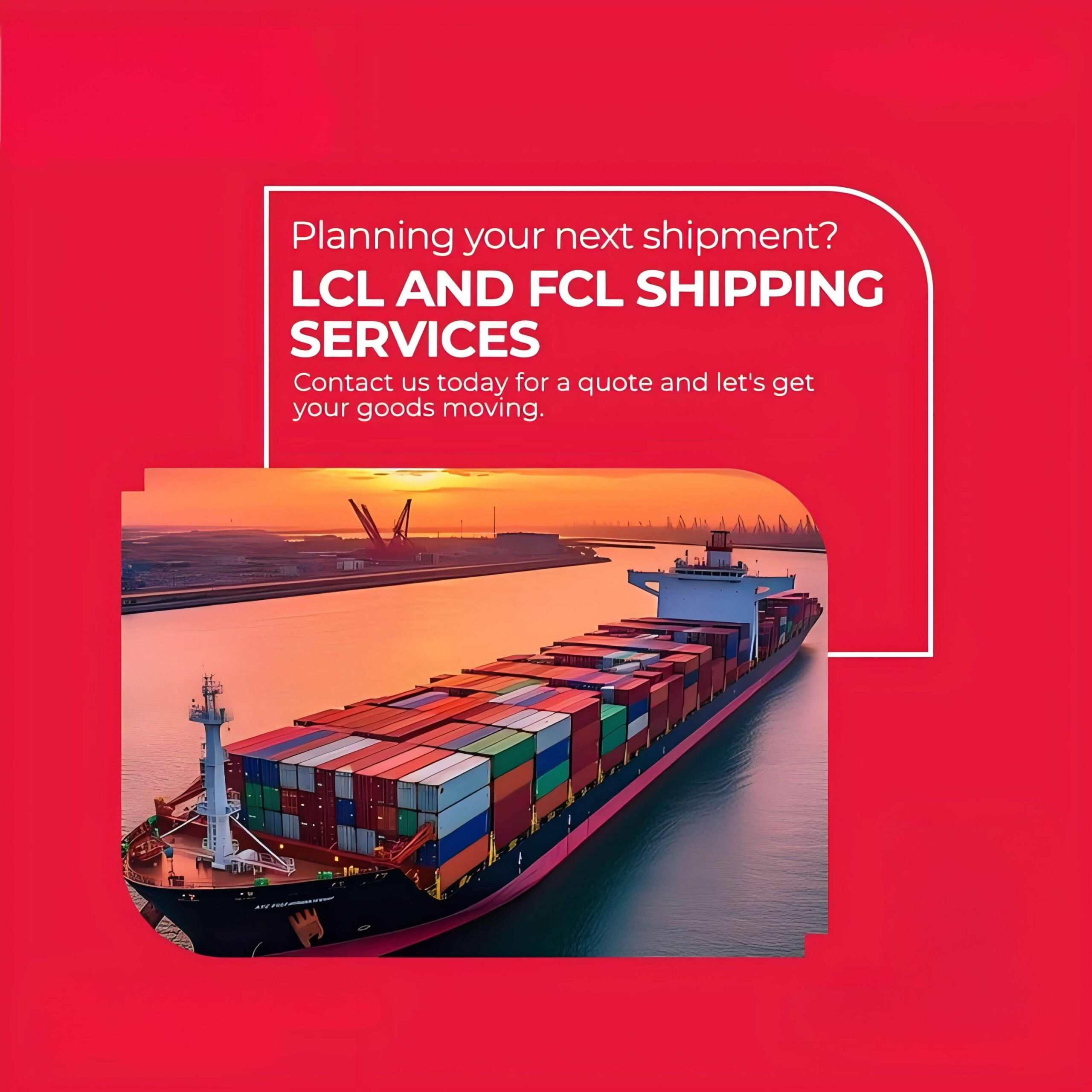
Choosing Full Container Load (FCL) services offers unparalleled security for fragile renewable energy components. Since solar panels are susceptible to micro-cracks from excessive handling, keeping them in a dedicated container minimizes the risk of damage. Moreover, sea freight remains the primary mode of transport for bulk solar shipments due to its high capacity and lower carbon footprint compared to air transport.
Furthermore, FCL shipping allows for better control over the loading and sealing process at the origin factory. You do not have to worry about other shippers’ cargo potentially damaging your sensitive photovoltaic cells. Consequently, this method is the preferred choice for EPC contractors and solar distributors who require consistent delivery schedules and lower per-unit costs.
Additionally, the administrative process is often faster with FCL because the entire container is destined for one consignee. This simplifies the documentation and reduces the time spent in deconsolidation warehouses. Ultimately, FCL provides a streamlined path from Chinese manufacturing hubs like Jiangsu or Zhejiang to the Danish market.
Understanding Container Options for Solar Panels
Selecting the right container size is critical for maximizing your shipping budget and ensuring cargo safety. Most solar panel manufacturers optimize their pallet dimensions to fit perfectly within 40HQ (High Cube) containers. These containers provide extra height, which is essential for stacking solar pallets vertically without exceeding the container’s physical limits.
Standard 20GP containers are also available but are generally less efficient for large solar modules. Because solar panels are relatively light but bulky, you often reach the volume capacity of a 20ft container long before the weight limit. Therefore, the 40HQ container is the industry standard for most international solar projects.
Moreover, you should consider using specialized packing materials such as reinforced corner protectors and heavy-duty shrink wrap. These additions prevent the pallets from shifting during the long ocean voyage across the Indian Ocean and through the Suez Canal. Indeed, proper internal bracing is just as important as the choice of the container itself.
| Container Type | Max Volume | Approx. Pallets | Best Use Case |
|---|---|---|---|
| 20GP Standard | 33 CBM | 10-12 Pallets | Small residential projects |
| 40GP Standard | 67 CBM | 20-22 Pallets | Standard commercial orders |
| 40HQ High Cube | 76 CBM | 24-26 Pallets | Large utility-scale farms |
| Open Top | Varies | Custom | Over-sized equipment |
How Does FCL Shipping Compare to Other Shipping Options?
Comparing different logistics modes is essential for finding the right balance between speed and expenditure. While FCL is the most common, alternatives like LCL (Less than Container Load), rail freight, and air freight serve specific niche needs. For example, air freight is exceptionally fast but usually costs ten times more than sea freight, making it impractical for heavy solar modules.
On the other hand, rail freight via the New Silk Road offers a middle ground in terms of transit time and cost. It can reduce the journey to about 18-22 days, which is significantly faster than the 35-45 days required for sea freight. However, rail freight often involves more vibrations and mechanical shocks, which may not be ideal for the most sensitive types of solar glass.
Meanwhile, LCL shipping is only recommended for very small samples or replacement parts. Because LCL involves co-loading with other cargo, the risk of physical damage increases substantially. Consequently, for any shipment exceeding 15 CBM, FCL remains the superior strategic choice for Europe bound cargo.
| Method | Cost Range (USD) | Transit Time | Limitations |
|---|---|---|---|
| FCL Sea Freight | $3,000 – $4,500 | 35-45 Days | Longest transit time |
| Rail Freight | $5,500 – $7,500 | 18-22 Days | Higher vibration risk |
| LCL Sea Freight | $80 – $150/CBM | 40-50 Days | High handling risk |
| Air Freight | $5.00 – $8.00/kg | 5-8 Days | Prohibitive cost |

Which Option Should You Choose?
Budget priority dictates that you should almost always choose FCL sea freight for your solar panel imports. If you are managing a large-scale installation where the modules are needed in 40 days, the cost savings of sea freight will significantly improve your project’s ROI. However, if a project deadline is looming and delays at the factory have occurred, switching to rail freight might be a necessary trade-off.
Speed priority becomes the main factor only during emergency scenarios or when the cost of project delay exceeds the extra shipping fees. In these cases, a hybrid solution involving some rail freight for immediate needs and sea freight for the bulk of the order is often best. Furthermore, cargo type considerations like the fragility of premium bifacial modules might lead you to prefer direct sea routes over transshipment options.
Volume thresholds also play a role in your decision-making framework. Once your shipment exceeds 15-20 cubic meters, the price gap between LCL and FCL narrows significantly. At this point, the security and speed of having your own container make FCL the obvious winner for Danish importers.
Transit Times and Port Selection for Denmark Shipments
Shipping from major Chinese ports like Shanghai, Ningbo, or Shenzhen to Denmark typically involves a transit time of 35 to 45 days. Most vessels will travel through the South China Sea, across the Indian Ocean, and through the Suez Canal before reaching Northern Europe. Consequently, any disruptions in these major maritime corridors can impact your delivery schedule.
Selecting the right port of discharge in Denmark is equally important for minimizing inland haulage costs. Aarhus is the largest container port in Denmark and handles the majority of international deep-sea cargo. If your project is located in Jutland, Aarhus is undoubtedly the most efficient entry point. For projects on Zealand, the Port of Copenhagen or Kalundborg may be more suitable.
Moreover, direct services are sometimes available, though many carriers use feeder vessels from major hubs like Hamburg or Rotterdam. While transshipment adds a few days to the timeline, it often provides more flexible scheduling options. Therefore, you should work closely with your freight forwarder to choose the route that balances speed and reliability.
Essential Customs Documentation for Denmark Imports
Navigating the regulatory landscape in Denmark requires precise documentation to avoid costly delays at the border. You must provide a commercial invoice, a detailed packing list, and a Bill of Lading for every FCL shipment. Additionally, solar panels often require a Certificate of Origin to determine the applicable duty rates under EU trade policies.
Danish customs authorities are particularly strict regarding the classification of renewable energy equipment. Using a professional customs brokerage service ensures that your HS codes are correct and that you benefit from any available green energy incentives. Furthermore, you must ensure that your products comply with CE marking and other EU safety standards before they depart China.

Proper insurance is another vital component of the documentation package. Given the high value of solar cargo, a comprehensive marine insurance policy protects your investment against theft, loss, or damage during transit. Indeed, the cost of insurance is negligible compared to the potential loss of a full 40HQ container of high-efficiency modules.
Real-World Case Studies: Solar Panel FCL Shipments
Case Study 1: Utility-Scale Solar Farm Project Route: Ningbo, China to Aarhus, Denmark Cargo: Tier 1 Mono-PERC Solar Panels, 72 CBM, 18,500 kg Container: 40HQ Full Container Shipping Details: – Carrier/Service: Maersk Direct Service – Port of Loading: Ningbo-Zhoushan – Port of Discharge: Aarhus – Route Type: Direct via Suez Canal Cost Breakdown: – Ocean Freight: $3,450 – Origin Charges: $420 – Destination Charges: $550 – Customs & Duties: $1,200 (Estimated) – Total Landed Cost: $5,620 Timeline: – Booking to Loading: 5 days – Sea Transit: 38 days – Customs Clearance: 2 days – Total Door-to-Door: 45 days Key Insight: Direct routing minimized handling and prevented micro-cracks.
Case Study 2: Residential Distributor Restock Route: Shanghai, China to Copenhagen, Denmark Cargo: Residential PV Modules, 28 CBM, 8,200 kg Container: 20GP Full Container Shipping Details: – Carrier/Service: COSCO Shipping – Port of Loading: Shanghai – Port of Discharge: Copenhagen (via Hamburg) – Route Type: Transshipment via Hamburg Cost Breakdown: – Ocean Freight: $2,100 – Origin Charges: $380 – Destination Charges: $490 – Customs & Duties: $850 (Estimated) – Total Landed Cost: $3,820 Timeline: – Booking to Loading: 4 days – Sea Transit: 42 days – Customs Clearance: 3 days – Total Door-to-Door: 49 days Key Insight: Transshipment via Hamburg was $300 cheaper than direct Aarhus calls.
Market Intelligence Note: As of Q1 2025, freight rates from China to Europe have stabilized after the 2024 Red Sea disruptions. Typical rates for a 40HQ container currently range between $3,200 and $4,200 depending on the carrier and specific port pair. Rates typically increase 15-25% during the August-October peak season, so early booking is highly recommended for Q4 projects.
Optimizing the Last Mile: Door to Door Logistics
Completing the journey from the Danish port to your installation site requires careful coordination of inland transport. Utilizing a door to door service simplifies this process by providing a single point of contact for the entire journey. This approach reduces the risk of communication gaps between the ocean carrier and the local trucking company.
Moreover, you must ensure that the delivery site is accessible for large container trucks. Many solar farms are located in rural areas with narrow roads, which may require transloading the panels onto smaller flatbed trucks at a local warehouse. Consequently, detailed site surveys are a prerequisite for a successful delivery.
Additionally, unloading equipment like forklifts or cranes must be ready at the site to minimize container detention charges. Carriers typically allow a few hours of free time for unloading before hourly fees begin to accrue. Therefore, having a well-organized team on-site is essential for keeping your logistics costs within budget.
Summary of FCL Shipping for Solar Panels
Successfully managing FCL shipping for solar panels from China to Denmark requires a blend of careful planning, correct documentation, and the right logistics partner. By choosing FCL, you ensure the highest level of safety for your photovoltaic modules while benefiting from the most economical sea freight rates. Remember to account for seasonal fluctuations and the specific requirements of Danish customs to avoid unnecessary delays.
Partnering with a dedicated freight forwarder allows you to focus on your core business while the experts handle the complexities of international transport. With transit times stabilizing in 2025, now is an excellent time to secure your shipping capacity for upcoming solar installations. Ultimately, a well-executed logistics strategy is the backbone of any successful renewable energy venture.
Ready to streamline your logistics?
Streamline your renewable energy supply chain today with expert logistics support. Whether you are shipping a single container or managing a multi-megawatt project, our team is ready to provide a competitive quote for FCL shipping for solar panels from China to Denmark. Send Inquiry
Request Quote