

20GP FCL transit time for electronics from China to Houston: 2025 Logistics Guide
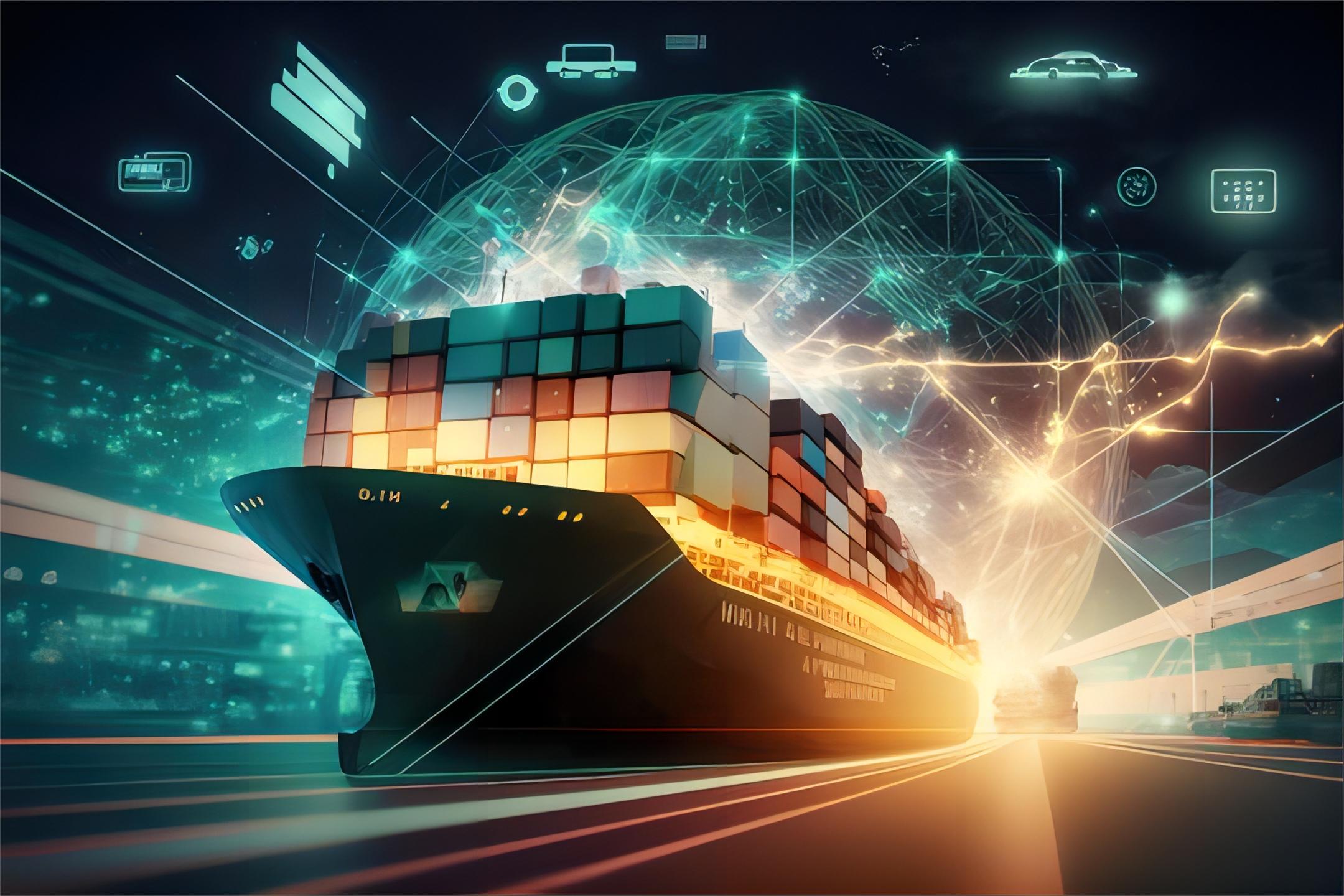
Managing the 20GP FCL transit time for electronics from China to Houston requires a deep understanding of trans-Pacific logistics and port operations. Shipping high-value electronics involves unique challenges such as humidity control, security, and strict delivery schedules. Top China Freight Top China Freight provides expert guidance and tailored solutions for businesses looking to optimize their electronics supply chain from major Chinese manufacturing hubs to the Texas market. This guide provides a comprehensive breakdown of what to expect when importing electronics in 2025.
What is the typical 20GP FCL transit time for electronics from China to Houston?
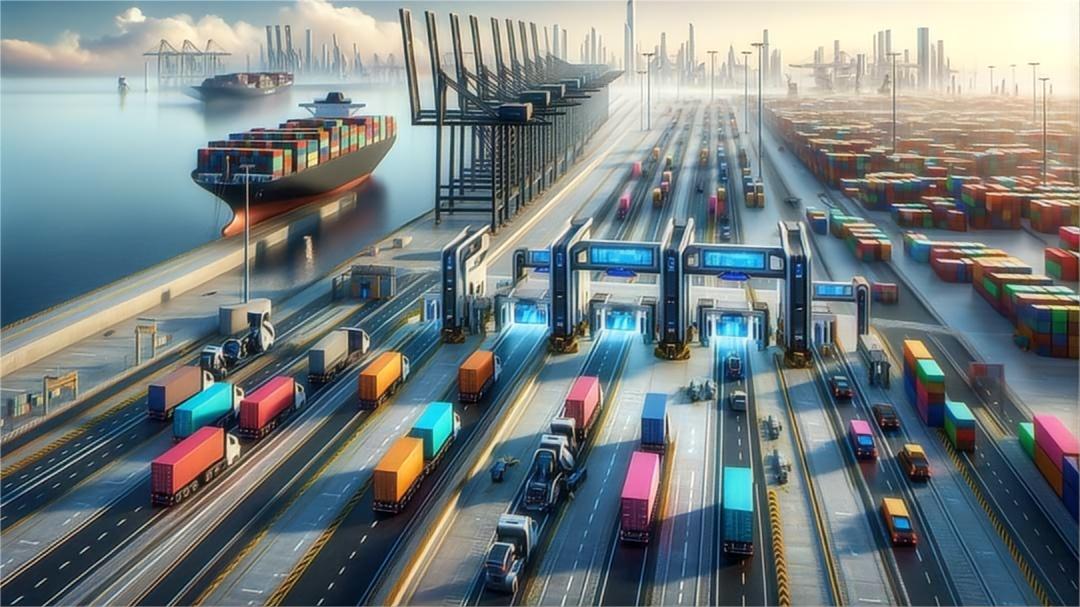
Determining the exact 20GP FCL transit time for electronics from China to Houston involves evaluating several different maritime routes. Typically, the sea transit alone ranges from 28 to 45 days depending on whether the vessel sails through the Panama Canal or utilizes a land bridge. Most electronics shippers prefer sea freight because it offers a balance between cost-efficiency and the ability to move large volumes of delicate components.
Furthermore, the total door-to-door time often extends beyond the ocean voyage due to origin handling and destination drayage. Consequently, businesses should budget between 45 and 60 days for the entire process from the factory floor in Shenzhen or Ningbo to the warehouse in Houston. Meanwhile, seasonal fluctuations and port congestion can add another 5 to 10 days during peak periods like the lead-up to the holiday shopping season.
Specifically, direct services to Houston via the Panama Canal are the most common choice for FCL shipments. However, recent drought conditions in the canal have occasionally forced carriers to divert through the Suez Canal or around the Cape of Good Hope. Therefore, staying updated on global maritime news is essential for maintaining an accurate delivery schedule for your electronics inventory.
Key factors influencing shipping electronics from China to Texas
Electronics represent a high-value cargo category that demands meticulous attention to detail during the shipping process. Because these items are sensitive to environmental factors, the choice of a 20GP container provides a dedicated environment that minimizes the risk of damage from handling. Moreover, the 20GP FCL transit time for electronics from China to Houston is heavily influenced by the specific port of loading in China.
Southern Chinese ports like Shenzhen and Guangzhou often provide more frequent departures to the US Gulf Coast. In contrast, northern ports like Qingdao or Tianjin may involve longer transit times due to additional coastal stops before heading across the Pacific. Additionally, the type of electronics, such as those containing lithium batteries, requires strict adherence to international dangerous goods regulations, which can impact the booking timeline.
Proper packaging and container stuffing also play a vital role in ensuring that the transit time does not increase due to cargo shifts or damage inspections. Indeed, using high-quality desiccant bags inside the container is a standard practice to prevent moisture damage during the long voyage across different climate zones.
Analyzing the primary shipping routes to Houston
Shipping routes to the Port of Houston generally fall into three categories: all-water via the Panama Canal, all-water via the Suez Canal, and the Mini Land Bridge (MLB) via US West Coast ports. The Panama Canal route is traditionally the most efficient for Houston-bound cargo, offering a direct path to the Gulf of Mexico. Nevertheless, the MLB route, which involves ocean transport to Los Angeles and rail transport to Texas, can sometimes be faster despite the higher cost.
Carriers serving North America have adjusted their schedules to account for shifting global trade patterns. For instance, many vessels now opt for larger 40HQ containers, but the 20GP remains a popular choice for dense electronics like power supplies or industrial components. Consequently, understanding the pros and cons of each routing option is critical for logistics managers.
Table: Comparison of Routing Options to Houston
| Route Type | Average Transit | Cost Level | Best For | |————|—————–|————|———-| | Panama Canal | 30-35 Days | Moderate | Standard FCL | | US West Coast + Rail | 22-28 Days | High | Urgent Cargo | | Suez Canal | 45-55 Days | Variable | Global Diversions | | Mexico Land Bridge | 35-42 Days | Moderate | Alternative Entry |
How does 20GP FCL compare to other shipping options?
Comparing different shipping methods is essential for optimizing your logistics budget and meeting customer expectations. While 20GP FCL is ideal for medium-sized shipments, air freight remains the fastest alternative for high-value or time-sensitive electronics. For example, a shipment of smartphones might go by air to meet a launch date, while the accessories follow by sea in a 20GP container.
Additionally, Less than Container Load (LCL) shipping is an option for smaller volumes, but it often entails longer transit times due to the consolidation and deconsolidation processes. Therefore, FCL is generally preferred for electronics to ensure that the container remains sealed from the point of origin to the final destination. This security feature is a major advantage for preventing theft and tampering in the electronics supply chain.
Table: Shipping Method Comparison for Electronics | Method | Transit Time | Cost per KG | Security Level | |——–|————–|————-|—————-| | Air Freight | 5-8 Days | $4.50-$8.00 | High | | 20GP FCL | 30-45 Days | $0.50-$1.20 | Very High | | LCL Sea | 40-55 Days | $0.80-$1.50 | Moderate | | Sea-Air Hybrid | 18-25 Days | $2.50-$4.00 | High |
Which option should you choose for your electronics?
Deciding on the best shipping strategy depends on your specific business needs, budget, and the urgency of the inventory. If your priority is cost-saving and you have a consistent production schedule, the 20GP FCL all-water route to Houston is hard to beat. Conversely, if you are facing a stock-out situation, utilizing door to door express services might be necessary despite the higher expense.
Volume thresholds also dictate the most economical choice for your business. Generally, if your cargo exceeds 15 cubic meters, booking a full 20GP container becomes more cost-effective than LCL. Furthermore, FCL shipments experience fewer delays at the Port of Houston because they do not require the time-consuming stripping process at a container freight station.
Consider the following criteria for your decision: – Budget Priority: Choose 20GP FCL via Panama Canal. – Speed Priority: Choose Air Freight or MLB Rail. – High Security Needs: Choose FCL to ensure the seal remains intact. – Small Volume (<10 CBM): Choose LCL or Express.
Case studies: Real-world 20GP FCL transit time for electronics from China to Houston
Reviewing actual shipping data provides a realistic view of the current logistics landscape. Below are two case studies from our recent operations that highlight the variables involved in shipping electronics to Texas.
Case Study 1: Industrial Sensors from Shenzhen Route: Shenzhen -> Houston via Panama Canal Cargo: 20GP FCL, 18,000 kg electronics Shipping Details: – Carrier: COSCO – Sea Transit: 32 days – Customs Clearance: 3 days – Total Door-to-Door: 48 days Cost Breakdown: Ocean Freight $3,200, Origin/Dest Charges $1,100, Total Landed Cost $4,300. Key Insight: Early booking allowed the shipper to secure space during the Q3 peak season.
Case Study 2: Consumer Audio Equipment from Ningbo Route: Ningbo -> Houston via US West Coast (MLB) Cargo: 20GP FCL, 12,000 kg speakers Shipping Details: – Carrier: Maersk + BNSF Rail – Sea Transit to LA: 16 days – Rail to Houston: 7 days – Total Door-to-Door: 34 days Cost Breakdown: Ocean/Rail Freight $5,100, Origin/Dest Charges $1,250, Total Landed Cost $6,350. Key Insight: The shipper paid a 40 percent premium to save 14 days compared to the all-water route.

Understanding shipping costs and market trends in 2025
Freight rates for a 20GP container from China to Houston have seen significant volatility over the past few years. As of early 2025, market data suggests that rates have stabilized but remain higher than pre-pandemic levels due to increased fuel surcharges and labor costs. Typically, a 20GP FCL shipment for electronics on this route costs between $2,800 and $4,200, depending on the season and carrier capacity.
Moreover, peak season surcharges (PSS) usually apply from August through October as retailers stock up for the holidays. During this time, rates can increase by 20 to 30 percent, and space on vessels becomes extremely tight. Therefore, we recommend that electronics importers plan their shipments at least 4 to 6 weeks in advance to avoid last-minute price spikes and delays.
Note: Freight rates are subject to change based on fuel costs, carrier capacity, and seasonal demand. Contact us for a current quote tailored to your specific shipment.
Customs clearance and documentation for electronics
Navigating the complexities of US Customs is a critical step in ensuring your 20GP FCL transit time for electronics from China to Houston remains on track. Electronics are often subject to specific regulations from the Federal Communications Commission (FCC) and may require detailed HTS (Harmonized Tariff Schedule) classification. Utilizing a professional customs brokerage service can prevent costly delays and fines.
Essential documents for your shipment include the Bill of Lading, Commercial Invoice, Packing List, and the ISF (Importer Security Filing). Specifically, the ISF must be filed at least 24 hours before the vessel departs the Chinese port to avoid a $5,000 penalty. Additionally, ensure that all electronics are properly labeled with the country of origin to comply with US Customs and Border Protection requirements.
Documentation Checklist: – Bill of Lading (FCL) – Commercial Invoice (Detailed descriptions) – Packing List (Piece count and weight) – FCC Form 740 (For radio frequency devices) – Certificate of Origin
Mastering your electronics shipping strategy
Summarizing the logistics landscape, the 20GP FCL transit time for electronics from China to Houston is a manageable but complex variable in your business operations. By choosing the right routing, understanding the cost drivers, and preparing your documentation in advance, you can significantly reduce the risk of delays. Whether you prioritize the speed of the land bridge or the cost-effectiveness of the Panama Canal, having a reliable freight partner is essential for success.
Our analysis shows that proactive planning and market intelligence are the keys to navigating the trans-Pacific trade lane in 2025. As the electronics industry continues to evolve, staying flexible with your shipping methods will help you maintain a competitive edge. Trust Top China Freight to handle your 20GP FCL shipments with the care and expertise your high-value cargo deserves.
Ready to streamline your logistics?
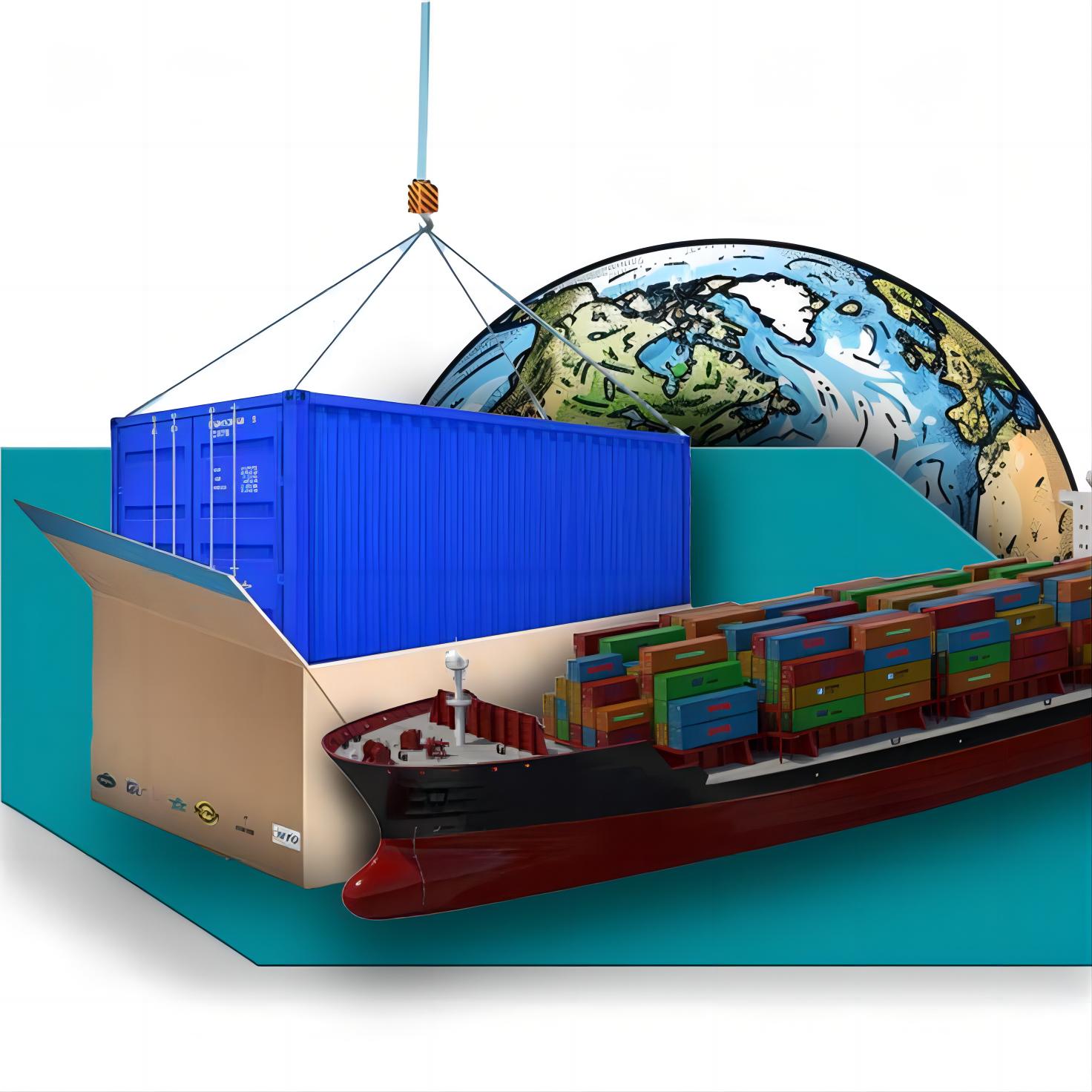
Ready to streamline your electronics supply chain? Our team at Top China Freight specializes in optimizing the 20GP FCL transit time for electronics from China to Houston to ensure your goods arrive safely and on schedule. Contact us today for a personalized freight quote and expert logistics advice. Visit our website to get started with your next shipment.
Request Quote