

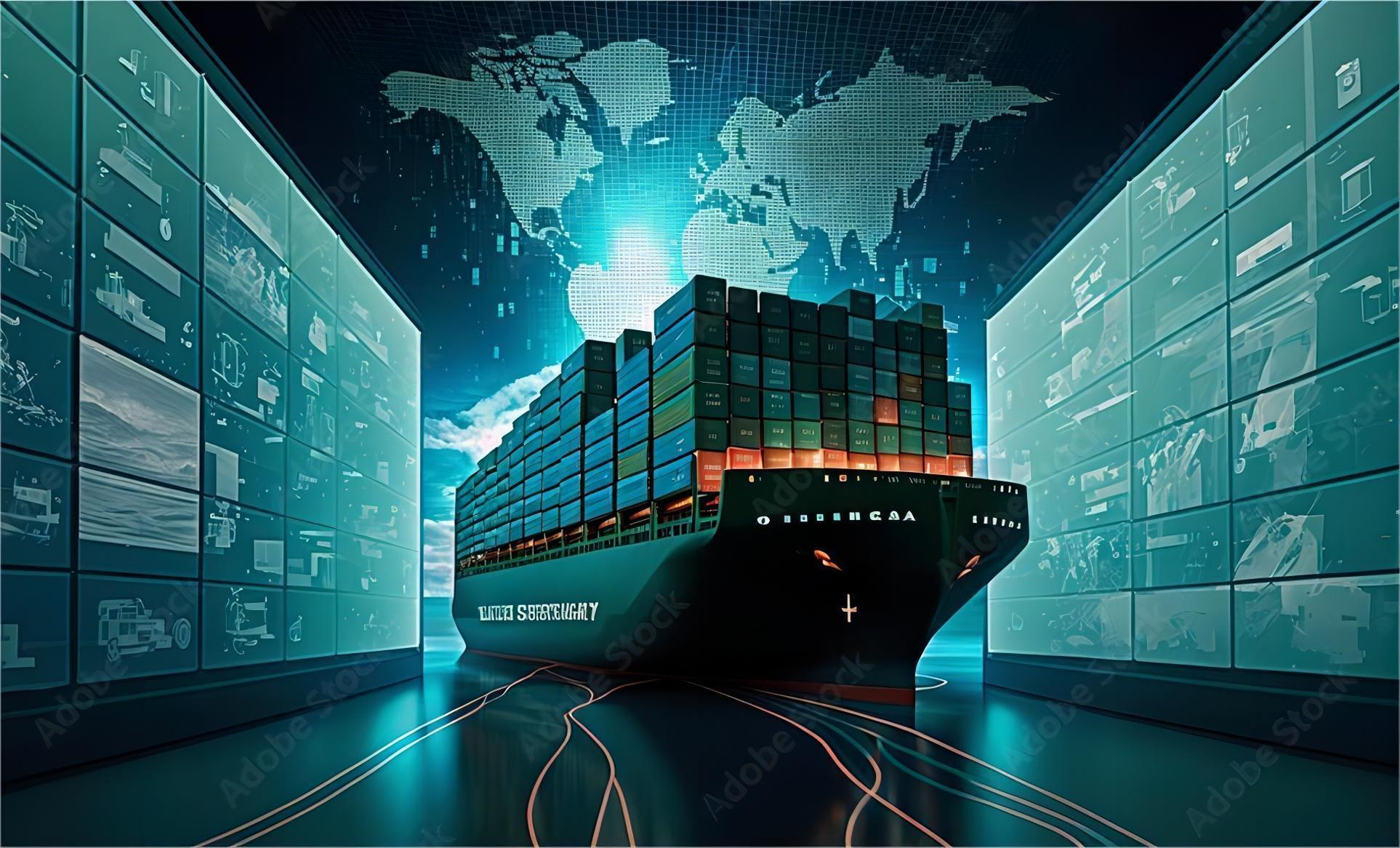
Reefer FCL Sailing Schedule for Electronics from China to UK: 2025 Guide
Managing a complex supply chain requires precision, especially when navigating the Reefer FCL sailing schedule for electronics from China to UK for sensitive components. Reliable logistics solutions provided by Top China Freight ensure that your high-value electronic goods remain in a stable environment throughout the long maritime journey. This comprehensive guide explores the intricacies of refrigerated container shipping, helping you optimize transit times and maintain product integrity from factory to warehouse.
Why Use Reefer FCL for Electronics Shipping?
Electronics often require more than just a standard dry container when traveling through varying climate zones. Modern semiconductors and high-end consumer tech are susceptible to moisture and extreme temperature fluctuations. Consequently, many importers now choose sea freight in refrigerated units to prevent condensation and heat damage.

Moreover, the airtight environment of a Reefer Full Container Load (FCL) provides superior protection against the salty sea air. This specialized equipment maintains a consistent internal atmosphere, which is vital for maintaining the longevity of sensitive circuits. Therefore, investing in temperature-controlled shipping is a strategic move to reduce the risk of high-value cargo loss during the 35-day voyage.
How Does Reefer FCL Compare to Other Shipping Options?
Selecting the right transportation mode depends on your specific budget and urgency requirements. While air freight offers the fastest delivery, the costs can be prohibitive for bulk electronics orders. In contrast, rail freight provides a middle ground but lacks the sophisticated temperature control infrastructure found in maritime reefer services.
Furthermore, sea freight remains the most cost-effective solution for large-scale distribution. Shippers must weigh the benefits of lower ocean rates against the longer transit times associated with the China-UK route. Without a doubt, the decision involves balancing speed, safety, and total landed cost.
| Shipping Method | Cost Range | Transit Time | Best For |
|---|---|---|---|
| Reefer FCL (Sea) | $3,500 – $4,800 | 30-40 Days | Large volumes, climate-sensitive |
| Air Freight | $15,000 – $25,000 | 5-8 Days | Urgent, high-value gadgets |
| Rail Freight | $4,000 – $6,000 | 18-22 Days | Standard electronics, mid-speed |
| LCL (Sea) | $80 – $150/CBM | 35-45 Days | Small batches, non-sensitive |
Understanding the Reefer FCL Sailing Schedule for Electronics from China to UK
Sailing schedules from major Chinese hubs like Shenzhen or Shanghai are generally consistent, though they are subject to seasonal changes. Most carriers offer weekly departures that head toward major UK ports such as Felixstowe, Southampton, and London Gateway. Additionally, shippers should account for a 7-day buffer for booking and container loading before the actual vessel departure.
Meanwhile, the direct route from China to the UK typically takes between 30 and 38 days under normal conditions. However, recent geopolitical events and port congestions can extend these timelines. Shippers should monitor the Reefer FCL sailing schedule for electronics from China to UK closely to ensure their supply chain remains resilient against unforeseen delays.
Major Port Pairings and Transit Estimates
Shanghai to Felixstowe remains one of the most popular routes for electronic exporters due to the high frequency of vessels. Shenzhen to Southampton is another critical corridor, particularly for goods manufactured in the Pearl River Delta. Indeed, choosing the right port of loading can save several days in inland transit time within China.
Which Option Should You Choose for Your Electronics?
Determining the best logistics strategy requires a clear understanding of your cargo volume and budget constraints. If you are shipping more than 15 cubic meters of goods, FCL is almost always more economical than LCL. For those handling temperature-sensitive components, the Reefer FCL sailing schedule for electronics from China to UK offers the most reliable climate protection.
Specifically, if budget is your priority, standard sea freight is the winner. If speed is essential, consider air freight for your smallest, most expensive items. For a balanced approach, some companies utilize door to door services to streamline the entire process from the Chinese factory to the UK doorstep.
Real Case Studies: Electronics Logistics Success
Analyzing real-world examples provides valuable insight into the costs and timelines you might expect. These scenarios reflect typical market conditions for 2024 and early 2025. Every shipment has unique challenges, but these cases highlight how proper planning leads to successful delivery.
Case Study 1: High-End Tablet Distribution
Case Study 1: Shenzhen to Felixstowe. Cargo: 5,000 Tablets, 28 CBM, 4,200 kg. Container: 40HQ Reefer. Shipping Details: Carrier: COSCO. Port of Loading: Shenzhen. Port of Discharge: Felixstowe. Route Type: Direct. Cost Breakdown: Ocean Freight: $4,100. Origin Charges: $450. Destination Charges: $600. Customs and Duties: $1,200. Total Landed Cost: $6,350. Timeline: Booking to Loading: 5 days. Sea Transit: 32 days. Customs Clearance: 2 days. Total Door-to-Door: 39 days. Key Insight: Utilizing a reefer container prevented screen delamination issues caused by humidity in the tropical departure zone.
Case Study 2: Server Component Logistics
Case Study 2: Shanghai to Southampton. Cargo: Enterprise Server Racks, 12 CBM, 2,800 kg. Container: 20GP Reefer. Shipping Details: Carrier: Maersk. Port of Loading: Shanghai. Port of Discharge: Southampton. Route Type: Transshipment via Singapore. Cost Breakdown: Ocean Freight: $2,800. Origin Charges: $380. Destination Charges: $520. Customs and Duties: $950. Total Landed Cost: $4,650. Timeline: Booking to Loading: 4 days. Sea Transit: 36 days. Customs Clearance: 3 days. Total Door-to-Door: 43 days. Key Insight: Transshipment was chosen to save $400 in freight costs, though it added 5 days to the total transit time compared to a direct vessel.
Navigating Customs and Documentation for UK Imports
Importing electronics into the UK requires meticulous attention to detail regarding paperwork and compliance. Since the UK left the European Union, customs procedures have become more stringent for all incoming international freight. Consequently, hiring a professional customs brokerage service is often necessary to avoid costly delays at the border.
Furthermore, you must ensure that your electronics meet all UK safety standards and carry the necessary certifications. Providing an accurate Commercial Invoice and Packing List is the first step toward a smooth clearance process. Without these documents, your shipment could be held at the port, incurring significant demurrage charges.
| Document Name | Purpose | Required By | Criticality |
|---|---|---|---|
| Bill of Lading | Title of goods | Carrier/Customs | High |
| Commercial Invoice | Valuation for Duty | UK Customs (HMRC) | High |
| Packing List | Cargo details | Warehouse/Customs | Medium |
| Certificate of Origin | Trade agreements | UK Customs (HMRC) | Medium |
Market Trends and Cost-Saving Strategies
Market data suggests that freight rates from China to Europe have stabilized in early 2025 following previous volatility. However, rates typically increase by 15-25 percent during the peak season from August to October. Shippers who book their space at least four weeks in advance can often secure more favorable pricing.
Additionally, consider using a hybrid sea-air strategy for urgent components while keeping the bulk of your inventory on the Reefer FCL sailing schedule for electronics from China to UK. This approach minimizes the impact of potential sea delays on your production line. Ultimately, flexibility in your logistics planning is the key to maintaining a competitive edge in the electronics market.
Final Thoughts on Reefer FCL Logistics
To summarize, navigating the Reefer FCL sailing schedule for electronics from China to UK requires a blend of careful planning and market awareness. By choosing temperature-controlled containers, you protect your high-value assets from the harsh conditions of international sea travel. Whether you prioritize cost or speed, understanding the available routes and documentation requirements is essential for any successful import operation.
Note: Freight rates are subject to change based on fuel costs, carrier capacity, and seasonal demand. Contact us for a current quote tailored to your specific shipment.
Ready to streamline your logistics?
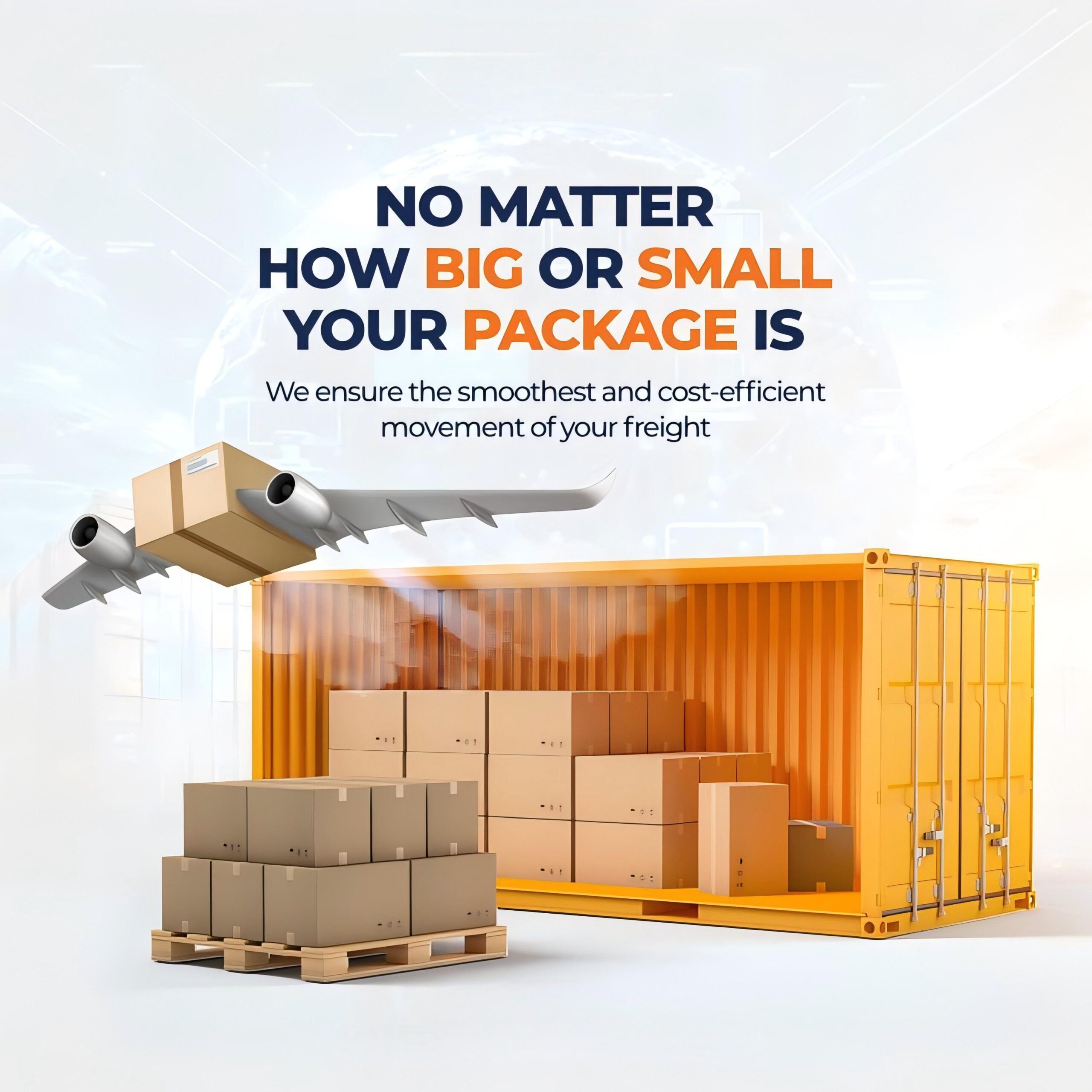
Ensure your sensitive electronics reach their destination safely and on time by choosing a partner that understands the Reefer FCL sailing schedule for electronics from China to UK. Contact Top China Freight today for a customized quote and expert logistics advice. Send Inquiry: https://Top China Freight.com/contact-us/
Request Quote