


FCL Shipping for Hardware Tools from China to Los Angeles: A Complete Guide
Importers looking to scale their business must master the complexities of FCL shipping for hardware tools from China to Los Angeles to maintain a competitive edge. Navigating international logistics involves understanding container types, customs regulations, and seasonal rate fluctuations. Top China Freight offers comprehensive solutions designed to streamline your ocean transport needs from major Chinese manufacturing hubs. By choosing full container loads, you ensure that your high-value hardware products remain secure and arrive on schedule at the Port of Los Angeles.
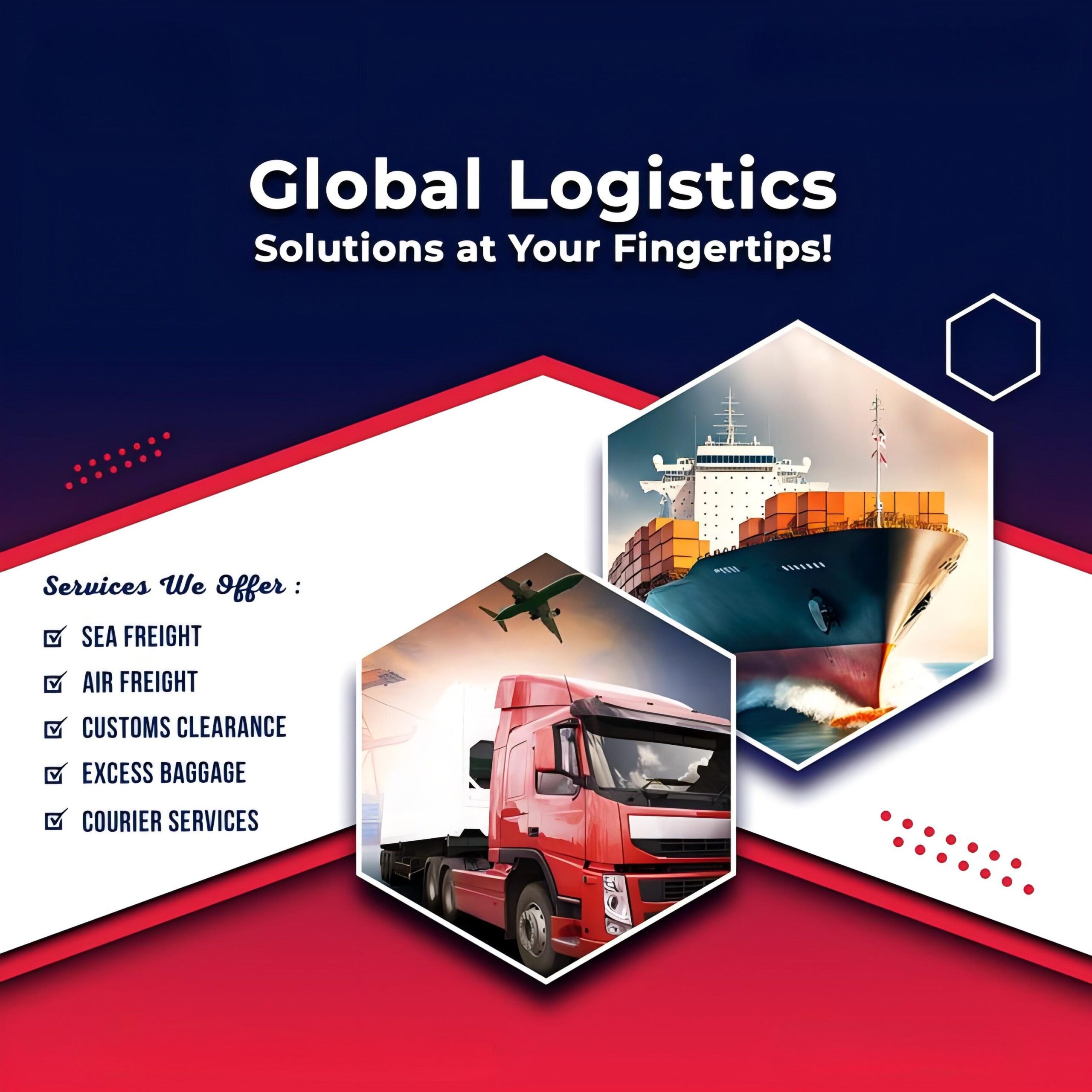
Why Choose FCL Shipping for Hardware Tools from China to Los Angeles?
Hardware tools are often heavy, bulky, and high-volume, making Full Container Load (FCL) the most efficient shipping method. Furthermore, FCL provides exclusive use of a 20ft or 40ft container, which significantly reduces the risk of damage during transit. Consequently, businesses can enjoy lower per-unit shipping costs compared to Less than Container Load (LCL) options.
Security is another major advantage when utilizing sea freight for hardware shipments. Because your goods are not mixed with other shippers’ cargo, the likelihood of mishandling or loss during the consolidation process is eliminated. Moreover, FCL shipments generally face fewer delays at the port because they do not require unpacking at a container freight station.
How Does FCL Compare to Other Shipping Options?
Choosing the right shipping method depends on your budget, volume, and urgency. While FCL is ideal for large quantities, other options like LCL or air freight might suit smaller or more urgent batches. Therefore, understanding the trade-offs is essential for effective supply chain management.
Air freight offers the fastest transit times but comes at a significantly higher price point. On the other hand, sea freight is the backbone of the hardware industry due to its capacity and cost-effectiveness. In addition, hybrid solutions like sea-air can sometimes bridge the gap between speed and budget.
| Shipping Method | Cost Range | Transit Time | Best For | Limitations |
|---|---|---|---|---|
| FCL (20GP/40HQ) | $1,500 – $3,800 | 14-22 Days | High volume tools | Requires full container |
| LCL (Per CBM) | $60 – $120 | 20-28 Days | Small tool sets | Higher damage risk |
| Air Freight | $5.00 – $8.00/kg | 3-7 Days | Urgent samples | Very expensive |
| Express Service | $8.00 – $12.00/kg | 2-5 Days | Small parcels | Weight limits |
Key Factors Influencing FCL Shipping for Hardware Tools from China to Los Angeles
Transit times for this specific route are generally the fastest for trans-Pacific shipments. Typically, a direct vessel from Shanghai or Ningbo to Los Angeles takes between 14 and 18 days. However, port congestion or seasonal peaks can extend this timeline by several days.
Freight rates fluctuate based on market demand and fuel surcharges. Indeed, during the peak season from August to October, prices often rise by 20% or more. Consequently, booking your shipments at least 3-4 weeks in advance is highly recommended to secure space and stable pricing.
Navigating Customs Brokerage for Tool Imports
Hardware tools often fall under specific tariff classifications that require expert knowledge to manage. Utilizing a professional customs brokerage service ensures that your HTS codes are accurate and your duties are calculated correctly. Additionally, this prevents costly delays or penalties from U.S. Customs and Border Protection.
Documentation is the foundation of a smooth import process. You must provide a commercial invoice, packing list, and bill of lading for every shipment. Furthermore, certain power tools may require compliance certificates, such as UL or ETL listings, to enter the U.S. market legally.
Which Option Should You Choose? Decision Framework
Determining the best logistics strategy requires a clear analysis of your current inventory needs. If your shipment exceeds 15 cubic meters, FCL is almost always the more economical choice. Meanwhile, smaller shipments of specialized tools might be better suited for LCL to save on immediate costs.
Speed priority should lead you toward air or express services for critical stock-outs. However, for steady inventory replenishment, shipping to North America via ocean freight remains the most sustainable long-term strategy. Consider your profit margins and the weight of the hardware when making this decision.
Cost Breakdown for FCL Shipments to Los Angeles
Understanding the total landed cost involves more than just the ocean freight rate. You must also account for origin charges, destination handling fees, and inland drayage. Consequently, a comprehensive quote should include all these variables to avoid hidden expenses.
Market data suggests that rates for a 40HQ container from Shenzhen to Los Angeles currently range between $2,800 and $3,500. Nevertheless, these prices are subject to change based on carrier capacity and global economic trends. Always request a current quote before finalizing your purchase orders.
| Container Type | Avg. Freight Cost | Max Weight | Capacity (CBM) |
|---|---|---|---|
| 20GP Container | $1,500 – $2,200 | 28,000 kg | 33 CBM |
| 40GP Container | $2,500 – $3,200 | 26,000 kg | 67 CBM |
| 40HQ Container | $2,800 – $3,800 | 26,000 kg | 76 CBM |

Case Study 1: Shipping Power Drills from Ningbo
Case Study 1: High-Volume Power Tool Distribution
Route: Ningbo, China to Los Angeles, USA. Cargo: Electric Power Drills, 68 CBM, 18,500 kg. Container: 40HQ. Shipping Details: Major carrier (COSCO), Direct route. Port of Loading: Ningbo. Port of Discharge: Los Angeles.
Cost Breakdown: Ocean Freight: $3,100; Origin Charges: $450; Destination Charges: $600; Customs & Duties (est): $4,200; Total Landed Cost: $8,350. Timeline: Booking to Loading: 5 days; Sea Transit: 16 days; Customs Clearance: 2 days; Total Door-to-Door: 23 days. Key Insight: Early booking during Q3 avoided a 15% peak season surcharge.
Case Study 2: Hand Tool Sets from Shenzhen
Case Study 2: Retail Inventory Replenishment
Route: Shenzhen, China to Los Angeles, USA. Cargo: Professional Hand Tool Sets, 28 CBM, 12,000 kg. Container: 20GP. Shipping Details: Major carrier (MSC), Direct route. Port of Loading: Shenzhen (Yantian). Port of Discharge: Los Angeles.
Cost Breakdown: Ocean Freight: $1,850; Origin Charges: $380; Destination Charges: $550; Customs & Duties (est): $2,100; Total Landed Cost: $4,880. Timeline: Booking to Loading: 4 days; Sea Transit: 15 days; Customs Clearance: 3 days; Total Door-to-Door: 22 days. Key Insight: Using door-to-door service simplified the final mile delivery to the warehouse.
Optimizing Your Supply Chain for Hardware Imports
Efficiency in logistics often comes down to the quality of your partnerships. Working with a reliable freight forwarder allows you to focus on sales while they handle the complexities of cargo handling and delivery schedules. Furthermore, implementing a just-in-time inventory model can reduce warehousing costs in Los Angeles.
Logistics trends in 2025 suggest an increased focus on digital tracking and sustainability. Importers who utilize real-time data can better predict arrival times and manage customer expectations. Additionally, consolidating shipments at the origin can further optimize container space and reduce environmental impact.
Managing Amazon FBA Shipments for Tools
Selling hardware tools on Amazon requires strict adherence to their receiving guidelines. If you are using Amazon FBA, your FCL shipments must be palletized and labeled correctly before arriving at the fulfillment center. Consequently, choosing a forwarder with FBA experience is vital for avoiding rejections.
Los Angeles is a strategic entry point for FBA sellers because of its proximity to several major Amazon warehouses. This location reduces inland shipping costs and speeds up the time it takes for your products to become active on the platform. Moreover, many third-party logistics (3PL) providers in LA offer specialized prep services for hardware tools.
Final Thoughts on FCL Shipping for Hardware Tools
Successfully managing FCL shipping for hardware tools from China to Los Angeles requires a blend of strategic planning and expert execution. By understanding the nuances of ocean freight, customs brokerage, and container optimization, you can significantly reduce your overhead costs. Furthermore, staying informed about market trends and seasonal variations allows you to make data-driven decisions for your supply chain.
Top China Freight remains committed to providing reliable and transparent shipping services for the hardware industry. Whether you are importing power drills or hand tool sets, our comprehensive logistics network ensures your products reach the Los Angeles market efficiently. Start optimizing your trans-Pacific shipping strategy today to achieve long-term business growth.

Ready to streamline your logistics?
Streamline your hardware tool imports today with expert FCL shipping for hardware tools from China to Los Angeles. Our team provides tailored logistics solutions to ensure your cargo arrives safely and cost-effectively. Send Inquiry link: Visit https://Top China Freight.com/ to get a personalized quote for your next shipment.
Request Quote