
Open Top FCL tracking for auto parts from China to Germany: A Professional Guide
Managing international logistics requires precision, especially when handling oversized components for the automotive industry. Many importers rely on Top China Freight to ensure their shipments arrive safely and on schedule. Implementing robust Open Top FCL tracking for auto parts from China to Germany allows businesses to maintain full visibility over their high-value cargo throughout the maritime journey.
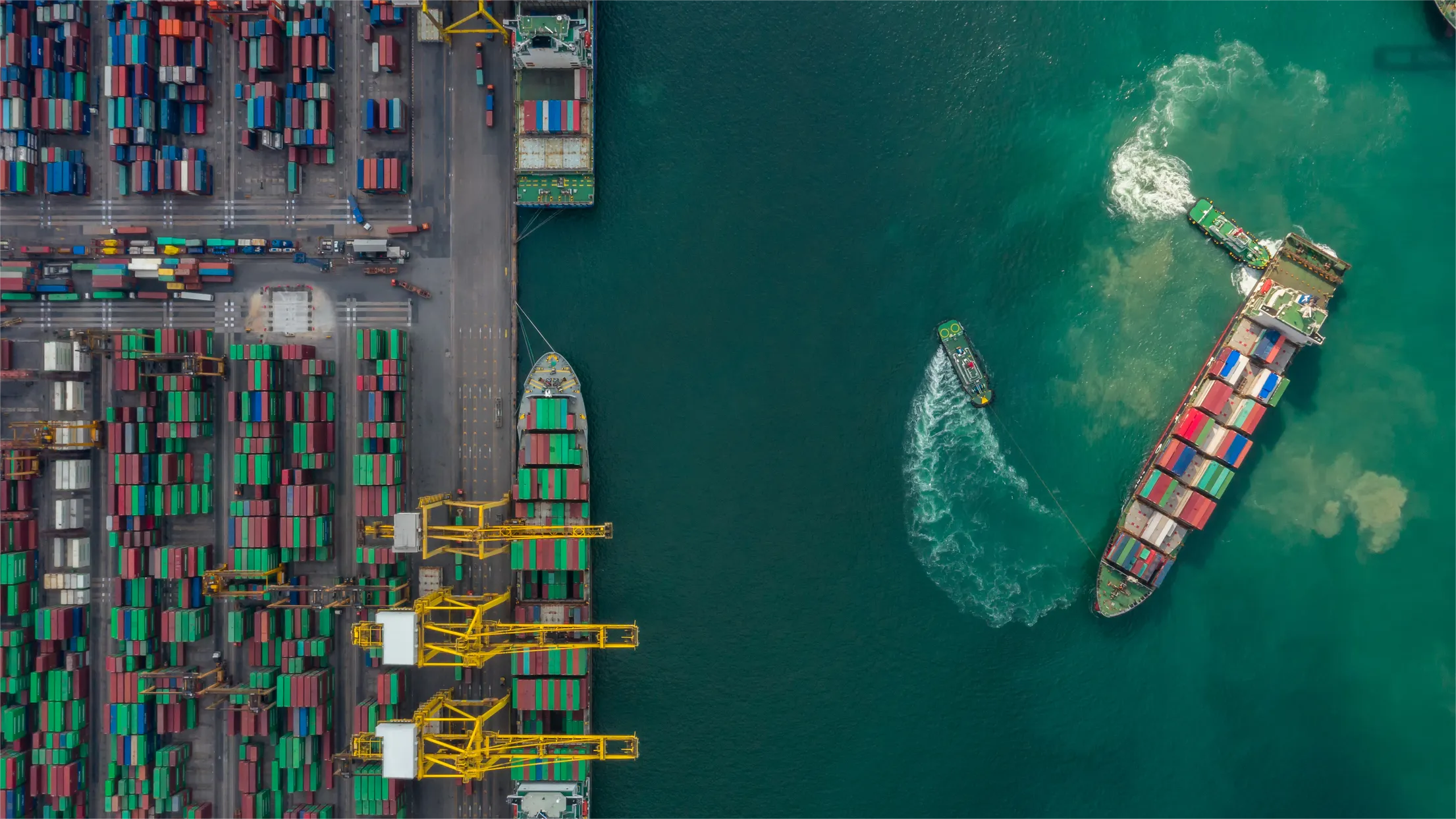
Understanding Open Top FCL tracking for auto parts from China to Germany
Open top containers feature a removable tarpaulin instead of a solid roof, making them ideal for bulky auto parts. Consequently, tracking these specialized units requires integrated digital solutions that connect with carrier databases. Shippers must monitor these assets closely to prevent delays in production lines across Europe.
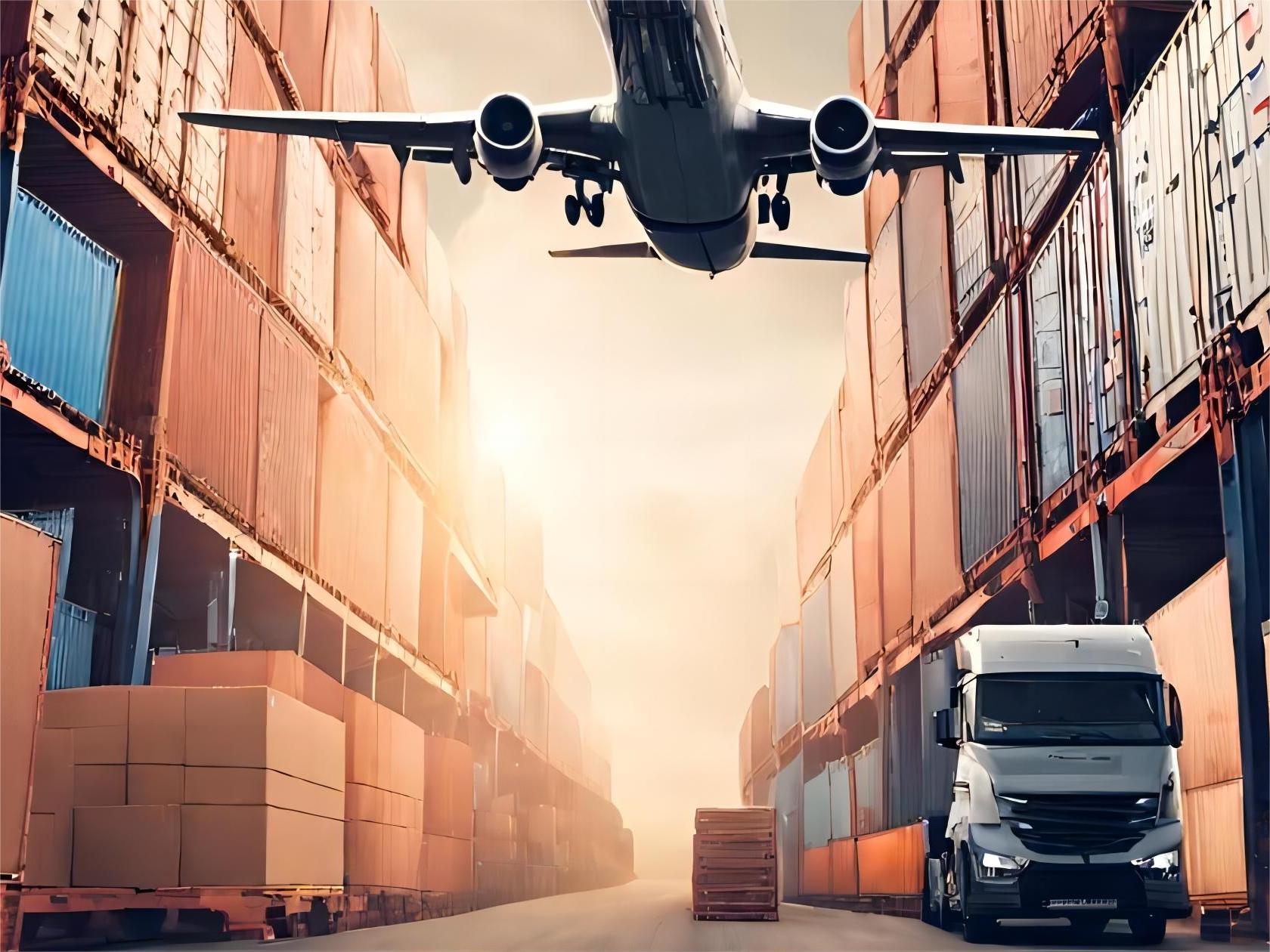
Reliable sea freight services provide the foundation for successful long-distance transport. Furthermore, modern tracking systems utilize GPS and AIS data to provide real-time location updates. This transparency ensures that logistics managers can predict arrival times with high accuracy.
Effective tracking starts at the port of loading in China, such as Shanghai or Ningbo. Meanwhile, the data flows through various checkpoints until the vessel reaches German ports like Hamburg or Bremerhaven. This continuous stream of information is vital for managing complex automotive supply chains.
Why Specialized Containers are Required for Automotive Components
Automotive parts often include oversized items like engine blocks, chassis frames, and large stamping dies. These items frequently exceed the height limits of standard dry containers, necessitating the use of open top equipment. Therefore, utilizing the correct container type is the first step in ensuring cargo safety.
Loading these parts from the top using cranes simplifies the handling process significantly. Additionally, the open top design allows for the transport of machinery that cannot be easily maneuvered through standard container doors. This flexibility is essential for maintaining the integrity of sensitive automotive engineering components.
Securing the cargo within an open top unit requires specialized lashing and bracing techniques. Nevertheless, the ability to track these specific units helps in identifying if any handling issues occur during transshipment. Modern sensors can even detect vibrations or tilts that might affect the quality of the auto parts.
How Does Open Top FCL Compare to Other Shipping Options?
Choosing between different transport modes depends on your specific budget and timeline requirements. While Open Top FCL is perfect for oversized items, standard containers are more affordable for smaller parts. In contrast, rail freight offers a middle ground for speed and cost.
Air transport remains the fastest option but comes with significantly higher freight rates. Moreover, the weight and dimensions of many auto parts make air freight cost-prohibitive for most bulk shipments. As a result, maritime transport remains the dominant choice for the China-Germany trade lane.
The following table provides a detailed comparison of the most common shipping methods used for this route. Specifically, it highlights the trade-offs between cost, speed, and cargo capacity for automotive importers.
| Best For | Transit Time | Shipping Method | Cost Range (USD) |
| Best For | Transit Time | Shipping Method | Cost Range (USD) |
| Best For | Transit Time | Shipping Method | Cost Range (USD) |
| Best For | Transit Time | Shipping Method | Cost Range (USD) |
The Role of Real-Time Data in Maritime Logistics
Data accuracy is the cornerstone of modern Open Top FCL tracking for auto parts from China to Germany. Indeed, having access to real-time information allows companies to adjust their inventory levels dynamically. This practice reduces the need for expensive safety stock in German warehouses.
Carriers now offer sophisticated portals where users can enter their Bill of Lading or container numbers. Consequently, stakeholders receive immediate updates regarding vessel departures, port congestion, and arrival notices. This level of detail is indispensable for high-stakes automotive manufacturing.
Moreover, third-party logistics providers often aggregate data from multiple carriers into a single dashboard. This approach simplifies the monitoring process for businesses managing dozens of containers simultaneously. Accordingly, supply chain transparency becomes a competitive advantage for smart importers.
Key Factors Affecting Transit Times from China to Germany
Several variables influence how long it takes for auto parts to travel from Chinese factories to German assembly lines. For instance, port congestion at major hubs like Singapore can add several days to the total journey. Therefore, planning for potential delays is a necessary part of logistics management.
Weather conditions in the Indian Ocean or the North Sea also play a significant role in vessel schedules. Additionally, the specific route taken by the carrier, such as transit through the Suez Canal, affects the overall duration. Shippers should monitor these global events via their tracking software.
Current market data for early 2025 suggests that transit times have stabilized compared to the disruptions of previous years. However, seasonal peaks around the Chinese New Year still cause temporary capacity crunches and longer lead times. Proactive booking is usually the best strategy to mitigate these risks.
Essential Documentation for German Customs Clearance
Navigating the regulatory landscape requires a deep understanding of European import laws. Specifically, working with a professional customs brokerage ensures that all paperwork is filed correctly and on time. Errors in documentation can lead to costly delays at the German border.
Auto parts often require specific certifications and declarations of origin to qualify for preferential tariff rates. Furthermore, the commercial invoice must accurately reflect the value and description of the oversized components. This precision prevents disputes with customs authorities during the clearance process.
Typical documents include the Bill of Lading, Packing List, and Certificate of Origin. In addition, certain technical parts may require safety compliance certificates according to EU standards. Keeping digital copies of these documents linked to your tracking profile streamlines the entire import operation.
Which Shipping Option Should You Choose?
Decision-making in logistics involves balancing cost against the urgency of the shipment. If your priority is budget and you are shipping oversized frames, Open Top FCL is the most logical choice. On the other hand, if speed is critical for a production line, rail might be worth the extra investment.
Volume thresholds also dictate the most efficient method for your supply chain. For example, shipments exceeding 15 cubic meters often justify the cost of a full container rather than LCL. Without a doubt, analyzing your monthly volume helps in negotiating better freight rates with carriers.
Consider using a door to door service to minimize the complexity of managing multiple vendors. This comprehensive approach covers everything from factory pickup in China to final delivery in Germany. Consequently, your team can focus on core business activities instead of micromanaging logistics.
Real-World Case Studies: China to Germany Logistics
Case Study 1: Large Engine Block Shipment
Route: Shanghai, China to Hamburg, Germany. Cargo: 25 tons of cast iron engine blocks. Container: 40ft Open Top FCL. Shipping Details: Direct sea route via major carrier. Ocean Freight: $4,200. Total Landed Cost: $5,150. Sea Transit: 34 days. Total Door-to-Door: 42 days. Key Insight: Top-loading saved 4 hours of labor per container at the origin.
Case Study 2: Automotive Assembly Frames
Route: Shenzhen, China to Bremen, Germany. Cargo: Oversized aluminum frames, 18 CBM. Container: 20ft Open Top FCL. Shipping Details: Transshipment via Singapore. Ocean Freight: $3,100. Total Landed Cost: $3,900. Sea Transit: 38 days. Total Door-to-Door: 46 days. Key Insight: Real-time tracking identified a 3-day delay in Singapore, allowing the client to adjust production schedules early.
Maximizing Efficiency with Open Top FCL tracking for auto parts from China to Germany
To summarize, successful automotive logistics depends on choosing the right equipment and maintaining total visibility. Open Top FCL tracking for auto parts from China to Germany provides the necessary data to navigate the complexities of international trade. By leveraging modern technology and expert freight forwarding services, businesses can ensure their oversized cargo reaches its destination safely.
Note: Freight rates are subject to change based on fuel costs, carrier capacity, and seasonal demand. Contact us for a current quote tailored to your specific shipment. Staying informed about market trends and utilizing robust tracking tools will keep your supply chain resilient in 2025 and beyond.
Ready to streamline your logistics?
Streamline your automotive supply chain with professional Open Top FCL tracking for auto parts from China to Germany. Contact our logistics experts today to receive a customized freight quote and optimize your international shipping strategy. Send Inquiry: Visit https://Top China Freight.com/