


China FCL door to port to Chicago: Shipping Guide 2025
Coordinating a China FCL door to port to Chicago shipment requires a deep understanding of transpacific logistics and inland transportation networks. Businesses looking to optimize their supply chain often rely on Top China Freight to manage the complexities of moving full container loads across the ocean. This specific shipping model provides a balance of control and cost-efficiency by picking up cargo directly from the supplier and delivering it to the major rail ramp or port terminal in Chicago. Consequently, importers can streamline their operations while maintaining visibility over their high-volume goods throughout the entire journey from Asia to the American Midwest.
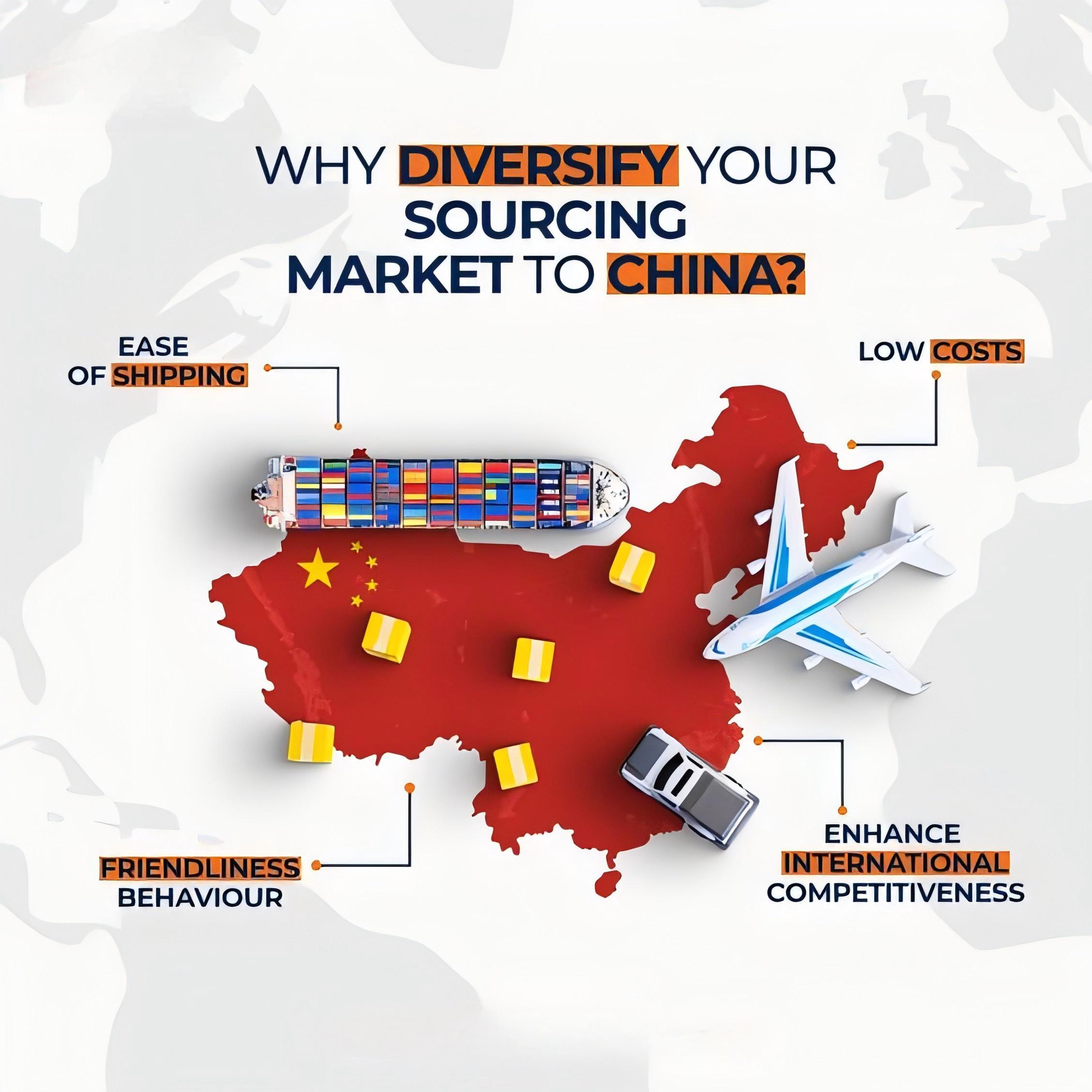
Understanding the China FCL door to port to Chicago Logistics Process
Managing the logistics of a China FCL door to port to Chicago route involves multiple stages of transportation and coordination. Initially, the freight forwarder arranges for an empty container to be delivered to your supplier’s factory in China for loading. This step ensures that the goods are packed securely at the origin, which is a key component of a successful door to door strategy. Once the container is sealed, it moves by truck to the designated port of loading such as Shanghai or Ningbo.
Furthermore, the container must undergo export customs clearance before it can be loaded onto the massive ocean vessel. After the ship departs, it typically crosses the Pacific Ocean toward a major gateway on the United States West Coast. Meanwhile, logistics providers track the vessel to ensure the cargo remains on schedule for its eventual arrival in the Midwest. Therefore, choosing a reliable carrier is essential for maintaining a consistent delivery schedule for your inventory.
Notably, the port to Chicago leg usually involves an intermodal rail transfer from ports like Los Angeles, Long Beach, or Prince Rupert. This rail connection is vital because Chicago serves as the primary rail hub for the entire North American continent. Consequently, your FCL shipment will arrive at a Chicago rail ramp, where it becomes available for pickup by your local drayage provider. Indeed, this method offers a robust solution for companies importing large volumes of consumer goods or industrial equipment.
Key Benefits of Full Container Load Shipping for Chicago Importers
Choosing sea freight in the form of a Full Container Load (FCL) provides several distinct advantages for businesses. First, FCL shipments generally face a lower risk of damage because the container is only opened at the origin and the final destination. In contrast, Less than Container Load (LCL) shipments require frequent handling and consolidation with other shippers’ goods. Additionally, FCL offers faster transit times compared to LCL since there is no need for consolidation or deconsolidation at the warehouse.
Moreover, the cost per unit of shipping is significantly lower when you utilize the entire space of a 20ft or 40ft container. This economy of scale makes FCL the preferred choice for high-volume importers who need to keep their landed costs competitive. Furthermore, FCL allows for greater flexibility in scheduling, as carriers offer frequent sailings from all major Chinese ports. As a result, you can plan your production cycles with more precision and confidence.
Nevertheless, importers must ensure they have the volume to justify a full container to maximize these benefits. If your shipment exceeds 15 cubic meters, FCL usually becomes the more economical and efficient option. Accordingly, many growing businesses transition from LCL to FCL as their order volumes increase to take advantage of these logistical efficiencies. Indeed, the security and speed of FCL make it the gold standard for transpacific trade.
Transit Times and Route Options for Chicago Cargo
Shipping from China to Chicago involves different route options that impact both the transit time and the total cost. Most shipments to the Midwest utilize the IPI (Inland Point Intermodal) route, where the container arrives at a West Coast port and moves by rail to Chicago. This route is generally the fastest, taking approximately 18 to 25 days depending on the origin port in China. On the other hand, the All-Water route via the Panama Canal to the East Coast followed by rail to Chicago takes much longer.
Specifically, the All-Water route can take between 35 and 45 days, though it sometimes offers lower rail costs from the East Coast. However, most importers targeting the Chicago market prefer the speed of the West Coast rail connection. For instance, shipments from Shenzhen to Chicago via the Port of Prince Rupert often see some of the fastest transit times in the industry. Meanwhile, congestion at major ports like Los Angeles can occasionally cause delays in the rail transfer process.
Therefore, it is crucial to stay informed about current port conditions and rail capacity when planning your North America logistics. Additionally, seasonal factors such as the Lunar New Year or the peak shipping season in Q3 can extend these timelines significantly. Consequently, we recommend booking your shipments at least 3 to 4 weeks in advance during these busy periods. To summarize, understanding these route dynamics helps you manage customer expectations and inventory levels effectively.
| Best For | Route Type | Average Transit Time | Primary Gateway Port |
| Best For | Route Type | Average Transit Time | Primary Gateway Port |
| Best For | Route Type | Average Transit Time | Primary Gateway Port |
Cost Breakdown: Factors Influencing Freight Rates to Chicago
Calculating the total cost of a China FCL door to port to Chicago shipment requires looking beyond just the ocean freight rate. You must account for origin charges, which include trucking from the factory, export documentation, and terminal handling fees. Additionally, ocean freight rates fluctuate weekly based on fuel surcharges, carrier capacity, and global demand. Furthermore, the inland rail portion of the journey to Chicago represents a significant percentage of the total freight bill.
Indeed, rail rates from the West Coast to Chicago can vary based on the specific rail ramp used and the current demand for intermodal equipment. Moreover, destination charges such as port security fees, customs clearance, and terminal handling at the Chicago rail ramp must be included in your budget. Consequently, it is vital to request an all-in quote from your forwarder to avoid unexpected expenses. For example, peak season surcharges (PSS) can add hundreds of dollars to a single container during the busy autumn months.
As of early 2025, market data suggests that FCL rates have stabilized, though they remain sensitive to geopolitical events. For instance, disruptions in other global trade lanes can shift carrier capacity toward the transpacific route, affecting local prices. Therefore, maintaining a flexible budget and working with an experienced partner can help you navigate these price fluctuations. To summarize, a comprehensive cost analysis is the only way to ensure your import business remains profitable.
| Container Type | Inland Rail Cost | Total Estimated Cost | Estimated Ocean Freight |
| Container Type | Inland Rail Cost | Total Estimated Cost | Estimated Ocean Freight |
| Container Type | Inland Rail Cost | Total Estimated Cost | Estimated Ocean Freight |

How Does China FCL Compare to Other Shipping Options?
When evaluating the China FCL door to port to Chicago method, it is important to consider alternative strategies that might better suit your specific needs. While FCL is excellent for large volumes, rail freight via the Silk Road is primarily used for shipments to Europe and is not a direct option for the US Midwest. However, air freight remains a viable alternative for urgent cargo that cannot wait for the 3-week ocean transit. Although air freight is significantly more expensive, it can save your supply chain during a stockout.
Additionally, LCL shipping is a better choice if you are moving small quantities that do not fill at least half of a 20ft container. Nevertheless, FCL remains the most cost-effective solution for anyone moving more than 15-20 cubic meters of goods. For instance, the cost per CBM for FCL is often 50% lower than LCL rates when the container is fully utilized. Furthermore, hybrid solutions like sea-air combinations are rarely used for Chicago but can be tailored for specific high-value electronics.
In contrast to door-to-door services, the door-to-port model gives you more control over the final mile delivery in Chicago. This allows you to use your preferred local trucking company for the drayage from the rail ramp to your warehouse. Consequently, you can often negotiate better local rates if you have a high volume of local deliveries. Therefore, the choice between these methods depends on your internal logistics capabilities and your budget priorities.
| Best For | Cost Range | Transit Time | Shipping Method |
| Best For | Cost Range | Transit Time | Shipping Method |
| Best For | Cost Range | Transit Time | Shipping Method |
Essential Documentation for Customs Clearance
Navigating the legal requirements for importing goods into the United States is a critical part of the China FCL door to port to Chicago process. You must provide an accurate Commercial Invoice and a detailed Packing List to your customs brokerage partner. Additionally, the Bill of Lading serves as the title to the goods and is required to release the container at the Chicago rail ramp. Without these documents, your shipment will likely face expensive storage fees and delays at the port of entry.
Moreover, certain products may require specific certificates, such as an FDA notice for food-related items or an EPA declaration for engines. Furthermore, the ISF (Importer Security Filing), also known as 10+2, must be filed at least 24 hours before the ship departs from China. Failure to file the ISF on time can result in significant fines from US Customs and Border Protection. Consequently, working with an experienced forwarder who manages these filings is essential for a smooth import experience.
Meanwhile, you should also be aware of the Harmonized Tariff Schedule (HTS) codes for your products to calculate duties accurately. Indeed, the correct classification of your goods can save you thousands of dollars in unnecessary taxes. Therefore, we recommend conducting a thorough document review before the cargo even leaves the factory in China. To summarize, meticulous paperwork is the foundation of a successful international shipping operation.

Real-World Case Studies: China to Chicago FCL
Case Study 1: Electronics from Shenzhen to Chicago. A consumer electronics retailer needed to transport 400 units of high-end audio equipment. They chose a 40HQ container via the Port of Prince Rupert and the Canadian National Railway. The total ocean freight and rail cost was approximately $5,800 with a total door-to-port transit time of 21 days. This successful shipment allowed the client to meet their Q4 holiday sales deadlines without resorting to expensive air freight.
Case Study 2: Furniture from Ningbo to Chicago. A boutique furniture wholesaler imported 25 CBM of handcrafted tables using a 20GP container. They utilized the Port of Long Beach as the gateway and moved the cargo via Union Pacific rail to the Global IV terminal in Joliet, Illinois. The total landed cost was $4,200, and the transit time was 24 days. Despite minor port congestion, the proactive communication from their forwarder ensured the local drayage was scheduled perfectly.
Notably, these cases highlight the importance of choosing the right gateway port based on the specific rail connection to Chicago. Furthermore, they demonstrate that even during periods of moderate congestion, a well-planned FCL strategy remains highly effective. Consequently, businesses of all sizes can achieve reliable results by following these proven logistics models. Indeed, the Chicago market remains one of the most accessible destinations for Chinese manufacturers.
Which Option Should You Choose for Your Chicago Shipments?
Deciding on the best shipping method depends on several factors, including your budget, timeline, and cargo volume. If your primary goal is to minimize costs and you have at least 15 CBM of goods, FCL is almost always the superior choice. On the other hand, if you are testing a new product and have low volume, LCL may be the safer initial investment. However, as your business scales, transitioning to FCL will provide the consistency and protection your brand needs.
Additionally, consider your speed requirements; if you need goods in Chicago in less than two weeks, air freight is your only option. For standard inventory replenishment, the 20-25 day window provided by ocean-rail intermodal is usually sufficient. Furthermore, evaluate your internal team’s ability to handle the final mile drayage from the Chicago rail ramp. If you prefer a hands-off approach, a full door-to-door service might be worth the additional management fee.
Notably, the current market for 2025 suggests that freight rates are relatively stable, making it a good time to lock in long-term contracts. Therefore, analyzing your annual shipping volume can help you negotiate better rates with carriers. In contrast, spot market rates offer flexibility if your shipping needs are irregular. To summarize, align your shipping strategy with your broader business objectives to ensure long-term success in the competitive US market.
Final Thoughts on Shipping FCL to Chicago
Successfully managing a China FCL door to port to Chicago shipment is a vital skill for any modern importer. By understanding the nuances of intermodal rail, container pricing, and customs requirements, you can significantly reduce your logistics overhead. Furthermore, the Chicago rail hub provides unparalleled access to the rest of the United States, making it a strategic destination for your cargo.
Moreover, the benefits of security, speed, and cost-efficiency make FCL the preferred method for high-volume trade. As market conditions evolve in 2025, staying informed and flexible will be the key to maintaining a resilient supply chain. Therefore, prioritize partnerships with experienced freight forwarders who understand the specific challenges of the Chicago route. Indeed, with the right strategy, your business can thrive in the global marketplace.
Ready to streamline your logistics?
Optimizing your China FCL door to port to Chicago logistics has never been easier with the right partner. Our team provides expert guidance on container selection, route optimization, and customs compliance to ensure your cargo arrives on time and within budget. Contact us today to receive a personalized quote and discover how we can streamline your transpacific supply chain. Send Inquiry to get started with your next shipment.
Request Quote