

China FCL Export Documentation to Denmark: The Complete Guide
Shipping goods from China to Denmark requires a deep understanding of international trade laws and regulatory compliance. Navigating the complexities of Top China Freight logistics ensures your cargo reaches its destination efficiently. This comprehensive guide covers essential China FCL export documentation to Denmark to help you avoid delays and extra costs. Consequently, you will be better prepared to manage your international supply chain with confidence.
What is China FCL Export Documentation to Denmark?
FCL or Full Container Load refers to a shipment where an entire container is dedicated to one importer. This method offers better security and faster transit times compared to shared containers. However, the documentation process remains rigorous to meet Danish and European Union standards. Therefore, understanding every required form is critical for a successful delivery.
Documentation serves as the legal proof of ownership and the basis for customs assessments. It includes technical details about the cargo, its value, and its origin. Furthermore, incorrect paperwork can lead to severe fines or port storage fees. As a result, exporters must double-check every entry before the vessel leaves the Chinese port.
Danish authorities require specific formats for all digital and physical records. These rules ensure that all imported goods meet safety and environmental regulations. Additionally, having the right China FCL export documentation to Denmark facilitates a smoother transition through the Port of Aarhus or Copenhagen. Indeed, preparation is the foundation of efficient international logistics.
Essential Documents for Shipping FCL from China to Denmark
The Bill of Lading is arguably the most important document in the entire shipping process. It acts as a contract of carriage and a receipt for the goods. Moreover, it specifies the terms under which the carrier moves the cargo from China to Denmark. Without a valid Bill of Lading, you cannot claim your container at the destination.
Commercial Invoices provide the financial details necessary for customs valuation and duty calculation. This document must clearly state the seller, the buyer, and the transaction value. Additionally, it should include the specific HS Codes for each product type. Consequently, the Danish customs officials can quickly determine the applicable VAT and import duties.
Packing Lists complement the invoice by detailing the physical characteristics of the shipment. This includes the weight, dimensions, and packaging type for every item in the container. Furthermore, it helps port authorities during cargo handling and inspections. In contrast to the invoice, the packing list focuses on the logistics rather than the financial value.
| Document Name | Purpose | Issuer | Requirement Level |
|---|---|---|---|
| Bill of Lading | Title of goods | Carrier/Agent | Mandatory |
| Commercial Invoice | Tax calculation | Exporter | Mandatory |
| Packing List | Cargo verification | Exporter | Mandatory |
| Certificate of Origin | Trade agreements | Chamber of Commerce | Highly Recommended |
How Does Sea Freight Compare to Other Shipping Options?
Choosing sea freight is usually the most cost-effective strategy for large volumes. It allows for the transport of heavy machinery, bulk consumer goods, and industrial raw materials. However, the transit time is significantly longer than air or rail options. Therefore, businesses must plan their inventory cycles several weeks in advance.
Air freight offers unparalleled speed for urgent shipments or high-value electronics. While it reduces the time spent in the supply chain, the costs are often five to ten times higher than sea freight. Additionally, weight and volume restrictions are much stricter for air transport. Nevertheless, it remains a vital alternative for time-sensitive product launches.
Rail freight via the New Silk Road has become a popular middle-ground solution. It provides faster delivery than the ocean while remaining cheaper than air transport. Furthermore, it is less susceptible to weather-related delays that often affect maritime routes. Consequently, many Danish importers use rail for seasonal goods that need a balanced approach to cost and speed.
| Method | Cost Range (USD) | Transit Time | Best For |
|---|---|---|---|
| FCL Sea Freight | 2500 – 4500 | 30 – 45 Days | Bulk/Large Cargo |
| LCL Sea Freight | 80 – 150 per CBM | 35 – 50 Days | Small Shipments |
| Air Freight | 5.00 – 9.00 per kg | 5 – 8 Days | Urgent/High Value |
| Rail Freight | 1500 – 3000 | 18 – 25 Days | Mid-size/Balanced |
Navigating Customs Brokerage and Compliance
Professional customs brokerage services are essential for navigating Danish import laws. These experts ensure that your China FCL export documentation to Denmark complies with the Union Customs Code. Moreover, they handle the digital submission of the Entry Summary Declaration. As a result, your cargo spends less time waiting for clearance at the port.
Denmark requires all importers to have an EORI number for trading with non-EU countries. This identification number is used in all communications with customs authorities. Additionally, specific goods like food or chemicals may require health certificates or import licenses. Consequently, failing to secure these documents early can lead to expensive delays.
Customs duties are calculated based on the CIF value of the goods, which includes cost, insurance, and freight. Furthermore, Denmark applies a standard VAT rate of 25 percent on most imported items. Indeed, accurate documentation is the only way to ensure you are not overpaying on these taxes. Therefore, working with a knowledgeable partner is a wise investment for any importer.
Understanding Transit Times and Freight Rates
Transit times from China to Denmark vary depending on the departure port and the shipping line. Typically, vessels from Shanghai or Ningbo take about 35 to 40 days to reach Danish ports. However, direct services are rare, and most containers are transshipped through hubs like Rotterdam or Hamburg. Therefore, you should account for potential transshipment delays in your schedule.
Freight rates are influenced by seasonal demand, fuel surcharges, and global economic conditions. During peak seasons like the months leading up to Christmas, prices can spike significantly. Additionally, container availability in major Chinese ports can impact the final quote. Consequently, booking your space at least three to four weeks in advance is highly recommended.
Many businesses now opt for door to door services to simplify their budgeting. This model provides a single price that covers everything from the factory floor in China to the warehouse in Denmark. Furthermore, it reduces the administrative burden of managing multiple logistics providers. Indeed, this approach offers better visibility over the total landed cost of your goods.
Real-World Case Studies for FCL Shipments
Analyzing real-world examples helps clarify the practical application of China FCL export documentation to Denmark. These scenarios illustrate how different variables like cargo type and port choice affect the outcome. Moreover, they highlight the importance of proactive communication between the exporter and the freight forwarder. Consequently, you can learn from these experiences to optimize your own shipping strategy.
Case Study 1: Office Furniture from Ningbo to Copenhagen. A Danish retailer ordered a 40HQ container of ergonomic chairs. The cargo was shipped via a major carrier with a transshipment in Rotterdam. Due to accurate documentation, the customs clearance took only 48 hours. As a result, the total door-to-door time was 42 days with a total cost of 4,200 USD.
Case Study 2: Consumer Electronics from Shenzhen to Aarhus. An electronics distributor moved a 20GP container during the Q4 peak season. Because of high demand, freight rates were 20 percent higher than the annual average. However, by using a direct booking strategy, they avoided port congestion. The shipment arrived in 38 days with a landed cost of 3,850 USD including duties.
Case Study 1: Furniture Import
Route: Ningbo, China to Copenhagen, Denmark. Cargo: Office Furniture, 65 CBM, 12,000 kg. Container: 40HQ. Carrier: Maersk. Port of Loading: Ningbo. Port of Discharge: Copenhagen via Rotterdam. Ocean Freight: 3,200 USD. Origin Charges: 350 USD. Destination Charges: 450 USD. Customs and Duties: 1,200 USD. Total Landed Cost: 5,200 USD. Timeline: 42 Days. Key Insight: Early submission of the Certificate of Origin saved 5 percent on duties.
Case Study 2: Electronics Distribution
Route: Shenzhen, China to Aarhus, Denmark. Cargo: LED Panels, 28 CBM, 8,000 kg. Container: 20GP. Carrier: COSCO. Port of Loading: Shenzhen. Port of Discharge: Aarhus. Ocean Freight: 2,100 USD. Origin Charges: 300 USD. Destination Charges: 400 USD. Customs and Duties: 2,500 USD. Total Landed Cost: 5,300 USD. Timeline: 38 Days. Key Insight: Accurate HS Code classification prevented a customs audit.
Which Shipping Option Should You Choose?
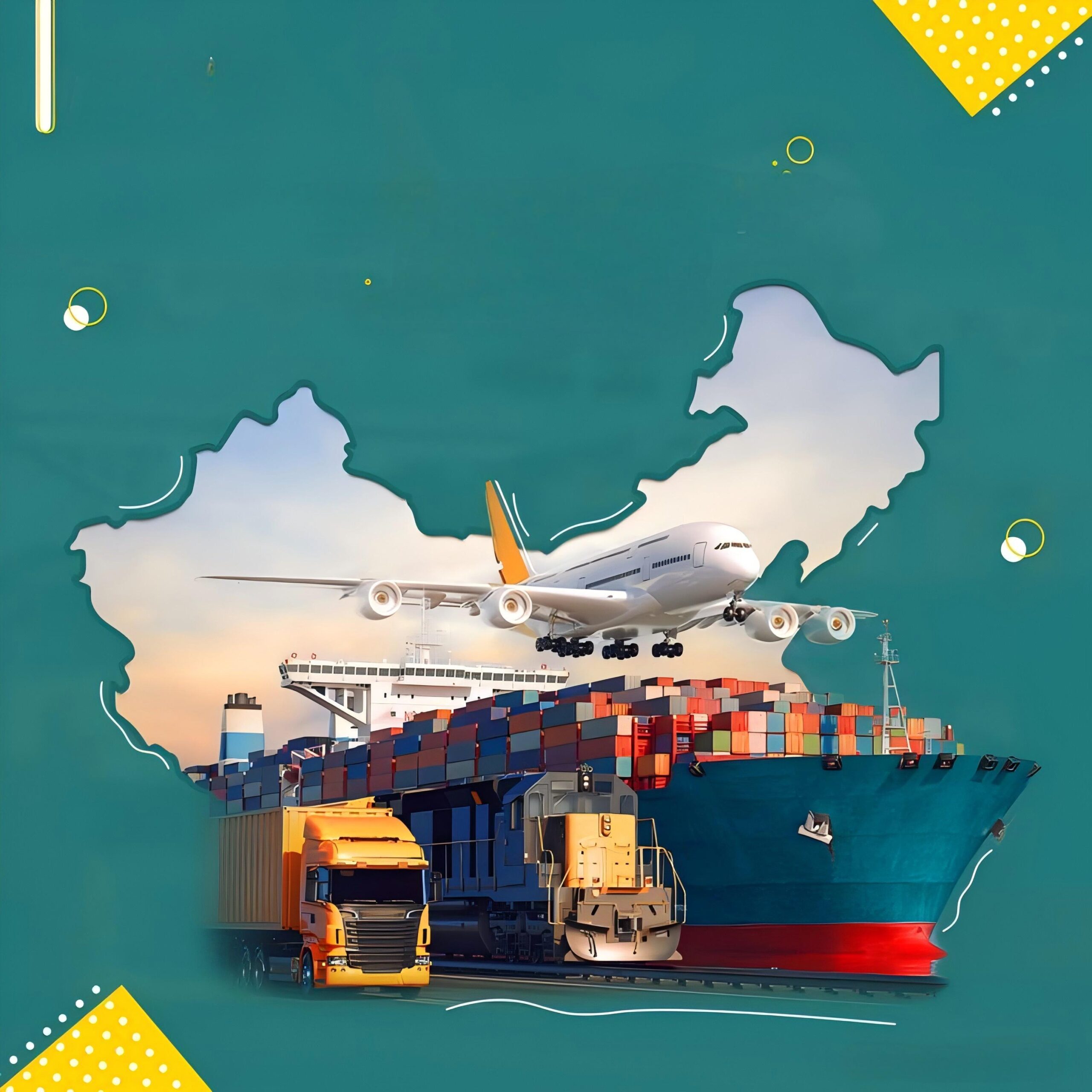
Determining the right shipping method depends on your specific business priorities and cargo volume. If your primary goal is cost reduction, sea freight remains the undisputed leader for large shipments. However, if your inventory is low and customers are waiting, the speed of air freight might justify the expense. Therefore, you must weigh the trade-offs between time and money carefully.
Volume thresholds often dictate the switch from LCL to FCL shipping. Generally, if your cargo exceeds 15 cubic meters, booking a full 20GP container becomes more economical. Additionally, FCL reduces the risk of damage since the goods are not handled alongside other shippers’ cargo. Consequently, many growing businesses transition to FCL once their order volumes stabilize.
Cargo type also plays a significant role in the decision-making process. Perishable goods or high-fashion items often require the rapid transit of air freight or refrigerated containers. In contrast, durable goods like construction materials are perfectly suited for the longer journey of Europe bound sea vessels. Indeed, matching the method to the product is key to supply chain efficiency.
Cost-Saving Strategies for China to Denmark Logistics
Consolidating shipments is one of the most effective ways to lower your overall logistics expenses. By grouping multiple smaller orders into a single FCL container, you maximize space and reduce per-unit costs. Furthermore, this strategy simplifies the China FCL export documentation to Denmark by reducing the number of filings. As a result, you save both time and money on administrative fees.
Negotiating long-term contracts with freight forwarders can provide stability in a volatile market. These agreements often include fixed rates or priority space during peak seasons. Additionally, optimizing your packaging can lead to significant savings by fitting more items into a single container. Consequently, a small change in box dimensions can result in thousands of dollars in annual savings.
Utilizing Free Trade Zones or bonded warehouses can defer the payment of duties and VAT. This approach improves your cash flow by keeping the goods in a tax-free status until they are ready for local distribution. Furthermore, it allows for easier re-exporting if your business serves the wider Nordic region. Indeed, smart tax planning is just as important as choosing the right shipping route.
Final Thoughts on FCL Documentation
Mastering China FCL export documentation to Denmark is a vital skill for any business involved in international trade. By ensuring that your Bill of Lading, Commercial Invoice, and Packing List are accurate, you eliminate the most common causes of delays. Furthermore, staying informed about logistics trends and customs regulations helps you adapt to a changing global market.
Success in shipping depends on a combination of thorough preparation and choosing the right partners. Whether you prioritize speed or cost, having a clear strategy for your China FCL export documentation to Denmark will always yield better results. Start optimizing your documentation process today to build a more resilient and efficient supply chain for the future.
Ready to streamline your logistics?
Managing China FCL export documentation to Denmark does not have to be a stressful experience for your team. Our experts are ready to handle every detail of your shipment from the Chinese factory to your Danish doorstep. Contact us today to receive a customized quote and streamline your international logistics operations. Visit our website or send an inquiry to start your journey with a reliable partner.
Request Quote