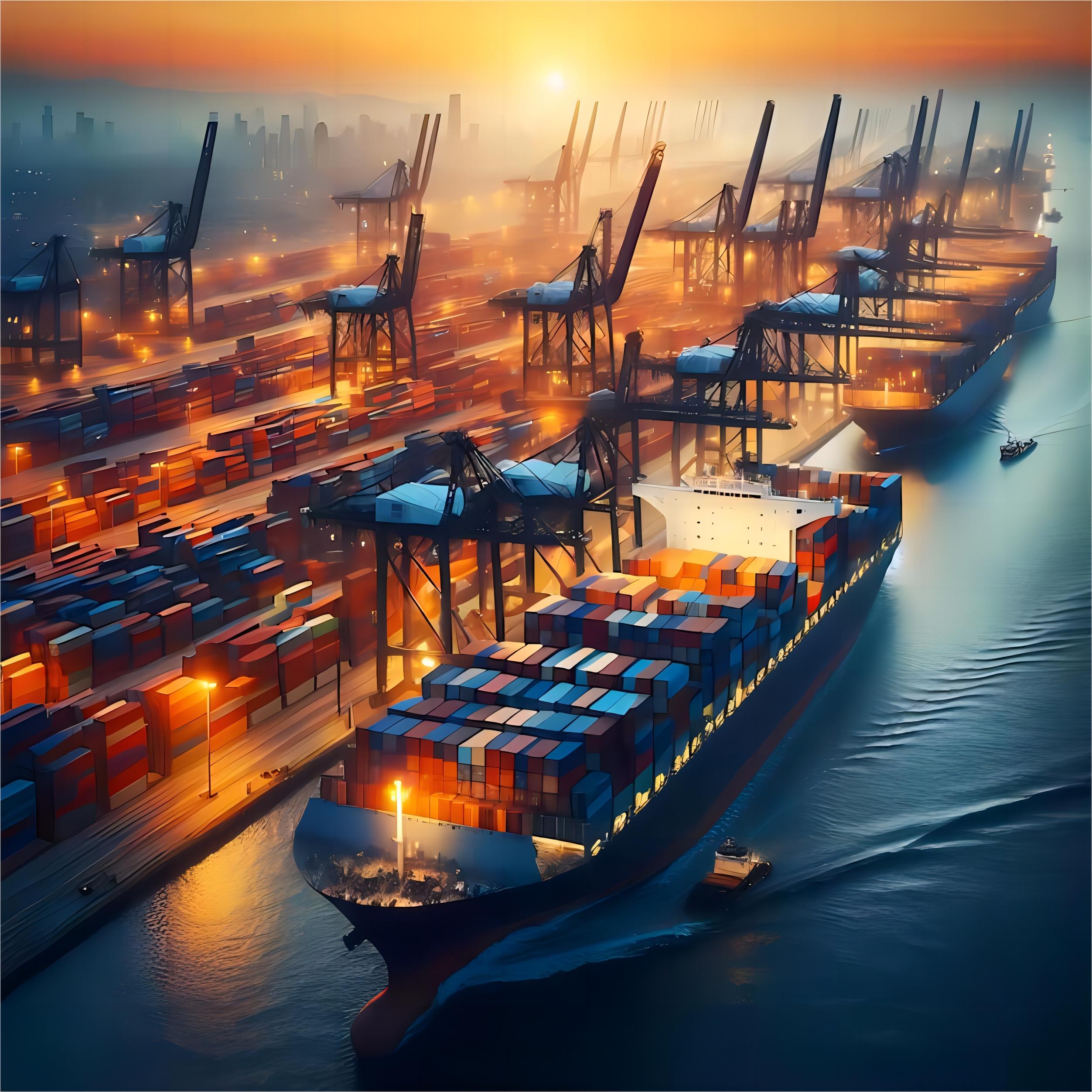
Open Top FCL shipping cost for auto parts from China to Seattle | 5 Options: 1. Open Top FCL shipping cost for auto part
Managing the Open Top FCL shipping cost for auto parts from China to Seattle requires a deep understanding of specialized equipment and transpacific logistics. Businesses often face challenges when transporting oversized components like engines or chassis that do not fit in standard containers. Fortunately, Top China Freight provides expert guidance to navigate these complexities while ensuring your cargo arrives safely at the Port of Seattle. This comprehensive guide explores every factor influencing your freight rates and provides actionable strategies to reduce your total landed cost.
What is Open Top FCL Shipping for Auto Parts?
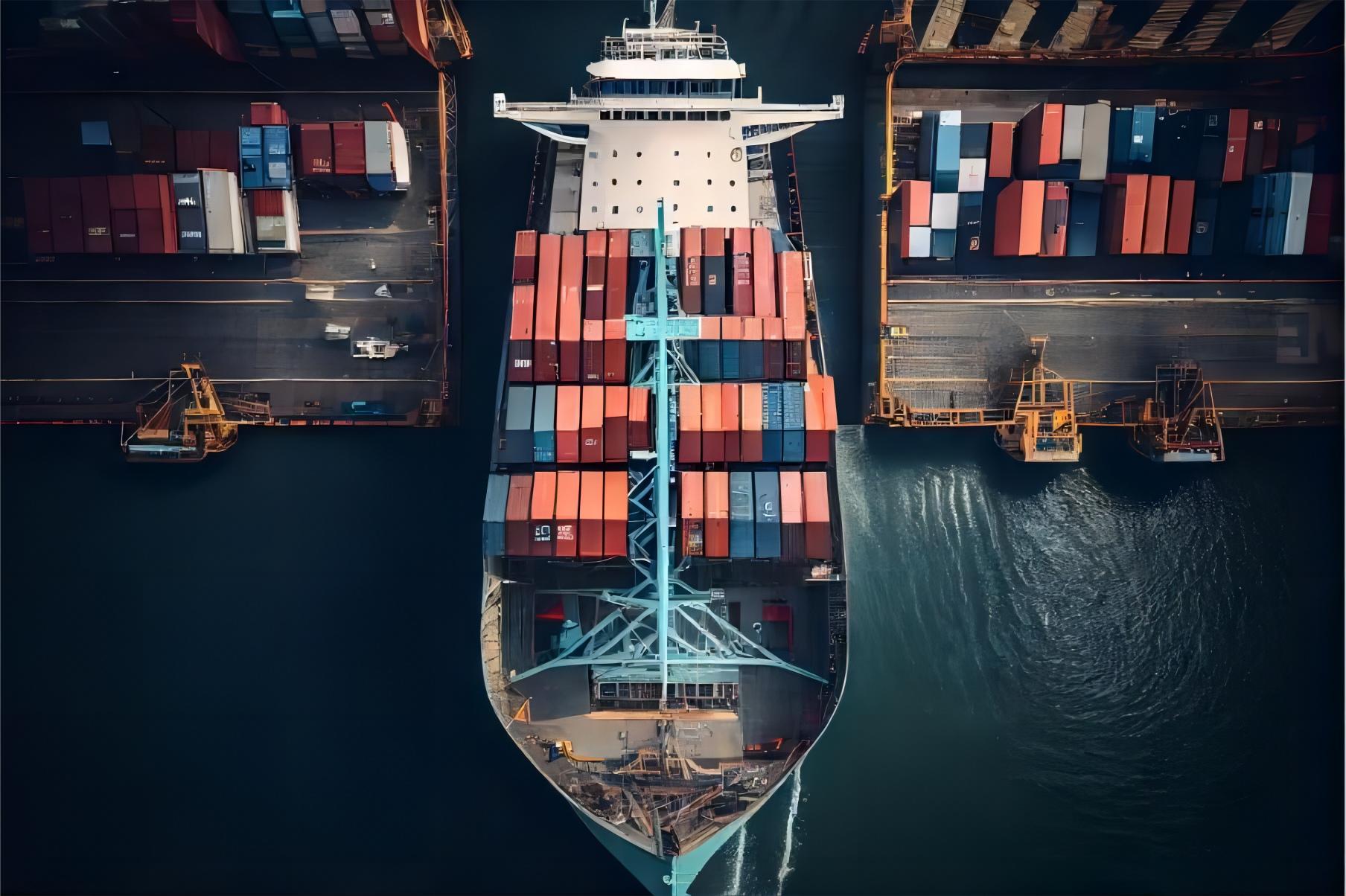
Open top containers feature a removable tarpaulin roof instead of a solid top, which allows for the loading of heavy or bulky items from above using a crane. Consequently, this method is ideal for auto parts that exceed the height of a standard 40HQ container or require specialized top-loading handling. Shipping oversized auto parts from China often necessitates this specific equipment to accommodate large engine blocks, industrial frames, or pre-assembled vehicle sections.
Choosing a Full Container Load (FCL) ensures that your specific shipment occupies the entire unit, providing better security and faster handling compared to shared spaces. Moreover, sea freight remains the most cost-effective solution for transporting high volumes of automotive components across the Pacific Ocean. Because these containers are specialized, availability can sometimes be limited, which directly impacts the overall shipping cost.
Logistics trends suggest that demand for open top equipment remains high in major hubs like Shanghai and Ningbo. Therefore, shippers must book well in advance to secure the necessary equipment for their delivery schedule. Understanding the nuances of cargo handling for Out-of-Gauge (OOG) items is essential for any importer looking to maintain a stable supply chain.
How Does Open Top FCL Compare to Other Shipping Options?
Evaluating different transportation modes is crucial for optimizing your budget and timeline. While open top containers are necessary for certain dimensions, standard FCL or even air freight might be viable alternatives for smaller or more urgent components. For instance, if your auto parts can be disassembled to fit a standard 40HQ, you could save significantly on equipment surcharges.
Direct routes from China to the US West Coast typically offer the fastest transit times for maritime transport. However, the cost of 40ft open top container to Seattle will always be higher than a standard dry van due to the specialized nature of the equipment and the potential for lost slot capacity on the vessel. In contrast, air freight offers speed but at a price point that is often prohibitive for heavy metal parts.
To summarize, the choice between these methods depends on your specific cargo dimensions, weight, and urgency. Below is a detailed comparison to help you determine the best approach for your automotive logistics needs.
| Shipping Method | Cost Range | Transit Time | Best For |
|---|---|---|---|
| Open Top FCL | $3,800 – $5,500 | 15 – 22 Days | Oversized/Top-load |
| Standard FCL | $2,500 – $3,800 | 14 – 18 Days | Standard Pallets |
| LCL Shipping | $80 – $150/CBM | 20 – 25 Days | Small Batches |
| Air Freight | $5.00 – $9.00/kg | 3 – 7 Days | Urgent Samples |
Key Factors Affecting Open Top FCL shipping cost for auto parts from China to Seattle
Freight rates are never static and fluctuate based on several market variables. For example, fuel surcharges, known as the Bunker Adjustment Factor (BAF), can change monthly depending on global oil prices. Additionally, the availability of open top containers in specific Chinese ports like Shenzhen or Qingdao significantly influences the price you pay.
Out-of-Gauge (OOG) surcharges are perhaps the most critical component of the Open Top FCL shipping cost for auto parts from China to Seattle. If your cargo protrudes above the top of the container, the carrier cannot stack other containers on top of it. Consequently, you must pay for the ‘lost slots’ on the vessel, which can double or triple the base ocean freight rate.
Port congestion and seasonal demand also play a vital role in pricing. During the peak season from August to October, rates typically increase by 15-25% as retailers rush to stock up for the holidays. Meanwhile, the Port of Seattle may implement specific terminal handling charges (THC) that vary based on the complexity of unloading specialized equipment.
Transit Times and Route Options from China to Seattle
Shipping from China to the US West Coast is one of the busiest and most efficient trade lanes in the world. Specifically, a direct service from Shanghai to Seattle usually takes between 14 to 18 days. However, including the time for container drayage, loading at the origin, and customs clearance at the destination, the total door-to-door time often reaches 25 to 30 days.
Weather conditions in the North Pacific can occasionally cause delays, especially during the winter months. Nevertheless, carriers like COSCO, Maersk, and MSC maintain frequent sailings to ensure a consistent flow of goods. Indeed, choosing a carrier with a direct call to Seattle rather than transshipping through Los Angeles can save you 5 to 7 days of transit time.
Efficiency in documentation is another factor that prevents unnecessary delays. By utilizing a professional customs brokerage service, you can ensure that all ISF filings and entry summaries are completed accurately and on time. This proactive approach minimizes the risk of expensive demurrage and detention fees at the Seattle terminal.
| Origin Port | Destination | Direct Transit | Total Lead Time |
|---|---|---|---|
| Shanghai | Seattle | 15 Days | 26 Days |
| Ningbo | Seattle | 17 Days | 28 Days |
| Shenzhen | Seattle | 20 Days | 32 Days |
| Qingdao | Seattle | 18 Days | 30 Days |
Customs and Documentation for Importing Auto Parts to the USA
Importing car parts from China to USA requires strict adherence to Customs and Border Protection (CBP) regulations. Specifically, automotive components must often comply with Department of Transportation (DOT) or Environmental Protection Agency (EPA) standards. Failure to provide the correct compliance certificates can result in cargo seizures or heavy fines.
Documentation is the backbone of successful international trade. You will need a commercial invoice, a packing list, and a Bill of Lading at a minimum. Furthermore, for auto parts, a detailed description of the materials and their intended use is necessary to determine the correct Harmonized Tariff Schedule (HTS) code. Accurate HTS classification is vital because it dictates the duty rates you will owe upon arrival.
Tariffs on Chinese imports have remained a significant concern for US businesses over the past few years. Consequently, many importers must account for Section 301 duties, which can add an additional 25% to the cost of certain auto parts. Working with experts in door to door logistics can help you calculate these landed costs before the shipment even leaves China.
Real Case Studies for Open Top FCL Shipments
Case Study 1: Large Engine Block Shipment. Route: Shanghai, China to Seattle, USA. Cargo: 12 Industrial Engine Blocks, 22 CBM, 18,000 kg. Container: 40ft Open Top. Shipping Details: Direct carrier service via OOCL. Port of Loading: Shanghai. Port of Discharge: Seattle. Cost Breakdown: Ocean Freight $4,200, OOG Surcharges $800, Origin/Destination Charges $950, Customs/Duties $1,100. Total Landed Cost: $7,050. Timeline: 16 days sea transit, 28 days total door-to-door. Key Insight: Proper bracing and lashing inside the open top container prevented any movement during rough seas, ensuring zero damage.
Case Study 2: Oversized Chassis Components. Route: Ningbo, China to Seattle, USA. Cargo: Custom vehicle frames, 15 CBM, 12,000 kg. Container: 20ft Open Top. Shipping Details: Major carrier service. Port of Loading: Ningbo. Port of Discharge: Seattle. Cost Breakdown: Ocean Freight $3,100, Equipment Surcharge $400, Customs Clearance $300, Local Drayage $500. Total Landed Cost: $4,300. Timeline: 18 days sea transit, 25 days door-to-door. Key Insight: Pre-clearing customs via a digital broker saved 3 days of terminal storage fees. Based on Q4 2024 market rates.
Note: Freight rates are subject to change based on fuel costs, carrier capacity, and seasonal demand. Contact us for a current quote tailored to your specific shipment.
Which Option Should You Choose for Your Auto Parts?
Selecting the right shipping strategy depends on your primary business goals. If your priority is budget and the parts are not oversized, standard sea freight is the clear winner. However, for large-scale automotive manufacturing components that require crane loading, the Open Top FCL shipping cost for auto parts from China to Seattle is a necessary investment for safety and compliance.
Speed is another critical factor to consider. If a production line in Seattle is at risk of shutting down, air freight might be the only viable solution despite the high cost. On the other hand, for routine inventory replenishment, shipping from China to North America via sea freight offers the best balance of cost and volume capacity.
Volume thresholds also dictate your choice. For shipments under 15 CBM, you might consider Less than Container Load (LCL), though this is rarely an option for the oversized items that usually require open top containers. Always consult with a freight forwarder to see if your cargo can be modified to fit into standard equipment to avoid OOG surcharges.
Final Thoughts on Shipping Auto Parts to Seattle
Navigating the complexities of the Open Top FCL shipping cost for auto parts from China to Seattle requires balancing equipment availability, transit times, and regulatory compliance. By understanding the factors that drive OOG surcharges and choosing the right logistics partners, you can maintain a competitive edge in the automotive industry.
Market data suggests that while rates fluctuate, the demand for specialized automotive logistics continues to grow. Therefore, staying informed about current trends and maintaining flexibility in your shipping routes will ensure long-term success. Trust the experts to handle your heavy and oversized cargo with the care it deserves.
Ready to streamline your logistics?
Ready to optimize your automotive supply chain? Contact us today to receive a precise quote for your Open Top FCL shipping cost for auto parts from China to Seattle. Our team is standing by to help you navigate customs and secure the best freight rates for your next shipment. Send Inquiry: https://Top China Freight.com/
Request Quote