40GP FCL Transit Time for Electronics from China to Miami: A Comprehensive Guide
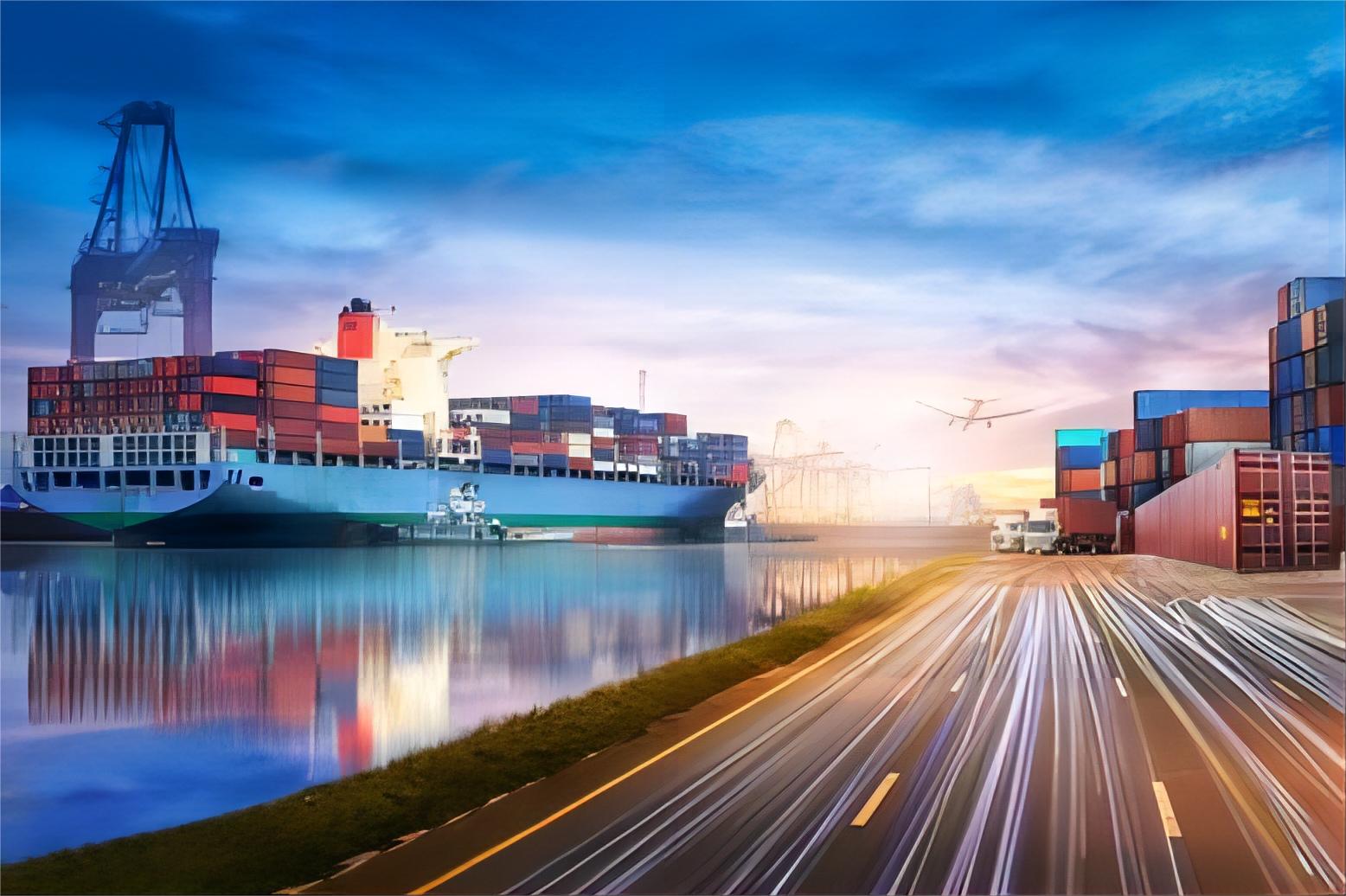
Managing global logistics for high-value goods requires precise planning and reliable data. When calculating the 40GP FCL transit time for electronics from China to Miami, businesses must account for port congestion, seasonal demand, and specific maritime routes. Partnering with a professional expert like Top China Freight ensures your electronics shipments remain efficient and cost-effective throughout the journey.
Why 40GP FCL is the Standard for Electronics Shipping
Choosing the right container size is a fundamental decision for any importer of consumer electronics. The 40GP container offers a perfect balance between volume and weight capacity for lightweight but bulky electronic items. Consequently, many businesses prefer sea freight because it provides a secure environment for sensitive components.
Furthermore, utilizing a Full Container Load (FCL) minimizes the risk of damage compared to Less than Container Load (LCL) shipments. Since the container is dedicated to a single consignee, the goods are handled less frequently during the transit process. This reduced handling is critical for maintaining the integrity of fragile electronics like televisions or computer monitors.
Additionally, the 40GP container provides approximately 67 cubic meters of space, which is double the capacity of a 20GP container. Therefore, the cost per unit of shipping significantly decreases when you maximize the available volume. This economic efficiency makes FCL the preferred choice for high-volume electronics distributors in Miami.
What is the Average 40GP FCL Transit Time for Electronics from China to Miami?
Estimating the 40GP FCL transit time for electronics from China to Miami typically involves a range of 30 to 45 days. This duration depends heavily on the specific port of origin in China and whether the vessel takes a direct route or involves transshipment. Most shipments from major hubs like Shenzhen or Ningbo follow a set maritime schedule.
Moreover, the journey from East China to the US East Coast usually requires crossing the Panama Canal. This route is generally faster than the alternative of shipping to the West Coast and using rail transport. However, canal congestion or maintenance can occasionally add several days to the total sea transit time.
Specifically, direct services from Southern China ports can sometimes reach Miami in as little as 28 days under ideal conditions. On the other hand, routes involving multiple stops in Southeast Asia or the Caribbean may extend the timeline to 50 days. Navigating these variations requires a deep understanding of customs brokerage and port operations.
| Origin Port | Service Type | Average Transit Time | Frequency |
|---|---|---|---|
| Shenzhen (Yantian) | Direct | 30-35 Days | Weekly |
| Ningbo-Zhoushan | Transshipment | 38-45 Days | Bi-weekly |
| Shanghai | Direct | 32-38 Days | Weekly |
| Qingdao | Transshipment | 42-50 Days | Weekly |

Key Factors Influencing Your Shipping Duration
Weather conditions play a significant role in maritime logistics, especially during the typhoon season in the Pacific. Storms can force vessels to take longer routes or wait at anchor, which inevitably delays the arrival in Miami. Consequently, importers should build a buffer of at least one week into their supply chain planning.
Port congestion at both the loading and discharge ends can also drastically alter the 40GP FCL transit time for electronics from China to Miami. During peak seasons, such as the months leading up to the holidays, Miami’s terminals may experience delays in berthing and container processing. Therefore, early booking is essential to secure a spot on the fastest available vessels.
Customs inspections represent another potential bottleneck that can occur once the ship reaches the United States. While most electronics pass through quickly, any discrepancies in documentation can lead to intensive examinations. Ensuring that all paperwork is accurate and compliant with federal regulations will help avoid these unnecessary delays.
How Does 40GP FCL Compare to Other Shipping Options?
While sea freight is the most common method, Air Freight offers a much faster alternative for urgent electronics shipments. If your product launch is approaching and the sea transit time is too long, air transport can deliver goods in 5 to 7 days. However, the cost of air freight is significantly higher, often five to ten times the price of ocean freight.
In contrast, LCL shipping might seem attractive for smaller volumes, but it often takes longer than FCL. This is because the consolidator must wait for enough cargo to fill the container and then undergo a deconsolidation process at the destination. For electronics, the extra handling involved in LCL also increases the risk of physical damage or loss.
Notably, some importers consider a hybrid sea-air solution to balance cost and speed. This involves shipping by sea to a hub like Dubai or Los Angeles and then flying the cargo to Miami. While complex, this strategy can save money compared to pure air freight while still being faster than traditional ocean routes.
| Shipping Method | Cost Range (40GP Equiv) | Transit Time | Best For |
|---|---|---|---|
| Sea Freight (FCL) | $4,500 – $6,500 | 30-45 Days | Bulk Inventory |
| Air Freight | $25,000 – $40,000 | 5-7 Days | Urgent Launches |
| Sea-Air Hybrid | $12,000 – $18,000 | 15-22 Days | High-Value Tech |
| LCL Shipping | $150 – $250 per CBM | 40-55 Days | Small Batches |
Which Option Should You Choose for Your Business?
Budget priority usually dictates a move toward 40GP FCL, as it offers the lowest landed cost per unit for electronics. If your inventory turnover allows for a 40-day lead time, sea freight is undoubtedly the most sustainable choice. Additionally, the stability of large container ships provides better protection for delicate circuitry and glass components.
Speed priority becomes the deciding factor when market demand spikes or production delays occur. In these scenarios, air freight or express services are the only way to prevent stockouts and maintain customer satisfaction. Therefore, businesses should maintain a flexible logistics strategy that incorporates multiple modes of transport.
Volume thresholds also play a role in the decision-making process for electronics importers. Once your shipment exceeds 15 cubic meters, switching from LCL to a 20GP or 40GP container becomes more economical. For most established electronics brands, the 40GP remains the gold standard for international door to door logistics.
Real-World Case Studies: China to Miami Electronics Shipments
Case Study 1: High-Volume Smartphone Components. Route: Shenzhen to Miami. Cargo: Electronic components, 65 CBM, 14,000 kg. Container: 40GP. Shipping Details: Carrier: COSCO, Port of Loading: Shenzhen (Yantian), Port of Discharge: Miami, Route Type: Direct via Panama Canal. Cost Breakdown: Ocean Freight: $4,800, Origin Charges: $450, Destination Charges: $600, Customs: $1,200, Total Landed Cost: $7,050. Timeline: Booking to Loading: 4 days, Sea Transit: 32 days, Customs Clearance: 2 days, Total Door-to-Door: 38 days. Key Insight: Direct routing via Panama saved 5 days compared to transshipment routes.
Case Study 2: Consumer Audio Equipment. Route: Ningbo to Miami. Cargo: Wireless speakers, 60 CBM, 9,000 kg. Container: 40GP. Shipping Details: Carrier: MSC, Port of Loading: Ningbo, Port of Discharge: Miami, Route Type: Transshipment via Freeport. Cost Breakdown: Ocean Freight: $5,200, Origin Charges: $500, Destination Charges: $750, Customs: $1,500, Total Landed Cost: $7,950. Timeline: Booking to Loading: 6 days, Sea Transit: 41 days, Customs Clearance: 3 days, Total Door-to-Door: 50 days. Key Insight: Peak season congestion in Ningbo added 7 days to the initial schedule.
Note: Freight rates are subject to change based on fuel costs, carrier capacity, and seasonal demand. Contact us for a current quote tailored to your specific shipment.
Optimizing Your Supply Chain for Electronics Imports
Efficiency in the electronics industry depends on minimizing the time goods spend in transit or sitting in warehouses. By choosing the right North America entry point, you can reduce inland trucking costs and speed up final delivery. Miami serves as a strategic gateway not only for Florida but also for the entire Southeastern United States.
Furthermore, implementing advanced tracking systems allows you to monitor your 40GP FCL transit time for electronics from China to Miami in real-time. This visibility enables your warehouse team to prepare for arrival, reducing the time spent on the dock after discharge. Consequently, your products reach the market faster, improving cash flow and inventory rotation.
Additionally, consolidating shipments at the origin can help fill a 40GP container more effectively. If you have multiple suppliers in the Pearl River Delta, using a professional freight forwarder to combine these orders into a single FCL shipment is a smart move. This strategy reduces documentation fees and simplifies the customs clearance process at the Port of Miami.
Final Thoughts on Shipping Electronics to Miami
To summarize, understanding the 40GP FCL transit time for electronics from China to Miami is essential for maintaining a competitive edge in the tech market. While the journey typically takes between 30 and 45 days, various factors like port selection and seasonal trends can influence the final delivery date. By analyzing these variables and choosing the right shipping method, you can significantly improve your supply chain reliability.
Ultimately, the key to success lies in proactive planning and partnering with experienced logistics providers. Whether you prioritize cost-savings through sea freight or speed through air alternatives, having a clear strategy is paramount. Ensure your electronics reach Miami safely and on time by staying informed about the latest industry trends and maritime schedules.
Ready to streamline your logistics?
Planning your next electronics shipment requires expert guidance to ensure timely arrival and cost efficiency. Our team specializes in optimizing the 40GP FCL transit time for electronics from China to Miami to help your business thrive. Contact us today to receive a personalized quote and streamline your global logistics. Visit our website to learn more: Send Inquiry
Request Quote