

40HQ FCL Insurance for Machinery from China to Spain Guide
Shipping heavy equipment across the globe requires precision and high-level protection. Consequently, securing 40HQ FCL insurance for machinery from China to Spain is the most effective way to safeguard your capital investment. Top China Freight provides specialized logistics solutions to ensure your cargo arrives safely and on time. Without a doubt, navigating the complexities of international trade is easier when you have a comprehensive insurance policy in place.

Why You Need 40HQ FCL Insurance for Machinery from China to Spain
Machinery represents a significant capital investment for Spanish businesses and manufacturing plants. Therefore, any damage during the long maritime journey could lead to substantial financial losses and production downtime. Most standard carrier liability policies offer limited coverage based on weight rather than the actual commercial value of the equipment.
Choosing sea freight with comprehensive insurance is a critical decision for smart importers who want to mitigate risk. The 40HQ container provides the necessary height for oversized equipment while offering the security of a full container load. Nevertheless, the physical risks of ocean transit, such as rough seas or improper lashing, remain a factor that requires professional mitigation.
Furthermore, having a dedicated insurance policy ensures that you are protected against General Average claims. In the maritime industry, this means all stakeholders share the cost of lost cargo if a vessel faces an emergency. Consequently, insurance is not just an option but a necessity for high-value industrial assets.
Understanding the Cost of 40HQ FCL Insurance for Machinery from China to Spain
Calculating the premium for 40HQ FCL insurance for machinery from China to Spain depends on several key variables. Typically, insurers base the cost on the total commercial value of the machinery plus the shipping costs and a small percentage for anticipated profit. Moreover, the specific type of machinery and its fragility can influence the final insurance rate.
As a result, you should expect to pay between 0.3 percent and 0.8 percent of the total insured value for premium coverage. Freight rates for the container itself also fluctuate based on seasonal demand, fuel surcharges, and carrier capacity. Therefore, obtaining a current quote is the only way to ensure budget accuracy for your supply chain operations.
Additionally, some policies include door-to-door coverage, which protects the machinery during inland transport in both China and Spain. While this slightly increases the premium, it provides peace of mind throughout the entire delivery schedule. Indeed, the cost of insurance is a small price to pay compared to the potential loss of a multi-million dollar machine.
| 20GP | $1,800 – $2,500 | 33 CBM | 28,000 KG |
| 40GP | $2,800 – $3,800 | 67 CBM | 26,000 KG |
| 40HQ | $3,000 – $4,200 | 76 CBM | 26,000 KG |
How Does 40HQ FCL Insurance for Machinery Compare to Other Shipping Options?
While 40HQ FCL is the standard for large machinery, some importers consider rail freight as a faster alternative. However, rail transport often involves more vibrations and handling at border crossings, which might increase insurance premiums. In contrast, sea freight remains the most economical choice for bulky industrial equipment due to lower freight rates.
Air freight offers the highest speed but comes at a cost that is often prohibitive for heavy machinery. For instance, shipping a 10-ton machine by air could cost five times more than using a 40HQ container. Meanwhile, LCL shipping is generally avoided for sensitive machinery because sharing a container increases the risk of accidental damage from other cargo.
Consequently, the 40HQ FCL method provides the best balance of cost, safety, and volume for machinery imports. It allows for specialized lashing and securing techniques that are not always possible with other shipping methods. Therefore, most logistics trends point toward FCL as the preferred choice for the China-to-Spain route.
| Sea Freight FCL | $3,000 – $4,500 | 30-40 Days | Bulk Machinery |
| Rail Freight | $4,500 – $6,500 | 18-24 Days | Mid-size Parts |
| Air Freight | $15,000+ | 5-7 Days | Urgent Repairs |
| Express Service | Very High | 3-5 Days | Small Components |
Key Factors Influencing Shipping Rates for Heavy Machinery
Several factors beyond the base ocean freight contribute to the final cost of shipping machinery. For example, fuel surcharges known as BAF (Bunker Adjustment Factor) can change monthly based on global oil prices. Additionally, port congestion at major hubs like Shanghai or Valencia can lead to unexpected storage fees or demurrage charges.
Moreover, the weight and dimensions of the machinery play a crucial role in cargo handling requirements. If the equipment requires specialized cranes or heavy-lift gear, the terminal handling charges will increase accordingly. As a result, you must provide accurate specifications to your freight forwarder to avoid surprise expenses.
Note: Freight rates are subject to change based on fuel costs, carrier capacity, and seasonal demand. Contact us for a current quote tailored to your specific shipment.
Which Option Should You Choose for Your Machinery Import?
Deciding on the right shipping strategy depends on your specific business priorities and project deadlines. If your primary goal is cost-effectiveness, then sea freight in a 40HQ container is the undisputed winner. On the other hand, if you are facing a production stoppage, the speed of air freight might justify the higher expense.
Budget priority: Recommend Sea Freight FCL with comprehensive 40HQ FCL insurance for machinery from China to Spain. Speed priority: Recommend Rail Freight or Air Freight depending on the urgency. Cargo type considerations: Use 40HQ for tall machinery and ensure professional lashing is included in the service.
Furthermore, you should consider the volume of your shipment before making a final decision. For shipments over 15 CBM, a full container is almost always more economical than LCL. Without a doubt, a tailored logistics plan will provide the best results for your specific machinery types.
Essential Customs Documentation for Spanish Machinery Imports
Navigating Spanish customs requires meticulous attention to detail and correct documentation to avoid delays. Indeed, using a professional customs brokerage service can prevent costly errors at the port of arrival. You must ensure that all machinery complies with European Union safety standards, often evidenced by a CE certificate.
In addition to the CE certificate, you will need a commercial invoice, a detailed packing list, and the Bill of Lading. Furthermore, the insurance certificate must be presented to prove that the cargo is protected during transit. Consequently, missing even one document can lead to your container being held in a bonded warehouse for weeks.
Meanwhile, be aware of the specific HS codes for your machinery to ensure correct duty and VAT calculations. Spain applies the EU Common External Tariff, which varies depending on the origin and type of equipment. Accordingly, working with an expert forwarder ensures that your paperwork is compliant with current Spanish regulations.
| Bill of Lading | Carrier/Customs | Title of Goods | Original/Digital |
| Commercial Invoice | Customs | Tax Valuation | Digital |
| Packing List | Port Authority | Cargo Details | Digital |
| CE Certificate | EU Authorities | Safety Compliance | Original |
Real World Case Studies of Machinery Shipping to Spain
Case Study 1: Industrial CNC Delivery. Route: Shenzhen, China to Barcelona, Spain. Cargo: CNC Machining Center, 35 CBM, 12,000 kg. Container: 40HQ. Shipping Details: Carrier: COSCO, Port of Loading: Shenzhen, Port of Discharge: Barcelona, Route Type: Direct. Cost Breakdown: Ocean Freight: $3,850, Origin Charges: $450, Destination Charges: $600, Customs and Duties: $4,200, Total Landed Cost: $9,100. Timeline: Booking to Loading: 5 days, Sea Transit: 32 days, Customs Clearance: 3 days, Total Door-to-Door: 40 days. Key Insight: Professional packaging and early booking reduced insurance risk.
Case Study 2: Textile Equipment Export. Route: Ningbo, China to Valencia, Spain. Cargo: Automated Loom Machinery, 65 CBM, 18,000 kg. Container: 40HQ. Shipping Details: Carrier: Maersk, Port of Loading: Ningbo, Port of Discharge: Valencia, Route Type: Transshipment via Tangier. Cost Breakdown: Ocean Freight: $4,100, Origin Charges: $500, Destination Charges: $700, Customs and Duties: $5,500, Total Landed Cost: $10,800. Timeline: Booking to Loading: 7 days, Sea Transit: 38 days, Customs Clearance: 4 days, Total Door-to-Door: 49 days. Key Insight: Choosing 40HQ FCL insurance for machinery from China to Spain protected the client during a minor transshipment delay.
Transit Times and Delivery Schedules for Mediterranean Routes
The shipping lane from China to Europe is one of the most established trade routes in the world. As a result, transit times to Spain are generally predictable, ranging from 30 to 45 days depending on the port of departure. For example, ships leaving from Shenzhen or Guangzhou often arrive in Valencia faster than those leaving from northern ports like Tianjin.
However, seasonal weather patterns and global events can impact these delivery schedules significantly. During the peak season from August to October, port congestion often adds an extra week to the total transit time. Meanwhile, the choice of carrier can also influence speed, as some lines offer direct services while others use transshipment hubs.
Therefore, you should plan your machinery orders at least three months in advance to account for potential delays. This buffer ensures that your equipment arrives before your installation team is ready on-site. Indeed, proactive scheduling is a hallmark of successful international logistics management.
Managing Risk and Cargo Handling for High Value Machinery
Managing the entire logistics chain from the factory floor to the final site requires expert coordination and care. Therefore, many businesses opt for door to door services to simplify the process and reduce touchpoints. This approach minimizes the number of times the machinery is handled, which significantly reduces the risk of accidental damage.
Moreover, proper lashing and bracing inside the 40HQ container are essential for heavy equipment. Because the ship will encounter various sea states, the cargo must be immobilized to prevent it from shifting and damaging the container walls. Consequently, using high-quality chains, straps, and timber blocking is a standard requirement for industrial shipments.
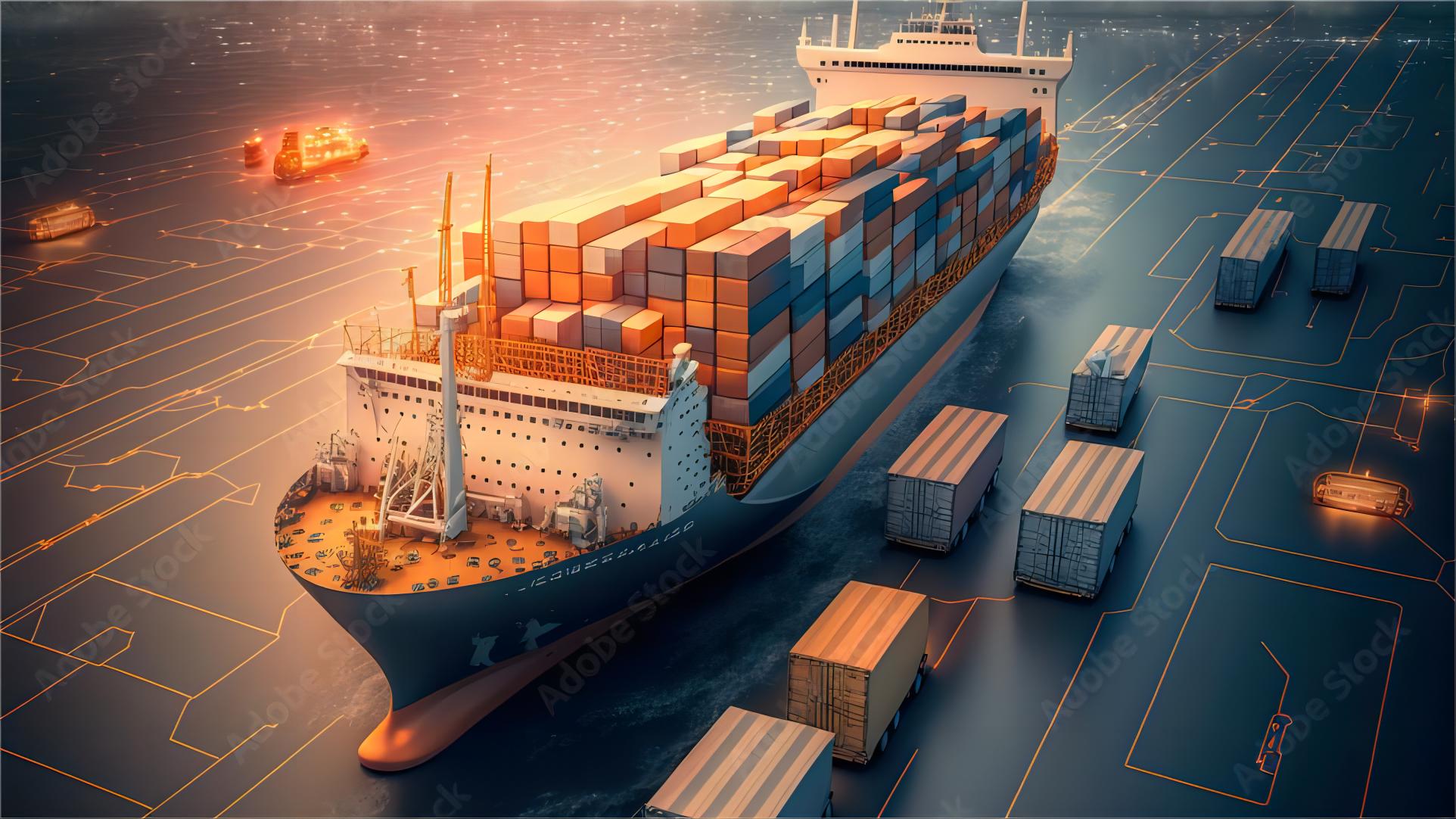
In addition, digital tracking tools now allow importers to monitor their cargo in real-time. This visibility helps you prepare for the arrival and arrange for the necessary heavy-lift equipment at your facility. Without a doubt, combining modern technology with traditional insurance provides the ultimate protection for your machinery.
Final Thoughts on Machinery Shipping to Spain
In conclusion, 40HQ FCL insurance for machinery from China to Spain is an indispensable component of a secure supply chain. It protects your capital investment from the unpredictable nature of maritime transit and ensures business continuity. By understanding the costs, transit times, and documentation requirements, you can navigate the import process with ease.
Partnering with an experienced freight forwarder allows you to focus on your core business while the logistics experts handle the details. Whether you are shipping a single CNC machine or an entire production line, the right insurance and container choice make all the difference. Start planning your next shipment today to take advantage of current market rates and reliable delivery schedules.
Ready to streamline your logistics?
Are you ready to secure your machinery shipment with professional 40HQ FCL insurance for machinery from China to Spain? Contact the experts at Top China Freight today to receive a customized quote and ensure your industrial equipment arrives safely and efficiently. Visit our website to start your inquiry now.
Request Quote