FCL Shipping for Lighting from China to Poland: Complete Guide
FCL shipping for lighting from China to Poland serves as the backbone for many European retailers and wholesalers looking to secure high-quality illumination products. Navigating the complexities of international logistics requires a professional partner like Top China Freight to manage your supply chain effectively and safely. This comprehensive guide explores how to maximize efficiency and minimize costs when transporting fragile lighting fixtures and LED components across continents.

Why Choose FCL Shipping for Lighting from China to Poland?
FCL shipping for lighting from China to Poland offers unparalleled security for fragile goods. When you book a Full Container Load, your products occupy the entire space, reducing the risk of damage from other shippers’ cargo. Consequently, this method remains the preferred choice for large-scale importers dealing with delicate glass chandeliers or sensitive LED panels.
Moreover, FCL provides better control over the transit schedule compared to Less than Container Load (LCL) options. You do not have to wait for other shipments to fill the container, which often speeds up the departure from Chinese ports. Therefore, businesses can maintain a more predictable delivery schedule for their Polish warehouses.
Additionally, the cost-per-unit is typically lower when shipping in bulk. While the upfront cost for a 40HQ container might seem high, the volume it carries makes it more economical than air freight or multiple LCL shipments. Indeed, many Polish distributors find that FCL is the most cost-effective way to scale their lighting import business.
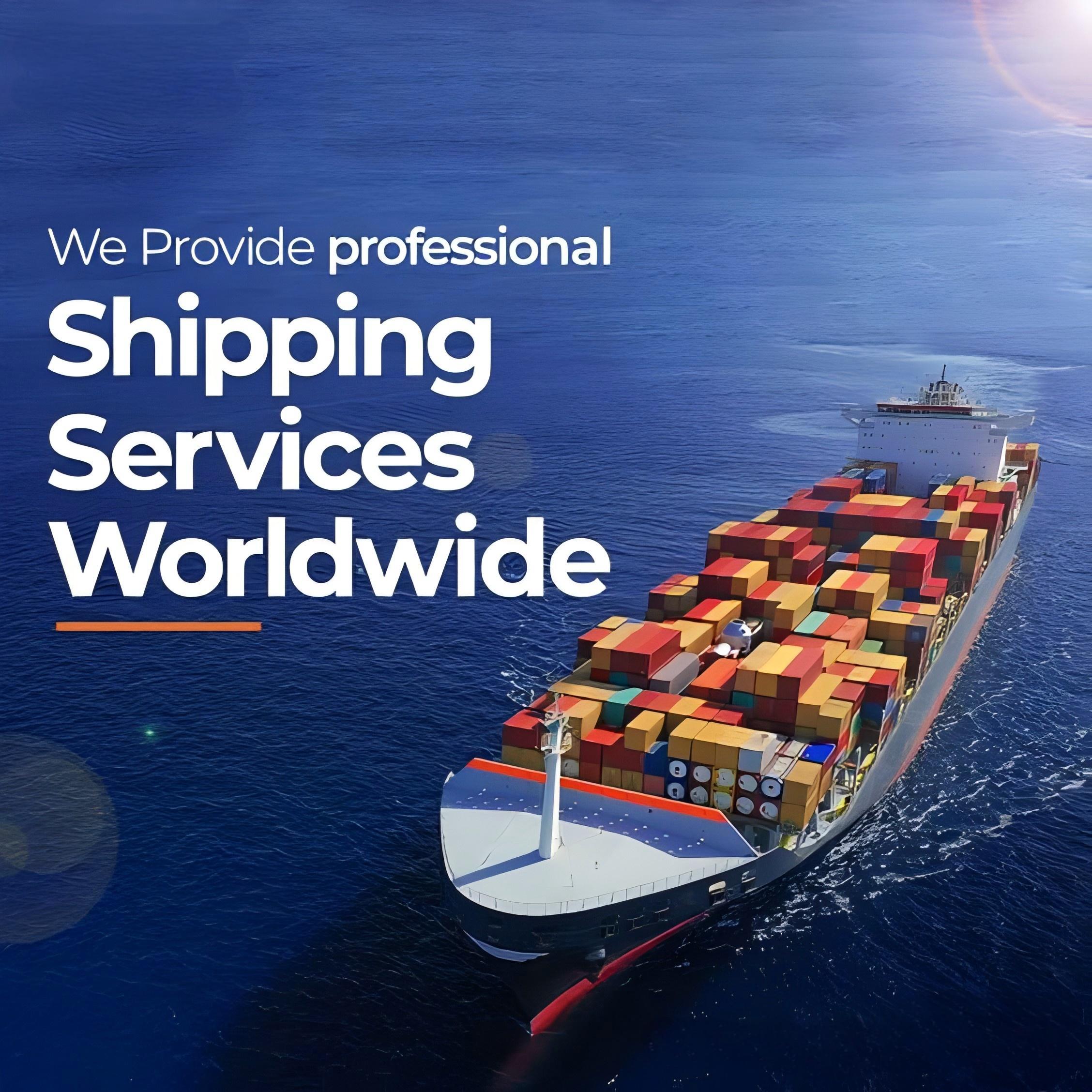
Furthermore, sea freight remains the most popular mode of transport for these containers. It offers a balance between cost and capacity that other methods cannot match. Consequently, most lighting imports arrive at major Polish ports like Gdynia or Gdansk via this reliable route.
Key Benefits of Full Container Load for Sensitive Lighting Goods
Sensitive lighting products require specialized handling and minimal movement during transit. FCL shipping ensures that once the container is sealed at the factory in China, it remains closed until it reaches your destination in Poland. This reduction in handling significantly lowers the probability of breakage for fragile components.
Specifically, the use of a dedicated container allows for customized packing strategies. You can stack your lighting fixtures according to their weight and fragility without worrying about external pressure from unrelated cargo. As a result, your high-value items arrive in pristine condition, ready for the Polish retail market.
Furthermore, FCL shipping simplifies the customs process. Since the container holds goods for only one consignee, the customs brokerage process becomes more straightforward. There is a lower risk of delays caused by issues with other shippers’ documentation, which is a common problem in shared containers.
Notably, FCL also offers more flexibility in terms of container types. Whether you need a standard 20GP for heavy LED drivers or a 40HQ for voluminous decorative lamps, you can choose the equipment that best fits your specific cargo needs. This optimization helps in reducing wasted space and lowering overall freight expenses.
How Does FCL Compare to Other Shipping Options?
Choosing the right transport method depends on your budget, timeline, and cargo volume. While FCL is excellent for large shipments, other options like rail freight or air transport might be more suitable for different scenarios. Each method has distinct trade-offs regarding speed and cost.
For instance, rail freight has become a popular alternative for those needing faster delivery than sea freight but lower costs than air. The New Silk Road connects major Chinese hubs directly to Małaszewicze in Poland, offering a middle ground for urgent lighting projects. However, sea freight remains the king of volume and cost-efficiency.
In contrast, air freight is reserved for high-priority or very high-value lighting samples. While it is incredibly fast, the cost is often prohibitive for standard bulk orders. Most businesses use a hybrid strategy, utilizing FCL for their core stock and air freight for emergency replenishment.
| Shipping Method | Cost Range (USD) | Transit Time | Best For |
|---|---|---|---|
| Sea Freight (FCL) | $3,000 – $4,800 | 30 – 45 Days | Bulk orders / Low cost |
| Rail Freight | $4,500 – $6,500 | 18 – 24 Days | Urgent bulk / Mid cost |
| Air Freight | $15,000+ | 5 – 8 Days | Samples / Urgent stock |
| LCL Sea | $50 – $120 / CBM | 35 – 50 Days | Small shipments |
Understanding Costs and Freight Rates for Lighting Containers
Several factors influence the total cost of FCL shipping for lighting from China to Poland. These include the ocean freight rate, bunker adjustment factors, and local charges at both origin and destination ports. Additionally, seasonal demand during the lead-up to the holidays can cause prices to fluctuate significantly.
Typically, a 40HQ container is the most efficient choice for lighting because these products are often light but voluminous. You pay for the container space rather than the weight, making it ideal for large lamp shades or LED tubes. Consequently, maximizing the cubic meter usage is key to lowering your landed cost.
Moreover, you must account for door to door delivery costs if you require the container to be hauled from the port to your final warehouse. These inland transportation fees in Poland can vary based on the distance from Gdansk or Gdynia to cities like Warsaw, Krakow, or Wroclaw.
Note: Freight rates are subject to change based on fuel costs, carrier capacity, and seasonal demand. Contact us for a current quote tailored to your specific shipment.
| Container Type | Capacity (CBM) | Estimated Rate | Typical Cargo |
|---|---|---|---|
| 20GP | 28 – 33 CBM | $1,800 – $2,600 | Heavy components |
| 40GP | 58 – 67 CBM | $3,200 – $4,200 | Standard fixtures |
| 40HQ | 68 – 76 CBM | $3,500 – $4,800 | Voluminous lighting |
Transit Times and Delivery Schedules for Major Polish Ports
Shipping from China to Poland usually involves a long sea voyage through the Suez Canal and around the European coast. Most vessels call at major transshipment hubs like Hamburg or Rotterdam before arriving at Polish ports. Consequently, the total transit time usually ranges from 30 to 45 days depending on the port of loading.
For example, shipments from Shenzhen or Guangzhou typically take slightly longer than those from Ningbo or Shanghai due to the geographical distance. Nevertheless, the efficiency of modern container ports in China ensures that loading times are kept to a minimum. Once the vessel departs, you can track your container in real-time.
Furthermore, port congestion in Europe can occasionally impact the delivery schedule. While Gdynia and Gdansk are highly efficient, peak seasons can see minor delays in berthing. Therefore, it is always wise to build a buffer of 5-7 days into your supply chain planning to account for unforeseen circumstances.
To ensure the fastest possible delivery, consider using direct services that minimize transshipment points. Although these routes might carry a slight premium, they reduce the risk of your container being delayed at a secondary port. This strategy is particularly effective for time-sensitive lighting projects in Europe.
Required Documentation and Customs Clearance in Poland
Importing lighting into Poland requires strict adherence to European Union regulations. You must ensure that all products carry the CE mark and comply with RoHS and LVD directives. Failure to provide the correct documentation can lead to expensive delays at the border or even the seizure of your cargo.
Specifically, the Polish customs authorities will require a Commercial Invoice, Packing List, and Bill of Lading. Furthermore, for lighting products, a Certificate of Conformity is often mandatory to prove that the goods meet safety standards. Having these documents ready before the ship arrives is crucial for a smooth clearance process.
Additionally, you should be aware of the VAT and import duties applicable to lighting fixtures. Poland typically applies a 23 percent VAT rate on imported goods, which is calculated based on the CIF value. Understanding these financial obligations helps in calculating the true landed cost of your lighting import from China to Poland.
| Document Name | Purpose | Required By | Format |
|---|---|---|---|
| Bill of Lading | Title to the goods | Carrier / Customs | Original or Telex |
| Commercial Invoice | Valuation for duty | Customs | Digital / Paper |
| CE Certificate | Safety compliance | EU Regulators | Official Certificate |
| Packing List | Cargo verification | Customs / Warehouse | Detailed list |

Real Case Studies: Successful Lighting Shipments to Poland
Case Study 1: Large Scale LED Panel Distribution
Route: Shenzhen, China to Warsaw, Poland. Cargo: LED Panels and Drivers, 65 CBM. Container: 40HQ. Shipping Details: Carrier: MSC. Port of Loading: Yantian. Port of Discharge: Gdynia. Route Type: Direct via Suez Canal. Cost Breakdown: Ocean Freight: $3,850. Origin Charges: $450. Destination Charges: $600. Customs and Duties: Estimated $1,200. Total Landed Cost: $6,100. Timeline: Booking to Loading: 4 days. Sea Transit: 34 days. Customs Clearance: 2 days. Total Door-to-Door: 45 days. Key Insight: Early documentation submission allowed for pre-clearance, avoiding port storage fees.
Case Study 2: Luxury Decorative Chandeliers for Hotel Project
Route: Zhongshan, China to Krakow, Poland. Cargo: Glass Chandeliers and Wall Lamps, 25 CBM. Container: 20GP. Shipping Details: Carrier: COSCO. Port of Loading: Nansha. Port of Discharge: Gdansk. Route Type: Transshipment via Rotterdam. Cost Breakdown: Ocean Freight: $2,100. Origin Charges: $380. Destination Charges: $550. Customs and Duties: Estimated $950. Total Landed Cost: $3,980. Timeline: Booking to Loading: 5 days. Sea Transit: 40 days. Customs Clearance: 3 days. Total Door-to-Door: 52 days. Key Insight: Specialized internal crating within the FCL container resulted in zero breakages for high-fragility glass items.
Based on Q4 2024 market rates. Note: Freight rates are subject to change based on fuel costs, carrier capacity, and seasonal demand. Contact us for a current quote tailored to your specific shipment.
Which Option Should You Choose? Decision Framework
Selecting the best shipping strategy requires a clear understanding of your business priorities. If your primary goal is to minimize costs and you are shipping more than 15 cubic meters, FCL sea freight is almost always the best choice. It offers the lowest price per unit and maximum protection for your lighting goods.
However, if you are facing a tight deadline for a construction project in Warsaw, rail freight becomes a compelling alternative. While it costs roughly 30 to 50 percent more than sea freight, the 2-week time saving can be critical for project completion. Use rail for mid-volume shipments that cannot wait for the slow ocean route.
Furthermore, consider the volume threshold. For shipments under 10 CBM, LCL might be cheaper, but the risk of damage increases. For high-end, fragile lighting, many importers choose a 20GP container even if it is not completely full, simply to ensure the cargo is not handled alongside other goods.
Ultimately, a balanced supply chain often uses all three methods. You can ship your baseline inventory via FCL sea freight, use rail for seasonal peaks, and keep air freight as a backup for urgent replacements or new product launches. This multi-modal approach ensures resilience in your logistics operations.
Choosing the Right Freight Forwarder for Your Lighting Business
A reliable freight forwarder acts as your eyes and ears in China, ensuring that your lighting products are loaded correctly and shipped on time. They handle the complex coordination between factories, truckers, and shipping lines. This expertise is invaluable when dealing with the specific requirements of the Polish market.
Furthermore, look for a forwarder with specific experience in the lighting industry. They should understand the importance of fragile handling and the nuances of EU customs regulations. A good partner will proactively notify you of any potential delays and help you navigate the documentation process without stress.
Additionally, transparency in pricing is essential. Ensure your forwarder provides a detailed breakdown of all costs, including potential destination charges in Poland. This prevents unexpected bills and allows you to calculate your profit margins accurately. Trust and communication are the foundations of a successful long-term logistics partnership.
Final Thoughts on FCL Shipping for Lighting
FCL shipping for lighting from China to Poland remains the most reliable and cost-effective method for serious importers. By choosing a full container, you benefit from enhanced security, better transit times, and lower per-unit costs. Whether you are importing LED bulbs or luxury chandeliers, the FCL model provides the stability needed for a successful business.
To succeed, you must focus on proper documentation, efficient packaging, and choosing the right transport mode for your specific needs. Working with an experienced freight forwarder will help you navigate the complexities of international trade and ensure your lighting products reach the Polish market in perfect condition. Start optimizing your logistics today to gain a competitive edge.
Ready to streamline your logistics?
Streamline your FCL shipping for lighting from China to Poland with our expert logistics solutions. Whether you need the cost-efficiency of sea freight or the speed of rail, our team ensures your fragile cargo arrives safely and on time. Contact Top China Freight today for a customized quote and let us optimize your international supply chain. Send Inquiry: https://Top China Freight.com/
Request Quote