

Open Top FCL Freight Rate for Textiles from China to Italy: 2025 Guide
Finding the most competitive Open Top FCL freight rate for textiles from China to Italy is essential for maintaining healthy profit margins in the competitive fashion and industrial sectors. If you are managing complex logistics for oversized textile machinery or bulky fabric rolls, Top China Freight offers specialized solutions to streamline your supply chain. This guide explores current market pricing, equipment availability, and strategic shipping methods to help you navigate the route from Shanghai or Shenzhen to Italian ports like Genoa and Trieste.
Understanding the Open Top FCL Freight Rate for Textiles from China to Italy
Open top containers are specifically designed for cargo that exceeds the height of a standard dry van or requires loading via a crane from the top. Consequently, the Open Top FCL freight rate for textiles from China to Italy typically includes an equipment surcharge because these containers are less common in a carrier’s fleet. Moreover, the specialized nature of these units means that repositioning costs often influence the final quote provided by freight forwarders.
Textile manufacturers frequently utilize these containers for heavy weaving machines or large-diameter rolls that cannot be easily maneuvered through standard container doors. Therefore, understanding the breakdown of ocean freight, fuel adjustment factors, and peak season surcharges is vital for accurate budgeting. Indeed, the current market for sea freight remains dynamic, with rates fluctuating based on global demand and carrier capacity.

Why Choose Open Top Containers for Your Textile Shipments?
Specifically, the open-top design allows for the transport of ‘In-Gauge’ or ‘Out-of-Gauge’ cargo, providing flexibility for diverse textile products. If your machinery stands taller than 2.39 meters, a standard container simply will not suffice. Additionally, the removable tarpaulin cover ensures that your goods remain protected from the elements while offering the ease of overhead loading.
Importers often prefer this method because it reduces the risk of damage during the loading process at Chinese factories. Furthermore, utilizing a full container load (FCL) ensures that your textile goods are not co-mingled with other shippers’ products, which simplifies the customs brokerage process upon arrival in Italy. Meanwhile, the security of an FCL shipment provides peace of mind for high-value industrial equipment.
Key Factors Influencing Shipping Costs from China to Italy
Several variables determine the total landed cost of your textile shipment, starting with the port of loading in China. For instance, shipping from Ningbo or Shanghai might offer more frequent sailings compared to smaller inland ports. However, the choice of the Italian port of discharge, such as La Spezia or Naples, also plays a significant role in the final inland haulage price.
Seasonal trends significantly impact the Open Top FCL freight rate for textiles from China to Italy, particularly during the pre-Chinese New Year rush. During these peak periods, carriers often implement General Rate Increases (GRI) that can add thousands of dollars to your invoice. Consequently, booking your space at least 3-4 weeks in advance is highly recommended to secure better pricing and equipment availability.
| Container Type | Low Season Rate | Peak Season Rate | Average Transit |
|---|---|---|---|
| 20ft Open Top | $2,800 – $3,500 | $3,800 – $4,800 | 30-35 Days |
| 40ft Open Top | $4,200 – $5,800 | $5,500 – $7,500 | 32-38 Days |
| 40ft HQ (Standard) | $3,200 – $4,500 | $4,800 – $6,200 | 30-35 Days |
How Does Open Top FCL Compare to Other Shipping Options?
Evaluating alternative shipping methods is crucial for optimizing your logistics budget. While Open Top FCL is ideal for oversized items, standard FCL remains the most cost-effective choice for boxed textiles or standard-sized rolls. On the other hand, if your shipment is time-sensitive, you might consider hybrid solutions or express service for smaller components.
Alternative strategies like Flat Rack containers are available for even wider cargo, though they often command a higher premium than open tops. Furthermore, for shipments destined for inland Italian cities like Milan, a door to door service might provide better overall value by consolidating various handling fees. Without a doubt, comparing these options ensures you are not overpaying for equipment you do not strictly require.
| Method | Cost Range | Best For | Limitations |
|---|---|---|---|
| Open Top FCL | Medium-High | Oversized Machinery | Higher Surcharges |
| Standard FCL | Medium | Bulk Fabric Rolls | Strict Height Limits |
| Flat Rack | High | Extra Wide Cargo | Highest Cost |
| LCL Shipping | Low | Small Samples | Longer Handling |
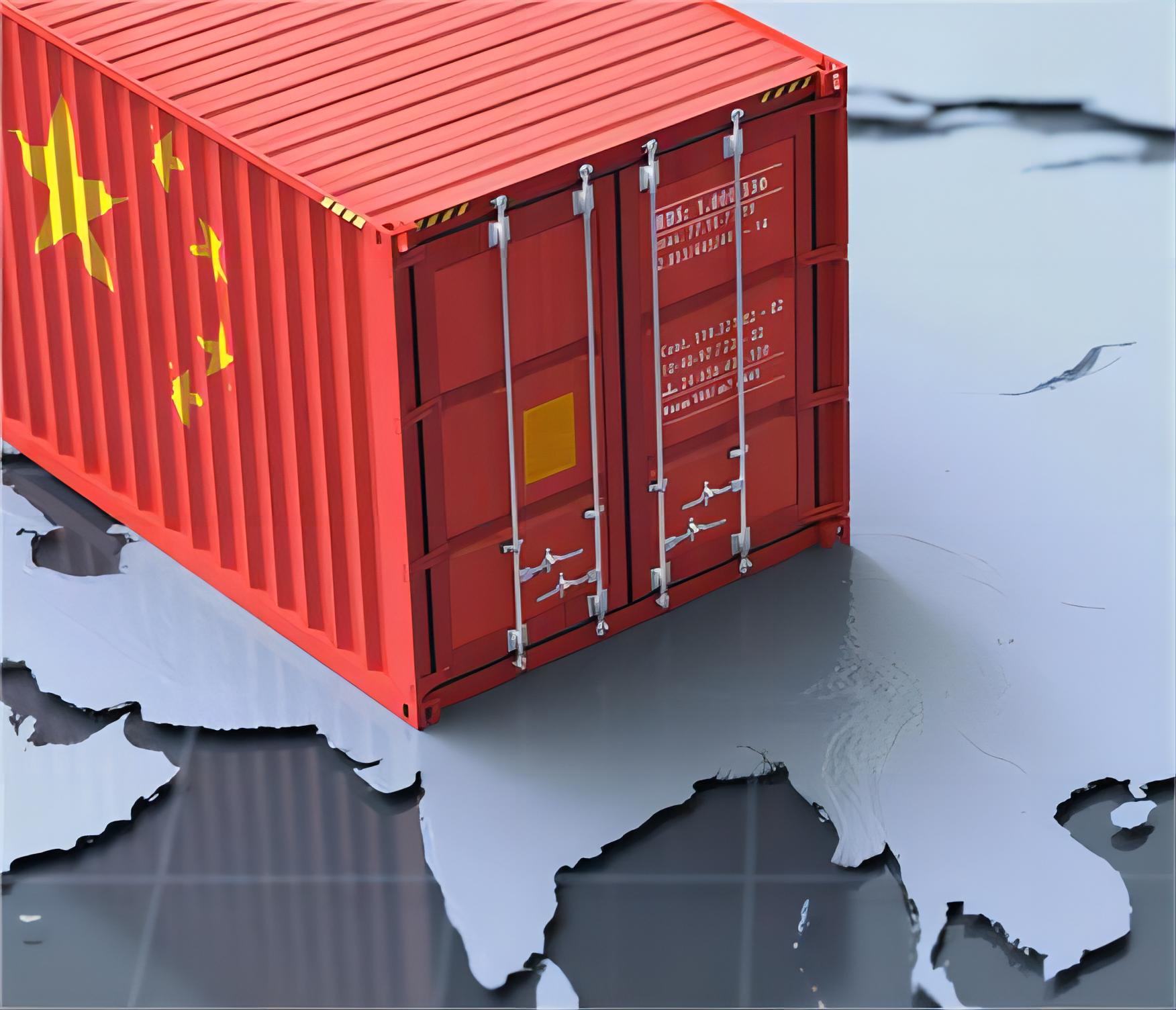
Transit Times and Port Logistics for Italy
Shipping from China to Europe involves navigating major maritime routes, typically passing through the Suez Canal. As a result, the average sea transit time from Shanghai to Genoa is approximately 30 to 35 days. Nevertheless, port congestion in either China or Italy can occasionally extend this timeline by a week or more.
Italian ports are well-equipped to handle specialized equipment like open-top containers. Specifically, the Port of Trieste serves as a vital gateway for cargo destined for Northern Italy and Central Europe. Choosing the right port of discharge can significantly reduce your final delivery costs and time, as inland rail and truck connections vary by region.
Which Option Should You Choose?
Decision-making for textile logistics depends on your specific cargo dimensions and budget constraints. If your cargo height exceeds 2.35 meters, you must utilize an Open Top or Flat Rack container to avoid damage. Conversely, if your textiles are compressible or can be packed horizontally, a standard 40HQ container will offer the best Open Top FCL freight rate for textiles from China to Italy by avoiding specialty surcharges.
Priority should be given to speed if you are meeting a seasonal fashion deadline, in which case direct sailings are worth the extra 10% cost. For industrial projects with flexible timelines, transshipment routes via Piraeus or Algeciras can offer significant savings. Always verify the ‘In-Gauge’ status of your cargo, as ‘Out-of-Gauge’ shipments require manual quoting and space approval from the carrier’s stowage department.
Real-World Case Studies for Textile Shipments
Case Study 1: Large Scale Weaving Loom. Route: Shanghai, China to Genoa, Italy. Cargo: Industrial textile machinery, 45 CBM, 12,000 kg. Container: 40ft Open Top. Shipping Details: Direct service via MSC. Ocean Freight: $5,200. Total Landed Cost: $6,450. Timeline: 33 days door-to-port. Key Insight: Using an open top allowed for crane loading, saving $800 in manual labor costs at the factory.
Case Study 2: Oversized Fabric Rolls for Automotive Interiors. Route: Ningbo, China to Trieste, Italy. Cargo: Specialized textiles, 22 CBM, 8,500 kg. Container: 20ft Open Top. Shipping Details: Transshipment via Singapore. Ocean Freight: $3,150. Total Landed Cost: $4,200. Timeline: 41 days. Key Insight: Choosing a transshipment route during the off-peak season saved the client 15% compared to direct service rates.
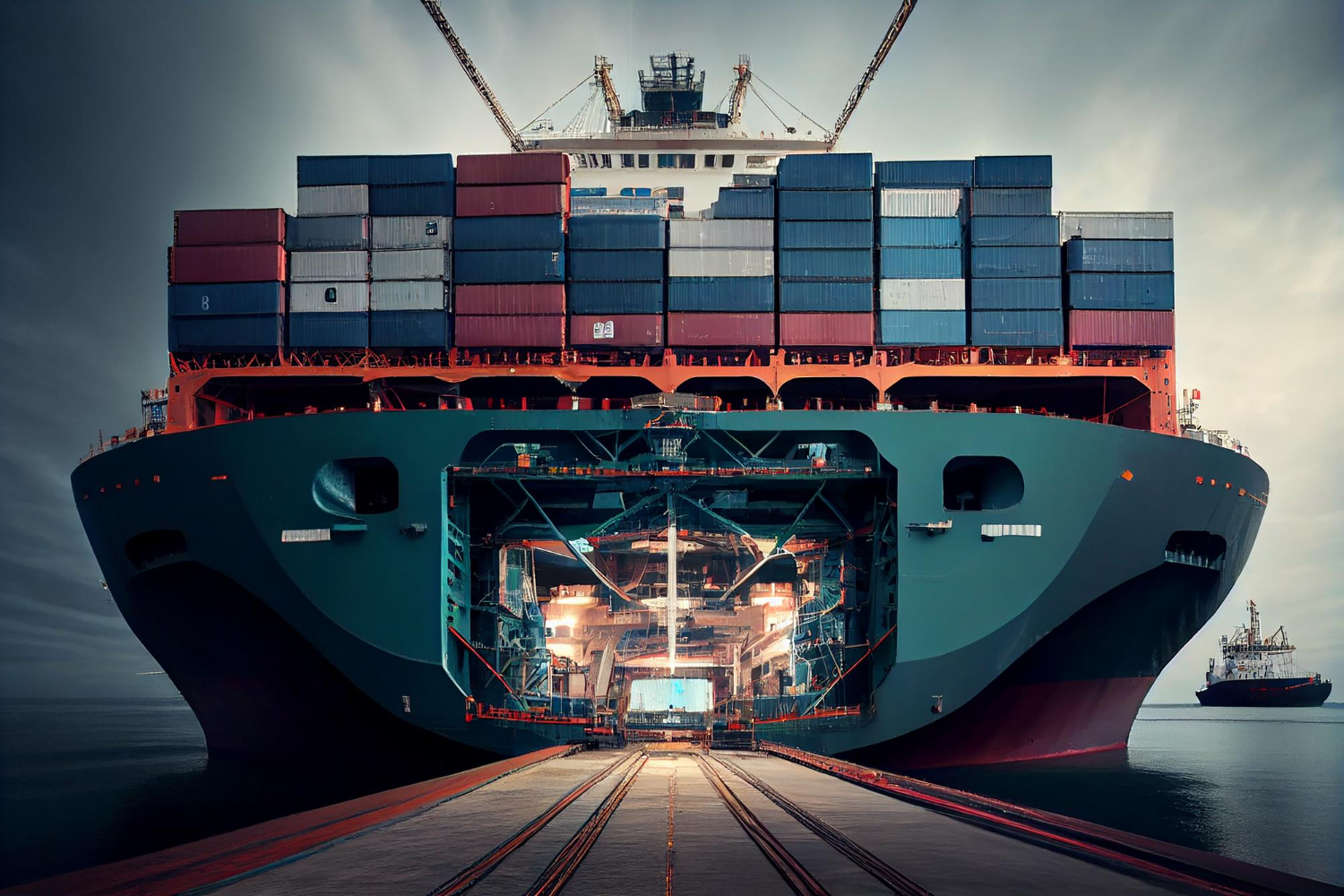
Essential Documentation for Italian Textile Imports
Italian customs authorities require precise documentation to clear textile goods, including a detailed Commercial Invoice and Packing List. Additionally, a Certificate of Origin is often necessary to determine applicable duty rates under EU trade regulations. Because textiles are sensitive items, ensuring your HS codes are accurate is paramount to avoiding costly delays or fines at the border.
Note: Freight rates are subject to change based on fuel costs, carrier capacity, and seasonal demand. Contact us for a current quote tailored to your specific shipment. Market data suggests that rates for the China-Italy corridor remain stable as of early 2025, though geopolitical factors in the Red Sea continue to influence transit security surcharges.
Final Thoughts on Shipping Textiles to Italy
Securing a competitive Open Top FCL freight rate for textiles from China to Italy is a strategic advantage for any importer. By understanding the nuances of equipment surcharges, choosing the right ports, and timing your bookings, you can significantly reduce your logistics overhead. Furthermore, working with an experienced partner ensures that your specialized cargo is handled with the care it deserves.
Remember to always account for the total landed cost, including customs and inland haulage, to get a true picture of your shipping expenses. Whether you are moving delicate fabrics or heavy machinery, the right container choice is the foundation of a successful international trade operation.
Ready to streamline your logistics?
Optimizing your Open Top FCL freight rate for textiles from China to Italy requires expert planning and real-time market intelligence. Our team at Top China Freight is ready to provide you with a customized quote that balances cost-efficiency with reliable delivery schedules. Contact us today to secure your equipment and streamline your next textile shipment. Send Inquiry link: Visit https://Top China Freight.com/
Request Quote