

Open Top FCL Transit Time for Medical Equipment from China to Texas Guide
Shipping oversized medical imaging machines requires precision and specialized equipment to ensure safety. Understanding the Open Top FCL transit time for medical equipment from China to Texas is vital for maintaining efficient hospital supply chains. Partnering with Top China Freight ensures your sensitive cargo arrives safely and on schedule through expert logistics management. Professional handling of these high-value assets reduces the risk of damage during the long journey across the Pacific Ocean.

What Determines Open Top FCL Transit Time for Medical Equipment from China to Texas?
Open top containers provide the necessary flexibility for loading bulky medical devices like MRI machines or CT scanners from the top using cranes. Consequently, the specialized nature of this equipment can influence the overall booking and loading schedule at major Chinese ports.
Moreover, the specific port of origin in China plays a significant role in determining the total duration of the voyage. Ships departing from Shenzhen or Guangzhou typically follow different routes than those leaving from northern ports like Tianjin or Qingdao.
Weather conditions and seasonal port congestion also impact the Open Top FCL transit time for medical equipment from China to Texas significantly. During peak seasons, such as the lead-up to the Lunar New Year, vessel space becomes limited and terminal processing slows down.
Hospitals and clinics must account for these variables when planning their procurement cycles to avoid critical equipment shortages. Therefore, working with an experienced freight forwarder is essential for navigating these complex variables.
How Does Open Top FCL Compare to Other Shipping Options?
Choosing between sea freight and air freight involves balancing cost against speed. While air freight offers the fastest delivery, it is often prohibitively expensive for heavy or oversized medical machinery.
In contrast, sea freight provides a cost-effective solution for large-scale hospital equipment deployments. Open top containers specifically cater to out-of-gauge cargo that does not fit in standard dry vans.
Additionally, Full Container Load (FCL) shipping is generally faster than Less than Container Load (LCL) because it avoids the time-consuming consolidation and deconsolidation processes. This efficiency is particularly important for high-priority medical installations in Texas.
| Shipping Method | Cost Range | Transit Time | Best For |
|---|---|---|---|
| Open Top FCL (Sea) | $3,500 – $6,500 | 28 – 42 Days | Oversized MRI/CT Machines |
| Standard FCL (Sea) | $2,500 – $4,500 | 25 – 35 Days | Boxed Supplies/Small Gear |
| Air Freight | $15,000 – $30,000 | 5 – 10 Days | Urgent Spare Parts |
| LCL Shipping | $150 – $300/CBM | 35 – 50 Days | Small Palletized Items |
Average Transit Times by Port of Loading
Direct routes from China to the Port of Houston are the most common choice for medical equipment bound for the Texas market. Furthermore, these routes usually take between 30 and 35 days depending on the carrier and the number of intermediate stops.
Alternatively, some importers choose to ship to the Port of Long Beach in California and use intermodal rail to reach Dallas or San Antonio. This strategy can sometimes reduce the sea transit time, although it adds complexity to the inland logistics phase.
Nevertheless, the Open Top FCL transit time for medical equipment from China to Texas remains most predictable when using direct water services to the Gulf Coast. Indeed, avoiding transshipment points reduces the risk of handling damage for sensitive electronic components.
| Origin Port | Destination Port | Transit (Days) | Route Type |
|---|---|---|---|
| Shanghai | Houston | 32 – 36 | Direct via Panama |
| Shenzhen | Houston | 30 – 34 | Direct via Panama |
| Ningbo | Houston | 33 – 38 | Transshipment |
| Qingdao | Houston | 35 – 40 | Direct via Panama |

Which Option Should You Choose for Your Medical Devices?
Budget priority often dictates that sea freight is the primary choice for large-scale medical infrastructure projects. However, if the project timeline is extremely tight, a hybrid sea-air solution might be necessary to meet installation deadlines.
Speed priority is essential when a hospital is waiting for a critical replacement part to restore service to patients. In these rare cases, the high cost of air transport is justified by the immediate need for clinical functionality.
Cargo type considerations are paramount when dealing with sensitive calibration. Open top containers must be properly tarped and secured to prevent moisture ingress during the long Pacific crossing.
Volume thresholds also play a role; if you are shipping multiple units, FCL becomes significantly more economical than LCL. Consequently, most Texas medical distributors prefer full container loads to maximize their shipping budget.
Real-World Case Studies: China to Texas Medical Logistics
Case Study 1: MRI Machine Delivery. Route: Shenzhen to Houston. Cargo: 15,000kg MRI Scanner. Container: 40ft Open Top. Shipping Details: Direct service via Panama Canal. Sea Transit: 32 days. Customs Clearance: 3 days. Total Door-to-Door: 42 days. Key Insight: Early booking during Q3 avoided peak season surcharges.
Case Study 2: Hospital Bed Shipment. Route: Shanghai to Dallas. Cargo: 40 Hospital Beds. Container: 40HQ Standard FCL. Shipping Details: Rail-intermodal via Long Beach. Sea Transit: 16 days. Rail Transit: 7 days. Total Door-to-Door: 31 days. Key Insight: Intermodal transport saved 8 days compared to an all-water route to Houston.
Case Study 3: Surgical Robotic System. Route: Ningbo to San Antonio. Cargo: Precision Robotic Arm. Container: 20ft Open Top. Shipping Details: Transshipment via Busan. Sea Transit: 38 days. Total Door-to-Door: 48 days. Key Insight: Specialized crating prevented vibration damage during the transshipment process.
Customs Brokerage and Compliance for Medical Gear
Navigating the regulatory landscape is a critical component of the import process for healthcare technology. Utilizing professional customs brokerage services ensures that all FDA and CBP requirements are met without delay.
Moreover, medical equipment often requires specific documentation, including Certificates of Analysis and proof of registration with the Department of Health and Human Services. Failure to provide these documents can lead to lengthy port exams and increased storage fees.
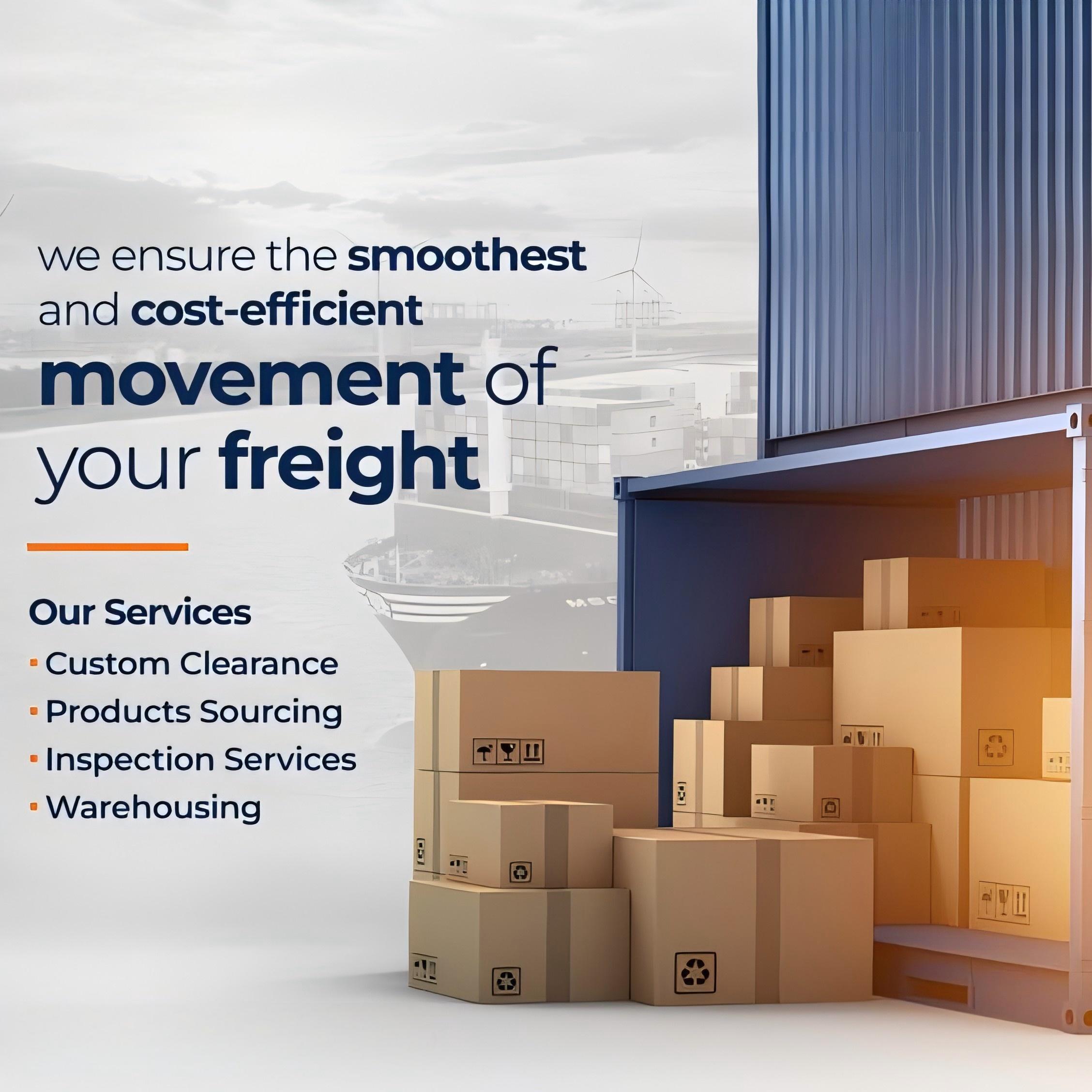
Accordingly, importers should verify all Harmonized System (HS) codes before the vessel departs from China. This proactive approach minimizes the risk of unexpected duties or administrative holds upon arrival in Texas.
Door to Door Logistics for Texas Healthcare Facilities
Final mile delivery is often the most challenging aspect of shipping oversized medical equipment to landlocked cities like Austin or Dallas. Implementing a robust door to door strategy involves coordinating heavy-lift trucks and specialized unloading crews.
Additionally, many hospitals are located in congested urban areas with limited loading dock access. Therefore, the trucking company must perform a site survey to ensure they have the correct equipment for offloading the open top container.
Indeed, the total transit time is not complete until the equipment is safely positioned inside the facility. Planning for these local logistics hurdles is just as important as monitoring the ocean voyage across North America trade routes.
Strategies to Reduce Transit Times and Costs
Consolidating shipments into a single FCL can significantly lower your per-unit shipping costs compared to multiple smaller shipments. Furthermore, negotiating long-term contracts with carriers can provide more stable pricing in a volatile market.
Selecting the right port of entry is another effective way to optimize your supply chain. While Houston is convenient, the Port of Mobile or New Orleans might offer faster processing times during periods of heavy congestion in Texas.
Finally, staying informed about global shipping trends allows you to adjust your strategy in response to market shifts. As of early 2025, freight rates have stabilized, but fuel surcharges remain a variable factor that requires careful monitoring.
Final Thoughts on Medical Equipment Logistics
Managing the Open Top FCL transit time for medical equipment from China to Texas requires a combination of technical knowledge and strategic planning. By understanding the factors that influence sea freight schedules, importers can better manage their inventory and project timelines.
Reliable logistics partners provide the transparency needed to navigate customs hurdles and port congestion effectively. Ultimately, the successful delivery of medical equipment ensures that Texas healthcare providers can continue to offer high-quality care to their communities.

Ready to streamline your logistics?
Are you planning to import sensitive healthcare technology? Contact our team today for a customized quote on Open Top FCL transit time for medical equipment from China to Texas. Visit our website to start your inquiry and secure your 2025 shipping schedule. Send Inquiry: info@Top China Freight.com
Request Quote