

20GP FCL tracking for textiles from China to New Jersey: A Complete Guide
Navigating the complexities of international logistics requires precision and reliable data for modern importers. Many businesses struggle with visibility when managing 20GP FCL tracking for textiles from China to New Jersey due to fragmented communication. By partnering with Top China Freight, you can gain real-time insights into your cargo movements and ensure your textile supply chain remains uninterrupted.
What is 20GP FCL tracking for textiles from China to New Jersey?
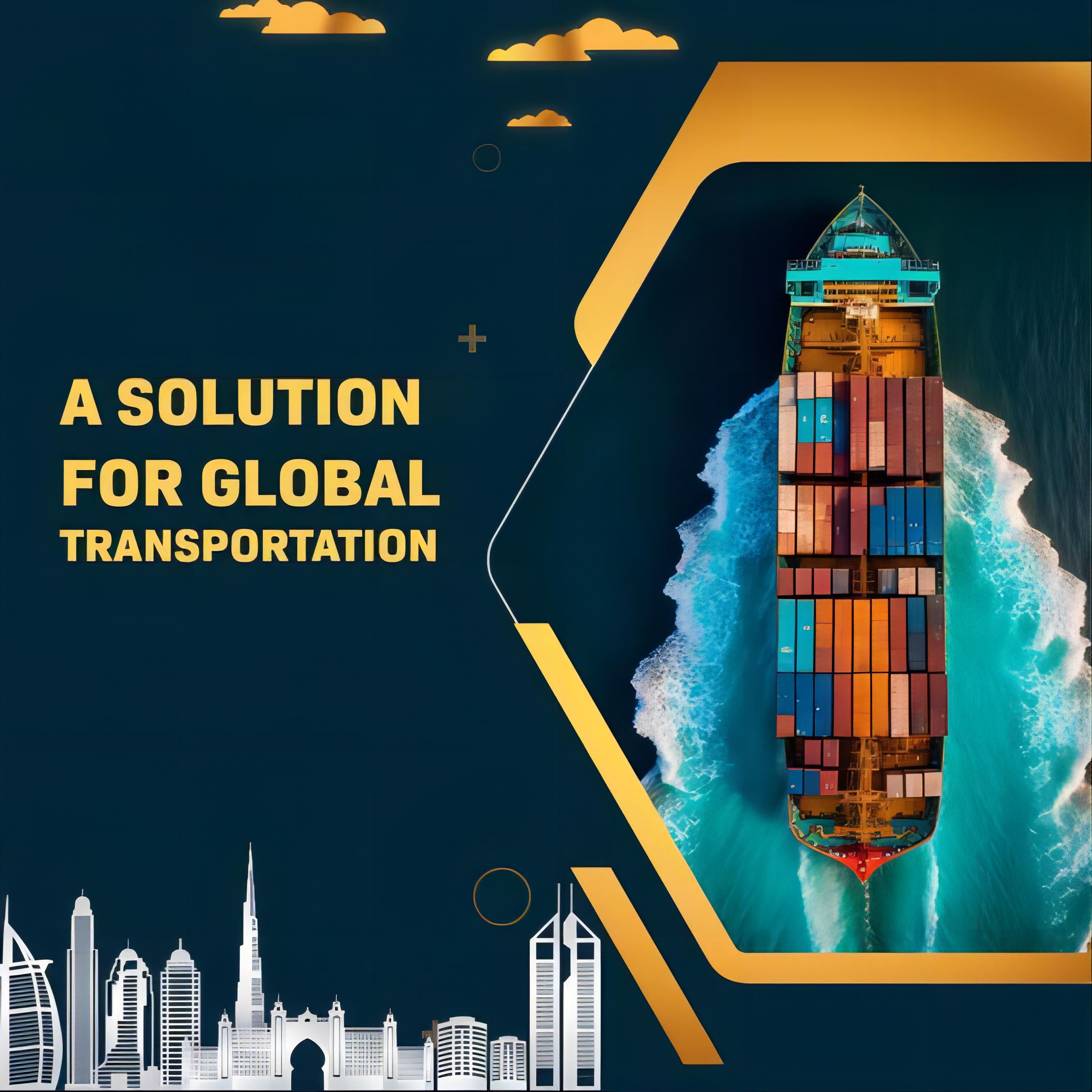
A 20GP container, or 20-foot General Purpose container, is the standard choice for textile manufacturers shipping fabric rolls and finished garments. This specific shipping method involves Full Container Load (FCL) service, meaning your textiles occupy the entire space. Consequently, tracking becomes more straightforward as you are only monitoring one container number from origin to destination.

Tracking technology has evolved significantly to provide minute-by-minute updates on vessel locations. Most carriers now offer digital portals where you enter your Bill of Lading or container ID. Furthermore, advanced logistics providers integrate these feeds into a single dashboard for better oversight.
How Does 20GP FCL Compare to Other Shipping Options?
Choosing the right shipping method depends on your budget, volume, and urgency. While 20GP FCL is highly efficient for medium-sized textile orders, other options might suit different business needs. For instance, smaller shipments might benefit from LCL, whereas urgent samples require air transport.
Moreover, the cost-benefit analysis often favors FCL when shipping more than 15 cubic meters of textiles. This is because FCL reduces the risk of damage during handling compared to shared containers. In addition, the transit time is generally faster for FCL since there is no need for consolidation at the port of loading.
| Shipping Method | Cost Range | Transit Time | Best For |
|---|---|---|---|
| 20GP FCL Sea | $2,500 – $3,500 | 30-35 Days | Bulk Textiles |
| LCL Sea Freight | $80 – $150/CBM | 35-45 Days | Small Batches |
| Air Freight | $5 – $9/kg | 5-8 Days | Urgent Samples |
| Express Service | $8 – $12/kg | 3-5 Days | E-commerce |
Key Benefits of Ocean Freight for Textile Logistics
Utilizing sea freight remains the most economical way to move large volumes of apparel and home textiles. The 20GP container provides a secure environment that protects sensitive fabrics from moisture and external contaminants. Consequently, many importers prefer this method for long-haul routes to the United States East Coast.
Furthermore, sea freight allows for better planning of inventory cycles. By understanding the typical transit times, you can coordinate warehouse space in New Jersey more effectively. Indeed, the predictability of major shipping lines helps maintain a steady flow of goods to retail outlets.
Essential Steps in 20GP FCL tracking for textiles from China to New Jersey
First, ensure you receive the correct container number and the Master Bill of Lading from your freight forwarder immediately after loading. This information is the primary key for all tracking activities throughout the voyage. Without a doubt, early access to these details prevents confusion during the transshipment process.
Next, monitor the Automated Manifest System (AMS) filings to ensure your cargo is cleared for entry into the United States. In addition, working with an experienced customs brokerage ensures that all textile-specific documentation, such as certificates of origin, is processed correctly. This proactive approach minimizes the risk of expensive port storage fees in New Jersey.
Which Option Should You Choose for Your Textile Shipments?
Budget priority: If your primary goal is to minimize landed costs, 20GP FCL is the superior choice for volumes exceeding 15 CBM. On the other hand, if you are shipping lightweight but high-value silk or designer garments, air freight might be more appropriate. Therefore, always calculate the cost per unit before making a final decision.
Speed priority: For seasonal fashion launches that are behind schedule, express service can save weeks of transit time. However, for standard inventory replenishment, the 30-day window of sea freight is usually acceptable. Consequently, many successful importers use a hybrid strategy, shipping the bulk by sea and urgent refills by air.
Understanding Transit Times to the Port of New York and New Jersey
Shipping from major Chinese hubs like Shanghai or Ningbo to the East Coast typically takes between 30 and 38 days. This duration accounts for the transit through the Panama Canal or around the Cape of Good Hope, depending on current maritime conditions. Meanwhile, port congestion in New York can occasionally add a few days to the total door-to-door time.
Additionally, choosing door to door service simplifies the final leg of the journey. This ensures that once the container is unloaded in New Jersey, it is immediately scheduled for trucking to your final warehouse. As a result, you avoid the hassle of coordinating multiple vendors during the critical last-mile delivery.

Realistic Case Studies: Textile Shipments to New Jersey
Reviewing real-world examples helps importers understand the actual costs and timelines involved in 20GP FCL tracking for textiles from China to New Jersey. These cases reflect market conditions as of late 2024 and early 2025.
Each case demonstrates how different variables, such as port choice and cargo weight, can influence the final logistics outcome.
Case Study 1: Cotton Apparel from Ningbo to Newark
Route: Ningbo, China to Newark, NJ. Cargo: 100% Cotton T-shirts, 27 CBM, 11,500 kg. Container: 20GP FCL.
Shipping Details: Carrier: COSCO. Route Type: Direct via Panama Canal. Timeline: Sea transit 33 days, Customs clearance 2 days, Total 39 days door-to-door.
Cost Breakdown: Ocean Freight $3,200. Origin/Destination Charges $850. Total Landed Cost (excl. duties): $4,050. Key Insight: Early booking during the off-peak season saved approximately 15% on freight rates.
Case Study 2: Industrial Fabrics from Shanghai to Elizabeth
Route: Shanghai, China to Elizabeth, NJ. Cargo: Synthetic textile rolls, 25 CBM, 14,000 kg. Container: 20GP FCL.
Shipping Details: Carrier: Maersk. Route Type: Transshipment. Timeline: Sea transit 36 days, Customs clearance 3 days, Total 44 days door-to-door.
Cost Breakdown: Ocean Freight $3,450. Origin/Destination Charges $920. Total Landed Cost (excl. duties): $4,370. Key Insight: Heavy cargo required specialized trucking in New Jersey, which added $200 to the local delivery cost.
Market Context and Pricing Trends for 2025
As of early 2025, freight rates from China to North America have remained relatively stable compared to the volatility of previous years. However, seasonal peaks during the late summer months can still cause rates to spike by 20% or more. Consequently, importers should plan their 20GP FCL tracking for textiles from China to New Jersey well in advance of major holidays.
Moreover, fuel surcharges continue to be a variable factor in total shipping costs. Industry benchmarks suggest that while base rates are predictable, ancillary fees can fluctuate based on global energy prices. Therefore, it is essential to request an all-in quote to avoid hidden expenses during the shipping process.
Note: Freight rates are subject to change based on fuel costs, carrier capacity, and seasonal demand. Contact us for a current quote tailored to your specific shipment.
Mastering Your Textile Supply Chain
Successfully managing 20GP FCL tracking for textiles from China to New Jersey requires a combination of the right technology and experienced partners. By understanding the nuances of sea freight and the specific requirements of the New Jersey ports, you can significantly reduce delays. Furthermore, proactive tracking and efficient customs clearance are the cornerstones of a resilient textile business.
In conclusion, always prioritize visibility and clear communication with your freight forwarder to ensure your cargo arrives safely and on time. As the market continues to evolve, staying informed about pricing trends and transit options will give your business a competitive edge in the global textile industry.

Ready to streamline your logistics?
Streamline your textile imports today by utilizing our advanced 20GP FCL tracking for textiles from China to New Jersey solutions. Contact Top China Freight for a personalized quote and expert logistics advice. Visit our website to start your inquiry. Send Inquiry: Visit https://Top China Freight.com/
Request Quote