


20GP FCL booking process for auto parts from China to New York
Navigating the Top China Freight logistics landscape is essential for automotive businesses seeking reliability. The 20GP FCL booking process for auto parts from China to New York involves complex steps that ensure your cargo arrives safely and on time. This guide provides a comprehensive roadmap for efficient international shipping specifically tailored for the automotive industry.

What is the 20GP FCL booking process for auto parts from China to New York?
The 20GP FCL booking process for auto parts from China to New York begins with a formal inquiry to a licensed freight forwarder. Full Container Load (FCL) shipping means you have exclusive use of a twenty-foot general purpose container. This method is particularly popular for auto parts because it offers superior protection against damage during transit.
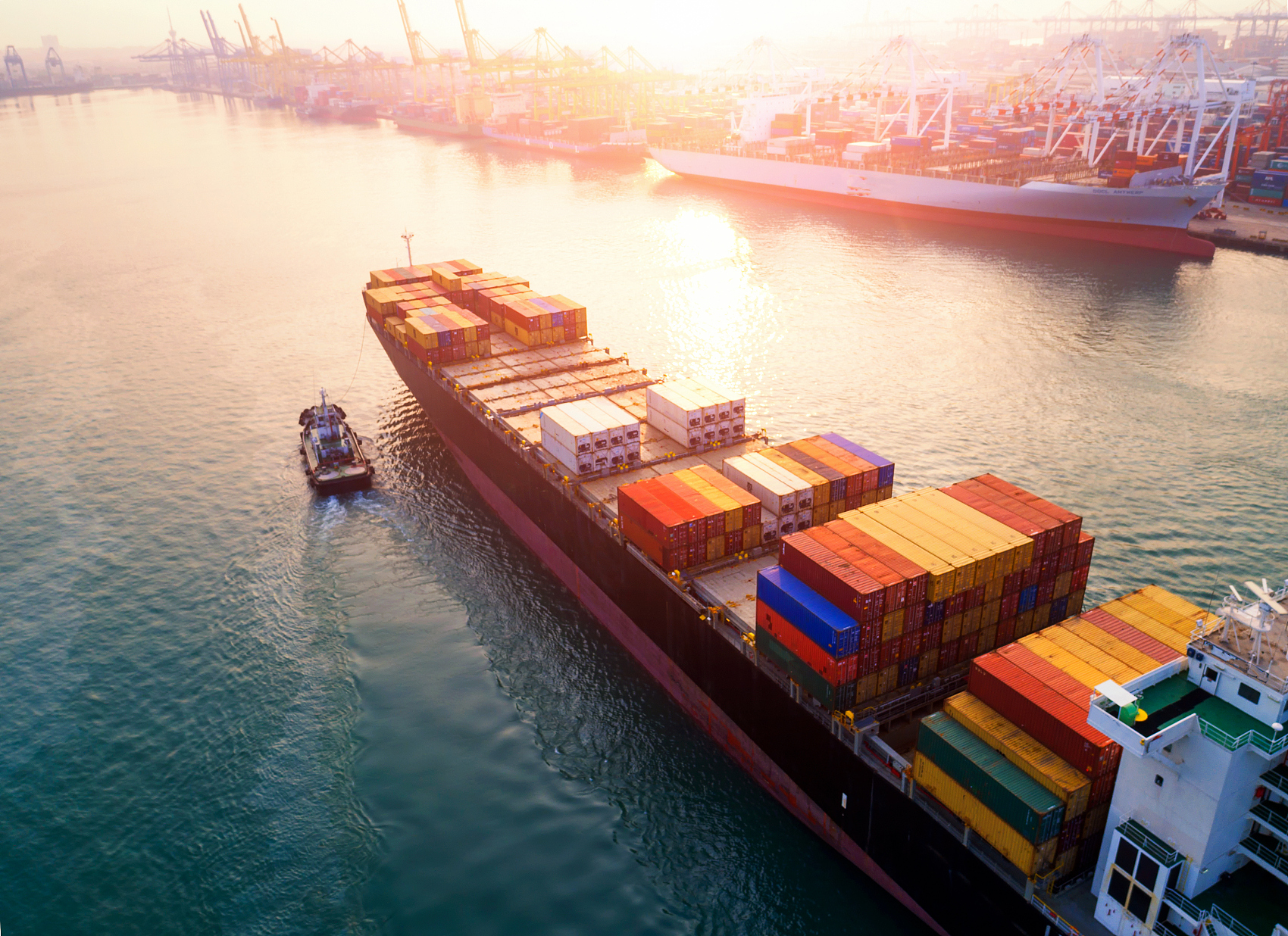
Importers must provide detailed cargo specifications including weight, volume, and the specific type of automotive components being shipped. Moreover, you need to decide between various shipping terms like FOB or CIF which dictate who handles the costs and risks. Once the quote is accepted, the forwarder initiates the space booking with a major ocean carrier.
Carriers then issue a Booking Note which serves as the official confirmation of space on a vessel. Consequently, this document allows the shipper to pick up an empty 20GP container from the designated depot. Proper planning at this stage prevents delays during the peak shipping seasons in late summer.
Why 20GP containers are ideal for automotive components
Automotive parts such as engines, transmissions, and brake rotors are often dense and heavy. A 20GP container is perfectly suited for these items because it has a high weight capacity relative to its volume. Furthermore, loading heavy parts into a smaller container helps maintain better balance and stability on the vessel.
Selecting sea freight for these shipments is the most cost-effective solution for high-volume orders. Standard 20GP containers provide a secure environment that protects sensitive metal parts from moisture and salt air. Additionally, the FCL model minimizes handling, which significantly reduces the risk of mechanical damage to delicate components.
Choosing the right equipment is a strategic decision for your supply chain efficiency. Most auto part manufacturers in China prefer the 20GP because it aligns with standard pallet sizes used in automotive warehouses. Indeed, this compatibility speeds up the loading and unloading processes at both ends of the journey.
How Does 20GP FCL Compare to Other Shipping Options?
Evaluating different transport modes is vital for optimizing your logistics budget and meeting delivery schedules. While FCL is the gold standard for large volumes, LCL or air freight might be better for smaller or more urgent shipments. However, for a full container of heavy car parts, the price per unit is significantly lower when using 20GP FCL.
Air freight remains an alternative for emergency repairs or high-value electronics, but the costs are often prohibitive for standard stock. On the other hand, rail freight is not a viable option for the China to New York route due to geographic constraints. Therefore, ocean freight remains the dominant choice for trans-Pacific automotive trade.
Consider the following comparison to determine which method suits your current inventory needs and budget constraints.
| Shipping Method | Cost Range | Transit Time | Best For |
|---|---|---|---|
| 20GP FCL | $2,500 – $3,500 | 30 – 35 Days | Heavy Auto Parts |
| LCL Shipping | $50 – $150/CBM | 35 – 40 Days | Small Spare Parts |
| Air Freight | $5.00 – $8.00/kg | 5 – 7 Days | Urgent Components |
| Express Service | $8.00 – $12.00/kg | 3 – 5 Days | Prototypes/Samples |
Step-by-Step guide to the booking workflow
Initiating the booking requires a clear understanding of the timeline from the factory to the Port of New York. First, the shipper sends a booking request to the forwarder containing the desired vessel departure date. Afterward, the forwarder checks space availability with carriers like COSCO, Maersk, or MSC to secure the best possible rate.
Documentation preparation happens simultaneously with the booking confirmation to avoid customs delays. You must ensure that the Bill of Lading, Commercial Invoice, and Packing List are accurate and consistent. Meanwhile, the factory coordinates the container loading and ensures the cargo is properly lashed and secured inside the 20GP unit.
Trucking the loaded container to the Port of Loading, such as Shanghai or Ningbo, is the next critical phase. Consequently, the container must arrive at the terminal before the ‘CY Cut-off’ time to be loaded onto the scheduled vessel. Failure to meet this deadline can result in expensive ‘roll-over’ fees and week-long delays.
Navigating customs brokerage for New York ports
Entering the United States requires strict adherence to Customs and Border Protection (CBP) regulations. Utilizing a professional customs brokerage service ensures that your auto parts are classified correctly under the Harmonized Tariff Schedule (HTS). Incorrect classification can lead to heavy fines or even seizure of the goods.
Filing the Importer Security Filing (ISF), also known as 10+2, is a mandatory step that must be completed 24 hours before the ship leaves China. This filing provides CBP with advance data about the cargo for security screening purposes. Furthermore, your broker will handle the payment of duties and taxes upon the arrival of the vessel in New York.
New York ports are known for their high volume and strict inspection protocols for automotive imports. Therefore, having all paperwork ready well in advance is the best way to ensure a smooth transition from the pier to your warehouse. Indeed, proactive communication with your broker can save days of storage fees at the terminal.
Transit times and cost factors for the China-NY route
Shipping from China’s East Coast to the Port of New York and New Jersey typically takes between 30 and 40 days. This duration depends on whether the vessel travels via the Panama Canal or the Suez Canal, or if it involves transshipment. Direct routes are faster but often come with a premium price tag compared to indirect services.
Freight rates fluctuate based on fuel surcharges, seasonal demand, and overall carrier capacity in the market. During the peak season, which usually runs from August to October, rates for a 20GP container can increase by 20% or more. Additionally, port congestion in New York can sometimes add a few days to the total door-to-door timeline.
Typical transit times from major Chinese hubs to New York are summarized in the table below for your reference.
| Origin Port | Destination | Transit Time | Route Type |
|---|---|---|---|
| Shanghai | New York | 30 – 32 Days | Direct |
| Ningbo | New York | 31 – 34 Days | Direct |
| Shenzhen | New York | 34 – 38 Days | Transshipment |
| Qingdao | New York | 35 – 40 Days | Transshipment |
Real-world case studies for auto parts shipping
Reviewing actual shipment data helps importers understand the practicalities of the 20GP FCL booking process for auto parts from China to New York. These examples illustrate the costs and timelines associated with different types of automotive cargo. Each case reflects market conditions observed in late 2024 and early 2025.
Case Study 1: Brake System Components Route: Shanghai, China to New York, USA Cargo: Brake rotors and pads, 22 CBM, 18,500 kg Container: 20GP FCL Shipping Details: – Carrier/Service: COSCO Direct Service – Port of Loading: Shanghai (Yangshan) – Port of Discharge: Port Newark, NJ – Route Type: Direct via Panama Canal Cost Breakdown: – Ocean Freight: $3,200 – Origin Charges: $450 – Destination Charges: $600 – Customs & Duties (est): $1,800 – Total Landed Cost: $6,050 Timeline: – Booking to Loading: 5 days – Sea Transit: 32 days – Customs Clearance: 3 days – Total Door-to-Door: 40 days Key Insight: Using a direct service minimized vibration damage to the rotors.
Case Study 2: Engine Replacement Parts Route: Ningbo, China to New York, USA Cargo: Engine blocks and heads, 18 CBM, 15,000 kg Container: 20GP FCL Shipping Details: – Carrier/Service: Maersk Line – Port of Loading: Ningbo-Zhoushan – Port of Discharge: Elizabeth Marine Terminal, NJ – Route Type: Transshipment via Busan Cost Breakdown: – Ocean Freight: $2,850 – Origin Charges: $400 – Destination Charges: $650 – Customs & Duties (est): $2,200 – Total Landed Cost: $6,100 Timeline: – Booking to Loading: 7 days – Sea Transit: 38 days – Customs Clearance: 4 days – Total Door-to-Door: 49 days Key Insight: Transshipment saved $350 but added 6 days to the schedule.
Note: Freight rates are subject to change based on fuel costs, carrier capacity, and seasonal demand. Contact us for a current quote tailored to your specific shipment.
Strategies to optimize your 20GP FCL shipments
Maximizing the space inside a 20GP container is the most effective way to reduce your per-unit shipping cost. Shippers should work closely with factories to design packaging that fits perfectly within the container’s internal dimensions. Furthermore, utilizing door to door services can simplify the entire process by consolidating all costs into a single invoice.
Insurance is another critical factor that should never be overlooked when shipping high-value auto parts. While carriers provide basic liability, it is often insufficient to cover the full value of a container filled with engines or transmissions. Consequently, purchasing comprehensive marine cargo insurance is a wise investment for any serious importer.
Maintaining a buffer in your delivery schedule helps mitigate the impact of unforeseen delays. Port strikes, severe weather, or vessel mechanical issues can all disrupt the 20GP FCL booking process for auto parts from China to New York. Therefore, planning for a 45-day window instead of the minimum 30 days provides much-needed flexibility for your inventory management.
Market trends and logistics outlook for 2025
Digitalization is transforming how importers manage the 20GP FCL booking process for auto parts from China to New York. Modern platforms now offer real-time tracking, allowing businesses to see exactly where their container is at any moment. This transparency is particularly beneficial for the North America trade route where port visibility is crucial.
Sustainability is also becoming a major focus for ocean carriers and global logistics providers. Many companies are now offering carbon-neutral shipping options by utilizing bio-fuels or carbon offset programs. Moreover, the shift toward electric vehicles is changing the types of auto parts being shipped, with a significant increase in battery-related components.
Typical rates as of early 2025 suggest that the market has stabilized following the disruptions of previous years. However, geopolitical factors and changes in global trade policies continue to influence freight costs and route selection. Staying informed about these trends allows you to adapt your procurement strategy and maintain a competitive edge in the automotive market.
Summary of the 20GP FCL shipping process
Successfully managing the 20GP FCL booking process for auto parts from China to New York requires attention to detail and proactive planning. From selecting the right container to navigating complex customs regulations, every step plays a role in the health of your supply chain. By following the steps outlined in this guide, importers can reduce costs and minimize transit delays effectively.
Reliable logistics partners are the backbone of successful international trade in the automotive sector. Whether you are shipping engines, brake systems, or electronic components, the 20GP container remains the most versatile and secure option for the China-NY route. Start your next booking with confidence and watch your business grow in the competitive New York market.
Ready to streamline your logistics?
Streamline your automotive supply chain today by partnering with experts who understand the 20GP FCL booking process for auto parts from China to New York. Our dedicated team provides tailored solutions to ensure your components arrive safely at their destination. Visit Top China Freight to request a personalized quote and optimize your international shipping strategy. Send Inquiry: https://Top China Freight.com/contact-us/
Request Quote