

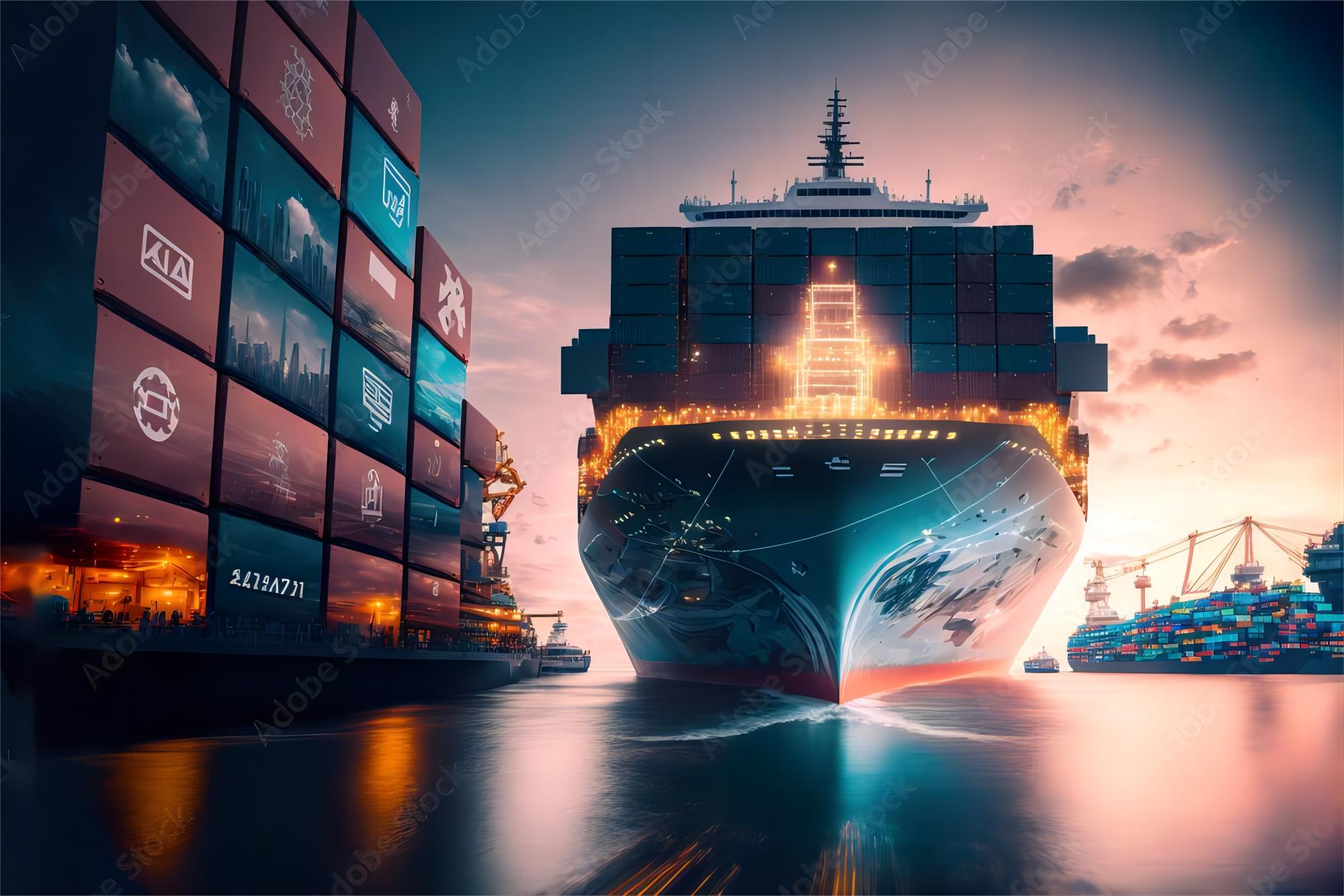
Reefer FCL Container Shortage Solution for Electronics from China to New York
Transporting sensitive electronic components requires precise temperature management to prevent moisture damage and static buildup. Identifying a viable reefer FCL container shortage solution for electronics from China to New York has become a primary challenge for modern supply chain managers. You can partner with a reliable freight forwarder like Top China Freight to secure equipment and ensure your high-value cargo arrives safely. This guide explores strategic alternatives and professional logistics adjustments to overcome current market equipment deficits effectively.
What Causes the Reefer FCL Container Shortage for Electronics?
Several factors contribute to the current scarcity of refrigerated units on the trans-Pacific route. Global trade imbalances often leave reefer containers stranded in regions with low export demand for temperature-sensitive goods. Consequently, the availability of equipment in major Chinese hubs like Shenzhen or Shanghai fluctuates significantly throughout the year.
Moreover, the rising demand for sophisticated consumer electronics requires specialized climate control to maintain product integrity. Traditional dry vans often fail to protect sensitive circuits from the extreme temperature swings experienced during the long journey to New York. Therefore, the competition for the limited pool of reefer units remains intense among global tech manufacturers.
Infrastructure constraints at major ports also play a significant role in equipment turnaround times. When congestion occurs at the Port of New York and New Jersey, containers take longer to return to the global pool. As a result, shippers must plan their bookings weeks in advance to secure the necessary hardware.
How Temperature Control Protects High-Value Electronics
Electronics are highly susceptible to humidity and thermal expansion during ocean transit. Using a refrigerated container allows logistics providers to maintain a constant environment, which prevents condensation from forming on internal components. Indeed, even a small amount of moisture can lead to catastrophic failure once the devices reach the end consumer.
Furthermore, reefer units provide an insulated barrier against the scorching heat found in tropical transit zones. Without this protection, the plastic housings and delicate solders of modern gadgets might warp or degrade. Logistics experts consistently recommend climate-controlled solutions for any shipment exceeding a specific value threshold.
Additionally, these containers offer enhanced security features compared to standard dry units. The specialized nature of the cargo often means carriers apply stricter monitoring protocols throughout the voyage. This provides an extra layer of peace of mind for businesses moving millions of dollars in inventory.
How Does Reefer FCL Compare to Other Shipping Options?
Choosing the right transportation mode involves balancing cost, speed, and equipment availability. While sea freight is the most economical for large volumes, the current shortage might force a pivot to other methods. Shippers must evaluate whether the higher cost of faster transport outweighs the risk of production delays.
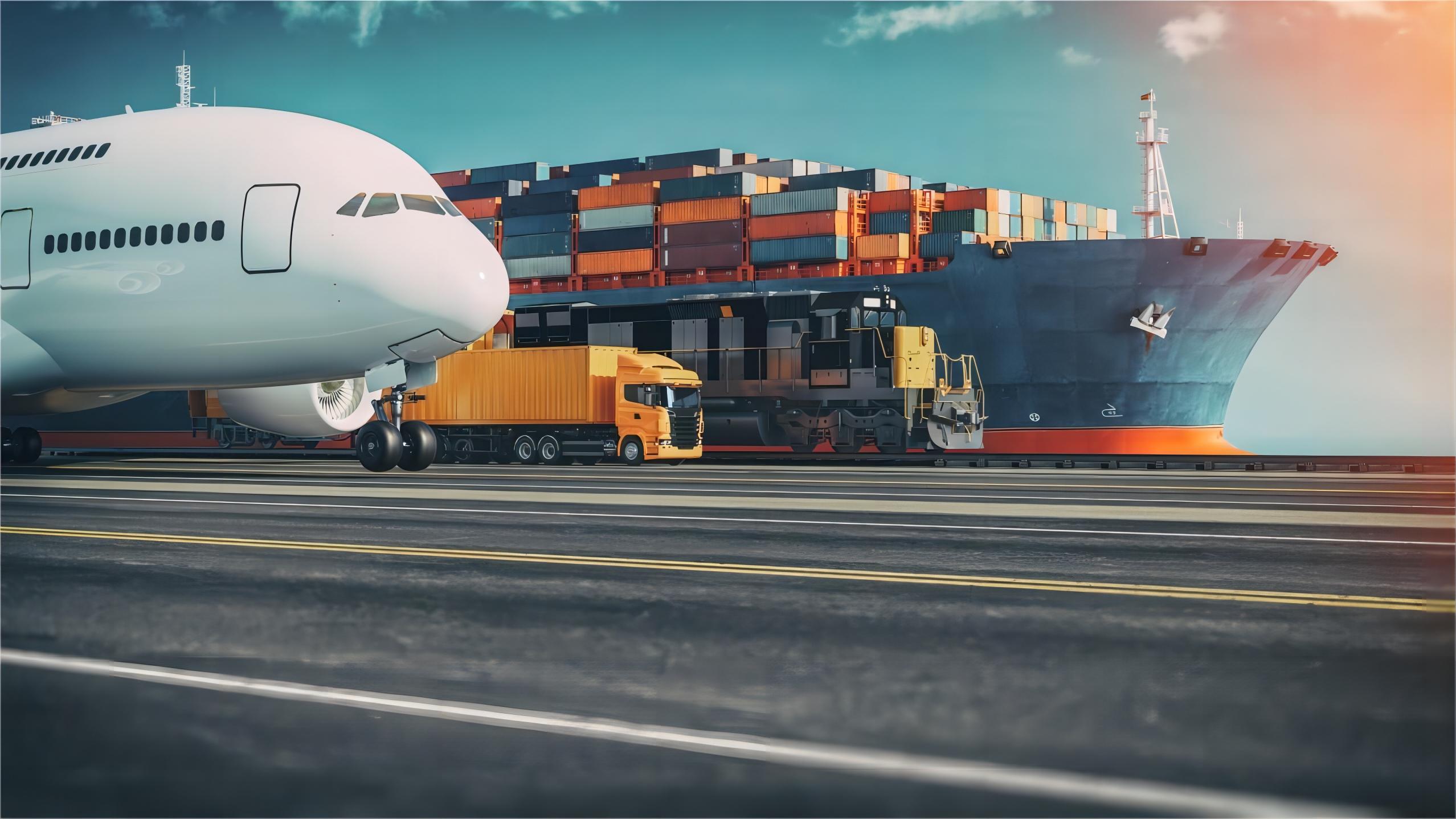
On the other hand, air freight offers the fastest transit time and naturally avoids the humidity issues of ocean travel. However, the price per kilogram is substantially higher, making it less viable for bulkier electronic assemblies. Many companies now use a hybrid approach to maintain inventory levels while waiting for ocean capacity.
In contrast, rail options from China primarily serve the European market and are not currently a direct option for New York destinations. Therefore, the primary comparison remains between different ocean configurations and air transport. Understanding these trade-offs is essential for maintaining a resilient supply chain.
| Shipping Method | Cost Range | Transit Time | Best For | Limitations |
|---|---|---|---|---|
| Reefer FCL | $4,500 – $7,000 | 30-35 Days | Bulk Electronics | Equipment Scarcity |
| Standard FCL | $3,000 – $5,000 | 30-35 Days | Robust Goods | No Temp Control |
| Air Freight | $15k – $25k+ | 5-8 Days | Urgent Chips | High Expense |
| LCL Reefer | $150 – $300/CBM | 35-40 Days | Small Batches | Handling Risks |
Strategic Solutions for the Reefer FCL Container Shortage
One effective reefer FCL container shortage solution for electronics from China to New York involves using Non-Operating Reefers (NOR). Carriers often use these refrigerated boxes to transport dry cargo back to demand centers. By booking an NOR, you gain access to the insulated container even if the cooling mechanism is not powered, providing better protection than a standard dry van.
Alternatively, shippers can explore the use of thermal blankets and desiccants within standard containers. While this does not provide active cooling, it significantly mitigates the risk of temperature spikes and moisture accumulation. This method is often more readily available and cheaper than securing a functional reefer unit during peak seasons.
Furthermore, diversifying your departure ports can reveal hidden pockets of equipment availability. While Shanghai might be congested, smaller ports in Northern or Southern China may have a surplus of refrigerated units. Flexible routing is a hallmark of a sophisticated logistics strategy.
Case Study 1: Overcoming Scarcity for Shenzhen Smartphone Components
Box Case Study 1: Precision Component Recovery
Route: Shenzhen, China to New York, USA
Cargo: Smartphone LCD modules, 25 CBM, 8500 kg
Container: 40HQ Reefer (NOR Strategy)
Shipping Details:
– Carrier: Major Ocean Carrier
– Port of Loading: Yantian Port
– Port of Discharge: Port of New York
– Route Type: Direct via Panama Canal
Cost Breakdown:
– Ocean Freight: $5,200
– Origin Charges: $450
– Destination Charges: $600
– Customs and Duties: $1,200
– Total Landed Cost: $7,450
Timeline:
– Booking to Loading: 5 days
– Sea Transit: 32 days
– Customs Clearance: 2 days
– Total Door-to-Door: 39 days
Key Insight: By utilizing a Non-Operating Reefer when active cooling was unavailable, the shipper protected the goods from external heat at a lower freight rate. This approach saved 15% compared to waiting for a functional unit.
Case Study 2: Expedited Solutions for Shanghai Robotics Exports
Box Case Study 2: High-Value Robotics Deployment
Route: Shanghai, China to New York, USA
Cargo: Industrial Robotic Arms, 12 CBM, 4000 kg
Container: 20GP Reefer (Active Cooling)
Shipping Details:
– Carrier: Premium Trans-Pacific Service
– Port of Loading: Shanghai Yangshan
– Port of Discharge: Port of Newark
– Route Type: Expedited Transit
Cost Breakdown:
– Ocean Freight: $4,800
– Origin Charges: $380
– Destination Charges: $550
– Customs and Duties: $2,500
– Total Landed Cost: $8,230
Timeline:
– Booking to Loading: 12 days
– Sea Transit: 28 days
– Customs Clearance: 3 days
– Total Door-to-Door: 43 days
Key Insight: Securing a functional reefer required a longer lead time, but the active temperature control was non-negotiable for the robotic sensors. Planning 3 weeks in advance ensured equipment availability during the Q4 peak.
Navigating Customs and Compliance for Electronics
Importing electronics into New York requires meticulous attention to regulatory standards and documentation. Utilizing a professional customs brokerage service ensures that your HTS codes are accurate and duties are calculated correctly. Mistakes in filing can lead to expensive storage fees at the terminal, further complicating your logistics budget.
Moreover, many electronic products must comply with FCC regulations or UL certifications before they can enter the US market. Customs officials frequently inspect reefer containers to ensure the cargo matches the declared specifications. Consequently, having all paperwork ready before the vessel docks is vital for a smooth transition.
Additionally, ensure that your commercial invoice clearly states the nature of the temperature-controlled requirements. This helps port authorities prioritize the handling of your container to prevent power disconnects for extended periods. Proper communication between all parties reduces the risk of thermal damage during the final mile.
| Document Type | Purpose | Required By | Timeline |
|---|---|---|---|
| Bill of Lading | Title of Goods | Carrier/Customs | At Departure |
| Commercial Invoice | Value Declaration | US Customs | Pre-Arrival |
| Packing List | Cargo Detail | Warehouse/Port | At Loading |
| FCC Form 740 | Radio Frequency | Federal Govt | Pre-Entry |
Which Option Should You Choose for Your Electronics?
Determining the best reefer FCL container shortage solution for electronics from China to New York depends on your specific business priorities. If your budget is the primary concern, an NOR or a standard container with high-grade insulation might be the most effective choice. These options circumvent the high demand for active reefer units while offering reasonable protection.
However, if you are transporting highly sensitive laboratory equipment or medical electronics, active temperature control is mandatory. In such cases, you should prioritize carriers with dedicated reefer services and book at least four weeks in advance. This ensures that the specific hardware is reserved and positioned at the loading port on time.
For urgent shipments where ocean equipment is simply unavailable, a split-shipment strategy is often the best path forward. Send a small percentage via air to meet immediate demand and the remainder via ocean once capacity opens up. This balanced approach protects your market share while managing overall logistics costs.
Optimizing the Final Mile to New York
The journey does not end when the ship arrives at the terminal. Arranging a reliable door to door service is essential for maintaining the cold chain until the goods reach the warehouse. New York’s local traffic and port congestion can add days to the delivery schedule if not managed proactively.
Consequently, working with drayage providers who specialize in reefer transport is a significant advantage. These drivers understand the importance of monitoring fuel levels for the container’s genset during transit. They ensure the cooling system remains operational during the drive from the port to your facility.
Furthermore, modern tracking technology allows you to monitor the internal temperature of your container in real-time via GPS. This transparency enables you to intervene immediately if a deviation occurs during the final leg of the trip. Data-driven logistics is the most effective way to guarantee the quality of your electronic products.
Securing Your Electronics Supply Chain
Navigating the complexities of international trade requires a proactive approach to equipment management. Finding a sustainable reefer FCL container shortage solution for electronics from China to New York is achievable through strategic planning and flexible routing. By considering alternatives like NOR units or hybrid air-sea strategies, you can maintain your delivery schedules despite market volatility.
Ultimately, the success of your logistics operation depends on the quality of your partnerships and the accuracy of your data. Stay informed about market trends and maintain open communication with your freight forwarder. Note: Freight rates are subject to change based on fuel costs, carrier capacity, and seasonal demand. Contact us for a current quote tailored to your specific shipment.
Ready to streamline your logistics?
Are you struggling to find a reefer FCL container shortage solution for electronics from China to New York? Our expert team specializes in securing difficult equipment and optimizing trans-Pacific supply chains. Contact us today for a customized quote and let us handle your sensitive cargo with professional care.
Request Quote