

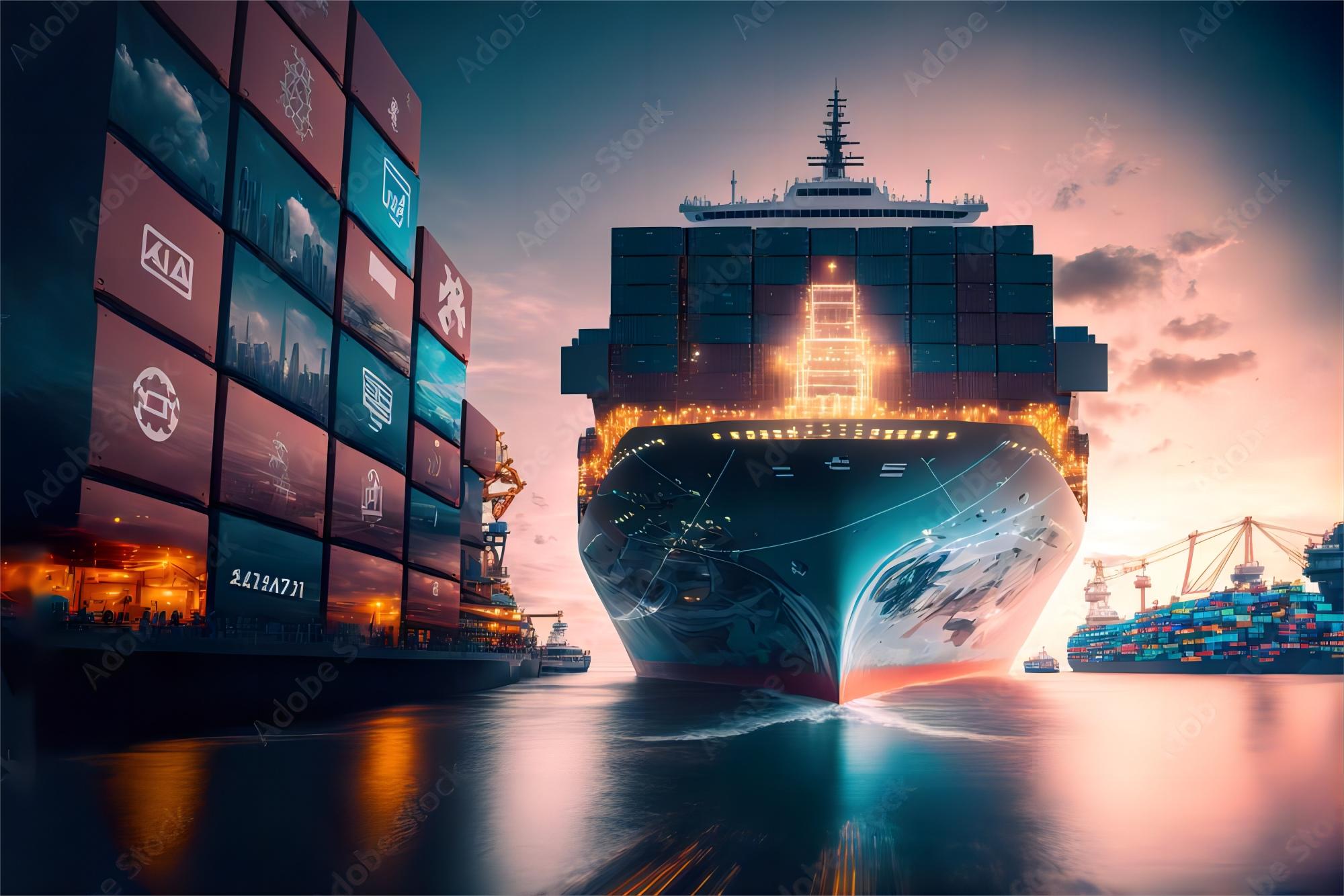
Reefer FCL demurrage prevention for machinery from China to Miami
Shipping sensitive industrial equipment requires precise coordination and timing to avoid expensive port penalties. When planning Reefer FCL demurrage prevention for machinery from China to Miami, importers must understand the complex interplay between port operations and equipment availability. Top China Freight provides the expertise needed to navigate these challenges and ensure your cargo moves efficiently through the supply chain. This guide explores technical solutions and logistical strategies to keep your machinery moving without unnecessary storage costs.
What is Reefer FCL Demurrage and Why Does it Matter?
Demurrage refers to the fee charged by shipping lines when a container remains inside the terminal beyond the permitted free time. For refrigerated containers, these costs are significantly higher than standard dry vans because of the power requirements and specialized handling involved.
Consequently, failing to move a reefer unit quickly can result in daily penalties ranging from 150 to 400 dollars per container. This financial burden quickly erodes the profit margins of machinery imports if not managed with a proactive strategy.
Moreover, reefer containers require constant monitoring of temperature and humidity levels to protect sensitive electronic components in machinery. Port terminals prioritize these units, but limited plug-in points can lead to congestion and delayed pick-ups.
Therefore, understanding the specific rules of the Port of Miami is essential for any business importing high-value equipment from Chinese manufacturing hubs like Shanghai or Shenzhen.
How Does Reefer Shipping Compare to Other Shipping Options?
Choosing the right transport mode is the first step in effective logistics management. While sea freight is the standard for heavy machinery, the choice between reefer and dry containers depends on the specific sensitivity of your equipment.
Specifically, some precision machinery requires climate control to prevent rust, condensation, or the degradation of lubricants during the long transpacific voyage. This necessity makes reefer FCL the only viable option despite the higher risk of demurrage fees.
Alternatively, air freight offers speed but comes at a prohibitive cost for heavy industrial units. For most importers, sea-based reefer shipping provides the best balance of protection and cost-effectiveness when managed correctly.
| Shipping Method | Cost Range | Transit Time | Best For | Limitations |
|---|---|---|---|---|
| Reefer FCL | $5,500 – $8,500 | 30-40 Days | Climate-sensitive machinery | High demurrage risk |
| Standard FCL | $3,500 – $5,500 | 30-40 Days | Non-sensitive equipment | No temperature control |
| Air Freight | $15,000 – $30,000 | 5-8 Days | Urgent small parts | Extremely high cost |
| LCL Shipping | $150 – $300/CBM | 35-45 Days | Small machinery units | Higher handling risk |
Strategies for Reefer FCL demurrage prevention for machinery from China to Miami
Successful prevention starts with securing extended free time at the destination port during the initial negotiation with the carrier. Most shipping lines offer 3 to 5 days of free time for reefers, but experienced forwarders can often negotiate up to 7 days.
Additionally, you should coordinate with a reliable customs brokerage firm well before the vessel arrives in Florida. Pre-filing your entry allows the Customs and Border Protection agency to review your documentation while the ship is still at sea.
Furthermore, ensure that your drayage provider in Miami has the specialized equipment, such as gensets, required to transport reefer units. If the trucker arrives without the proper power source, the container will stay at the pier, accruing daily fees.
In addition, implementing a digital tracking system helps you monitor the Exact Time of Arrival and plan the warehouse labor needed for immediate unloading.

Documentation Checklist for Miami Port Entry
Accurate paperwork is the most common barrier to fast container release. Any discrepancy in the Bill of Lading or Commercial Invoice can trigger a secondary inspection, which often lasts longer than the allotted free time.
Indeed, for machinery, you must provide detailed technical specifications and HS codes to avoid classification disputes. Miami customs officials are particularly diligent regarding the import of industrial components that may have dual-use applications.
Consequently, missing documents like the Packing List or the Certificate of Origin will lead to immediate delays. We recommend keeping a digital folder with all necessary permits accessible to all parties in the supply chain.
| Document Type | Required For | Timing | Criticality |
|---|---|---|---|
| Commercial Invoice | Value Assessment | Before Loading | High |
| Bill of Lading | Title Transfer | At Departure | High |
| Packing List | Cargo Verification | Before Loading | Medium |
| Fumigation Cert | Wood Packaging | At Loading | High |
Technical Requirements for Machinery in Reefer Units
Machinery often requires specific humidity settings rather than just cold temperatures. You must communicate these requirements clearly to the factory in China so they can set the reefer unit correctly during the stuffing process.
Moreover, the use of door to door services can simplify this process by ensuring one provider manages the technical settings from start to finish. This continuity reduces the risk of human error during transshipment points.
Without a doubt, checking the calibration of the reefer unit before it leaves the factory is a vital step. A malfunctioning unit discovered at the port of Miami will cause significant delays as technicians must be called to the terminal for repairs.
Meanwhile, ensure that the machinery is properly secured with non-corrosive bracing. Sudden shifts in the container can damage the internal sensors of the reefer unit, leading to alarms that prevent the container from being cleared for exit.
Real-World Case Studies in Miami Logistics
Analyzing past shipments provides valuable insights into the practical application of demurrage prevention. These examples highlight the importance of local knowledge and proactive communication with port authorities.
Specifically, these cases demonstrate how small adjustments in the shipping schedule can lead to thousands of dollars in savings. By learning from these scenarios, importers can better prepare for the realities of the Miami freight market.

Furthermore, these studies reflect the current market conditions in North America for the 2024-2025 period. Rates and transit times are based on actual carrier data and historical performance.
Case Study 1: CNC Machine Delivery
Route: Ningbo, China to Miami, USA. Cargo: High-precision CNC milling machines, 25 CBM, 12,000 kg. Container: 40HQ Reefer. Shipping Details: Major carrier, Direct service. Ocean Freight: $6,200. Origin Charges: $450. Destination Charges: $850. Customs: $1,200. Total Landed Cost: $8,700. Timeline: 34 days total. Key Insight: Negotiated 10 days of free time which saved $1,200 when a local warehouse strike delayed pick-up.
Case Study 2: Medical Equipment Logistics
Route: Shenzhen, China to Miami, USA. Cargo: MRI components, 18 CBM, 8,500 kg. Container: 20GP Reefer. Shipping Details: Transshipment via Panama. Ocean Freight: $5,100. Origin Charges: $380. Destination Charges: $720. Customs: $3,500. Total Landed Cost: $9,700. Timeline: 42 days total. Key Insight: Used pre-clearance to move the unit within 24 hours of vessel discharge, avoiding all demurrage.
Cost Management and Reefer FCL demurrage prevention for machinery from China to Miami
Effective cost management requires a deep dive into the tariff structures of major shipping lines. Each carrier has a different schedule for demurrage and detention, and these rates often escalate every three days.
Therefore, you must compare the total cost of the freight, not just the ocean rate. A cheaper base rate might come with much stricter demurrage terms, making it more expensive in the event of a minor delay.
In addition, consider the seasonal variations in Miami port traffic. During peak seasons, such as the run-up to the holidays, port congestion increases the likelihood of your container being buried in a stack, making prevention even more critical.
Note: Freight rates are subject to change based on fuel costs, carrier capacity, and seasonal demand. Contact us for a current quote tailored to your specific shipment.
Decision Framework: Which Option Should You Choose?
Deciding on the right logistics path involves weighing speed against cost and risk. If your machinery is extremely time-sensitive, you may need to prioritize carriers with the fastest transit times and the best terminal priority in Miami.
However, if your primary goal is budget control, focusing on Reefer FCL demurrage prevention for machinery from China to Miami through extended free time is the superior strategy. This approach provides a safety net for unpredictable delays.
Additionally, evaluate the technical needs of the cargo. If the machinery only needs protection from extreme heat rather than precise temperature control, a ventilated dry container might be a cheaper alternative with lower demurrage risks.
Ultimately, the choice should be guided by a thorough risk assessment of your specific supply chain and the reliability of your chosen partners.
Mastering Your Machinery Imports
Achieving consistent Reefer FCL demurrage prevention for machinery from China to Miami requires a combination of early planning, accurate documentation, and strong local partnerships. By understanding the specific challenges of the Miami port and the technical needs of reefer containers, you can protect your investment and maintain your delivery schedules.
Indeed, the complexity of modern shipping demands a proactive stance. Whether you are importing a single unit or managing a continuous supply chain, the strategies outlined in this guide provide a roadmap for success. Focus on the details today to avoid the costs of tomorrow.

Ready to streamline your logistics?
Streamline your logistics today by partnering with experts in Reefer FCL demurrage prevention for machinery from China to Miami. Our team ensures your high-value equipment arrives safely and on time without the sting of unexpected port fees. Send Inquiry
Request Quote