


Open Top FCL Space Availability for Hardware Tools from China to Norway
Open Top FCL space availability for hardware tools from China to Norway remains a top priority for importers dealing with oversized or heavy equipment. Navigating the complexities of international logistics requires a partner who understands the nuances of specialized equipment and the current maritime market. By choosing Top China Freight, businesses can secure reliable shipping solutions tailored to the specific demands of the hardware and tool industry.
What are the Benefits of Using Open Top FCL for Hardware Tools?
Selecting the right container type is essential for protecting valuable hardware tools during the long journey from China to Scandinavia. Open top containers provide the necessary flexibility for cargo that exceeds the height of standard units or requires top-loading by cranes. Consequently, this method is ideal for heavy machinery, industrial drill presses, and large-scale hardware components that cannot be easily maneuvered through standard container doors.
Moreover, utilizing sea freight with open top equipment ensures that your hardware remains secure while offering cost-effective transit. These containers are equipped with removable tarpaulins, which protect the cargo from environmental factors while allowing for rapid loading and unloading at the port. Therefore, importers can significantly reduce the risk of damage during the handling process at busy Chinese terminals.
Many businesses prefer this method because it simplifies the logistics of odd-sized shipments. Furthermore, open top FCL options offer better stability for heavy tools compared to smaller LCL shipments. Accordingly, this approach minimizes the shifting of goods during ocean transit, ensuring that your hardware arrives in Norway in pristine condition.
How Does Open Top FCL Compare to Other Shipping Options?
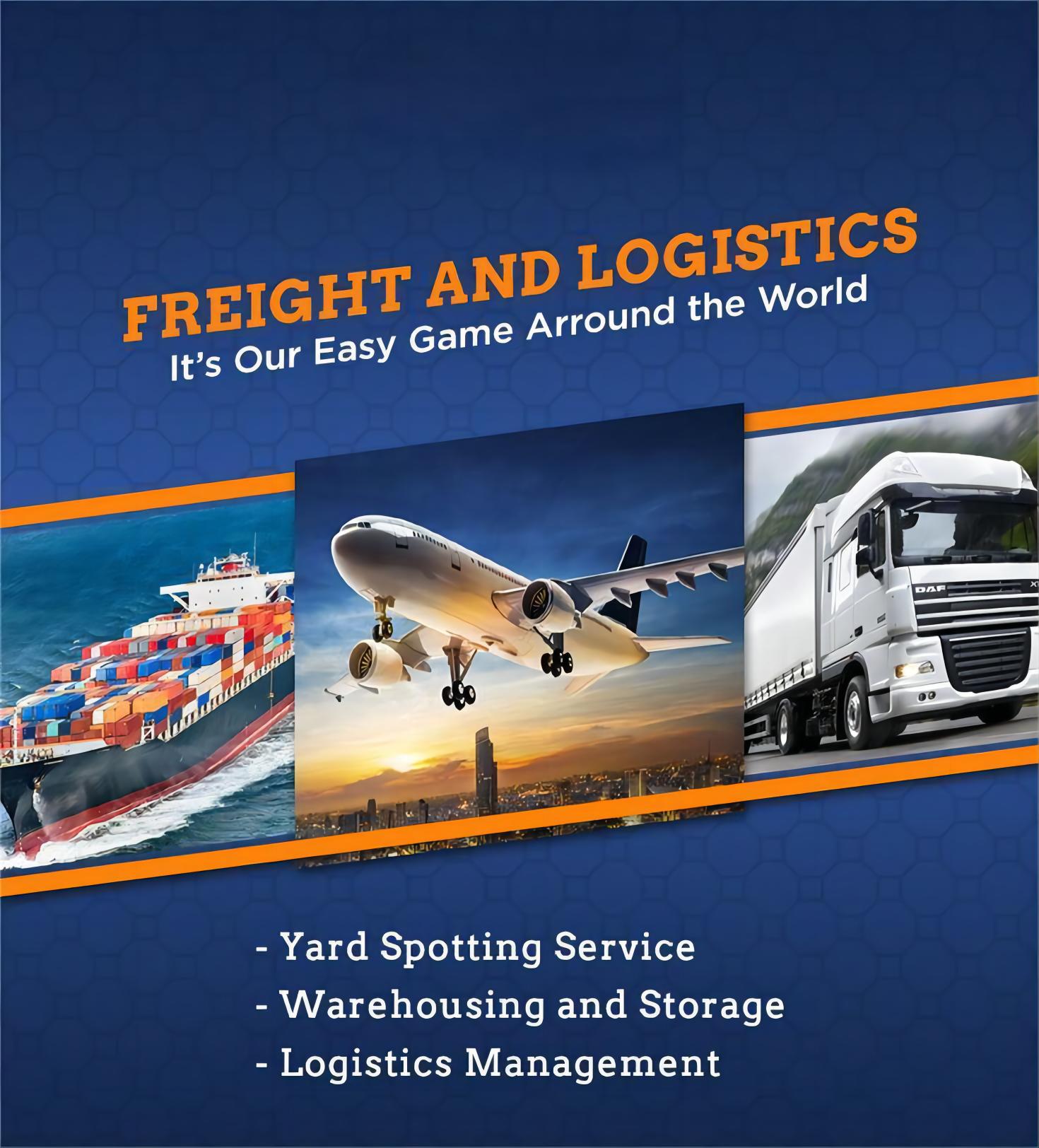
Understanding the differences between shipping methods is crucial for optimizing your supply chain and managing costs effectively. While open top FCL is the standard for oversized hardware, other options like air or rail freight might be suitable depending on your timeline. Shipping to Europe involves choosing between speed, capacity, and budget constraints.
For example, sea freight is significantly more affordable for large volumes, although it takes longer to reach Norwegian ports. In contrast, air freight offers unmatched speed but comes at a premium price that often exceeds the value of heavy hardware tools. Meanwhile, rail freight provides a middle ground in terms of both cost and transit time, though it has limitations regarding the size of open-top equipment available on certain routes.
As a result, most hardware importers stick to maritime solutions for their bulk needs. Without a doubt, the choice depends on the specific dimensions of your tools and the urgency of the delivery. For instance, a 40HQ open top container provides the maximum volume for large-scale industrial projects.
| Shipping Method | Cost Range | Transit Time | Best For |
|---|---|---|---|
| Sea Freight (OT) | $2,500 – $4,800 | 35-45 Days | Oversized Tools |
| Air Freight | $12,000 – $22,000 | 5-9 Days | Urgent Spare Parts |
| Rail Freight | $4,500 – $7,500 | 22-30 Days | Mid-size Hardware |
| Express Service | $15,000+ | 3-5 Days | Small Tool Samples |
Which Option Should You Choose for Hardware Tools?
Budget priority usually dictates a move toward sea freight, especially when dealing with the heavy weights associated with hardware tools. If your project has a strict deadline, however, you might consider a hybrid sea-air solution to balance costs. Additionally, the volume of your shipment plays a major role in determining whether a 20GP or 40HQ open top container is the most efficient choice.
Cargo type considerations are equally important when selecting your shipping strategy. For extremely tall hardware, only an open top container can provide the necessary clearance without requiring expensive dismantling. Consequently, if your tools fit within standard dimensions, a regular dry container would be a more economical alternative. To summarize, evaluate your cargo’s physical profile before committing to a specific container type.
Volume thresholds often determine the switch between LCL and FCL. For hardware shipments exceeding 15 cubic meters, FCL is almost always the more cost-effective and secure route. Indeed, having a dedicated container reduces the risk of contamination or damage from other shippers’ goods.

Current Market Trends for China to Norway Shipping in 2025
Market data suggests that freight rates from China to Europe have stabilized in early 2025 after previous years of volatility. Nevertheless, Open Top FCL space availability for hardware tools from China to Norway can still be tight during peak seasons. Specifically, the months leading up to the end of the year often see a surge in demand for construction and industrial tools.
Typical rates as of early 2025 for a 40HQ open top container range between $3,500 and $4,500, depending on the departure port. Moreover, fuel surcharges and carrier capacity adjustments can influence these prices on a weekly basis. Therefore, it is highly recommended to book your space at least 3-4 weeks in advance to secure the best possible rates.
According to industry benchmarks, the transit time to Norway is also affected by port congestion in major hubs like Rotterdam or Hamburg. As a result, direct routes are becoming more popular among Norwegian importers looking to avoid transshipment delays. Additionally, many carriers are introducing more eco-friendly vessels, which may impact future pricing structures.
| Departure Port | Arrival Port | Transit Days | Space Availability |
|---|---|---|---|
| Shanghai | Oslo | 38-42 Days | Moderate |
| Ningbo | Bergen | 40-45 Days | Limited |
| Shenzhen | Stavanger | 35-40 Days | High |
| Qingdao | Oslo | 42-48 Days | Moderate |
Real Case Studies: Shipping Hardware Tools to Norway
Case Study 1: Large Scale Industrial Drills. Route: Shanghai, China to Oslo, Norway. Cargo: CNC Drilling Equipment, 28 CBM, 12,500 kg. Container: 40HQ Open Top. Shipping Details: Direct service via major carrier. Port of Loading: Shanghai. Port of Discharge: Oslo. Cost Breakdown: Ocean Freight: $4,200. Origin Charges: $450. Destination Charges: $600. Customs and Duties: $1,200. Total Landed Cost: $6,450. Timeline: Booking to Loading: 5 days. Sea Transit: 38 days. Customs Clearance: 2 days. Total Door-to-Door: 45 days. Key Insight: Early booking secured space during the Q3 peak season.
Case Study 2: Precision Hardware Press. Route: Ningbo, China to Bergen, Norway. Cargo: Hydraulic Press Tools, 14 CBM, 8,000 kg. Container: 20GP Open Top. Shipping Details: Transshipment via Hamburg. Port of Loading: Ningbo. Port of Discharge: Bergen. Cost Breakdown: Ocean Freight: $2,800. Origin Charges: $350. Destination Charges: $550. Customs and Duties: $900. Total Landed Cost: $4,600. Timeline: Booking to Loading: 7 days. Sea Transit: 42 days. Customs Clearance: 3 days. Total Door-to-Door: 52 days. Key Insight: Transshipment was necessary but added 7 days to the total transit time.
Case Study 3: Construction Tool Sets. Route: Shenzhen, China to Stavanger, Norway. Cargo: Assorted Heavy Hardware, 32 CBM, 15,000 kg. Container: 40HQ Open Top. Shipping Details: Door to door service. Port of Loading: Shenzhen. Port of Discharge: Stavanger. Cost Breakdown: Ocean Freight: $4,500. Origin Charges: $500. Destination Charges: $700. Customs and Duties: $1,500. Total Landed Cost: $7,200. Timeline: Booking to Loading: 4 days. Sea Transit: 36 days. Customs Clearance: 2 days. Total Door-to-Door: 42 days. Key Insight: Utilizing a door-to-door service reduced the administrative burden on the importer.
Navigating Customs and Documentation for Norway
Importing hardware tools into Norway requires a thorough understanding of local regulations and tax requirements. Working with a professional customs brokerage is often the best way to ensure compliance and avoid costly delays at the border. Furthermore, Norway’s status outside the EU but within the EEA means specific documentation like the Movement Certificate EUR.1 may be relevant.
Specifically, you must provide a detailed commercial invoice and a comprehensive packing list for every shipment. These documents allow Norwegian customs officials to accurately assess duties and VAT, which is currently 25% for most hardware items. Consequently, any discrepancies in your paperwork can lead to inspections that delay your tools for several days.
Indeed, having the Bill of Lading ready before the vessel arrives is a critical step in the logistics process. Moreover, certain industrial tools may require safety certifications or technical data sheets to prove they meet Norwegian standards. Accordingly, preparing these documents in advance ensures a smooth transition from the port to your warehouse.
| Document Name | Required By | Key Information | Priority |
|---|---|---|---|
| Bill of Lading | Carrier/Customs | Ownership details | Critical |
| Commercial Invoice | Customs | Value of goods | Critical |
| Packing List | Port/Customs | Itemized contents | High |
| Certificate of Origin | Customs | Manufacturing source | Medium |
Factors Influencing Open Top Container Availability
Availability of specialized equipment like open top containers is heavily influenced by the global trade balance. Since these units are often used for one-way trips with heavy machinery, carriers must manage the repositioning of empty containers back to China. Therefore, you may find that space is more abundant in major ports like Shanghai than in smaller regional terminals.
Seasonality also plays a significant role in equipment shortages. For example, during the Chinese New Year period, manufacturing halts, but the rush to ship before the holiday can exhaust the supply of open top containers. Meanwhile, the autumn peak season for the construction industry in Norway creates a simultaneous spike in demand. Consequently, proactive planning is the only way to guarantee space.
Lastly, the physical condition of the container is vital for hardware tools. Because open top units use tarpaulins, they are more susceptible to wear than standard steel roofs. Always request a container inspection to ensure the cover is intact and the lashing points are secure. Nevertheless, a reputable freight forwarder will handle these checks on your behalf.
Final Thoughts on Shipping Hardware Tools to Norway
In conclusion, managing Open Top FCL space availability for hardware tools from China to Norway requires a strategic approach to container selection and timing. By understanding the benefits of specialized equipment and staying informed about market trends, importers can maintain a competitive edge. Furthermore, leveraging the expertise of a seasoned freight forwarder ensures that customs and documentation are handled with precision.
Whether you are shipping heavy industrial presses or a full suite of construction tools, the right logistics plan will minimize costs and maximize efficiency. Remember to book early, prepare your documentation thoroughly, and choose the shipping method that best aligns with your business goals. With the right partner, your hardware tools will arrive in Norway ready for your next big project.

Ready to streamline your logistics?
Securing Open Top FCL space availability for hardware tools from China to Norway does not have to be a challenge. Our team provides expert guidance and competitive rates to ensure your cargo reaches its destination safely and on time. Contact us today for a personalized quote and let us streamline your international logistics. Visit our website to learn more or send an inquiry to get started.
Request Quote