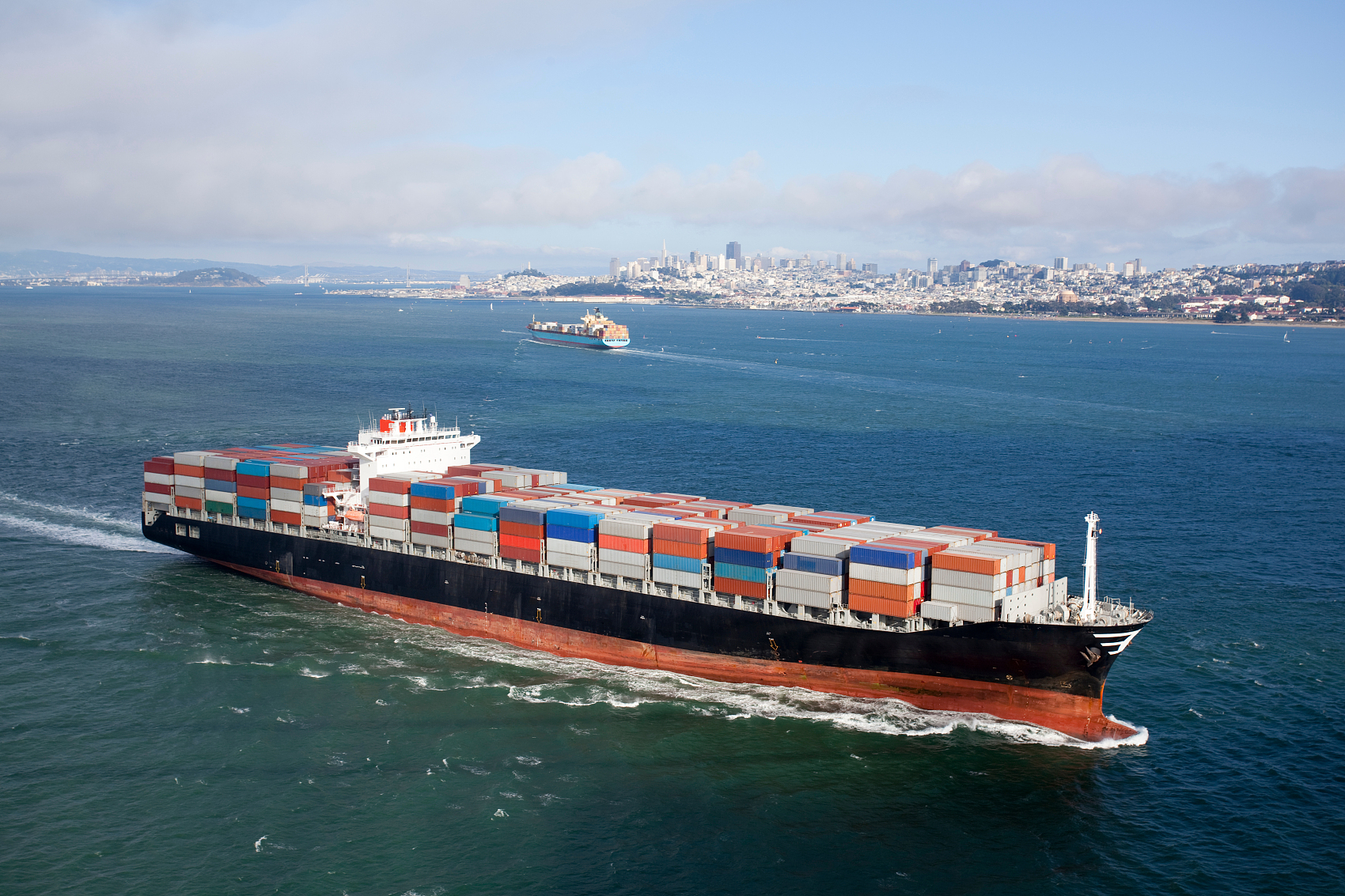
Reefer FCL Space Availability for Solar Panels from China to Portugal
Securing reliable Reefer FCL space availability for solar panels from China to Portugal has become a critical priority for renewable energy developers seeking to protect sensitive photovoltaic components from extreme thermal fluctuations. At Top China Freight, we understand that maintaining the structural integrity of high-efficiency modules requires more than just standard logistics. Consequently, our team focuses on providing specialized temperature-controlled solutions that mitigate the risks of micro-cracking and delamination during the long maritime journey from East Asia to the Iberian Peninsula. Therefore, importers must stay informed about current market capacity and equipment availability to ensure their project timelines remain on track.

Current Reefer FCL Space Availability for Solar Panels from China to Portugal
Market conditions in early 2025 indicate that while general cargo capacity has stabilized, specialized equipment like reefer containers remains subject to seasonal fluctuations. Specifically, the demand for refrigerated units often spikes during the peak agricultural export seasons in Asia, which can tighten the supply for non-perishable goods like solar panels. However, many forward-thinking importers now utilize sea freight reefer options to provide a stable environment for premium bifacial modules.
Moreover, the route from major Chinese hubs like Shanghai and Ningbo to Portuguese ports such as Lisbon and Leixoes is currently seeing a steady flow of traffic. Nevertheless, booking your space at least three to four weeks in advance is highly recommended to avoid equipment shortages at the terminal. Additionally, carriers are prioritizing shippers who provide accurate forecasting of their monthly volume requirements.
Furthermore, global logistics trends suggest that the availability of 40HQ reefer units is more consistent than the smaller 20GP variants on the China-Europe lane. Consequently, optimizing your pallet layout for a larger container can often result in better space guarantees from major shipping lines. Indeed, working with an experienced partner ensures you receive real-time updates on vessel schedules and equipment positioning.
Why Choose Temperature Controlled Shipping for Photovoltaic Modules?
Although solar panels are designed to withstand outdoor conditions, the extreme heat found in the hold of a cargo ship or under direct sunlight on a deck can exceed 65 degrees Celsius. Such intense heat, combined with high humidity during the transit through the Suez Canal and the Mediterranean, may affect the specialized adhesives used in module assembly. Therefore, utilizing reefer containers allows for a controlled environment, typically set between 15 and 25 degrees Celsius, to maintain the product’s factory-fresh condition.
In addition, the use of reefer FCL space ensures that your cargo is not subject to the rapid temperature shifts that occur between day and night in maritime environments. This stability significantly reduces the risk of moisture condensation inside the packaging, which could otherwise lead to terminal corrosion or mold on wooden pallets. Subsequently, the investment in premium shipping often pays for itself by reducing the rate of insurance claims and project delays upon arrival.
Accordingly, high-end solar projects in Portugal often specify temperature-controlled transport in their procurement contracts to satisfy warranty requirements from manufacturers. Meanwhile, logistics providers have developed specific protocols for handling these sensitive shipments, ensuring that power supply to the reefer units remains uninterrupted throughout the entire journey.
How Does Reefer FCL Compare to Other Shipping Options?
When evaluating your logistics strategy, it is essential to compare the benefits of Reefer FCL against standard dry containers or alternative transport modes. While standard FCL is the most common choice due to lower costs, it lacks the thermal protection necessary for ultra-sensitive electronics. In contrast, shipping from China to Europe via reefer provides a unique middle ground between standard sea freight and expensive air transport.
Furthermore, the transit time for reefer units is identical to standard containers, but they often receive priority handling at the port due to their need for power connections. This can lead to slightly faster discharge times at Portuguese terminals. However, the cost is typically 20 percent to 40 percent higher than a standard dry box, depending on the current fuel surcharges and equipment surcharges.
To help you decide, consider the following comparison table which outlines the primary differences between the most common shipping methods for this route.
| Shipping Method | Cost Range | Transit Time | Best For |
|---|---|---|---|
| Reefer FCL | $3,800 – $5,200 | 30-38 Days | Premium/Sensitive Modules |
| Standard FCL | $2,800 – $3,800 | 30-38 Days | Bulk Standard Panels |
| Rail Freight | $4,500 – $6,000 | 18-24 Days | Mid-range Speed Needs |
| Air Freight | $12,000+ | 5-8 Days | Urgent Prototypes |

Key Factors Influencing Reefer Freight Rates in 2025
Several variables determine the final price you pay for Reefer FCL space availability for solar panels from China to Portugal. Firstly, the Bunker Adjustment Factor (BAF) fluctuates based on global oil prices, which directly impacts the cost of running the refrigeration units. Secondly, seasonal demand for fresh produce from China can significantly reduce the available stock of reefer containers for other industries.
Moreover, port congestion in major transshipment hubs like Singapore or Algeciras can lead to additional surcharges or delays. Consequently, importers should monitor the World Container Index and other market benchmarks to time their purchases effectively. For instance, rates often rise during the weeks leading up to the Chinese New Year as factories rush to clear their inventory.
Indeed, the complexity of the Portuguese customs environment also plays a role in the total landed cost. Therefore, engaging a professional for customs brokerage is essential to ensure that all duties and VAT are calculated correctly. Note: Freight rates are subject to change based on fuel costs, carrier capacity, and seasonal demand. Contact us for a current quote tailored to your specific shipment.
Real-World Case Studies: Solar Logistics Success
Examining real-world examples provides valuable insight into the practicalities of managing Reefer FCL space availability for solar panels from China to Portugal. These cases highlight the importance of planning and the impact of choosing the right shipping method for specific project needs.
Below are two detailed scenarios based on actual shipments handled during the 2024-2025 period.
Case Study 1: High-Efficiency Module Protection
Case Study 01: Premium Solar Array for Alentejo Region
Route: Shenzhen, China to Lisbon, Portugal
Cargo: 420 High-Efficiency Bifacial Modules, 52 CBM
Container: 40HQ Reefer (Set at 20 degrees Celsius)
Shipping Details:
– Carrier: Major Global Carrier
– Port of Loading: Shenzhen (Yantian)
– Port of Discharge: Lisbon
– Route Type: Direct via Suez Canal
Cost Breakdown:
– Ocean Freight: $4,450
– Origin Charges: $450
– Destination Charges: $550
– Total Landed Cost: $5,450 (Excluding Duties)
Timeline:
– Booking to Loading: 10 days
– Sea Transit: 34 days
– Customs Clearance: 2 days
– Total Door-to-Door: 46 days
Key Insight: The use of a reefer container prevented any thermal stress during a heatwave in the Red Sea, ensuring 100 percent module efficiency upon arrival.
Case Study 2: Urgent Utility-Scale Replacement
Case Study 02: Emergency Spare Parts for Porto Solar Park
Route: Ningbo, China to Leixoes, Portugal
Cargo: Solar Inverters and Sensitive Modules, 28 CBM
Container: 20GP Reefer
Shipping Details:
– Carrier: European Line
– Port of Loading: Ningbo-Zhoushan
– Port of Discharge: Leixoes
– Route Type: Transshipment via Rotterdam
Cost Breakdown:
– Ocean Freight: $3,900
– Origin Charges: $380
– Destination Charges: $420
– Total Landed Cost: $4,700
Timeline:
– Booking to Loading: 7 days
– Sea Transit: 39 days
– Customs Clearance: 3 days
– Total Door-to-Door: 49 days
Key Insight: Despite the transshipment, the reefer unit maintained a consistent temperature, protecting the sensitive power electronics from humidity damage.
Which Shipping Option Should You Choose?
Choosing the right method depends largely on your budget, the sensitivity of your technology, and your project deadline. If you are importing standard monocrystalline panels for a residential project, standard FCL is likely the most cost-effective choice. However, for utility-scale projects using N-type or HJT modules, the added protection of Reefer FCL is often a requirement from the project lenders.
Specifically, you should prioritize Reefer FCL if your shipping route passes through tropical zones during the peak of summer. On the other hand, if speed is your primary concern, rail freight offers a faster transit to Europe, though it may not always offer full temperature control for the entire journey. Therefore, a door to door service that includes specialized handling is often the safest bet.
To summarize, follow these general criteria: Choose Reefer FCL for high-value modules and summer transits. Choose Standard FCL for budget-conscious bulk orders. Choose Rail for urgent mid-sized shipments needing a balance of speed and cost.
Essential Documentation for Portugal Customs
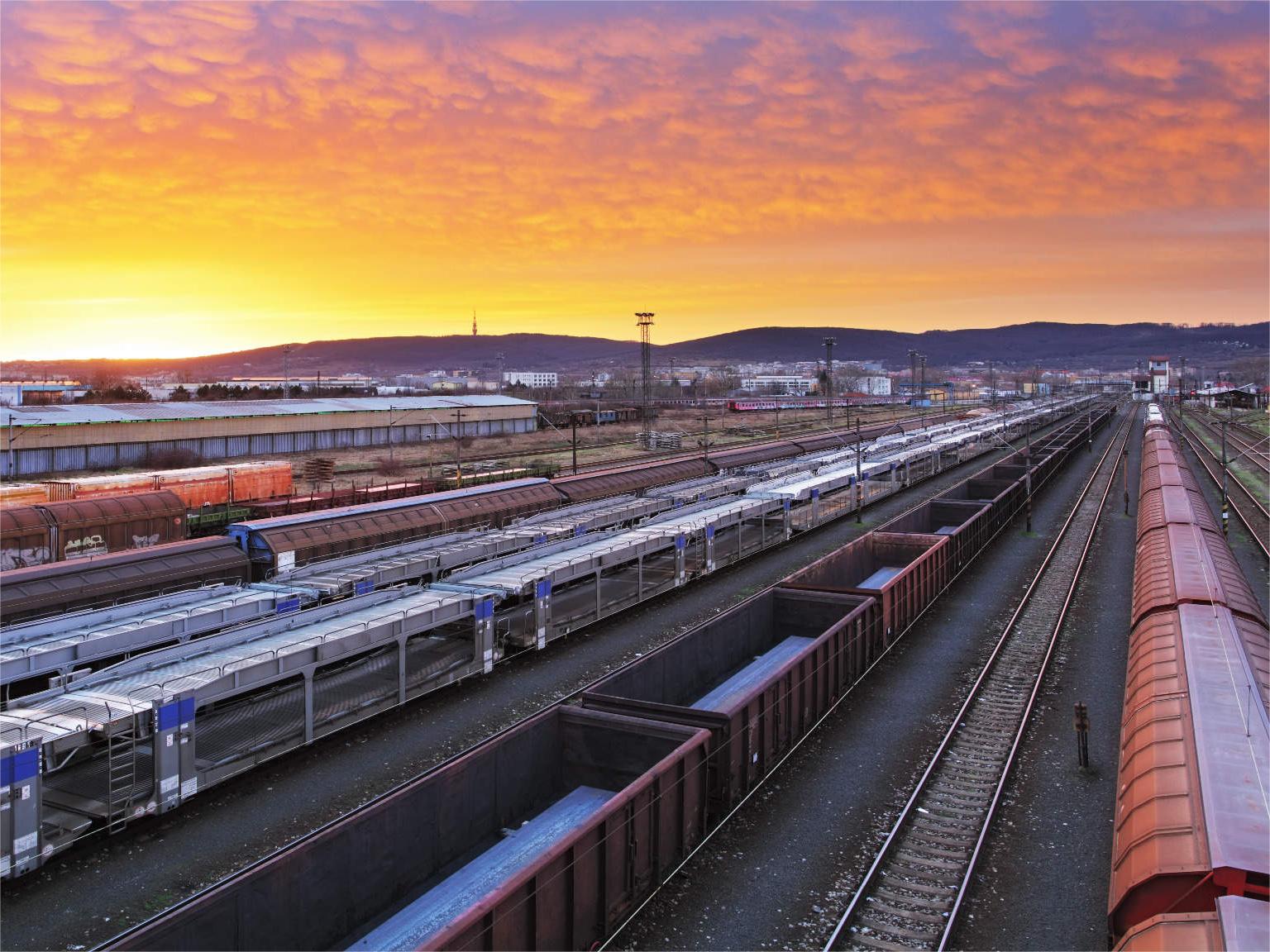
Navigating the import process in Portugal requires meticulous attention to detail regarding documentation. As an EU member state, Portugal enforces strict regulations on the import of solar products, including anti-dumping duties if applicable. Consequently, ensuring your paperwork is in order before the vessel arrives is vital for avoiding costly demurrage charges.
Moreover, for reefer shipments, you must provide the carrier with a clear ‘Reefer Manifest’ that specifies the required temperature and ventilation settings. Additionally, the standard set of documents includes the Bill of Lading, Commercial Invoice, Packing List, and Certificate of Origin. In many cases, a CE Declaration of Conformity is also required to prove the panels meet European safety standards.
Furthermore, working with a local expert who understands the specific requirements of the Port of Lisbon or Leixoes can save you days of delay. Indeed, many importers find that pre-clearing their cargo while it is still at sea is the most efficient way to manage their supply chain.
| Document Name | Purpose | Required By | Timing |
|---|---|---|---|
| Bill of Lading | Title of Goods | Customs/Carrier | At Loading |
| Commercial Invoice | Tax Valuation | Tax Authorities | At Booking |
| Reefer Settings | Temp Control | Ship Crew | At Loading |
| CE Certificate | Safety Compliance | EU Regulators | Pre-shipment |
Final Thoughts on Solar Logistics to Portugal
Successfully managing Reefer FCL space availability for solar panels from China to Portugal requires a blend of market intelligence, early planning, and specialized equipment knowledge. While the logistics landscape continues to evolve, the demand for high-quality, temperature-controlled shipping remains a constant for those who value product longevity and performance. By choosing the right partners and understanding the cost-benefit ratio of reefer transport, you can safeguard your investment against the unpredictable elements of global trade.
Additionally, remember that the lowest price is rarely the best value when dealing with sensitive photovoltaic technology. Consequently, investing in the right container type and a reliable freight forwarder will ensure your solar project in Portugal starts on the right foot. We encourage you to monitor capacity trends and book early to secure the best possible rates for your upcoming shipments.
Ready to streamline your logistics?
Ready to secure your Reefer FCL space availability for solar panels from China to Portugal? Our logistics experts are standing by to provide you with a customized quote and equipment guarantee. Contact Top China Freight today to ensure your renewable energy cargo arrives in perfect condition. Send Inquiry to get started.
Request Quote