

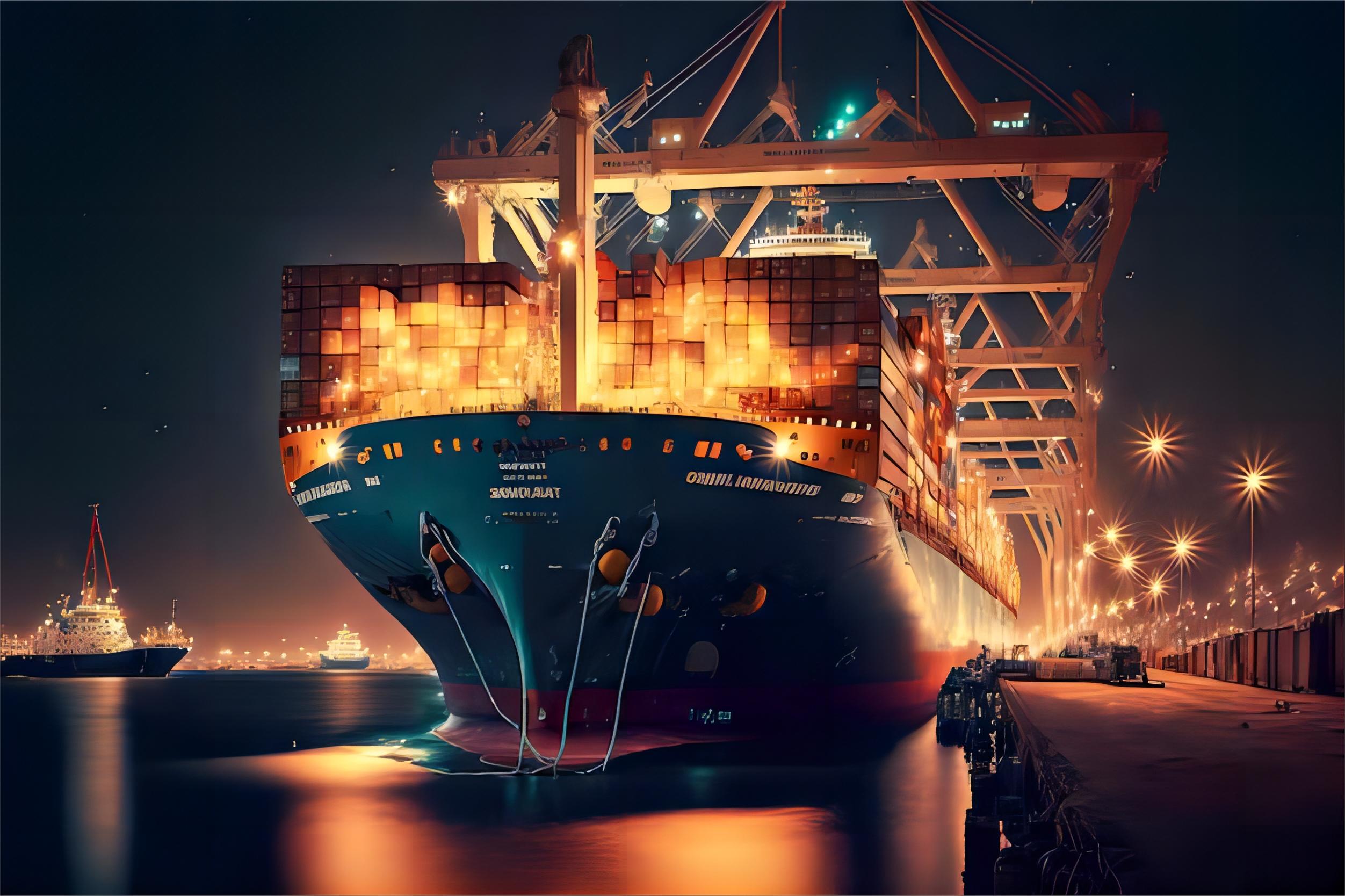
Reefer FCL Best Route for Electronics from China to Netherlands
Securing the reefer FCL best route for electronics from China to Netherlands is a top priority for manufacturers aiming to protect sensitive components from thermal stress. Visit Top China Freight to explore tailored logistics solutions for your high-value cargo. While standard dry containers suffice for many goods, electronics often require the stable environment provided by refrigerated units. This guide explores the most efficient shipping lanes, cost-saving strategies, and compliance requirements for the 2025 market.
Why Temperature Control Matters for Electronic Shipments
Modern electronics consist of intricate circuits and batteries that are highly sensitive to extreme temperature fluctuations. Consequently, using a reefer container ensures that the internal environment remains consistent regardless of external weather conditions. This is particularly important when crossing multiple climate zones between East Asia and Northern Europe. Without precise climate control, condensation can form inside the packaging, leading to irreversible hardware damage.
Moreover, high-end consumer electronics often contain lithium-ion batteries that must stay within specific temperature ranges to prevent safety hazards. Therefore, a refrigerated container acts as a safeguard against thermal runaway during long transit periods. Shippers who prioritize cargo integrity find that the slightly higher cost of reefer units is a worthwhile investment. It significantly reduces the risk of insurance claims and product returns upon arrival in Europe.
Additionally, the reefer FCL best route for electronics from China to Netherlands minimizes the duration of exposure to harsh maritime environments. By choosing direct sailings, logistics managers can maintain a tighter grip on the supply chain. This proactive approach ensures that the cargo arrives in retail-ready condition. Indeed, maintaining quality at every step is the hallmark of a successful international trade operation.
Identifying the Reefer FCL Best Route for Electronics from China to Netherlands
The primary maritime corridor for this route typically begins at major Chinese hubs like Shenzhen, Shanghai, or Ningbo and concludes at the Port of Rotterdam. However, the specific choice of port depends on the origin of the manufacturing facility. For instance, electronics produced in the Pearl River Delta are best served by the Port of Shenzhen. This proximity reduces inland drayage costs and speeds up the initial loading process.
Transit times for sea freight generally range between 30 and 35 days for direct services. Meanwhile, transshipment routes via Singapore or Colombo might offer lower rates but increase the risk of delays. For electronics, the direct route is almost always preferred to minimize cargo handling. Fewer touchpoints mean a lower probability of temperature deviations or physical impact damage.
Furthermore, the Port of Rotterdam serves as the gateway to the entire European hinterland. Its advanced infrastructure allows for rapid unloading of reefer containers and immediate connection to temperature-controlled trucking. Consequently, the total door-to-door time is optimized for efficiency. Choosing a carrier with a dedicated reefer fleet ensures that your equipment is monitored 24/7 throughout the journey.
How Does Reefer FCL Compare to Other Shipping Options?
When evaluating the reefer FCL best route for electronics from China to Netherlands, it is essential to consider alternative modes. While air freight is faster, the costs are often prohibitive for large-scale distribution. On the other hand, rail freight provides a middle ground in terms of both speed and pricing. However, maintaining temperature control on a train crossing Siberia presents unique challenges compared to a sea vessel.
Standard dry containers are the cheapest option but offer zero protection against heat and humidity. For low-value components, this might be acceptable, but for finished electronics, the risk is often too high. In contrast, reefer FCL provides a sealed, climate-controlled environment that is unmatched by other sea-based options. Shippers must weigh the cost of the freight against the potential loss of high-value inventory.
To summarize, the choice depends on your specific budget and timeline requirements. Most high-volume electronics importers favor sea freight due to its balance of capacity and cost. Nevertheless, having a contingency plan involving other modes is a wise strategy in today volatile logistics market.
| Shipping Method | Cost Range | Transit Time | Best For | Limitations |
|---|---|---|---|---|
| Reefer Sea FCL | $3,500 – $5,000 | 30-35 Days | High-value electronics | Higher cost than dry FCL |
| Dry Sea FCL | $2,500 – $3,800 | 30-35 Days | Non-sensitive parts | No climate control |
| Rail Freight | $4,000 – $6,000 | 18-22 Days | Urgent inventory | Limited reefer availability |
| Air Freight | $15,000+ | 5-7 Days | Prototypes / Samples | Extremely expensive |

Cost Factors and Market Rates for 2025
Freight rates for the reefer FCL best route for electronics from China to Netherlands are influenced by several variables. These include seasonal demand, fuel surcharges, and container availability at the port of origin. As of early 2025, rates have stabilized but remain subject to fluctuations based on global economic trends. Shippers should expect to pay a premium for reefer equipment compared to standard 40HQ containers.
Additionally, origin charges such as terminal handling and documentation fees must be factored into the total landed cost. Proper customs brokerage services are also vital to avoid expensive storage fees at the destination. Delays in customs can lead to demurrage charges that quickly erode profit margins. Therefore, accurate paperwork is just as important as the physical shipping route.
Market data suggests that booking at least 3-4 weeks in advance is necessary to secure the best rates. During peak seasons, such as the lead-up to the Golden Week or Christmas, capacity tightens significantly. Consequently, prices may rise by 20 percent or more during these periods. Importers who maintain long-term relationships with freight forwarders often enjoy more stable pricing and guaranteed space.
| Container Type | Shenzhen to Rotterdam | Shanghai to Rotterdam | Ningbo to Rotterdam |
|---|---|---|---|
| 20GP Reefer | $2,800 – $3,500 | $2,900 – $3,600 | $2,850 – $3,550 |
| 40HQ Reefer | $4,200 – $5,200 | $4,300 – $5,400 | $4,250 – $5,300 |
| 40GP Dry | $3,000 – $3,800 | $3,100 – $3,900 | $3,050 – $3,850 |
Case Study 1: High-Value Servers from Shanghai
A technology company needed to transport 500 high-end servers from Shanghai to a data center in Amsterdam. Because the servers were sensitive to humidity, they opted for the reefer FCL best route for electronics from China to Netherlands. This ensured that the delicate components remained in a dry, cool environment throughout the month-long voyage.
The shipment utilized a 40HQ reefer container with a set temperature of 18 degrees Celsius. By using a direct sea service, they avoided the risks associated with multiple transshipments. As a result, the cargo arrived with zero defects, allowing the data center to meet its launch deadline. The total cost was approximately 15 percent higher than dry freight, but the security provided was invaluable.
Shipment Details
Case Study 2: Consumer Electronics from Shenzhen
A large retailer imported a bulk shipment of tablets and smartphones from Shenzhen. They required door to door service to streamline their supply chain operations. Given the high value and battery sensitivity, the reefer FCL best route for electronics from China to Netherlands was selected to mitigate risk. This allowed for seamless transition from the factory to the Dutch warehouse.
Despite a minor delay at the Suez Canal, the temperature-controlled environment kept the devices safe. The shipment arrived at the Rotterdam port and cleared customs within 48 hours. Consequently, the retailer was able to distribute the products to stores across the Netherlands on schedule. This case highlights the importance of choosing a reliable logistics partner for complex international shipments.
Shipment Details
Customs and Compliance for Electronics Imports
Navigating the regulatory landscape is a critical component of the reefer FCL best route for electronics from China to Netherlands. Importers must ensure that all products comply with EU safety standards, such as CE marking and RoHS directives. Failure to provide the correct documentation can lead to shipments being seized or returned to the origin. Therefore, working with an experienced customs agent is highly recommended.
In addition to safety standards, accurate HS code classification is necessary for determining the correct import duties and VAT. Electronics often fall under complex tariff headings that require technical knowledge to navigate. Furthermore, shipments containing lithium batteries must adhere to strict dangerous goods regulations. Proper labeling and packaging are mandatory to ensure the safety of the vessel and its crew.
To summarize, a successful shipment involves more than just selecting a fast route. It requires a comprehensive understanding of international trade laws and local Dutch regulations. By preparing all documents in advance, shippers can avoid unnecessary delays at the Port of Rotterdam. This meticulous approach is essential for maintaining a reliable and efficient supply chain.
Which Option Should You Choose? Decision Framework
Choosing the right shipping method depends on your specific business priorities. If your primary concern is cost and you are shipping low-sensitivity parts, dry sea freight may be sufficient. However, for most finished electronics, the reefer FCL best route for electronics from China to Netherlands remains the gold standard. It offers the best balance of protection and cost-efficiency for high-volume orders.
For those with urgent inventory needs, rail freight can save nearly two weeks of transit time. While more expensive than sea freight, it is significantly cheaper than air transport. Shippers should evaluate the trade-off between speed and cost based on their current stock levels. Hybrid solutions, such as sea-air, are also available for specific scenarios where time is of the essence.
Ultimately, the decision should be based on a thorough risk assessment of your cargo. High-value, temperature-sensitive items always justify the use of refrigerated containers. By analyzing market trends and carrier performance, you can select the route that best aligns with your logistics goals. Consultation with a freight expert can provide further clarity on the most effective options for your business.
Final Thoughts on Shipping Electronics to the Netherlands
Successfully navigating the reefer FCL best route for electronics from China to Netherlands requires a combination of strategic planning and expert execution. By prioritizing temperature control, you protect your investment and ensure that your products reach the market in perfect condition. Whether you choose the speed of rail or the capacity of sea freight, understanding the nuances of the route is key to long-term success.
As global supply chains continue to evolve, staying informed about market rates and regulatory changes will remain essential. Partnering with a dedicated freight forwarder allows you to focus on your core business while the logistics experts handle the complexities of international transport. With the right approach, your electronics shipping operation can become a competitive advantage in the European market.

Ready to streamline your logistics?
Ready to secure the reefer FCL best route for electronics from China to Netherlands? Contact our expert team today for a customized quote and professional logistics support. Send Inquiry
Request Quote