

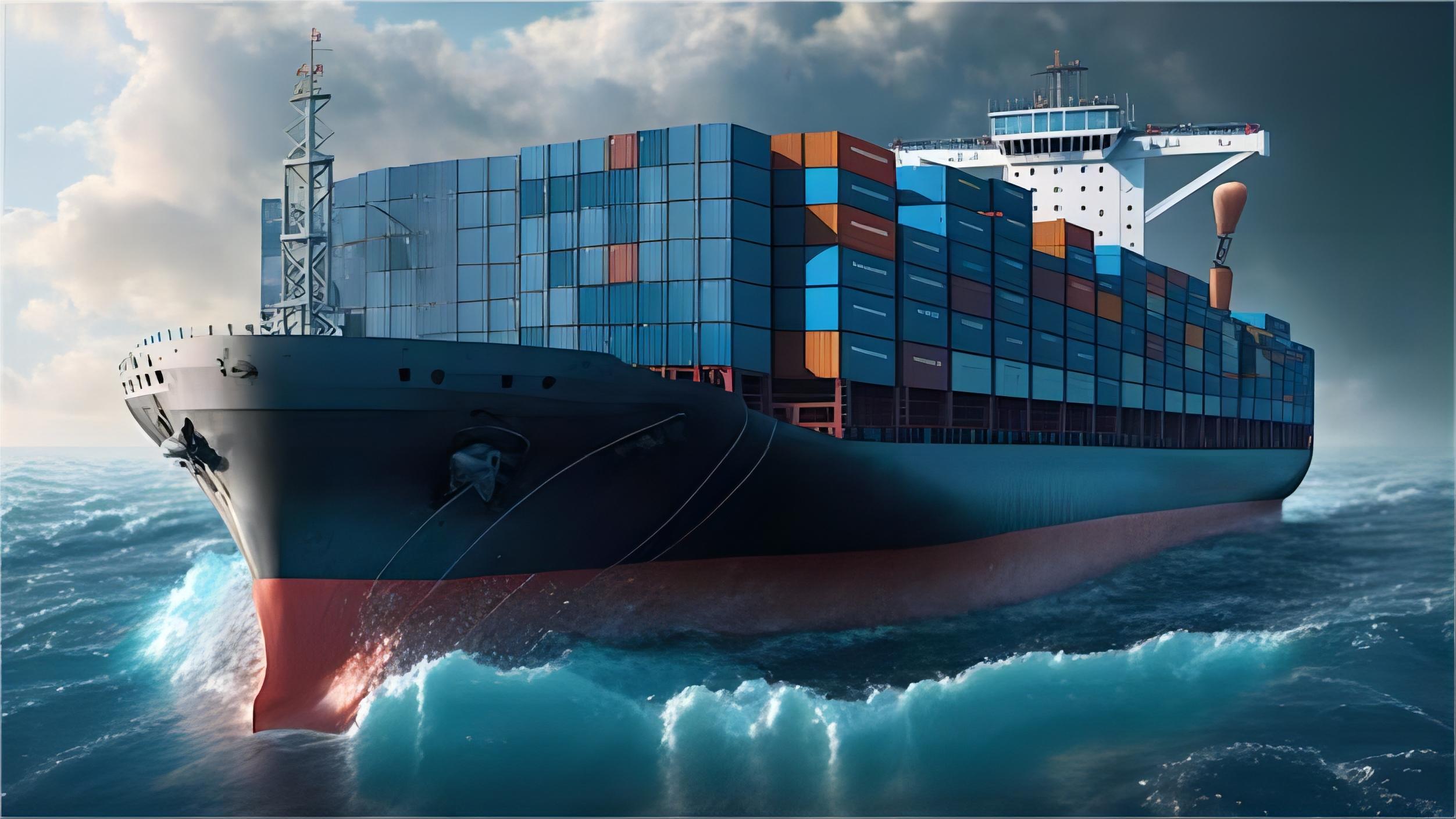
Reefer FCL detention prevention for toys from China to Sweden: A Guide
Managing international trade requires meticulous planning to avoid unnecessary overhead costs that eat into your profit margins. Importers must prioritize Top China Freight to ensure their temperature-sensitive cargo arrives without costly delays. Implementing effective Reefer FCL detention prevention for toys from China to Sweden is essential for maintaining a competitive edge in the Scandinavian retail market. Therefore, understanding the nuances of port operations and container management will significantly enhance your logistics efficiency.
Understanding Reefer FCL detention prevention for toys from China to Sweden
Detention charges occur when an importer holds onto a carrier’s container beyond the agreed free time outside of the port terminal. Specifically, for specialized equipment like refrigerated containers, these daily fees are significantly higher than standard dry vans. Consequently, businesses must develop a robust strategy for Reefer FCL detention prevention for toys from China to Sweden to avoid thousands of dollars in penalties. Moreover, the complexity of toy regulations in the European Union adds another layer of potential delay that requires proactive management.
Successful logistics managers always coordinate closely with their local agents to ensure immediate pickup upon vessel arrival. Because reefer containers require constant power, ports prioritize their movement, but this also means the free-time clock starts ticking almost instantly. Additionally, the high demand for reefer units in the China-Europe lane means carriers are aggressive about retrieving their equipment. Indeed, a delay of just three days can result in costs that outweigh the original ocean freight savings.
Why Temperature-Controlled Shipping Matters for Toy Imports
While many think of toys as durable goods, certain high-end electronic toys or those containing specialized materials require climate control during long sea voyages. For instance, extreme heat in the holds of vessels passing through the Suez Canal can damage delicate internal components or warp plastic finishes. Therefore, utilizing sea freight with reefer capabilities ensures the product integrity remains intact from the factory to the shelf. Meanwhile, maintaining a consistent temperature prevents the buildup of moisture that could lead to mold on packaging.
Cargo handling for toys also involves strict adherence to safety standards, which can be compromised by environmental stress. Furthermore, Swedish retailers demand pristine packaging, and reefer containers provide a cleaner, more controlled environment than standard containers. Nevertheless, the specialized nature of this equipment means that any delay in returning the container to the depot is met with steep financial penalties. Accordingly, your supply chain must be optimized for speed as much as for safety.
How Does Reefer FCL Compare to Other Shipping Options?
Choosing the right mode of transport is a balance between speed, cost, and the specific needs of your toy inventory. While Reefer FCL is the gold standard for large, sensitive shipments, other methods might be more suitable depending on your volume. For example, air freight offers unparalleled speed but at a price point that is often prohibitive for low-margin items. On the other hand, rail freight provides a middle ground that has gained popularity for its balance of transit time and cost-effectiveness.
Direct sea routes are generally the most cost-effective for bulk toy orders, but they are the most susceptible to port congestion. However, transshipment options via major hubs like Singapore or Hamburg can sometimes offer more flexible container return terms. Consequently, shippers should evaluate the total landed cost, including potential detention fees, when comparing these diverse logistics strategies. Without a doubt, a slightly more expensive freight rate with more free days can be cheaper in the long run.
| Shipping Method | Cost Range (USD) | Transit Time | Best For | Limitations |
|---|---|---|---|---|
| Sea Reefer FCL | $3,800 – $5,800 | 35-45 Days | Bulk sensitive toys | High detention fees |
| Air Freight | $12,000 – $20,000 | 5-8 Days | High-value samples | Weight restrictions |
| Rail Freight | $5,500 – $8,000 | 18-24 Days | Mid-size inventory | Reefer slot scarcity |
| LCL Shipping | $150 – $300/CBM | 40-50 Days | Small test batches | No temp control |

Common Causes of Detention at Swedish Ports
Delays in Swedish ports like Gothenburg or Helsingborg often stem from incomplete documentation or slow communication between stakeholders. For instance, if the Bill of Lading is not released on time, the trucking company cannot pick up the container from the terminal. Moreover, Swedish customs are known for their thorough inspections of toy shipments to ensure compliance with EN71 safety standards. As a result, any discrepancy in the paperwork can lead to the container sitting idle while the clock runs on detention charges.
Labor shortages or seasonal peaks in the Swedish logistics sector can also create bottlenecks for inland transportation. Additionally, if the consignee’s warehouse is full, they may refuse to accept the delivery, forcing the container to stay on the chassis. Nevertheless, most of these issues are preventable with proactive planning and the help of a professional customs brokerage service. Indeed, the secret to Reefer FCL detention prevention for toys from China to Sweden lies in resolving these bottlenecks before the ship even docks.
Step-by-Step Guide to Reefer FCL detention prevention for toys from China to Sweden
First, negotiate for extended free time at the destination during the booking stage with your carrier. While standard reefer free time is often only 3 to 5 days, experienced forwarders can often secure 7 to 10 days for loyal clients. Second, ensure that all commercial invoices, packing lists, and certificates of origin are sent to the Swedish agent at least a week before arrival. Consequently, the customs entry can be filed early, allowing for immediate pickup once the vessel is discharged.
Third, coordinate with a reliable trucking partner to schedule the drayage well in advance of the vessel’s arrival. Furthermore, utilize a door to door service to centralize responsibility and reduce the risk of communication gaps between different providers. Finally, always have a backup plan for storage if your primary warehouse faces unexpected capacity issues. By following these steps, you create a buffer that protects your business from the financial sting of detention and demurrage.
Essential Customs Documentation for Swedish Toy Imports
Importing toys into Sweden requires strict adherence to European Union regulations, specifically regarding chemical safety and mechanical properties. Therefore, having a complete technical file and a Declaration of Conformity is non-negotiable for smooth clearance. In addition, the Swedish Customs Authority (Tullverket) requires precise HS codes to determine the correct import duties and VAT. If these codes are incorrect, the resulting audit will definitely cause a delay that triggers detention charges.
Proper documentation also includes the packing list, which must clearly state the number of cartons and the weight of the reefer container. Notably, for toys from China, a Certificate of Origin may be required to benefit from specific trade agreements or to verify the manufacturing source. Moreover, ensuring that all documents are translated into English or Swedish will speed up the review process significantly. Clearly, meticulous paperwork is the backbone of any successful Reefer FCL detention prevention for toys from China to Sweden strategy.
| Document Name | Responsibility | Required Timeline | Purpose |
|---|---|---|---|
| Bill of Lading | Carrier/Shipper | At departure | Title of goods |
| Commercial Invoice | Exporter | At booking | Customs valuation |
| CE Declaration | Manufacturer | Before shipping | Safety compliance |
| Packing List | Exporter | At loading | Cargo verification |
Which Option Should You Choose for Your Toys?
Deciding on the best shipping route depends largely on your budget priority and the seasonality of your toy products. If you are shipping high-volume items for the Christmas rush, the reliability of a direct shipping to Europe route is usually worth the premium. Conversely, for year-round inventory where cost-saving is the priority, utilizing transshipment with longer lead times might be acceptable. However, always ensure that your choice includes a clear path for Reefer FCL detention prevention for toys from China to Sweden.
Volume thresholds also play a role in your decision-making process for logistics optimization. For instance, if your shipment is under 15 CBM, you might consider LCL shipping, although this usually lacks temperature control. On the other hand, for full container loads, the reefer option provides the best protection for sensitive electronic components. Ultimately, the best strategy involves a hybrid approach that adapts to market trends and port conditions in real-time. Industry average for this route suggests that pre-booking 4 weeks in advance yields the best rates.
Real-World Case Studies: Successful Reefer Logistics
Case Study 1: Preventing Delays in Gothenburg Route: Ningbo, China to Gothenburg, Sweden Cargo: Interactive Educational Toys, 26 CBM, 8,500 kg Container: 40HQ Reefer Shipping Details: – Carrier: Maersk – Port of Loading: Ningbo – Port of Discharge: Gothenburg – Route Type: Direct Cost Breakdown: – Ocean Freight: $4,200 – Origin Charges: $450 – Destination Charges: $600 – Customs & Duties: $1,200 – Total Landed Cost: $6,450 Timeline: – Booking to Loading: 5 days – Sea Transit: 38 days – Customs Clearance: 1 day – Total Door-to-Door: 44 days Key Insight: By securing 10 days of free time upfront, the importer avoided $900 in detention fees when their warehouse was delayed by 4 days.
Case Study 2: Managing Peak Season Pressure Route: Shanghai, China to Stockholm, Sweden Cargo: Premium Plastic Model Kits, 18 CBM, 4,200 kg Container: 20GP Reefer Shipping Details: – Carrier: COSCO – Port of Loading: Shanghai – Port of Discharge: Stockholm (via feeder) – Route Type: Transshipment via Hamburg Cost Breakdown: – Ocean Freight: $3,500 – Origin Charges: $380 – Destination Charges: $550 – Customs & Duties: $850 – Total Landed Cost: $5,280 Timeline: – Booking to Loading: 7 days – Sea Transit: 42 days – Customs Clearance: 2 days – Total Door-to-Door: 51 days Key Insight: Using a feeder service allowed for closer delivery to the final destination, reducing inland trucking time and ensuring the reefer was returned to the local depot within the 5-day free period.
Final Thoughts on Preventing Reefer Detention
To summarize, mastering Reefer FCL detention prevention for toys from China to Sweden is a combination of early planning, accurate documentation, and strong local partnerships. While the costs of specialized shipping are higher, the protection they offer for your inventory is invaluable for brand reputation. Therefore, by implementing the strategies discussed, you can navigate the complexities of international logistics with confidence. Always remember that in the world of freight, time is literally money, and every day saved is a boost to your bottom line.
Note: Freight rates are subject to change based on fuel costs, carrier capacity, and seasonal demand. Contact us for a current quote tailored to your specific shipment.
Ready to streamline your logistics?
Ready to optimize your toy supply chain and eliminate hidden costs? Contact Top China Freight today for a customized quote on your next shipment. Our team of experts specializes in Reefer FCL detention prevention for toys from China to Sweden to keep your business moving efficiently. Visit our website to learn more or send an inquiry to start saving on your logistics today. Visit: https://Top China Freight.com/
Request Quote