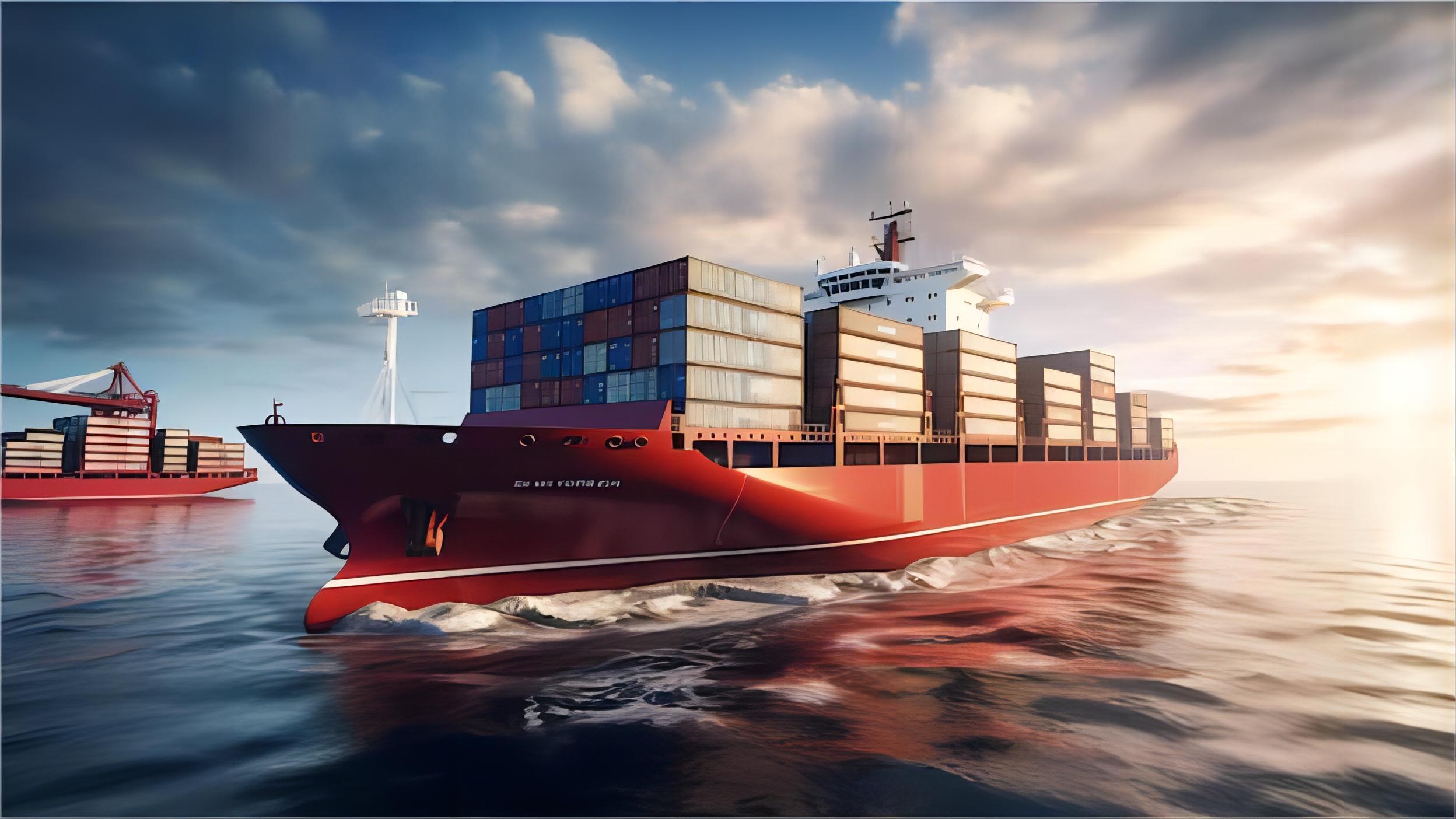
20GP FCL Tracking for Lighting from China to Illinois: A Complete Guide
Managing 20GP FCL tracking for lighting from China to Illinois is a critical task for modern importers who demand transparency in their supply chain. Visit Top China Freight to discover how professional logistics management can streamline your international shipping operations. Indeed, having real-time visibility into your cargo location helps prevent costly delays and ensures your lighting fixtures reach their destination safely.

Why is 20GP FCL tracking for lighting from China to Illinois essential?
Monitoring your shipment is not just about knowing the location of your goods. It is about managing expectations and planning your inventory effectively in the Illinois market. Moreover, lighting fixtures are often fragile and high-value items that require careful handling throughout the journey.
Reliable tracking allows you to coordinate with local warehouses and installation teams. Therefore, you can minimize labor costs by scheduling staff only when the container is confirmed to arrive. Additionally, automated alerts help you identify potential port congestion before it impacts your delivery schedule.
Most carriers provide a unique container number or bill of lading for tracking purposes. Consequently, importers can use these identifiers to check the status of their sea freight shipments at any time. This transparency is vital for maintaining a competitive edge in the fast-paced lighting industry.
How Does 20GP FCL Compare to Other Shipping Options?
Choosing the right shipping method depends on your budget, volume, and urgency. While a 20GP container offers a dedicated space for your lighting products, other options might be more suitable for smaller or more urgent batches. For example, less than container load shipping is often used for shipments under 15 cubic meters.
Air freight provides the fastest transit times but comes at a significantly higher cost. On the other hand, sea freight remains the most economical choice for bulk lighting orders destined for the Midwest. Furthermore, hybrid solutions like sea-air can offer a balance between speed and expenditure for specific project deadlines.
The following table provides an objective analysis of the viable shipping methods for the China to Illinois route. Please note that rates fluctuate based on market conditions and seasonal demand.
| Shipping Method | Cost Range | Transit Time | Best For | Limitations |
|---|---|---|---|---|
| 20GP FCL Sea | $2,800 – $4,200 | 30-45 Days | Full lighting orders | Slower transit |
| LCL Sea Freight | $180 – $350/CBM | 35-50 Days | Small quantities | Higher risk of damage |
| Air Freight | $6 – $14 per kg | 5-10 Days | Urgent samples | Very high cost |
| Fast Sea (Matson) | $4,500 – $6,500 | 22-28 Days | Time-sensitive FCL | Premium pricing |
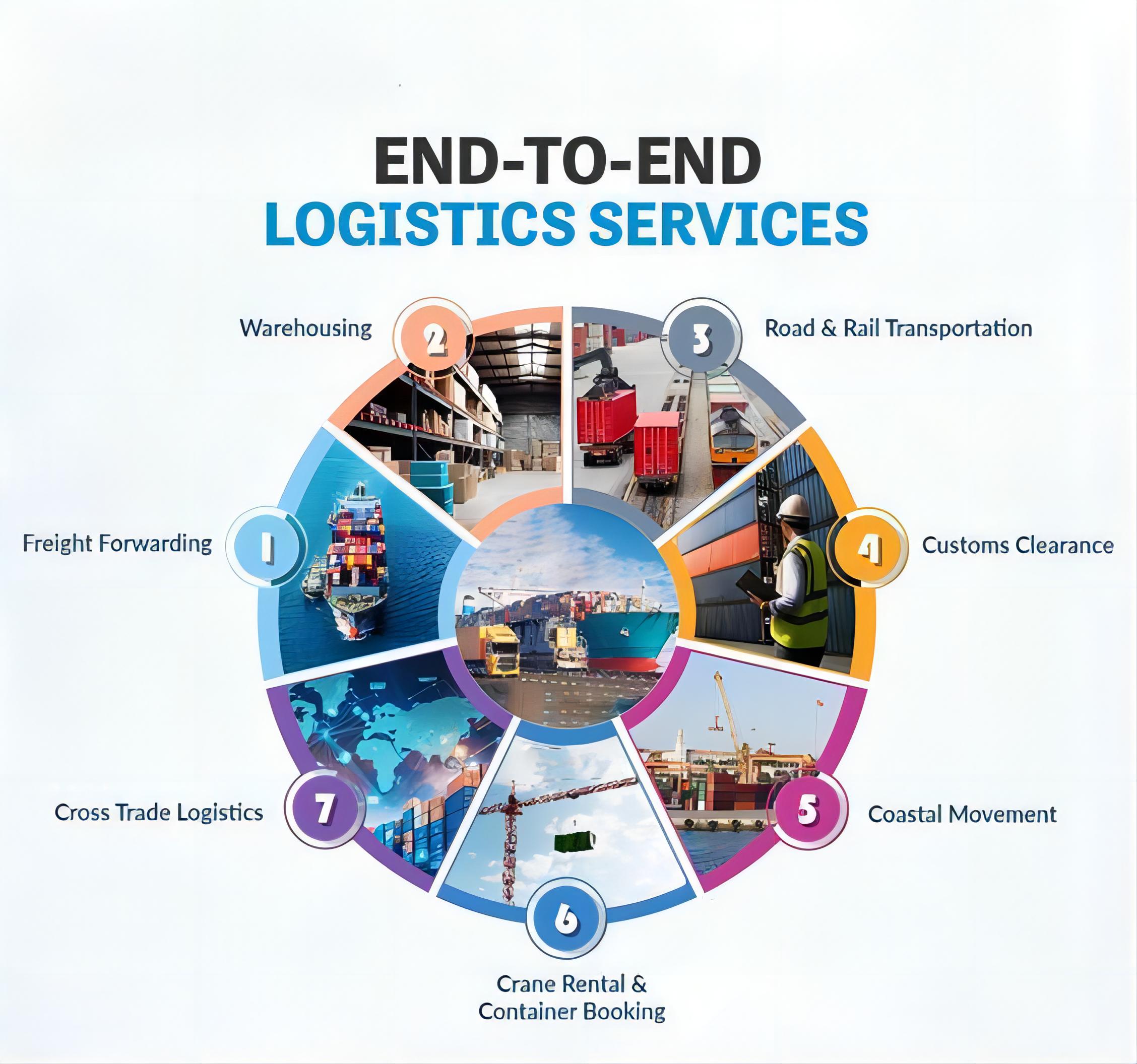
Key stages of 20GP FCL tracking for lighting from China to Illinois
The tracking process begins the moment your lighting fixtures leave the factory in China. Initially, the container is moved to the port of loading, such as Shanghai or Ningbo, where it undergoes export customs clearance. Meanwhile, you should receive the initial tracking data from your freight forwarder.
Once the vessel departs, the transit phase involves crossing the Pacific Ocean toward the US West Coast or through the Panama Canal. During this time, satellite tracking provides updates on the vessel position and estimated time of arrival at the port of discharge. However, weather conditions can occasionally cause minor deviations in the schedule.
After the container arrives at the US port, it must pass through customs brokerage before being loaded onto a rail car or truck. Consequently, this stage is where tracking becomes most granular as the cargo moves toward the final destination in Illinois. Professional monitoring during this phase ensures that any customs holds are addressed immediately.
Realistic Case Studies for Lighting Shipments
Examining real-world examples helps importers understand the complexities of the China to Illinois route. These cases reflect actual market conditions and common challenges faced during the logistics process. In addition, they highlight the importance of choosing the right carrier and route for your specific cargo type.
Case Study 1: Route: Shanghai to Chicago. Cargo: LED Commercial Fixtures, 18 CBM, 4,500 kg. Container: 20GP. Shipping Details: Carrier: COSCO. Port of Loading: Shanghai. Port of Discharge: Prince Rupert (via rail to Chicago). Route Type: Intermodal. Cost Breakdown: Ocean Freight: $3,450. Origin Charges: $420. Destination Charges: $680. Customs and Duties: $1,200. Total Landed Cost: $5,750. Timeline: Booking to Loading: 5 days. Sea Transit: 16 days. Rail Transit: 12 days. Customs Clearance: 3 days. Total Door-to-Door: 36 days. Key Insight: Utilizing the Prince Rupert rail gateway saved 6 days compared to the Los Angeles port route.
Case Study 2: Route: Shenzhen to Aurora, Illinois. Cargo: Decorative Residential Lighting, 22 CBM, 3,800 kg. Container: 20GP. Shipping Details: Carrier: Maersk. Port of Loading: Shenzhen. Port of Discharge: Savannah. Route Type: All-water via Panama Canal. Cost Breakdown: Ocean Freight: $4,100. Origin Charges: $380. Destination Charges: $750. Customs and Duties: $950. Total Landed Cost: $6,180. Timeline: Booking to Loading: 7 days. Sea Transit: 32 days. Customs Clearance: 4 days. Total Door-to-Door: 43 days. Key Insight: The all-water route to the East Coast provided better stability for fragile glass components despite the longer transit time.
Which Option Should You Choose for Your Lighting Cargo?
Deciding on the best shipping strategy requires evaluating your specific business priorities. If your primary goal is budget optimization, standard 20GP FCL via a West Coast port remains the most cost-effective solution. Conversely, if you are fulfilling a tight construction deadline in Chicago, a fast sea service might be necessary.
For businesses managing multiple small orders, Amazon FBA or LCL services might offer more flexibility. However, FCL is generally safer for lighting because it reduces the number of times the cargo is handled. This is particularly important for delicate LED arrays or large chandeliers.
Volume thresholds also play a major role in your decision-making process. If your shipment exceeds 15 CBM, a 20GP container is almost always more economical than LCL. Furthermore, dedicated containers allow for better sea-freight tracking precision compared to consolidated shipments.
Optimizing Delivery with Door to Door Services
Many Illinois importers prefer a comprehensive solution that handles every aspect of the journey. By using door to door services, you eliminate the need to coordinate between multiple logistics providers. Consequently, this reduces the risk of communication errors and tracking gaps.
A single point of contact can provide updates from the factory floor in China all the way to your warehouse in Naperville or Rockford. Moreover, integrated services often include final-mile delivery via specialized trucking companies. This ensures that the heavy 20GP container is handled by professionals experienced in residential or commercial lighting delivery.
Note: Freight rates are subject to change based on fuel costs, carrier capacity, and seasonal demand. Contact us for a current quote tailored to your specific shipment.
Market Intelligence and Logistics Trends for 2025
As of early 2025, freight rates from China to the United States have stabilized after previous global disruptions. According to industry benchmarks, the shift toward digital tracking platforms has become a standard requirement for major importers. Additionally, many carriers are now offering carbon-offset options for environmentally conscious lighting brands.
Market data suggests that peak season surcharges typically begin in August as retailers prepare for the holiday season. Therefore, booking your 20GP FCL tracking for lighting from China to Illinois at least 4-6 weeks in advance is highly recommended. Indeed, early planning is the best way to secure space on the most reliable vessels.
Final Thoughts on Illinois Lighting Logistics
Successfully managing 20GP FCL tracking for lighting from China to Illinois requires a combination of modern technology and experienced partners. By understanding the various shipping methods and tracking stages, you can significantly improve your supply chain efficiency. Furthermore, selecting the right route and carrier helps protect your high-value cargo from damage and delays.
Whether you are importing industrial LED systems or decorative home lighting, transparency remains the key to success. Stay proactive by utilizing real-time tracking tools and working with experts who understand the Midwest logistics landscape. Ultimately, a well-tracked shipment is the foundation of a reliable and profitable lighting business.
Ready to streamline your logistics?
Ensure your lighting fixtures arrive on schedule with our expert 20GP FCL tracking for lighting from China to Illinois. Contact Top China Freight today for a customized quote and professional logistics support. Send Inquiry:
Request Quote