


China FCL container loading service to Long Beach: Complete 2025 Guide
Welcome to Top China Freight, your trusted partner for international logistics. Selecting a reliable China FCL container loading service to Long Beach is a critical decision for businesses looking to optimize their supply chain efficiency. Consequently, understanding the nuances of ocean freight can help you avoid costly delays and ensure your cargo reaches the United States safely. This guide provides comprehensive insights into shipping costs, transit schedules, and the best practices for managing full container loads from China to the West Coast.
Why Choose a China FCL Container Loading Service to Long Beach?
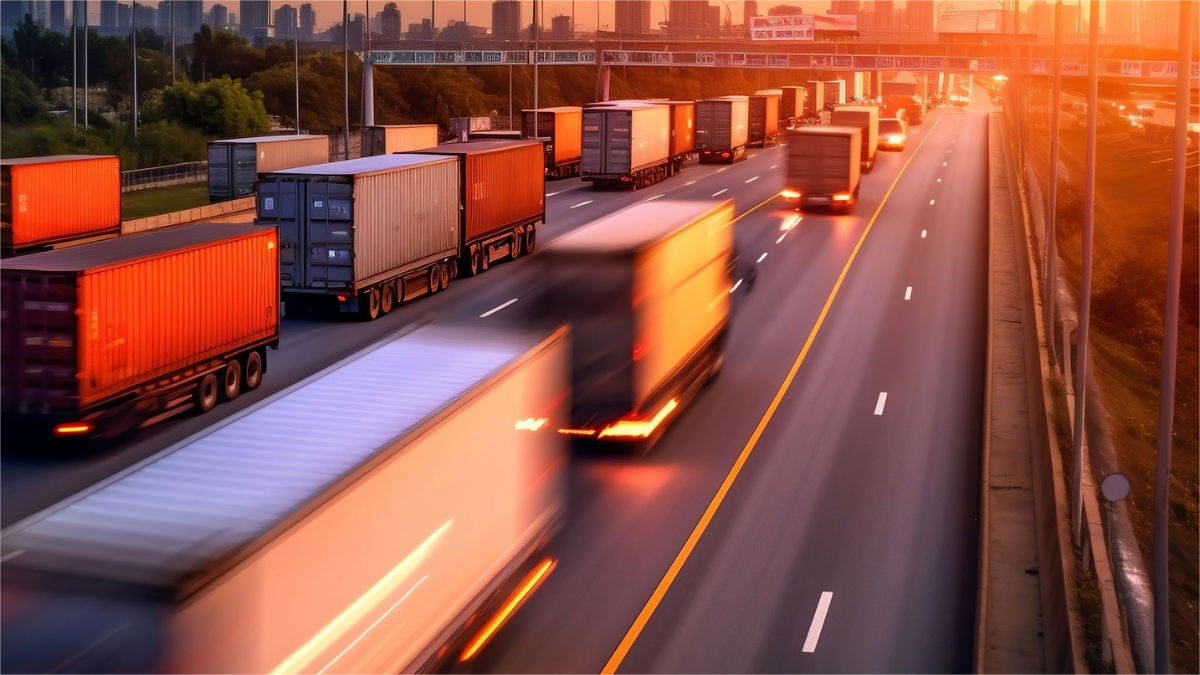
Full Container Load (FCL) shipping offers unparalleled security for high-volume importers. When you utilize a China FCL container loading service to Long Beach, your goods occupy the entire container, which minimizes the risk of damage from other shippers cargo. Moreover, FCL shipments generally involve less handling at the port, leading to faster processing times compared to Less than Container Load (LCL) options.
Importers often prefer sea freight for its cost-effectiveness over long distances. Shipping via FCL allows you to benefit from a flat rate per container, making it easier to calculate your landed costs. Furthermore, the direct route to Long Beach is one of the most efficient maritime corridors in the world.
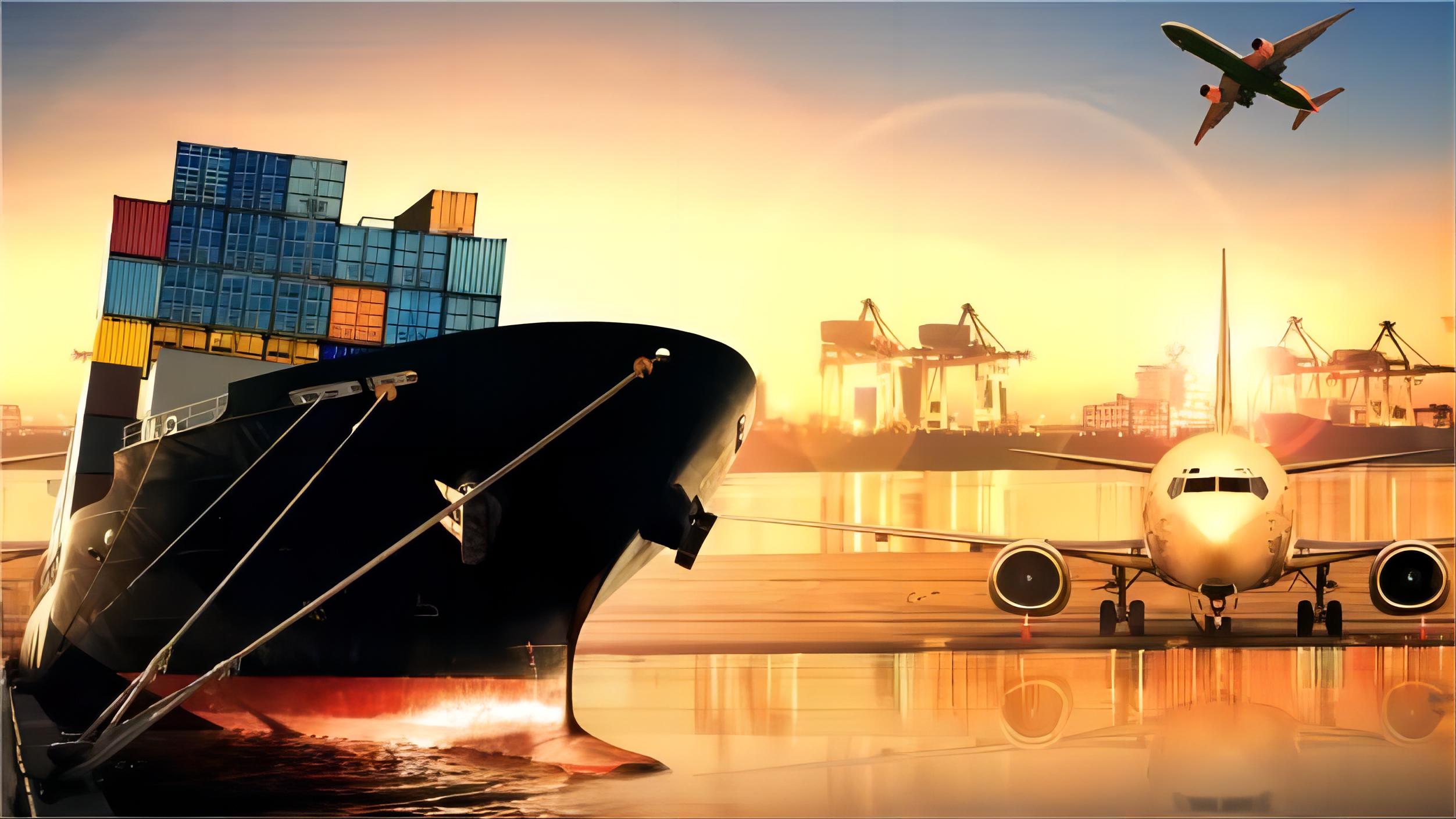
Reliability is another significant factor when choosing this service. Most major carriers provide consistent weekly schedules from Chinese manufacturing hubs to the California coast. Consequently, businesses can plan their inventory cycles with greater precision and confidence.
Understanding Container Types: 20GP, 40GP, and 40HQ
Selecting the right container size is essential for maximizing your shipping budget. The 20GP container is ideal for heavy cargo like machinery or minerals that might exceed weight limits before filling a larger volume. In contrast, the 40GP and 40HQ containers are better suited for voluminous items such as furniture or electronics.
High Cube (HQ) containers provide an extra foot of height compared to standard containers. This additional space is often crucial for light but bulky items that require maximum vertical clearance. Therefore, analyzing your cargo dimensions before booking is a vital step in the logistics process.
Standardized shipping units ensure that cargo handling remains consistent across different ports. Whether you are shipping from Shanghai or Shenzhen, the equipment used for your China FCL container loading service to Long Beach will meet international ISO standards. Consequently, loading and unloading processes remain highly efficient.
| Container Type | Max Payload | Internal Volume | Best For |
|---|---|---|---|
| 20GP | 21,800 kg | 33 CBM | Heavy machinery |
| 40GP | 26,700 kg | 67 CBM | General consumer goods |
| 40HQ | 26,500 kg | 76 CBM | Bulky or tall items |
Current Freight Rates for Shipping to Long Beach
Shipping costs for a China FCL container loading service to Long Beach fluctuate based on seasonal demand and fuel surcharges. During the peak season from August to October, rates typically increase by 15-25 percent due to higher volume. Conversely, shipping during the post-Chinese New Year period often results in more competitive pricing.
Market data suggests that rates have stabilized in early 2025 following previous global disruptions. While a 20GP container might cost between 1,500 and 2,200 dollars, a 40HQ container usually ranges from 2,800 to 3,800 dollars depending on the departure port. Indeed, securing a contract with a freight forwarder can help lock in better rates for long-term projects.
Note: Freight rates are subject to change based on fuel costs, carrier capacity, and seasonal demand. Contact us for a current quote tailored to your specific shipment.
| Port of Loading | 20GP Rate | 40HQ Rate | Est. Transit |
|---|---|---|---|
| Shanghai | $1,600 – $2,100 | $2,900 – $3,600 | 14-16 Days |
| Shenzhen | $1,500 – $2,000 | $2,800 – $3,500 | 12-15 Days |
| Ningbo | $1,650 – $2,150 | $3,000 – $3,700 | 15-18 Days |
Transit Times and Schedule Reliability
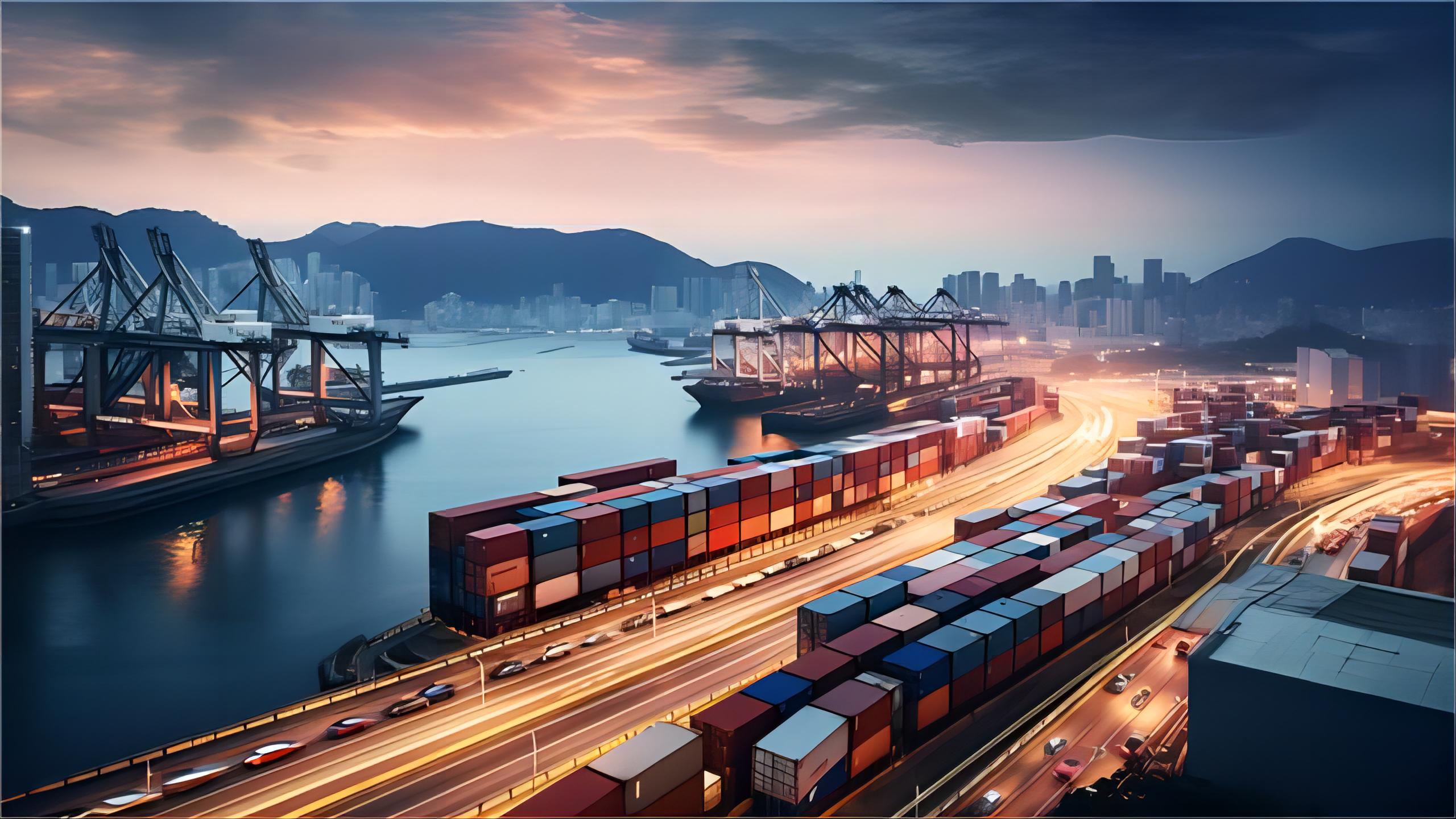
Transit time is a critical component of any shipping to North America strategy. Typically, vessels traveling from South China ports like Yantian reach Long Beach in approximately 12 to 15 days. However, shipments from North China may take slightly longer due to the geographic distance and additional port calls.
Weather conditions and port congestion can occasionally impact these timelines. Nevertheless, the Port of Long Beach has implemented advanced cargo handling technologies to reduce vessel dwell times. As a result, most FCL shipments maintain a high level of schedule integrity throughout the year.
Planning for the total door-to-door timeline is equally important. You must account for the time needed for container loading at the factory, trucking to the port, and customs clearance upon arrival. In most cases, the entire process takes between 22 and 30 days.
How Does FCL Compare to Other Shipping Options?
Evaluating different logistics methods is necessary to find the most cost-effective solution for your business. While a China FCL container loading service to Long Beach is the standard for large volumes, smaller shipments might benefit from LCL. However, LCL often involves higher per-unit costs and longer transit times due to the consolidation process.
Air freight remains the fastest option but comes at a significantly higher price point. For instance, shipping a full container’s worth of goods by air could cost ten times more than ocean freight. Therefore, air transport is usually reserved for high-value or time-sensitive electronics and pharmaceuticals.
Hybrid solutions like sea-air combinations are also available for those seeking a middle ground. These services typically involve shipping goods by sea to a hub like Dubai or Busan before flying them to the final destination. Nevertheless, for the China-to-US route, direct FCL remains the most popular choice for bulk commodities.
| Method | Cost Range | Transit Time | Best For |
|---|---|---|---|
| FCL Sea | $2,500 – $4,000 | 14-18 Days | Large bulk orders |
| LCL Sea | $50 – $100/CBM | 20-25 Days | Small shipments |
| Air Freight | $5 – $10/kg | 3-7 Days | Urgent/High value |
Customs Documentation and Compliance
Navigating the complexities of US Customs and Border Protection (CBP) requires meticulous documentation. When using a China FCL container loading service to Long Beach, you must provide a Commercial Invoice, Packing List, and Bill of Lading. Additionally, an Importer Security Filing (ISF) must be submitted at least 24 hours before the vessel departs from China.
Failure to comply with these regulations can lead to significant fines and cargo holds. Engaging a professional customs brokerage service is highly recommended to ensure all paperwork is accurate. Consequently, your goods will pass through the port with minimal delays.
Specific products may require additional permits or certifications, such as FDA approval for food items or EPA certificates for vehicles. Moreover, ensuring that your HTS codes are correctly classified will prevent overpayment of duties. Indeed, preparation is the key to a seamless import experience.
Which Option Should You Choose for Your Business?
Choosing between FCL and other methods depends largely on your total cargo volume. If your shipment exceeds 15 cubic meters, FCL is almost always the more economical choice. On the other hand, if you are shipping just a few pallets, LCL might save you money despite the higher CBM rate.
Budget priorities often dictate the final decision for many importers. If cost reduction is your primary goal, ocean freight is the undisputed winner. However, if you are facing a stockout and need inventory immediately, the speed of air freight justifies the added expense.
Cargo type also plays a role in the selection process. Fragile or high-value items benefit from the reduced handling of a China FCL container loading service to Long Beach. Meanwhile, robust bulk materials can be shipped via the most cost-effective sea route available.
Real Case Studies: Shipping Success Stories
Case Study 1: Electronics Distribution to California. A Shenzhen-based manufacturer needed to ship 40HQ containers of consumer electronics to a warehouse in Long Beach. By utilizing our China FCL container loading service to Long Beach, they secured a 14-day transit time. Route: Shenzhen to Long Beach. Cargo: 72 CBM electronics. Cost: 3,200 USD. Result: Delivered 2 days ahead of schedule.
Case Study 2: Furniture Import for Retail. A furniture retailer in Los Angeles imported 20GP containers of office chairs from Ningbo. Cargo: 28 CBM furniture. Shipping Method: FCL Sea Freight. Cost: 2,100 USD. Timeline: 17 days port-to-port. Key Insight: Proper palletization allowed them to maximize the 20GP space, reducing the cost per unit significantly.
Case Study 3: Seasonal Textile Shipment. During the Q4 peak season, a textile importer used our door to door service to manage high volumes. Despite port congestion, the use of a priority carrier ensured the container was unloaded within 48 hours of arrival. Total Landed Cost: 4,500 USD including drayage. Transit: 20 days door-to-door.
Tips for Reducing Your FCL Shipping Costs
Optimizing your container space is the most effective way to lower your per-unit shipping costs. Furthermore, consolidating orders from multiple suppliers into a single FCL container can eliminate the need for multiple LCL shipments. This strategy, known as buyer’s consolidation, is widely used by successful importers.
Booking your shipment at least 2-3 weeks in advance can help you secure lower rates and guaranteed space. Additionally, choosing off-peak departure dates can sometimes result in significant savings. Many carriers offer lower prices for mid-week departures compared to weekend sailings.
Negotiating with your freight forwarder for long-term volume discounts is another viable strategy. If you have a consistent shipping schedule, carriers are more likely to offer preferential rates. Consequently, your business can maintain more stable pricing throughout the fiscal year.
Summary of FCL Shipping to Long Beach
In conclusion, a China FCL container loading service to Long Beach remains the most efficient and cost-effective method for large-scale imports. By understanding container types, transit times, and customs requirements, you can significantly improve your supply chain performance. Moreover, working with an experienced freight forwarder ensures that your cargo is handled with the utmost care.
Whether you are shipping electronics, furniture, or industrial machinery, the direct route to Long Beach offers the reliability your business needs. Therefore, take the time to plan your logistics strategy and choose the service that best aligns with your budget and timeline. Start optimizing your China FCL container loading service to Long Beach today for a more profitable tomorrow.
Ready to streamline your logistics?
Ready to streamline your imports with a professional China FCL container loading service to Long Beach? Contact Top China Freight today for a customized quote and expert logistics advice. Send Inquiry: info@Top China Freight.com
Request Quote