


40GP FCL Detention Prevention for Medical Equipment from China to Europe
Importing life-saving technology requires meticulous planning and precise execution to avoid costly delays. Managing 40GP FCL detention prevention for medical equipment from China to Europe is a critical concern for logistics managers who must balance speed with regulatory compliance. Top China Freight specializes in streamlining these complex international shipments to ensure your cargo arrives without unnecessary fees. This guide provides actionable strategies to help you navigate the nuances of maritime logistics and maintain a healthy bottom line.
Understanding 40GP FCL Detention and Demurrage
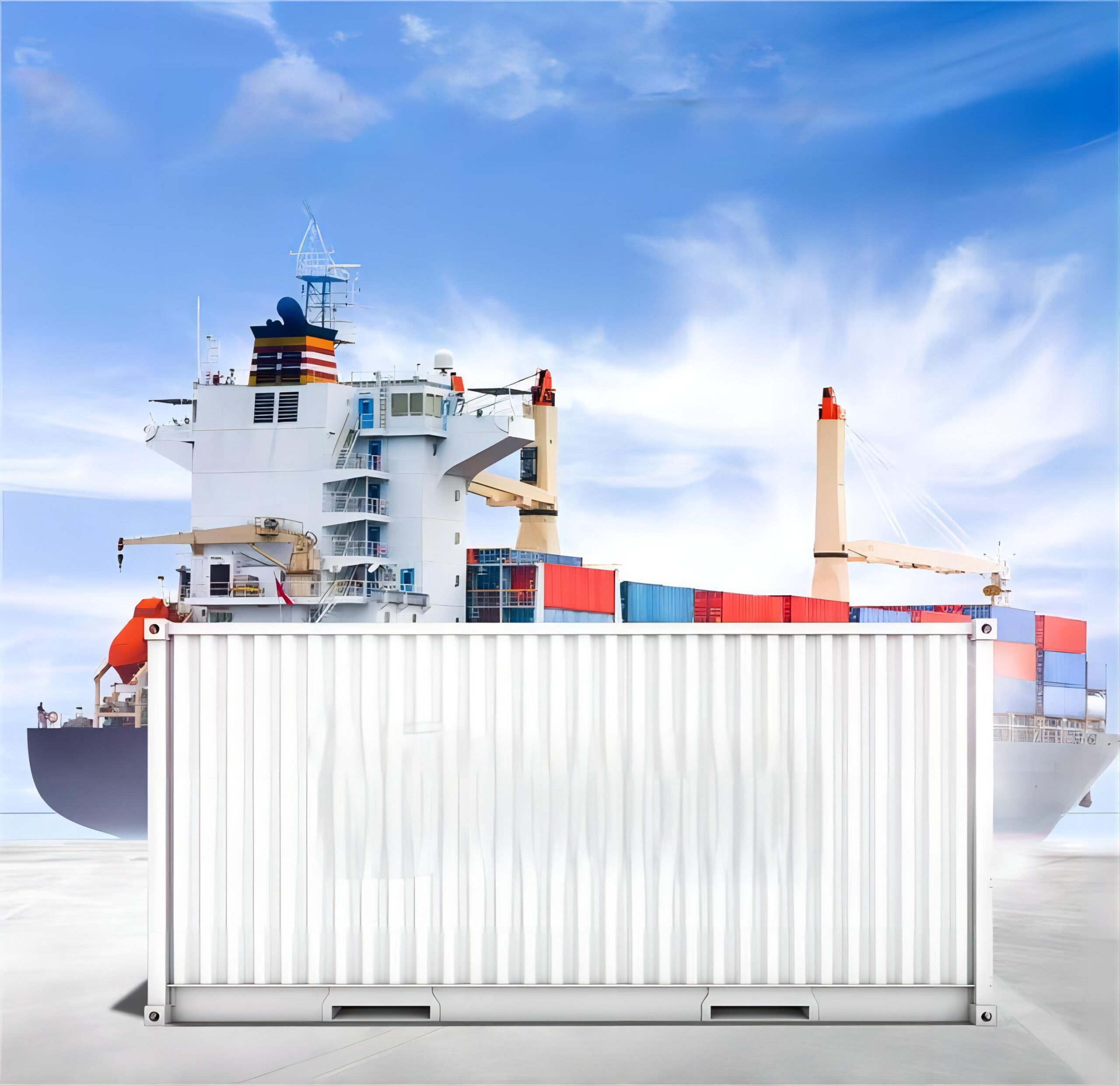
Detention and demurrage are two of the most common additional costs in the shipping industry. Demurrage occurs when a container remains inside the terminal beyond the allotted free time. Consequently, the carrier charges a daily fee until the container is picked up.
Detention refers to the time the container is outside the terminal. If you do not return the empty container to the carrier within the agreed period, you will face detention charges. Therefore, understanding these timelines is essential for 40GP FCL detention prevention for medical equipment from China to Europe.
Moreover, these fees can escalate quickly if not managed proactively. Typical free time ranges from 5 to 7 days, but this varies by carrier and port. Indeed, medical equipment often requires longer handling times due to its sensitive nature.
Meanwhile, shippers must distinguish between these two fees to identify where bottlenecks occur. Identifying the root cause of delays allows for better strategic planning in future shipments. Accordingly, clear communication with your freight forwarder is the first step toward mitigation.
Why Medical Equipment is Vulnerable to Shipping Delays
Medical devices are subject to rigorous inspections by European authorities. Furthermore, compliance with the Medical Device Regulation (MDR) is mandatory for all imports into the European Union. Any missing documentation can lead to a container being held at the port for weeks.
Fragility is another factor that complicates the logistics process. Highly sensitive equipment requires specialized cargo handling and sometimes climate-controlled environments. As a result, the unloading and inspection process takes significantly longer than standard consumer goods.
Additionally, the high value of these goods often triggers manual customs audits. Customs officers may require physical inspections to verify the contents against the declared manifest. Consequently, these extra steps increase the risk of exceeding the carrier’s free time allowance.
Logistics trends also show that port congestion in major European hubs can exacerbate these issues. When ports like Rotterdam or Hamburg are overwhelmed, even perfectly documented shipments may face delays. Without a doubt, medical equipment shippers must build buffer time into their delivery schedules.
Strategic 40GP FCL Detention Prevention for Medical Equipment from China to Europe
Effective 40GP FCL detention prevention for medical equipment from China to Europe begins with pre-clearance. You should submit all necessary paperwork to customs before the vessel even arrives at the destination port. This proactive approach reduces the time the container spends sitting in the yard.
Negotiating extended free time is another powerful strategy. Many carriers allow for 10 to 14 days of free time if requested during the booking stage. Although this might slightly increase the initial freight rate, it provides a crucial safety net against unforeseen delays.
Furthermore, coordinating closely with the warehouse or final consignee is vital. Ensure they are ready to receive the cargo and can return the empty container immediately. In addition, using a digital tracking system helps you monitor the container’s status in real-time.
Nevertheless, even the best-laid plans can face hurdles. Shippers should maintain a list of alternative trucking companies that can step in if the primary transporter is delayed. Consequently, flexibility remains a cornerstone of successful detention prevention.
| Missing MDR Docs | High | Pre-verify all certificates | Critical |
| Port Congestion | Medium | Book extended free time | High |
| Trucker Shortage | Medium | Maintain backup carriers | Medium |
| Customs Audit | High | Use experienced brokers | Critical |

Documentation Requirements for European Customs Clearance
Accurate documentation is the backbone of efficient logistics. For medical equipment, you must provide a commercial invoice, a detailed packing list, and a Bill of Lading. Furthermore, the CE marking and Declaration of Conformity are essential for legal entry into Europe.
Using a professional customs brokerage service can significantly streamline this process. These experts understand the specific HS codes for medical devices and can prevent classification errors. Accordingly, their expertise helps avoid the audits that lead to detention.
Moreover, certificates of origin may be required to benefit from specific trade agreements. In contrast, failing to provide these can lead to higher duties and longer processing times. Therefore, double-checking every document for consistency is a non-negotiable step.
Indeed, digital documentation platforms are becoming the industry standard. These systems allow for the instantaneous sharing of files between the exporter in China and the importer in Europe. As a result, the risk of physical document loss is virtually eliminated.
How Does Sea Freight Compare to Other Shipping Options?
While sea freight is the most common method for 40GP containers, it is not the only option. For instance, rail freight has become a popular alternative for shipments from China to Europe. It offers a faster transit time than the ocean route while remaining more affordable than air.
However, sea freight remains the most cost-effective solution for high-volume medical supplies. It is particularly suitable for bulky items like hospital beds or large diagnostic machines. On the other hand, air freight is reserved for high-value, urgent shipments that cannot afford any delay.
In addition, multimodal solutions can offer a balance between speed and cost. For example, a sea-air combination might be used to bypass congested ports. Consequently, shippers must evaluate their specific needs before choosing a transport mode.
To summarize, each method has its own set of trade-offs regarding cost, speed, and reliability. Choosing the right one depends on your budget and the urgency of the equipment. Market data suggests that sea freight still accounts for over 80 percent of medical equipment volume on this route.
| Sea Freight | $2,800 – $3,800 | 30-45 Days | Bulk Medical Supplies |
| Rail Freight | $4,500 – $6,500 | 18-25 Days | Mid-range Urgency |
| Air Freight | $15,000+ | 3-7 Days | Critical Spare Parts |
| Sea-Air Hybrid | $8,000 – $10,000 | 15-20 Days | Balanced Solutions |
Real-World Case Studies in Medical Equipment Logistics
Analyzing real-world scenarios provides valuable insights into the challenges of international shipping. These examples highlight how proactive management can prevent significant financial losses. Furthermore, they demonstrate the importance of choosing the right partners.
Case Study 1: MRI Equipment to Hamburg. A medical provider in Germany imported MRI machines from Shenzhen. By using a 40GP FCL and negotiating 14 days of free time, they avoided $2,500 in potential detention fees when customs requested a secondary inspection.
Case Study 2: Surgical Kits to Rotterdam. A distributor in the Netherlands used rail freight to transport sterile surgical kits from Shanghai. Although the freight rate was higher, the shorter transit time helped them meet a critical hospital contract deadline without any port delays.
According to industry benchmarks, companies that implement these strategies see a 30 percent reduction in unexpected logistics costs. Indeed, these case studies serve as a blueprint for successful 40GP FCL detention prevention for medical equipment from China to Europe.
Case Study 1: MRI Equipment to Hamburg
Box Case Study 1: MRI Equipment to Hamburg
+———————————————————+
| Route: Shenzhen, China -> Hamburg, Germany
| Cargo: MRI Machines, 65 CBM, 12,000 kg
| Container: 40GP FCL
|
| Shipping Details:
| – Carrier: COSCO
| – Port of Loading: Shenzhen
| – Port of Discharge: Hamburg
| – Route Type: Direct
|
| Cost Breakdown:
| – Ocean Freight: $3,200
| – Origin Charges: $450
| – Destination Charges: $600
| – Customs and Duties: $1,200
| – Total Landed Cost: $5,450
|
| Timeline:
| – Booking to Loading: 5 days
| – Sea Transit: 33 days
| – Customs Clearance: 4 days
| – Total Door-to-Door: 42 days
|
| Key Insight: Negotiated 14 days free time saved $1,800 during audit.
+———————————————————+
Case Study 2: Surgical PPE to Rotterdam
Box Case Study 2: Surgical PPE to Rotterdam
+———————————————————+
| Route: Shanghai, China -> Rotterdam, Netherlands
| Cargo: Surgical Gowns and Masks, 60 CBM, 8,000 kg
| Container: 40GP FCL
|
| Shipping Details:
| – Carrier: Maersk
| – Port of Loading: Shanghai
| – Port of Discharge: Rotterdam
| – Route Type: Transshipment via Singapore
|
| Cost Breakdown:
| – Ocean Freight: $3,400
| – Origin Charges: $400
| – Destination Charges: $550
| – Customs and Duties: $900
| – Total Landed Cost: $5,250
|
| Timeline:
| – Booking to Loading: 4 days
| – Sea Transit: 38 days
| – Customs Clearance: 2 days
| – Total Door-to-Door: 44 days
|
| Key Insight: Pre-clearance of MDR documents ensured zero port delays.
+———————————————————+
Decision Framework: Choosing the Right Shipping Strategy
Determining the best shipping method requires a systematic approach. First, assess your budget. If cost reduction is the primary goal, sea freight is the logical choice. However, you must account for the longer transit time in your inventory planning.
Second, consider the urgency of the equipment. Life-saving devices needed for immediate surgery should always be shipped via air. In contrast, routine stock replenishment can be handled via rail or sea. Furthermore, the volume of the shipment dictates whether you need FCL or LCL.
Third, evaluate the sensitivity of the cargo. Some medical devices require temperature-controlled containers, known as reefers. These containers have different free time rules and higher costs. Consequently, specialized cargo handling must be factored into your decision.
Finally, check the reliability of the carrier on your specific route. Some carriers have better terminal agreements in certain European ports. Accordingly, selecting a carrier with a strong presence in your destination port can further assist in 40GP FCL detention prevention for medical equipment from China to Europe.
Cost-Saving Strategies for Long-Haul Medical Shipments
Beyond avoiding detention, there are several ways to lower your overall shipping costs. Consolidating shipments from multiple suppliers into a single 40GP container can reduce the per-unit freight rate. Furthermore, choosing rail freight during peak sea seasons can sometimes be more economical.
Another strategy is to use inland ports for customs clearance. Often, major coastal terminals are congested, leading to higher storage fees. By moving the container to an inland terminal via barge or rail, you can find cheaper storage and more flexible free time.
Moreover, maintaining a long-term relationship with your freight forwarder can lead to better contract rates. Carriers are more likely to offer concessions to loyal customers. Therefore, consistency in your shipping volume can be a powerful negotiation tool.
Additionally, keep an eye on fuel surcharges and currency fluctuations. These external factors can impact your landed cost significantly. As a result, working with a forwarder who provides transparent pricing is essential for accurate budgeting.
Leveraging Door to Door Services to Minimize Risk
A door to door service simplifies the entire logistics chain by providing a single point of contact. This integrated approach ensures that the transition from the factory in China to the hospital in Europe is seamless. Furthermore, it reduces the risk of communication breakdowns.
When one company manages the trucking, sea freight, and customs clearance, they have a holistic view of the shipment. Consequently, they can anticipate potential delays and implement 40GP FCL detention prevention for medical equipment from China to Europe more effectively.
Indeed, this service often includes the return of the empty container to the terminal. This is a critical step that many importers overlook, leading to unexpected detention charges. In addition, door-to-door providers often offer comprehensive insurance coverage for high-value medical cargo.
Meanwhile, the peace of mind provided by these services allows medical companies to focus on their core mission. Rather than worrying about port logistics, they can ensure that their equipment is ready to save lives. Without a doubt, the investment in a full-service logistics partner pays for itself in reduced stress and avoided fees.
Navigating the Complexities of European Port Operations
Shipping to Europe involves dealing with diverse port regulations and labor practices. For example, some ports may have frequent labor strikes that can halt operations for days. Therefore, staying informed about local news in your destination country is vital.
Furthermore, each European country has its own specific customs nuances, even within the EU framework. Germany might require different certifications than Italy for certain medical devices. Accordingly, your logistics strategy must be tailored to the specific port of entry.
Logistics trends in 2025 suggest a move toward greener shipping. Ports are increasingly implementing environmental surcharges for older vessels. Consequently, choosing a carrier with a modern, eco-friendly fleet might not only reduce your carbon footprint but also lower your port fees.
In contrast, smaller ports might offer faster clearance but have limited infrastructure for large 40GP containers. Shippers must weigh the pros and cons of using a major hub versus a secondary port. To summarize, a deep understanding of European geography and port operations is a key component of successful international trade.
Final Thoughts on Detention Prevention
Successfully navigating the logistics of medical equipment requires a combination of early planning and strategic partnerships. By focusing on 40GP FCL detention prevention for medical equipment from China to Europe, you can avoid the hidden costs that often plague international trade. Remember to prioritize accurate documentation and negotiate extended free time to create a buffer against delays.
As market conditions continue to evolve, staying informed about logistics trends and regulatory changes remains essential. Whether you choose sea, rail, or air freight, the key is to maintain flexibility and transparency throughout your supply chain. With the right approach, you can ensure that your critical medical technology is delivered safely and efficiently to the European market.
Ready to streamline your logistics?
Managing 40GP FCL detention prevention for medical equipment from China to Europe is a complex task that requires professional expertise. Contact Top China Freight today to receive a customized quote and expert guidance on your next shipment. Let us help you minimize costs and ensure your medical supplies reach their destination on time. Send Inquiry
Request Quote