


Flat Rack FCL container shortage solution for machinery from China to Sweden
Finding a Flat Rack FCL container shortage solution for machinery from China to Sweden has become a primary concern for industrial exporters in recent months. As global trade routes face capacity constraints, businesses must partner with a reliable freight forwarder like Top China Freight to maintain their supply chain integrity. This article explores innovative strategies and alternative shipping methods to ensure your heavy equipment reaches its destination without delay.
Why is there a Flat Rack FCL container shortage for machinery from China to Sweden?
Global logistics networks are currently experiencing significant imbalances in equipment distribution. Consequently, specialized units like flat rack containers are often concentrated in regions with low demand while industrial hubs in China face severe deficits. This scarcity directly impacts the export of oversized machinery which cannot fit into standard dry vans.
Moreover, the increase in infrastructure projects across Northern Europe has surged the demand for heavy equipment logistics Sweden. Therefore, the available stock of out of gauge cargo equipment is quickly exhausted by major players. Carriers are also prioritizing standard containers due to faster turnaround times, which further exacerbates the shortage for specialized shippers.
Additionally, port congestion in major transshipment hubs often delays the return of empty flat racks to Chinese ports. Nevertheless, identifying a Flat Rack FCL container shortage solution for machinery from China to Sweden requires looking beyond traditional equipment availability. Understanding these market dynamics is the first step toward developing a resilient shipping strategy.

How to find a Flat Rack FCL container shortage solution for machinery from China to Sweden?
Implementing a successful Flat Rack FCL container shortage solution for machinery from China to Sweden involves diversifying your logistical approach. For instance, many importers are now turning to sea freight alternatives that do not rely on specific container types. This flexibility allows for more consistent shipping schedules even during peak equipment shortages.
Furthermore, early booking is essential in the current market climate. Indeed, securing space at least four to six weeks in advance can significantly increase your chances of obtaining the necessary flat rack units. Meanwhile, working with a forwarder who has strong carrier relationships can provide access to hidden equipment pools that are not available to the general public.
Another effective strategy involves utilizing different ports of loading within China. While Shanghai and Ningbo are often the most congested, smaller ports might have better availability of specialized equipment. Consequently, a slight change in your inland logistics can lead to a faster overall transit time for your industrial equipment.
Alternative Shipping Strategies for Oversized Cargo
When flat racks are unavailable, breakbulk shipping serves as an excellent Flat Rack FCL container shortage solution for machinery from China to Sweden. In this method, machinery is loaded directly into the vessel hold rather than being placed inside a container. This approach is particularly suitable for extremely heavy or large units that exceed the weight limits of standard flat racks.
Roll-on/Roll-off (RORO) services are another viable alternative for self-propelled or towable machinery. Since RORO vessels are designed specifically for vehicles and wheeled equipment, they bypass the need for containers entirely. As a result, shippers can avoid the equipment shortage while benefiting from simplified loading and unloading processes at the port.
Additionally, open-top containers can sometimes accommodate machinery if the width and length are within standard dimensions but the height is excessive. However, this is only a partial solution as it does not address width constraints. Therefore, a comprehensive assessment of your cargo dimensions is necessary before choosing an alternative.
| Method | Equipment Needed | Best For | Availability |
|---|---|---|---|
| Flat Rack FCL | Specialized Container | Oversized/Heavy units | Low (Current Shortage) |
| Breakbulk | None (Vessel Hold) | Extremely Large Cargo | High |
| RORO | None (Wheeled) | Vehicles/Excavators | Moderate |
| Open Top | Top-less Container | Tall Cargo | Moderate |
How Does Flat Rack Shipping Compare to Other Shipping Options?
Analyzing the trade-offs between different methods is crucial for optimizing your project cargo logistics Sweden. While flat racks offer the convenience of being handled like standard containers, they are currently the most difficult to source. On the other hand, breakbulk shipping requires more specialized handling at the port but offers nearly unlimited capacity for volume.
In terms of cost, flat rack shipping is generally more expensive than standard FCL but cheaper than chartered breakbulk for single units. However, when the shortage drives up premiums, the price gap narrows significantly. Consequently, many businesses find that RORO or breakbulk becomes more cost-effective when factoring in the potential costs of production delays caused by waiting for a container.
Transit times also vary between these methods. Standard container vessels usually have more frequent departures than specialized breakbulk carriers. Nevertheless, a direct breakbulk service can sometimes be faster than a container route with multiple transshipments. Therefore, you must weigh the urgency of your delivery against the available shipping methods.
| Shipping Method | Cost Range | Transit Time | Limitations |
|---|---|---|---|
| Flat Rack FCL | $4,500 – $8,500 | 35-45 Days | Equipment shortages |
| Breakbulk | $5,000 – $12,000 | 40-55 Days | Complex port handling |
| RORO | $3,500 – $7,000 | 38-50 Days | Must be towable/wheeled |
| Air Freight | $20,000+ | 5-10 Days | Extreme cost/size limits |

Customs and Documentation for Machinery Imports to Sweden
Navigating the regulatory landscape is a vital component of a Flat Rack FCL container shortage solution for machinery from China to Sweden. Swedish customs require precise documentation, including commercial invoices, packing lists, and certificates of origin. Furthermore, specialized machinery must often comply with EU safety standards and bear the CE mark to clear customs brokerage successfully.
Moreover, importers should be aware of the EORI number requirement for all businesses trading within the European Union. Without this identification, your shipment could face significant delays at the port of Gothenburg or Stockholm. In addition, ensure that your Harmonized System (HS) codes are accurate to avoid overpaying duties or facing penalties during the import process.
To streamline this, many companies opt for Europe specific logistics experts who understand the nuances of Swedish import regulations. Indeed, proper preparation of paperwork can prevent additional storage fees at the terminal, which can be quite high for oversized cargo. Consequently, proactive compliance is just as important as the physical transport of the goods.
Which Option Should You Choose?
Choosing the right Flat Rack FCL container shortage solution for machinery from China to Sweden depends on your specific priorities. If your primary concern is budget and the machinery is under 12 meters long, waiting for a flat rack might be the best option. However, if you have a strict deadline for a construction project, switching to RORO or breakbulk is highly recommended.
For cargo that is particularly fragile, a flat rack provides better protection as it is integrated into the container ship’s cellular structure. Conversely, for very rugged equipment like mining drills or excavators, RORO offers a safe and efficient alternative. Without a doubt, consulting with a logistics professional will help you determine the most balanced approach for your specific cargo type.
Volume also plays a role in the decision-making process. For a single machine, a flat rack is usually ideal. On the other hand, if you are shipping an entire production line, chartering a portion of a breakbulk vessel may offer better economies of scale. Therefore, always request quotes for multiple methods to compare the current market rates effectively.
Real Realistic Case Studies
Case Study 1: Industrial CNC Center from Dalian to Gothenburg. Cargo: 12 tons, 4.5m x 3.2m x 3.0m. Method: Breakbulk due to flat rack shortage. Total Landed Cost: $9,200. Transit Time: 48 days. Key Insight: By switching to breakbulk, the client avoided a 3-week wait for a container, ensuring the factory opened on schedule.
Case Study 2: Construction Excavator from Shanghai to Stockholm. Cargo: 22 tons, wheeled. Method: RORO. Total Landed Cost: $7,400. Transit Time: 42 days. Key Insight: RORO was 15% cheaper than the quoted flat rack rate and had immediate availability at the Port of Shanghai. These examples illustrate the importance of flexibility in modern logistics.
Note: Freight rates are subject to change based on fuel costs, carrier capacity, and seasonal demand. Contact us for a current quote tailored to your specific shipment.
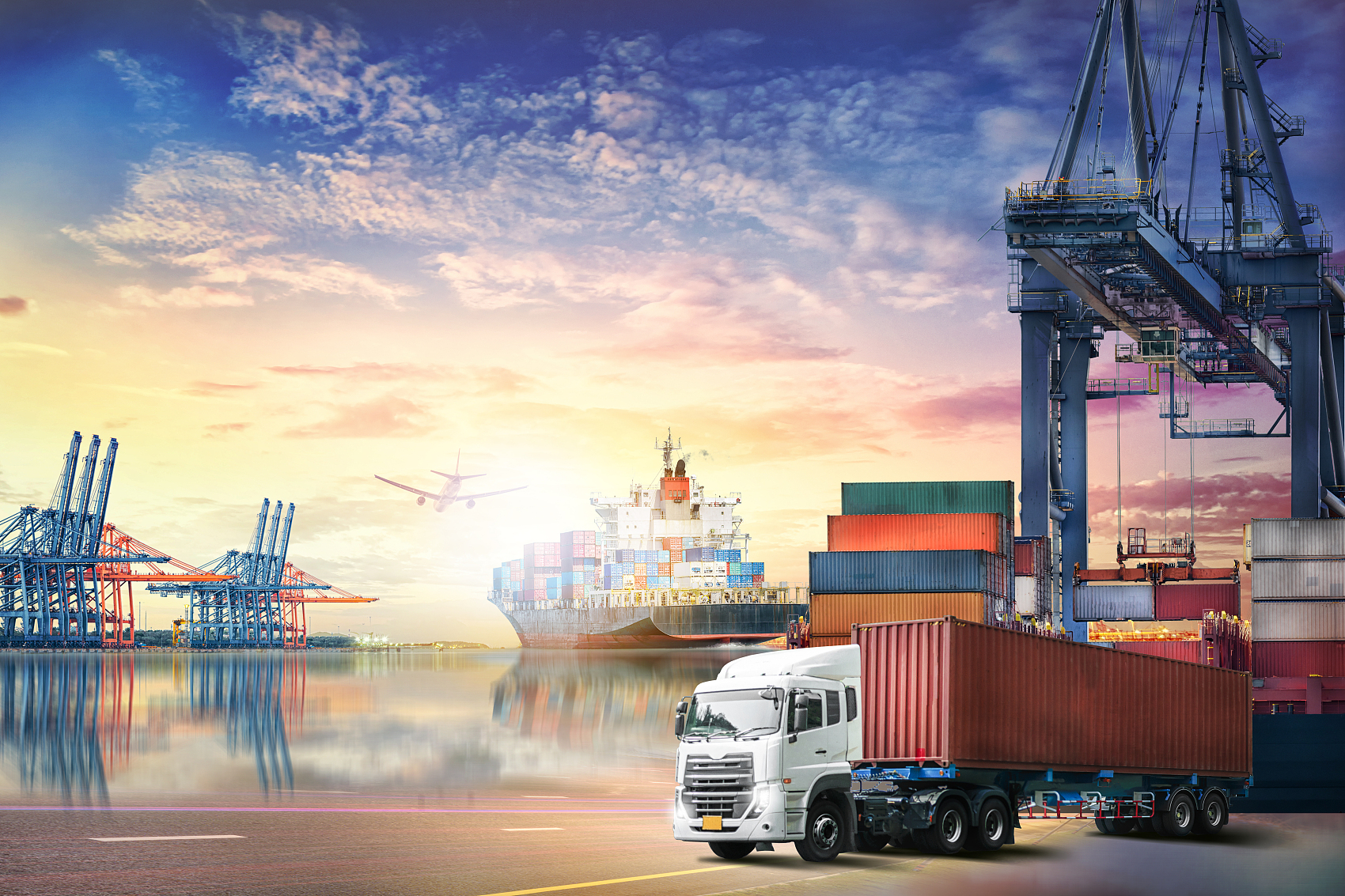
Securing Cargo for Maritime Transport
Regardless of the chosen Flat Rack FCL container shortage solution for machinery from China to Sweden, proper cargo securing is non-negotiable. Maritime transport involves significant forces, including rolling and pitching of the vessel. Consequently, heavy machinery must be lashed with high-strength steel chains and blocked with timber to prevent any movement.
Furthermore, using a door to door service ensures that the same logistics provider oversees the lashing at the origin and the unlashing at the destination. This continuity reduces the risk of damage during transit. Additionally, weatherproofing is essential for machinery shipped on flat racks or breakbulk, as they are exposed to salt spray and humidity.
Indeed, investing in high-quality shrink wrapping or specialized tarpaulins can save thousands of dollars in potential corrosion damage. Meanwhile, ensure that all lifting points are clearly marked to facilitate safe handling by port cranes. As a result, your machinery will arrive in Sweden in the same condition it left the factory in China.
Summary of Shipping Solutions
In conclusion, while the current market presents challenges, finding a Flat Rack FCL container shortage solution for machinery from China to Sweden is entirely possible with the right strategy. By considering breakbulk and RORO alternatives, you can bypass equipment shortages and maintain your delivery schedules.
To summarize, success in machinery shipping requires a combination of early planning, flexible routing, and expert documentation management. Partnering with an experienced freight forwarder ensures that you have access to the latest market intelligence and the most reliable transport options available.
Ready to streamline your logistics?
Are you struggling to find a Flat Rack FCL container shortage solution for machinery from China to Sweden? Do not let equipment scarcity stall your business growth. Contact our expert team today for a customized shipping quote and discover how our alternative logistics strategies can keep your cargo moving. Visit Top China Freight to get started now.
Request Quote