

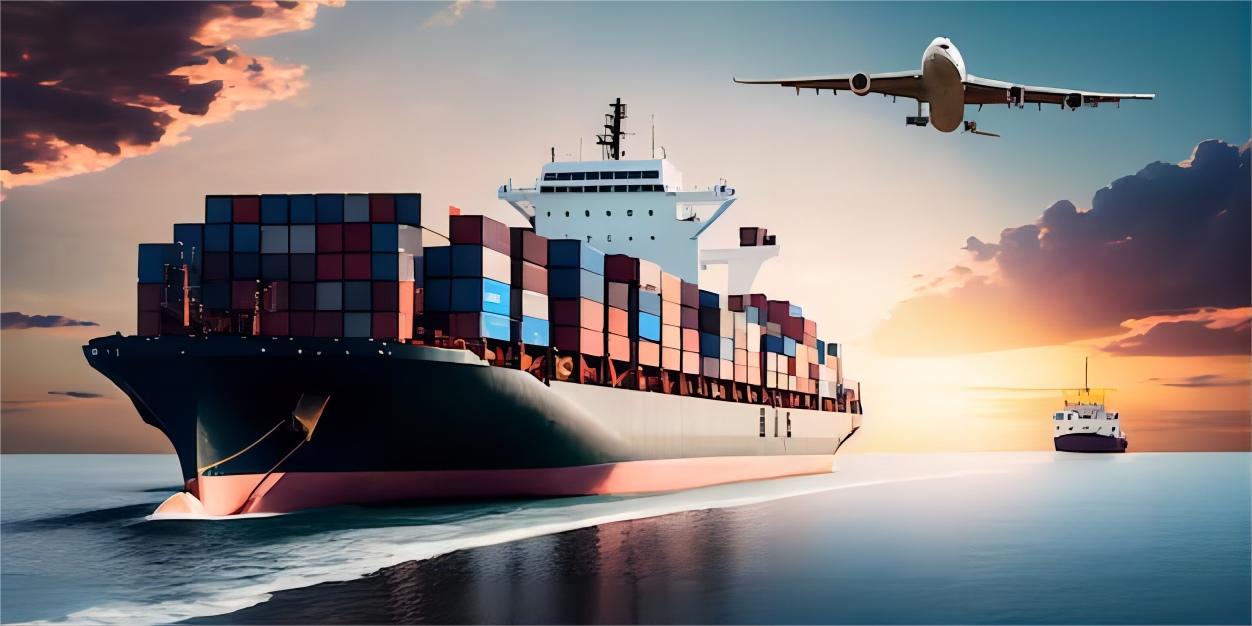
Reefer FCL sailing schedule for electronics from China to Germany: 2025 Logistics Guide
Managing a Reefer FCL sailing schedule for electronics from China to Germany requires precision and deep industry knowledge. At Top China Freight, we understand that temperature-controlled shipping is vital for preserving the integrity of sensitive electronic components. Consequently, businesses must align their production cycles with reliable ocean freight schedules to ensure timely delivery to European markets.

Understanding the Reefer FCL Sailing Schedule for Electronics from China to Germany
Reliability in maritime logistics begins with a clear understanding of departure frequencies from major Chinese hubs like Shenzhen and Shanghai. Carriers typically offer weekly departures for refrigerated units, ensuring that climate-sensitive electronics do not sit in warehouses for extended periods. Furthermore, these schedules are designed to minimize transshipment delays that could compromise the internal environment of the container.
Importers must monitor the Reefer FCL sailing schedule for electronics from China to Germany to avoid peak season congestion. During the third quarter, demand for space increases significantly, which often leads to rolled cargo or higher premium rates. Therefore, booking at least four weeks in advance is a standard recommendation for maintaining a consistent supply chain.
Modern vessels equipped with advanced power grids support hundreds of reefer plugs simultaneously. This infrastructure allows for a steady flow of high-tech goods from the Greater Bay Area to Northern German ports. Meanwhile, digital tracking tools provide real-time updates on the vessel position and the thermal status of the cargo.
Why Electronics Require Refrigerated Containers
High-end electronics often suffer from humidity and extreme temperature fluctuations during long ocean voyages. Cold chain logistics solutions provide a stable environment that prevents condensation, which is a primary cause of micro-circuitry corrosion. In addition, maintaining a constant temperature of 18 to 22 degrees Celsius protects delicate lithium batteries from thermal stress.
Sophisticated sensors within the reefer units monitor humidity levels throughout the journey across the Indian Ocean and through the Suez Canal. Without these controls, the intense heat of tropical regions could damage the structural integrity of plastic components and adhesive seals. Consequently, using a reefer container is an investment in product quality and brand reputation.
Carriers implement strict cargo handling protocols to ensure that power is never interrupted for more than a few minutes during port transfers. This continuity is essential for semiconductor wafers and high-precision medical electronics that cannot tolerate even minor environmental shifts. Indeed, the precision of modern reefer technology has revolutionized how we transport sensitive technology globally.
How Does Reefer FCL Compare to Other Shipping Options?
Selecting the right mode of transport involves balancing cost, speed, and safety for your specific electronic goods. While sea freight remains the most economical choice for large volumes, it has the longest transit time. On the other hand, rail freight offers a middle ground with faster delivery to inland German terminals like Duisburg.
Comparison of shipping methods for electronics shows that reefer containers provide the highest level of environmental protection. Although air freight is significantly faster, the costs are often prohibitive for bulk electronics shipments. Therefore, reefer FCL is the preferred choice for companies moving high volumes of climate-sensitive inventory.
| Shipping Method | Cost Range (USD) | Transit Time | Best For | Limitations |
|---|---|---|---|---|
| Reefer FCL (Sea) | $3,200 – $4,800 | 30-40 Days | Bulk sensitive electronics | Longest duration |
| Standard FCL (Sea) | $1,800 – $3,500 | 30-40 Days | Durable tech goods | No temperature control |
| Rail Freight | $6,000 – $9,000 | 18-24 Days | Mid-range urgency | Vibration risks |
| Air Freight | $15,000+ | 5-8 Days | High-value prototypes | Extremely high cost |
Key Transit Times from Major Chinese Ports to Germany
Transit times vary based on the port of loading and the specific carrier service string chosen for the route. For instance, a direct service from Shenzhen to Hamburg typically takes between 28 and 32 days under normal conditions. However, shipments departing from northern ports like Qingdao may require up to 40 days due to additional coastal calls.
Efficiency at the Port of Shanghai makes it a popular choice for electronics manufacturers located in the Yangtze River Delta. Most vessels departing from Shanghai follow a route through the Malacca Strait before heading toward the Mediterranean. As a result, the transit time to Bremerhaven is remarkably consistent, barring any unforeseen maritime disruptions.
Logistics managers should account for an additional 5 to 7 days for port handling and customs clearance upon arrival in Germany. During peak seasons, port congestion in Hamburg can extend these timelines further. Nevertheless, choosing a carrier with priority berthing rights can significantly reduce the total door-to-door duration.
Cost Breakdown for China to Germany Reefer Shipments
Refrigerated container costs are higher than standard dry containers due to the specialized equipment and energy consumption required. Based on early 2025 market rates, a 40HQ reefer container from China to Germany ranges from $3,500 to $4,500. Moreover, these rates fluctuate based on fuel surcharges and seasonal equipment availability.
Additional expenses include terminal handling charges, documentation fees, and electricity plug-in costs at the port. Importers must also factor in the cost of customs brokerage to ensure all duties are calculated correctly. Consequently, a comprehensive budget should include a 10% buffer for variable local charges.
Note: Freight rates are subject to change based on fuel costs, carrier capacity, and seasonal demand. Contact us for a current quote tailored to your specific shipment.
Real-World Case Studies for Electronics Logistics
Case Study 1: High-Value Server Rack Shipping. Route: Shenzhen to Hamburg. Cargo: Precision Enterprise Servers, 22 CBM, 4,500 kg. Container: 40HQ Reefer. Shipping Details: Direct route via major carrier. Ocean Freight: $4,200. Timeline: 32 days sea transit. Key Insight: Maintaining a steady 20 degrees Celsius prevented condensation damage during the humid transit through the tropics.
Case Study 2: Semiconductor Wafer Export. Route: Shanghai to Bremerhaven. Cargo: Silicon Wafers, 12 CBM, 2,800 kg. Container: 20GP Reefer. Shipping Details: Transshipment via Singapore. Ocean Freight: $3,100. Timeline: 38 days door-to-door. Key Insight: Using our door to door service allowed for seamless power transition from factory to vessel.
Case Study 3: Lithium Battery Components. Route: Ningbo to Wilhelmshaven. Cargo: Battery cells, 25 CBM, 6,000 kg. Container: 40HQ Reefer. Shipping Details: Direct service. Total Landed Cost: $5,500. Timeline: 35 days. Key Insight: Temperature regulation was critical for safety compliance and preventing battery degradation during the voyage.
Navigating Customs and Documentation for Germany
German customs authorities require precise documentation for all electronics imports, especially those containing batteries. The commercial invoice must clearly state the value, origin, and technical specifications of the goods. Additionally, a Packing List and a Bill of Lading are mandatory for every Reefer FCL shipment.
Certificates of Conformity, such as CE marking documentation, are essential for entering the European market. Failure to provide these documents can lead to expensive delays and potential cargo seizures at the port of entry. Therefore, working with an experienced partner for shipping from China to Europe is highly recommended.
Customs officials may perform physical inspections to verify that the cargo matches the declared humidity and temperature settings. These inspections are part of standard safety protocols for high-tech imports. Accordingly, ensuring all labels are clearly visible and documentation is accurate will facilitate a smoother clearance process.
Alternative Strategies and Hybrid Solutions
Hybrid solutions like sea-air combinations can offer a strategic advantage when the Reefer FCL sailing schedule for electronics from China to Germany does not meet urgent deadlines. For example, shipping by sea to Dubai and then by air to Frankfurt can save 15 days compared to a full ocean voyage. However, this method increases costs by approximately 40% to 60%.
Direct routes are generally 10% to 15% more expensive but offer higher reliability for sensitive electronics. Transshipment via hubs like Colombo or Port Klang can save money but adds risk due to additional container handling. Without a doubt, the choice depends on the specific value and sensitivity of the electronic components being moved.
Volume thresholds often dictate the switch from LCL to FCL shipping. For shipments exceeding 15 cubic meters, booking a full 20GP reefer container is usually more cost-effective than paying for multiple pallet spaces in a shared unit. Furthermore, FCL provides better security as the container remains sealed from the factory to the final destination.
Mastering Your Electronics Supply Chain
Securing a reliable Reefer FCL sailing schedule for electronics from China to Germany is essential for modern tech businesses. By understanding transit times, cost factors, and the technical requirements of reefer units, importers can mitigate risks effectively. Moreover, the integration of professional customs brokerage and door-to-door services ensures a seamless logistics experience.
Industry trends suggest that the demand for climate-controlled shipping will continue to grow as electronics become more sophisticated. Therefore, staying informed about maritime logistics and carrier schedules is a competitive necessity. Partnering with Top China Freight allows you to leverage our expertise and global network for your shipping needs.

Ready to streamline your logistics?
Optimizing your Reefer FCL sailing schedule for electronics from China to Germany is the key to a successful international supply chain. Our team specializes in temperature-controlled logistics and provides tailored solutions for the most demanding electronic shipments. Contact Top China Freight today to receive a competitive quote and ensure your high-value cargo arrives in perfect condition.
Request Quote